What a Ceramic Lagged Pulley Does
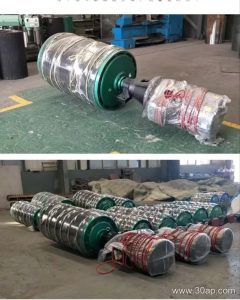
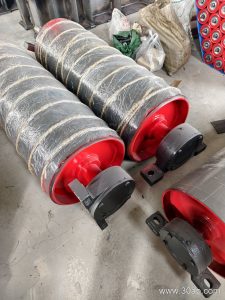
A ceramic lagged pulley is a conveyor pulley whose shell is covered with ceramic tiles set into a rubber backing. The ceramic studs sit slightly proud of the rubber, so the surface bites into the belt cover instead of relying on smooth rubber friction alone. In a quarry, a coal washing plant or a cement clinker line, that extra grip is often what keeps a heavily loaded conveyor belt from slipping on the drive pulley when the incline or the tonnage rises.
It is still a conveyor pulley at heart. The lagging changes the contact surface, not the job of the drum. A drive pulley transmits torque, a tail pulley returns the belt, and a bend pulley only changes direction. Ceramic lagging belongs mainly on the drive position, where slip and wear are concentrated.
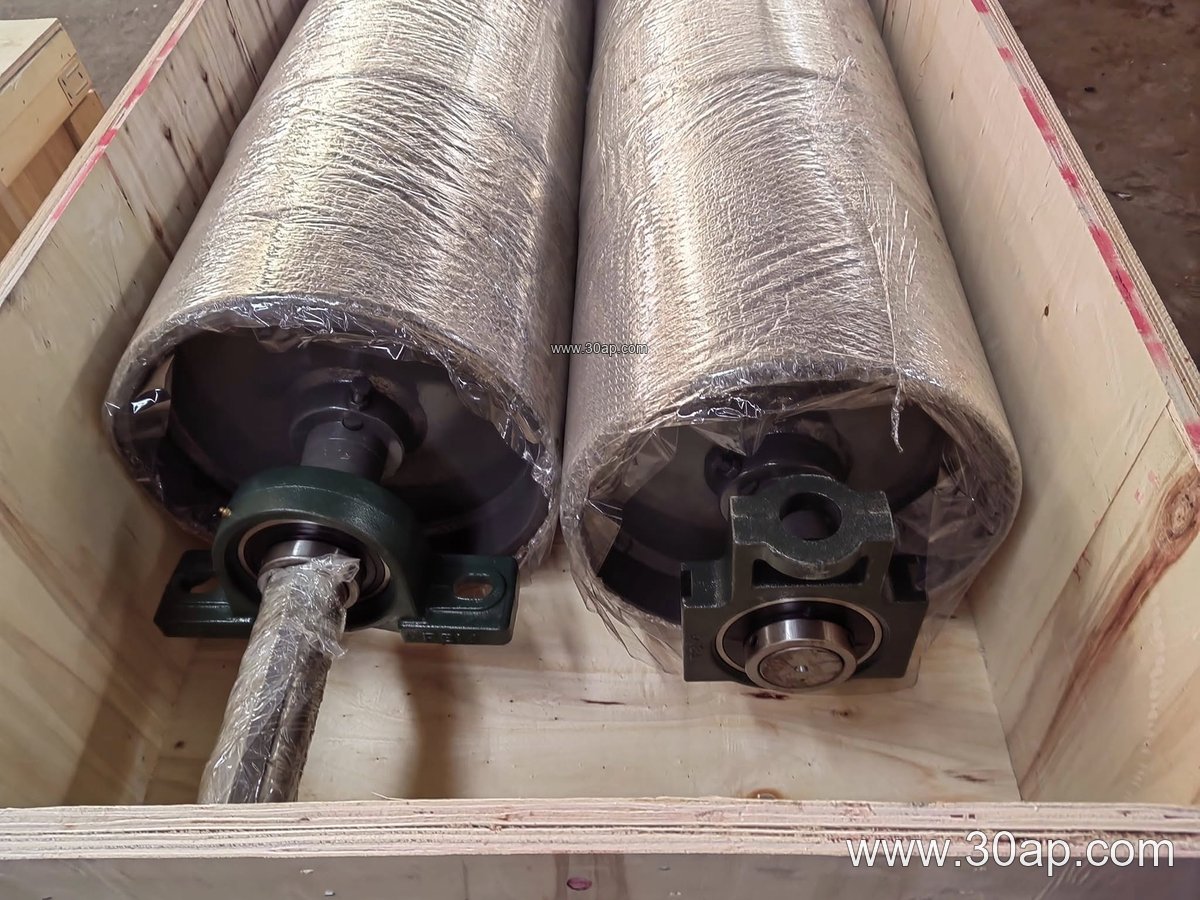
How the Ceramic Surface Is Built
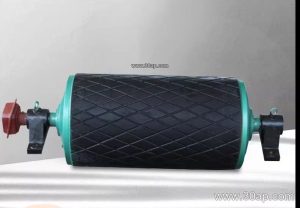
The shell is usually a welded steel drum machined true, then covered with a rubber layer into which ceramic tiles are vulcanized. Tile shapes vary, and the gaps between them form drainage channels for water, fines and dust. That is why the surface keeps gripping in wet or muddy conditions where plain rubber might polish and lose friction.
Common lagging thicknesses are 8, 10, 12, 15 and 20 mm, with the ceramic layer adding height above the rubber. The tiles are hard and abrasion resistant, so the lagging lasts longer against sharp aggregate, iron ore or sinter. The trade-off is that the surface is aggressive: a thin belt cover, an old splice or a soft rubber grade can wear faster, and belt cleaners should be checked so they do not catch on the tile edges.
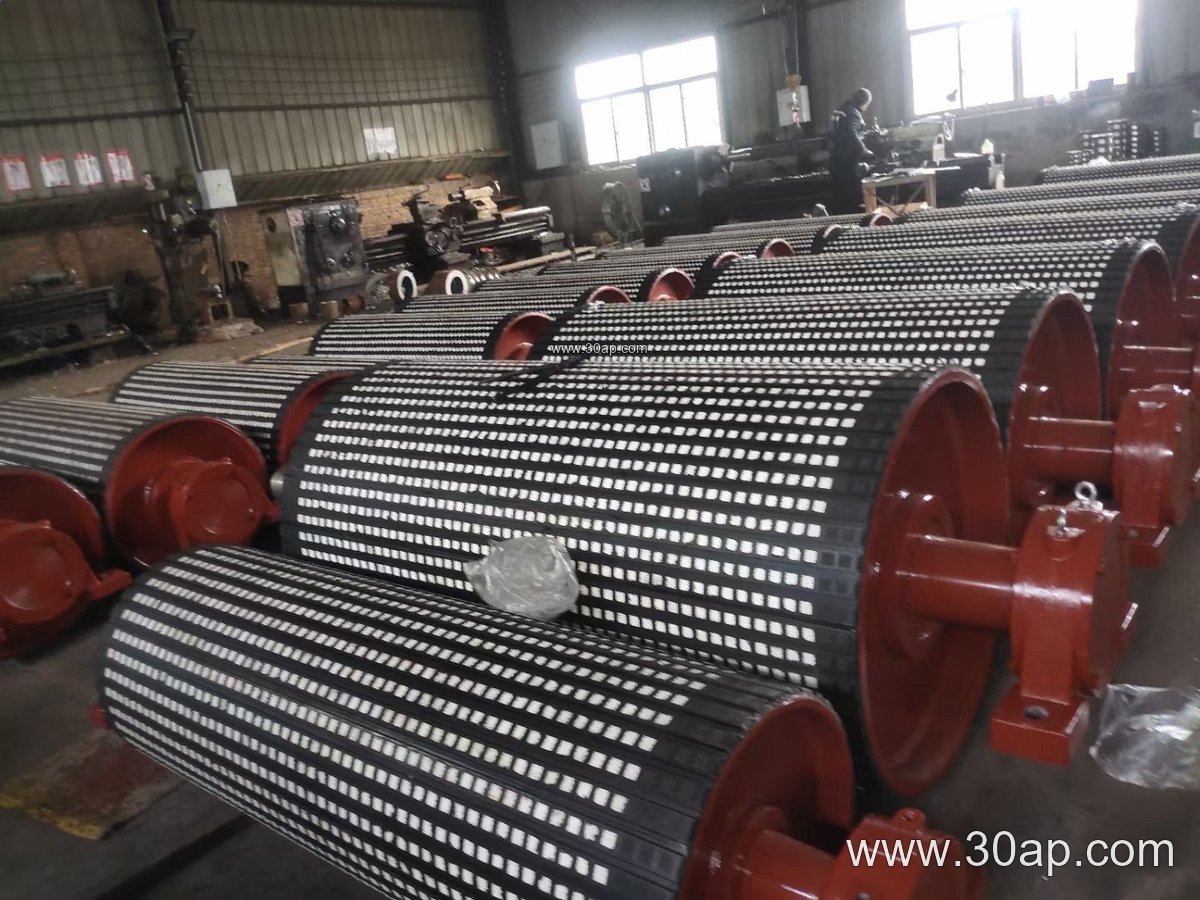
Where It Fits on the Conveyor
Typical duty is the head or drive pulley of a heavy-duty line: a mining conveyor belt hauling ore, a crusher discharge belt in a stone crushing plant, or a ship loading conveyor at a port terminal. It also appears on tension pulleys where wrap angle is limited and slip risk is high. For comparison, a bend pulley in the same circuit usually runs a plain or lightly rubber-lagged surface, because it does not transmit drive torque.
Ceramic lagging suits abrasive bulk material and wet service. It is less attractive on small pulleys, very thin belts or food-grade lines where a smooth, cleanable surface matters more than grip.
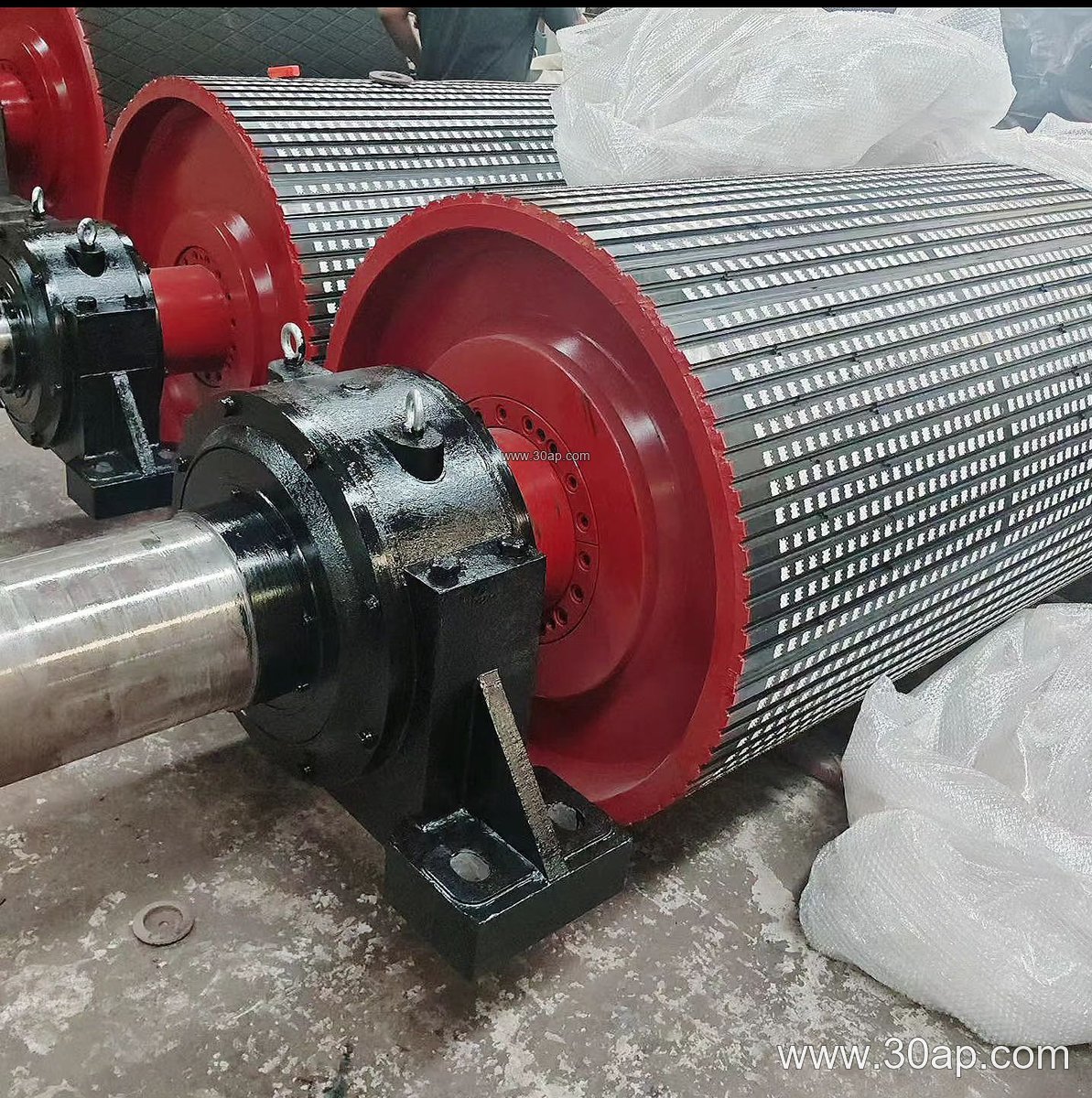
Matching Pulley Size to the Belt
Diameter and face width follow the belt width, belt tension and wrap angle, not a fixed table. As a guide, the pulley face is normally a little wider than the belt. The figures below are common reference values, not a supply promise.
| Belt width | Typical pulley face width | Common diameter range |
|---|---|---|
| B500 | about 600 mm | Ø250 to Ø400 |
| B650 | about 750 mm | Ø315 to Ø500 |
| B800 | about 950 mm | Ø400 to Ø630 |
| B1000 | about 1150 mm | Ø500 to Ø800 |
| B1200 | about 1400 mm | Ø630 to Ø1000 |
| B1400 | about 1600 mm | Ø800 to Ø1250 |
| B1600 | about 1800 mm | Ø1000 to Ø1400 |
| B1800 | about 2000 mm | Ø1250 to Ø1600 |
A B1200 × Ø1000 drive pulley and a B800 × Ø500 tail pulley can both exist on one machine; the sizes serve different duties. Shaft diameter is set by torque and bearing load, commonly Ø80 to Ø200 on medium and large drives, and should never be guessed from belt width alone.
Buyer Checklist
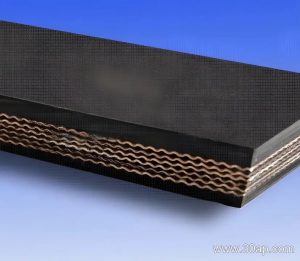
- State the belt type and cover grade, for example an abrasion resistant conveyor belt or a steel cord conveyor belt in a long overland run.
- Give belt width, pulley position, wrap angle, belt speed and starting torque so the shaft and lagging can be sized properly.
- Confirm lagging thickness and tile pattern, plus whether grooving or diamond ceramic is preferred for wet service.
- Check the conveyor pulley bearing housing, conveyor bracket fit and the condition of nearby idler roller sets before installation.
- Plan belt cleaner pressure and splice inspection, since ceramic studs are harder on the belt than rubber lagging.
Installed and maintained correctly, a ceramic lagged drive pulley keeps torque transfer steady through wet, dusty and abrasive duty, and it earns its place wherever belt slip would otherwise stop the line.