What a Drive Lagged Pulley Does on a Conveyor
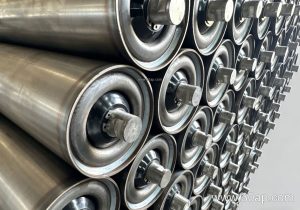
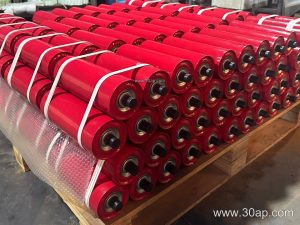
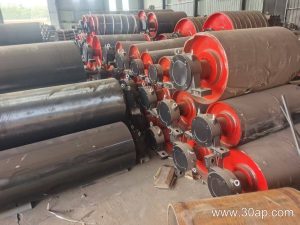
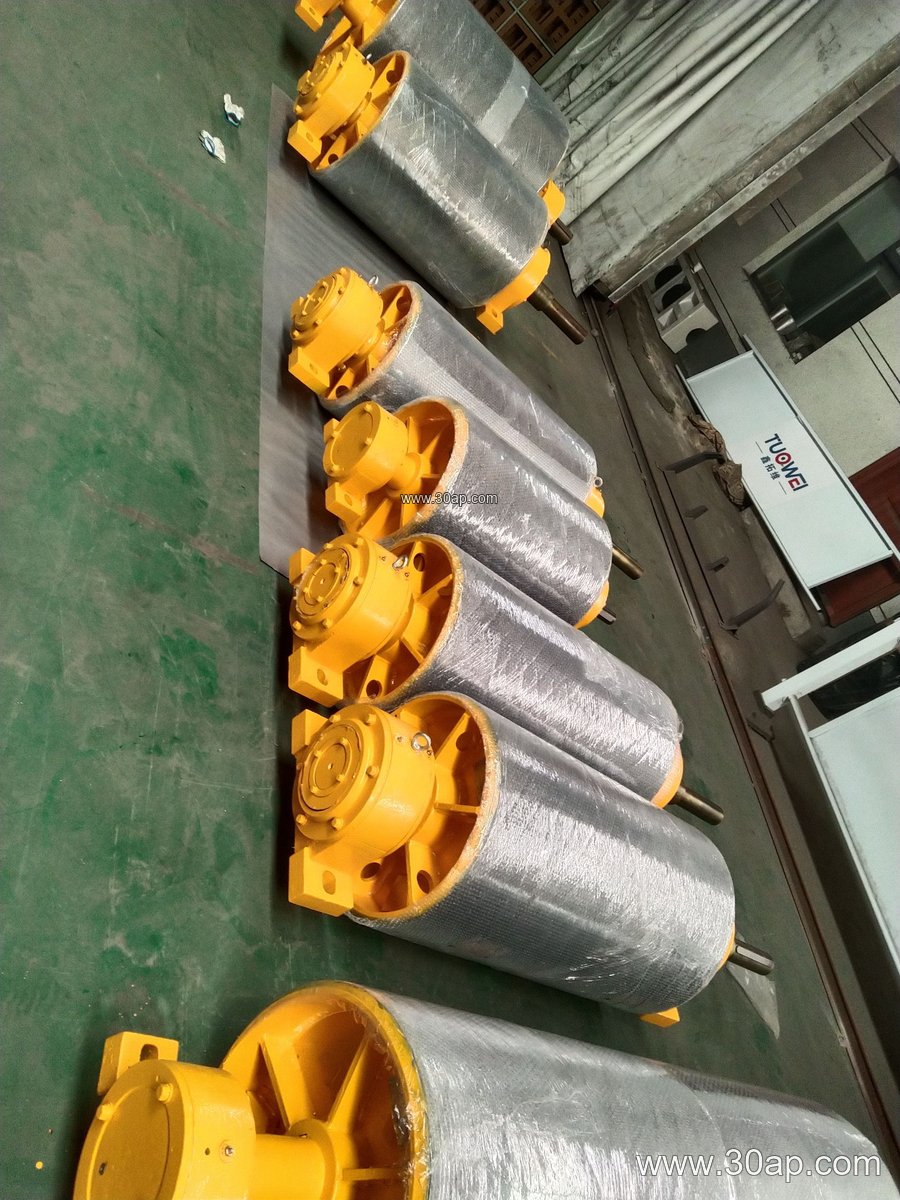
A drive lagged pulley is the powered drum at the head of a belt conveyor, fitted with a rubber or ceramic layer on its shell to raise friction between the drum face and the belt. Without that layer, a smooth steel shell can slip once the belt carries wet, dusty or heavy material. The lagging gives the drive pulley the grip it needs to transmit torque, which is why it is often treated as the heart of the drive station. On a quarry conveyor belt or a power plant coal conveyor belt, a slipping head drum quickly becomes a production problem, so the lagged surface is a practical necessity rather than an accessory.
The product is also known as a lagged head pulley or a rubber-lagged drive drum. It is not the same component as a tail pulley, which turns freely at the loading end, or a bend pulley, which only redirects the belt. Those parts may be described as conveyor pulleys in general, but only the drive drum is connected to the gearbox and motor and transmits the pulling force.
How the Drum and Lagging Are Built
The shell is usually a rolled steel cylinder welded to end discs, with a shaft running through the centre and keyed or shrink-fitted to the hubs. The shaft diameter is decided by torque and bearing load, not by belt width alone, so a B800 drum may use different shaft sizes on different conveyors. Common shaft sizes include Ø80, Ø100, Ø120, Ø140 and Ø160, but the final value comes from the drive calculation.
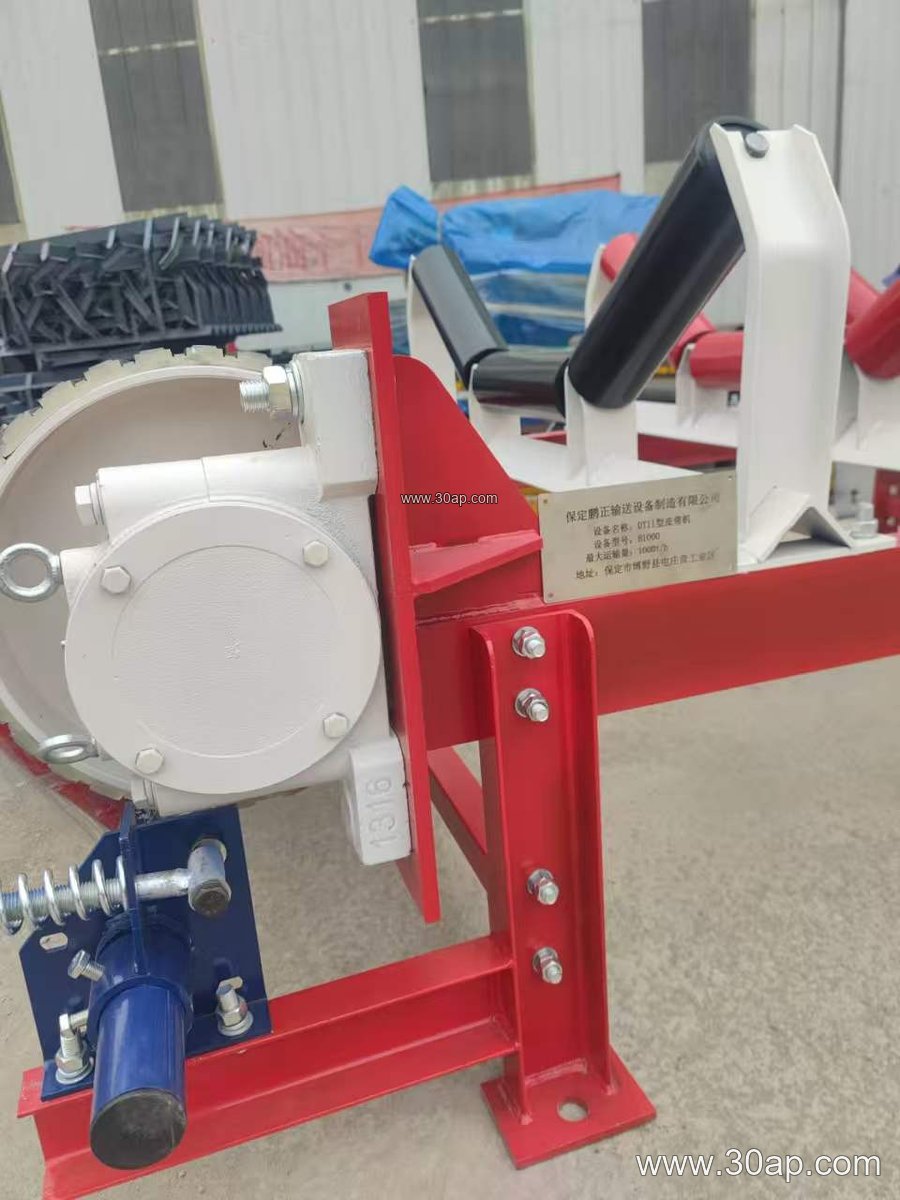
Lagging is applied in several ways. Cold-bonded rubber, hot-vulcanised rubber and cast rubber are all used, and the surface may be plain, diamond-grooved, chevron-grooved or ceramic-tiled. Grooved and ceramic patterns help water and fines escape from the contact zone, which improves grip on wet belts. Typical lagging thicknesses are 8, 10, 12, 15 and 20 mm; a thicker layer suits high-torque drives and abrasive service, while a thinner layer is common on smaller units.
Common reference combinations
The table below shows example pulley sizes and shell widths. These are reference values, not fixed rules, and each drive station should be checked against its own belt tension and torque.
- B400 belt width, shell about 500 mm, drum diameter often Ø200 to Ø315
- B650 belt width, shell about 750 mm, drum diameter often Ø315 to Ø500
- B800 belt width, shell about 950 mm, drum diameter often Ø400 to Ø630
- B1000 belt width, shell about 1150 mm, drum diameter often Ø500 to Ø800
- B1200 belt width, shell about 1400 mm, drum diameter often Ø630 to Ø1000
- B1400 belt width, shell about 1600 mm, drum diameter often Ø800 to Ø1250
- B1600 belt width, shell about 1800 mm, drum diameter often Ø1000 to Ø1400
- B1800 belt width, shell about 2000 mm, drum diameter often Ø1250 to Ø1600
A B1200 × Ø1000 drive lagged pulley and a B800 × Ø500 unit are both realistic, but a wider belt does not force one diameter. Larger drums extend belt life by reducing bending stress, while smaller drums save space and cost. The belt type matters too: a steel cord conveyor belt needs a larger drum than a thin fabric core belt under the same tension.
Where Lagged Drive Pulleys Are Used
These drums appear wherever a conveyor must start under load and keep pulling without slip. In a limestone mine, the head drum on the primary haulage conveyor handles sharp, abrasive rock, so abrasion resistant lagging is common. In a coal preparation plant, flame retardant conveyor belt and anti-static conveyor belt are specified for safety, and the drive drum lagging should be chosen with the same fire-awareness in mind. Cement plants, iron ore terminals and aggregate crushing lines also rely on lagged head drums to keep material moving from the crusher to the stockpile.
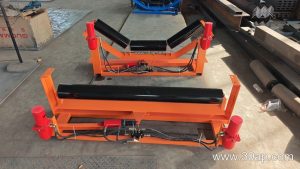
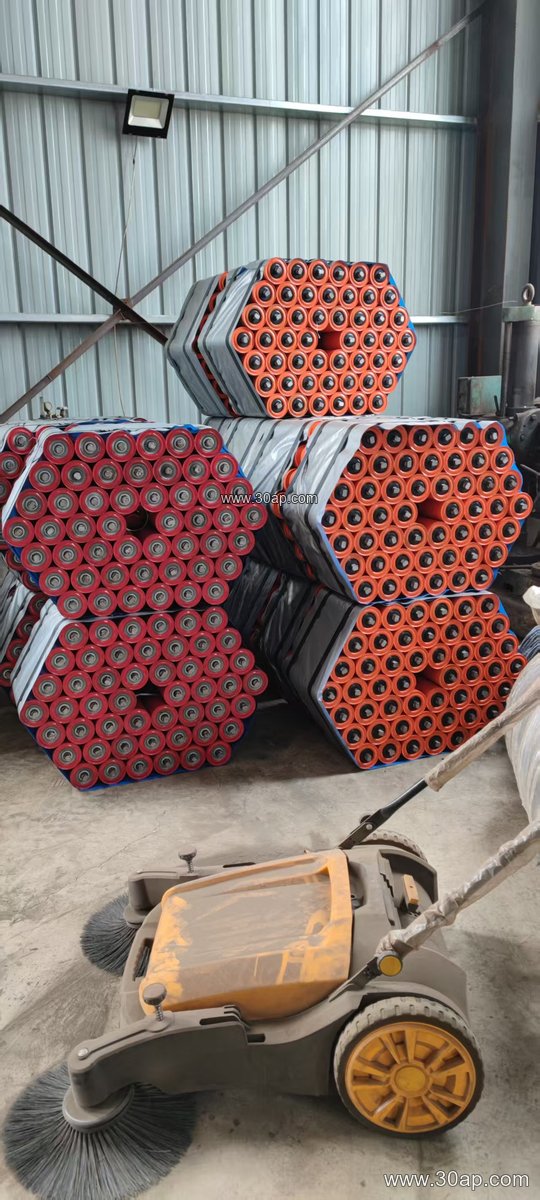
Around the drive station, the belt is supported by idler roller sets and held in line by conveyor bracket frames. A misaligned bracket or a seized idler can cause the belt to run off the drum, so alignment of the whole station matters as much as the lagging itself.
What Buyers Should Confirm Before Ordering
A buyer should provide the belt width, belt type, motor power, belt speed and expected peak tension. From these, the supplier can calculate the required drum diameter, shaft size and lagging thickness. It also helps to state the environment: wet washing areas, dusty crushing circuits and underground mining conveyor belt galleries each put different demands on the rubber.
- Belt width and belt construction, for example EP conveyor belt or steel cord conveyor belt
- Drum diameter and shell width, with the shaft diameter confirmed by calculation
- Lagging material, pattern and thickness
- Bearing type, bearing housing and mounting position
- Balancing and runout requirements for high-speed drives
Finally, ask how the lagging is bonded and whether it can be replaced in the field. A drive lagged pulley that can be re-lagged on site reduces downtime in remote quarry or port installations. Matching the drum to the belt, the load and the working environment is what keeps a conveyor drive reliable over its service life.