What a Conveyor Return Idler Does on the Carry Side Return
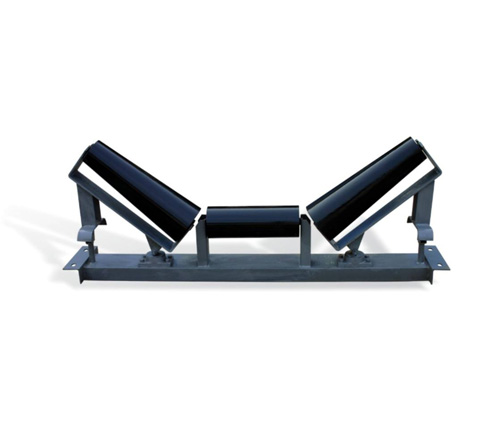
A conveyor return idler is the roller set mounted under the carrying strand to support the empty belt on its way back to the tail end. While the upper troughing idlers carry the load, the return idler carries the belt itself, keeping sag under control so the belt tracks cleanly and the drive pulley can pull without excessive resistance. In a quarry or a cement plant, a poorly supported return run shows up quickly as belt edge wear, spillage, and motor current that creeps upward.
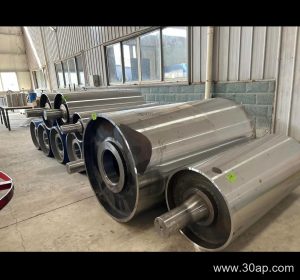
The same component is often called a lower idler or return roller. These are equivalent names for the same product; they are not the same as a bend pulley or tail pulley, which are conveyor pulleys that change belt direction rather than support it.
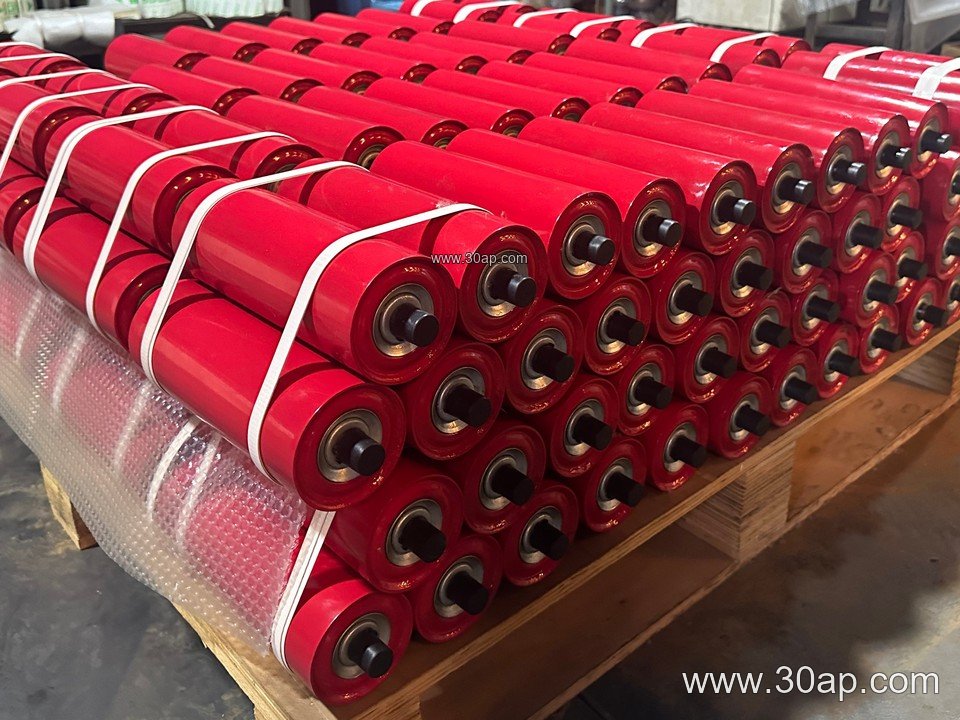
Construction Details That Matter
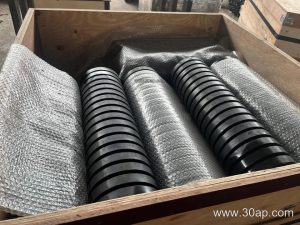
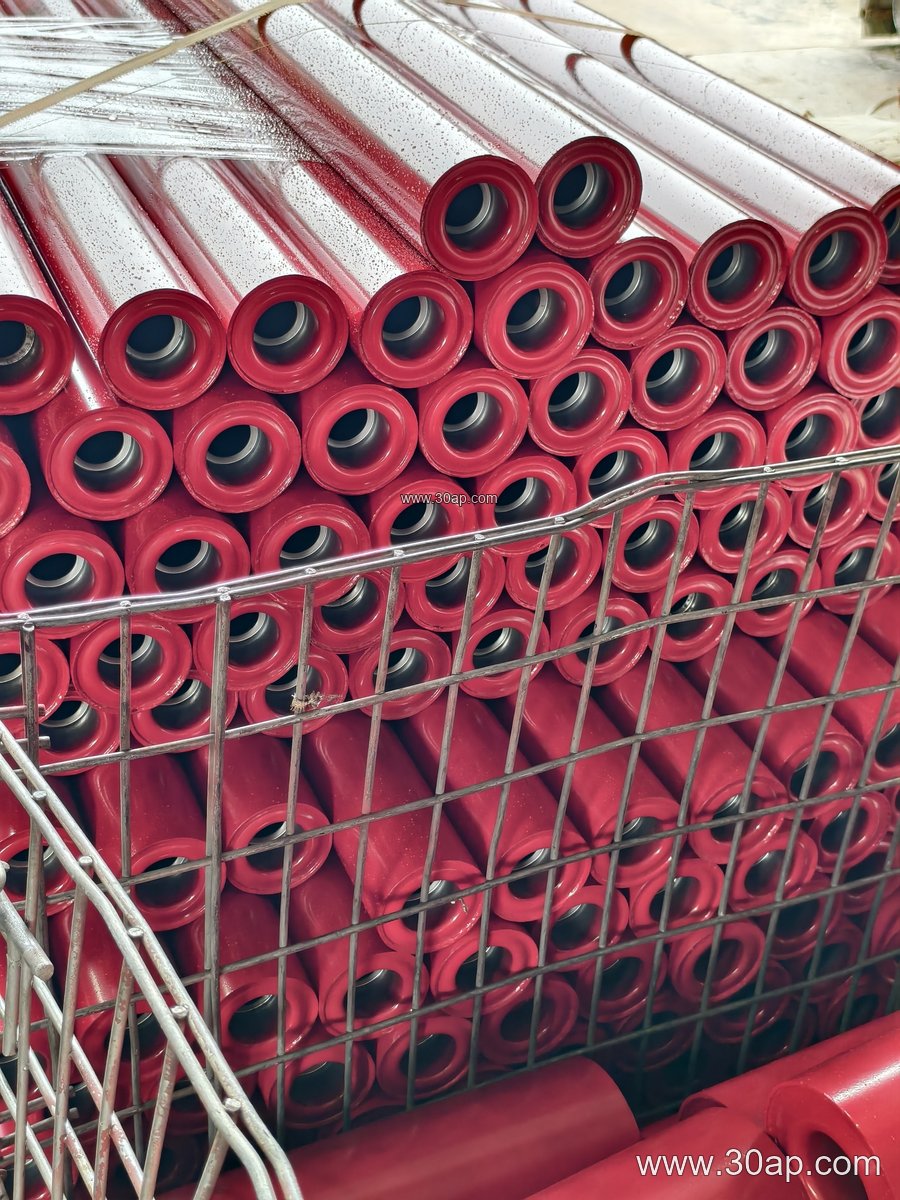
A typical return idler is a steel tube with pressed bearing housings at each end, sealed for dust and water exclusion, and fitted with a through shaft that locks into the conveyor bracket. Roll diameters commonly range from Ø63 to Ø219 depending on belt width and load, and the shell may be plain steel, nylon, or covered with rubber discs for sticky material. Bearing sizes such as 6204, 6205, 6305, 6308, or 6310 are selected by the idler maker according to load and speed, not by belt width alone.
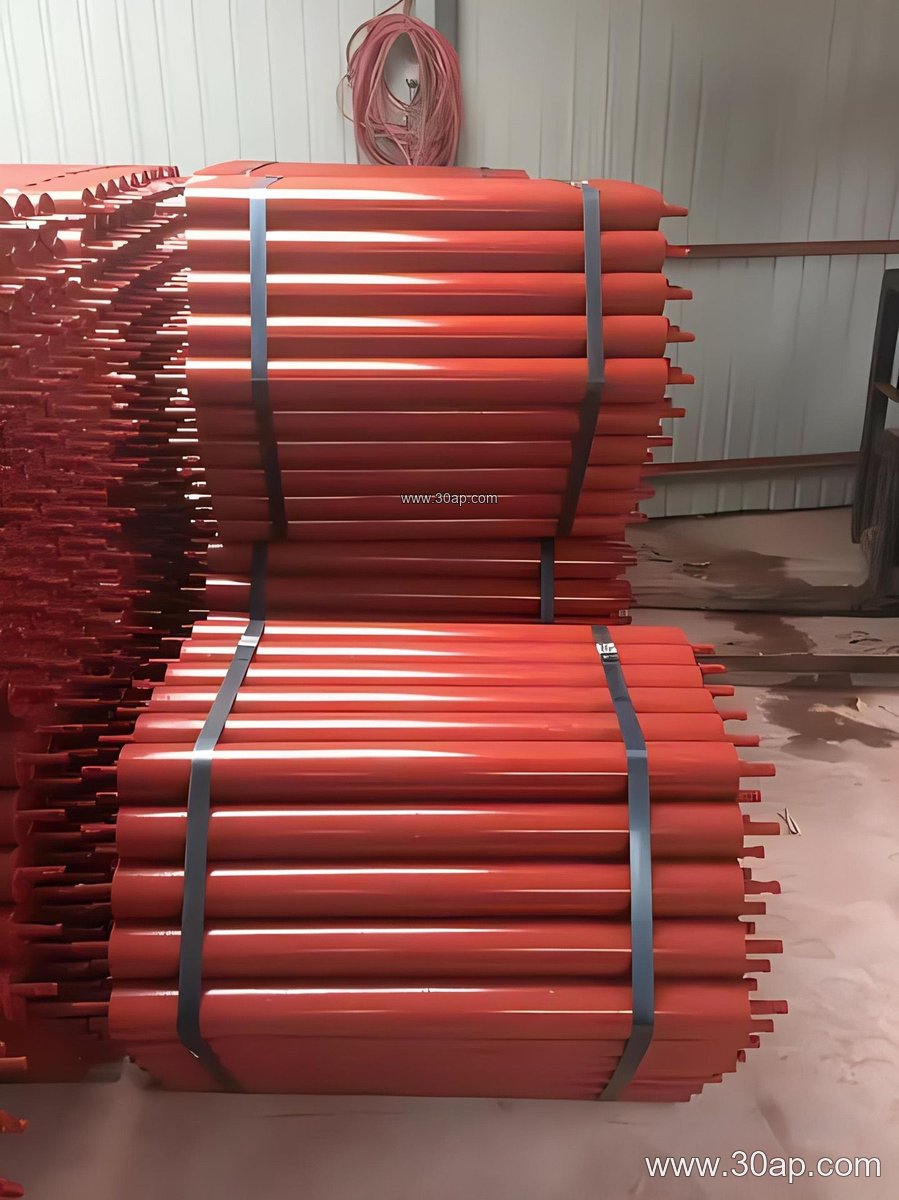
- Plain flat return idlers suit clean, well-aligned belts.
- V-type return idlers help center the belt on long spans.
- Spiral or rubber-disc return rollers shed fines and reduce buildup.
- Self-aligning return idlers correct minor tracking drift.
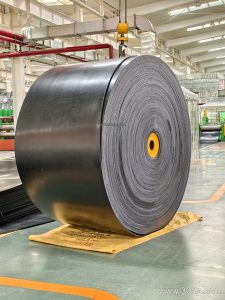
For a belt carrying abrasive ore or clinker, the return roller works alongside an abrasion resistant conveyor belt and a sturdy conveyor bracket assembly. In coal mining and underground coal mining conveyor belt systems, flame retardant conveyor belt grades are common, and the return idler should match the same fire-safety expectations for the installation.
Where Return Idlers Are Used
These rollers appear in almost every bulk handling line. In a limestone quarry or aggregate conveyor belt line, they support the empty strand after the head pulley. In a power plant coal conveyor belt system, they keep the return run stable through long galleries. In a cement plant, they handle dusty return belts where sealed bearings are essential. Iron ore and copper ore operations often specify heavier shells and thicker shafts because of shock loads from large lumps.
On steep or curved routes, a pipe conveyor belt or a corrugated sidewall conveyor belt may need special return arrangements, and the idler spacing is set by the conveyor designer. The return idler is not a substitute for a drive pulley, tail pulley, or bend pulley; those are separate conveyor pulleys with different duties.
Choosing Diameter, Length, and Spacing
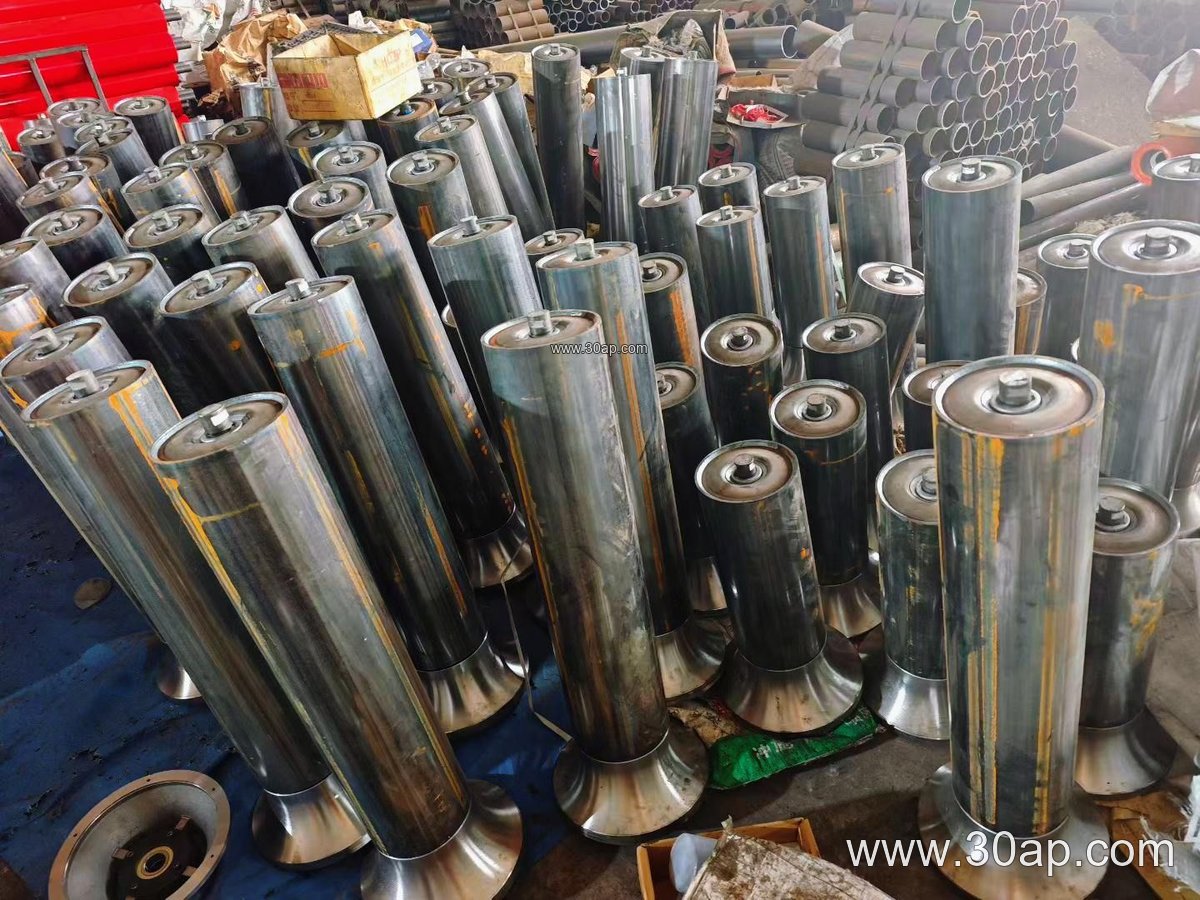
Return idler length follows belt width and frame style. Common examples for reference only:
| Belt width | Typical return roll length | Common roll diameter range |
|---|---|---|
| B500 | about 600 mm | Ø63 to Ø89 |
| B800 | about 950 mm | Ø89 to Ø108 |
| B1000 | about 1150 mm | Ø108 to Ø133 |
| B1200 | about 1400 mm | Ø108 to Ø159 |
| B1600 | about 1800 mm | Ø133 to Ø178 |
| B2000 | about 2200 mm | Ø159 to Ø194 |
These values are examples, not fixed pairings. A wide belt can run with more than one roll diameter, and a heavy-duty mining conveyor belt may justify a larger shaft and bearing rather than a larger shell alone. Return idler spacing is usually wider than carry idler spacing; a common starting point is around 2.4 to 3 m, adjusted for belt tension and sag limits.
Buyer Checklist
Before ordering, confirm belt width, trough angle of the carry side, roll diameter, shaft end type, and bracket hole pattern. Ask about seal type and bearing brand equivalence, and specify surface form: plain steel, nylon, or rubber disc. For food or clean-room lines, a food grade conveyor belt may pair with smooth, easily cleaned rollers. For cold climates, a cold resistant conveyor belt is often used, and the idler bearings should be greased for low temperature.
During operation, listen for squealing bearings, watch for a belt that wanders, and check for material buildup on the return roller. Seized return idlers drag on the belt and can damage the conveyor belt cover. Replace rollers in sets where alignment matters, and keep spare shafts and brackets on hand for scheduled shutdowns in mines, ports, and steel plants.