What a Mining Conveyor Bracket Does on the Line
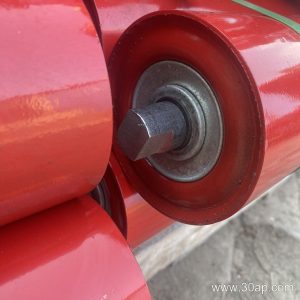
A mining conveyor bracket is the structural link between the conveyor frame and the idler roller that carries the belt. In practice, it is usually a formed steel assembly, made from angle, channel, or folded plate, that fixes the roller at the correct height, angle, and spacing so the belt runs smoothly under load. Without a properly made bracket, the rollers move out of position, the belt starts to wander, and spillage or edge damage follows quickly.
On a coal preparation plant line or a crushed stone operation, the bracket is rarely the most expensive part of the conveyor, but it decides how well every other component behaves. The same steel assembly is often called a conveyor bracket or roller support bracket, and those terms refer to the same structural item described here.
Construction and Common Configurations
Most brackets are fabricated rather than cast. Steel plate is cut, punched, and folded, then welded or bolted into a frame that accepts the roller shaft. The finish matters as much as the shape: in a limestone quarry or a cement plant, dust and moisture attack bare steel quickly, so galvanized or painted versions are common.
The bracket family is broad, and each style has a specific job:
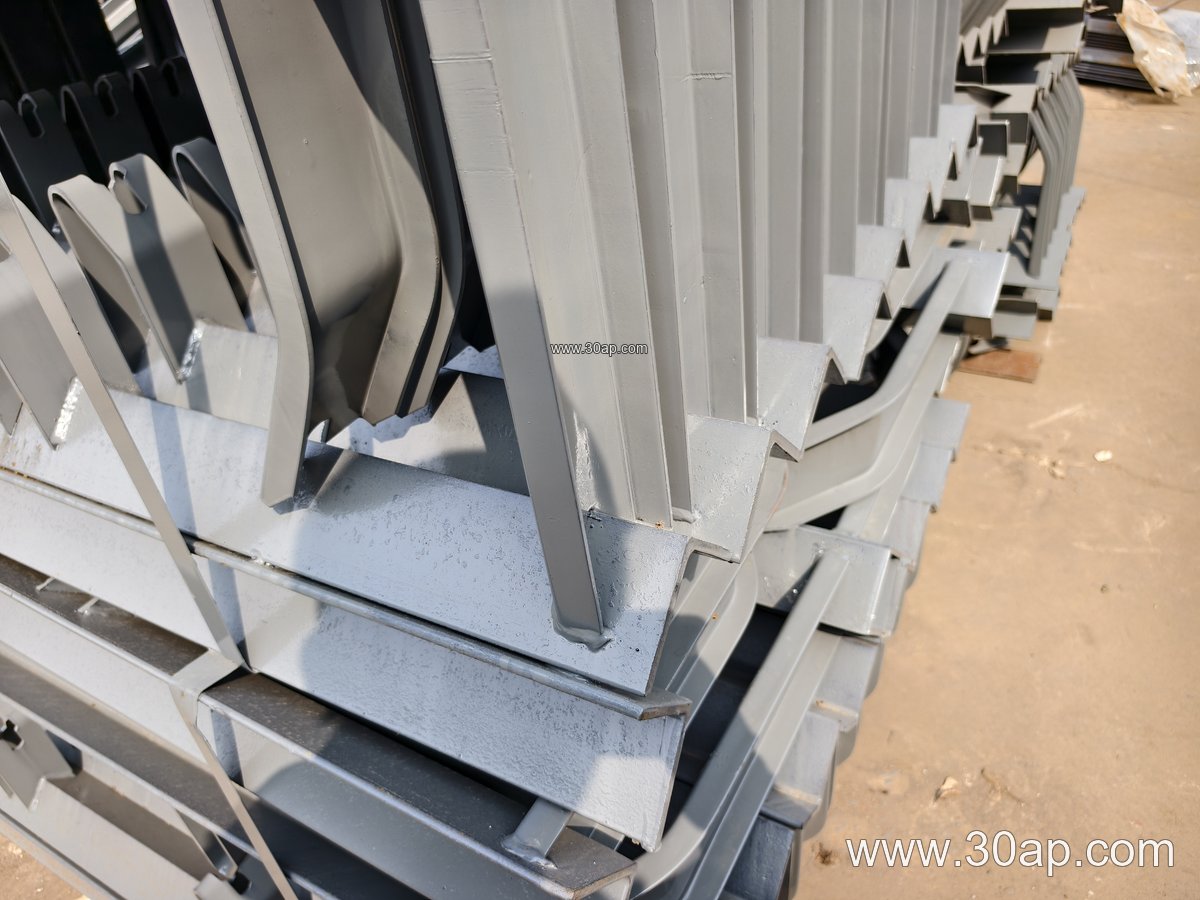
- Troughing bracket that holds three rollers in a trough shape to cup the belt
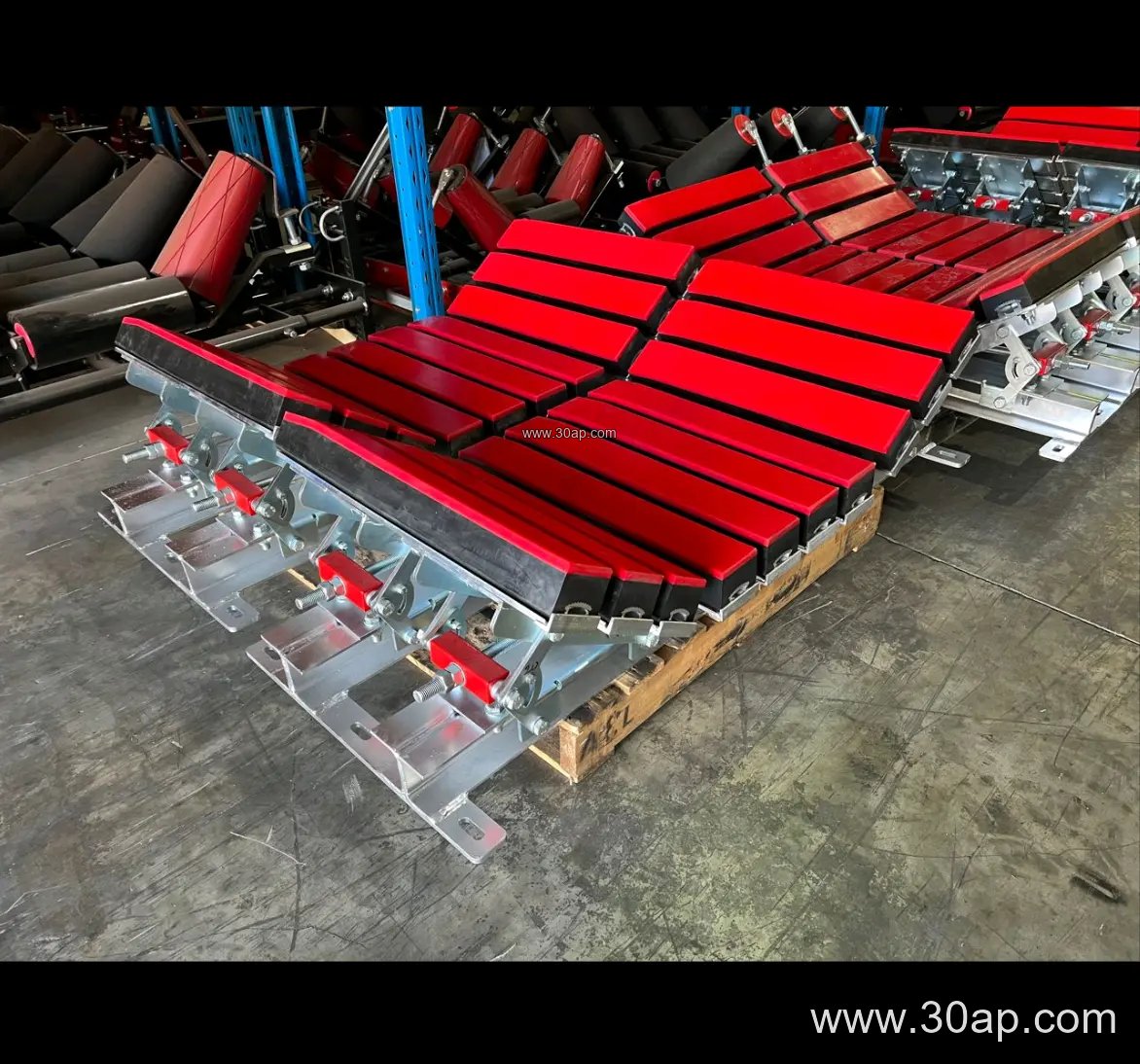
- Impact bracket with a reinforced base under the loading point
- Return bracket or V-return bracket that supports the empty belt
- Self-aligning bracket that corrects belt drift
- Transition bracket near the head and tail sections
- Adjustable bracket that allows the trough angle to be changed on site
For example, a B1200 troughing bracket with a 35 degree trough angle and Ø133 idlers is a common arrangement on a main haulage line, while a B800 frame at 30 degrees with Ø108 rollers suits a smaller transfer conveyor. These are typical pairings, not fixed rules, because belt width, trough angle, and roller diameter are chosen together during design.
Matching the Bracket to Belt and Roller
The bracket must fit the belt width and the roller it carries. A common reference set looks like this:
| Belt width | Typical trough angle | Typical roller diameter |
|---|---|---|
| B500 | 20 to 30 degrees | Ø89 |
| B650 | 30 degrees | Ø89 to Ø108 |
| B800 | 30 to 35 degrees | Ø108 |
| B1000 | 35 degrees | Ø108 to Ø133 |
| B1200 | 35 to 45 degrees | Ø133 |
| B1400 | 35 to 45 degrees | Ø133 to Ø159 |
| B1600 | 35 to 45 degrees | Ø159 |
| B1800 to B2200 | 35 to 45 degrees | Ø159 to Ø194 |
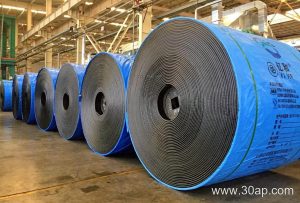
Installation hole spacing and crossbeam length change with belt width and trough angle, so these are always confirmed against the drawing rather than assumed. The belt itself also matters: a heavy-duty mining conveyor belt carrying iron ore needs stiffer support than a lighter fabric core belt on a short run.
Where It Appears in the Plant
You will find these brackets in almost any bulk handling circuit. In a power plant coal yard, troughing and impact brackets sit under the unloading and transfer points. In a sand and gravel line, return brackets keep the empty belt off the ground through long spans. The bracket is also a natural place to check alignment after a belt change, since a loose or worn bracket is a frequent cause of tracking problems.
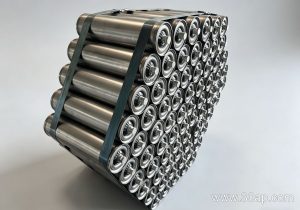
Adjacent parts should be reviewed together: the conveyor pulley at the head end, the idler roller set along the run, and any skirted conveyor belt section where material is loaded. If the bracket under a loading zone flexes, the belt and skirt rubber wear faster.
Buyer Checklist
- Confirm belt width, trough angle, and roller diameter before ordering
- Check material and finish for the site conditions, especially washdown or chemical exposure
- Decide between fixed and adjustable versions based on whether the trough angle may need tuning
- Ask for the hole pattern drawing so the bracket matches the existing frame
- Plan periodic inspection of bolts, welds, and alignment as part of normal maintenance
A well-chosen bracket costs little compared with the downtime it prevents. For more on related components, see the roller and pulley ranges at conveyoridlerpro.com, and compare bracket options for mining conveyor belt systems at conveyoridlerpro.com before finalizing the frame layout.