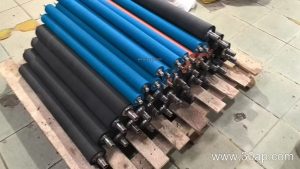
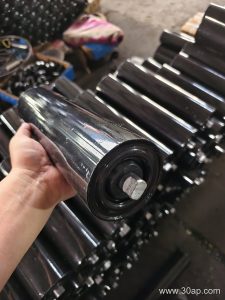
What a Conveyor Carrying Bracket Does
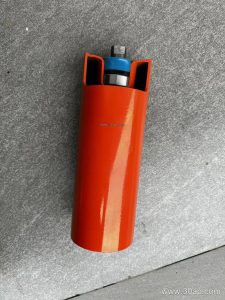
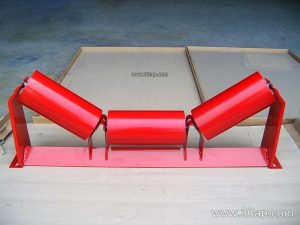
A conveyor carrying bracket, also known as a carrying idler bracket or troughing bracket, is the structural component that supports the carrying-side idler rollers on a belt conveyor. It holds the rollers at the correct trough angle so the conveyor belt forms a stable profile for transporting bulk materials. In quarry, mining, and aggregate operations, this bracket is a small but critical part of the conveyor frame. For reliable performance, pair it with quality conveyor components such as those from conveyor bracket specialists who understand heavy-duty demands.
The bracket is distinct from the return bracket, which supports the belt on its return run. While both are part of the conveyor structure, they serve different positions and are not interchangeable. Proper selection of the carrying bracket ensures the belt tracks well and the idler roller bearings last longer.
Construction and Materials
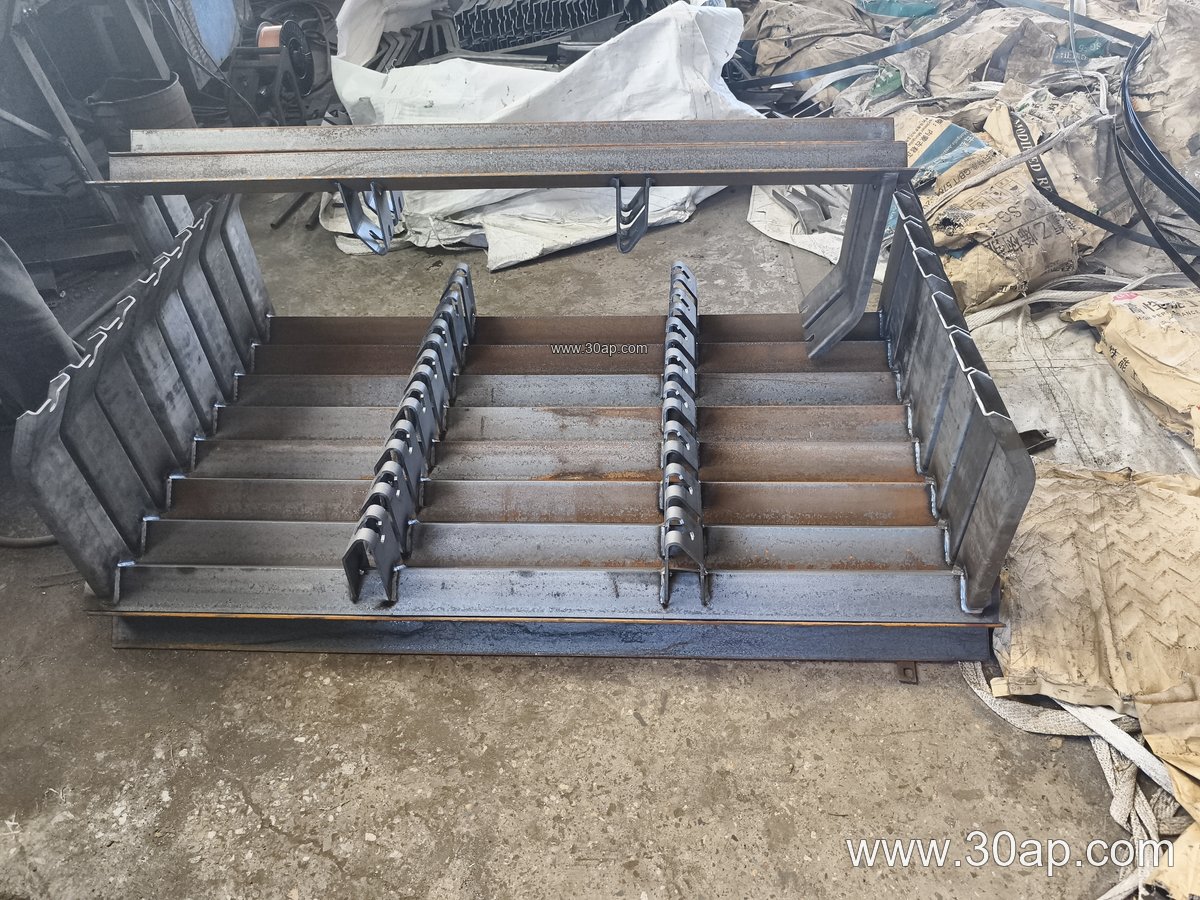
Most carrying brackets are fabricated from angle steel, channel steel, or folded steel plate. The choice of material and thickness depends on the load and belt width. Common surface treatments include painting or galvanizing to resist corrosion in damp or dusty environments. The bracket typically features slots or holes for mounting idler rollers and for fixing to the conveyor stringer. The design allows for adjustment of the trough angle in some models.
- Angle steel brackets: economical for light to medium loads
- Channel steel brackets: higher rigidity for wider belts
- Folded plate brackets: weight savings with good strength
For harsh conditions like those in a cement plant or coal mining conveyor system, brackets should be robust and correctly aligned to avoid belt edge damage. Using a flame retardant conveyor belt or abrasion resistant conveyor belt in combination with well-built brackets improves overall safety and service life.
Types and Applications
Carrying brackets come in several forms to suit different conveyor layouts. The most common is the troughing bracket, which sets the idler rollers at a specific angle. Adjustable brackets allow the trough angle to be changed between 20, 30, 35, and 45 degrees, which is useful when handling materials with varying characteristics. Fixed brackets are simpler and often used where the conveyor duty is constant.
Other variants include impact brackets for loading points, self-aligning brackets for belt tracking, and transition brackets near pulleys. These are selected based on the conveyor design and material flow. In a sand and gravel line, for example, a 35-degree troughing bracket with Ø108 idler rollers on a B800 belt is a typical combination. In heavier duty such as an iron ore conveyor, B1200 with 45-degree trough and Ø133 rollers may be used. These are common configurations, not fixed rules.
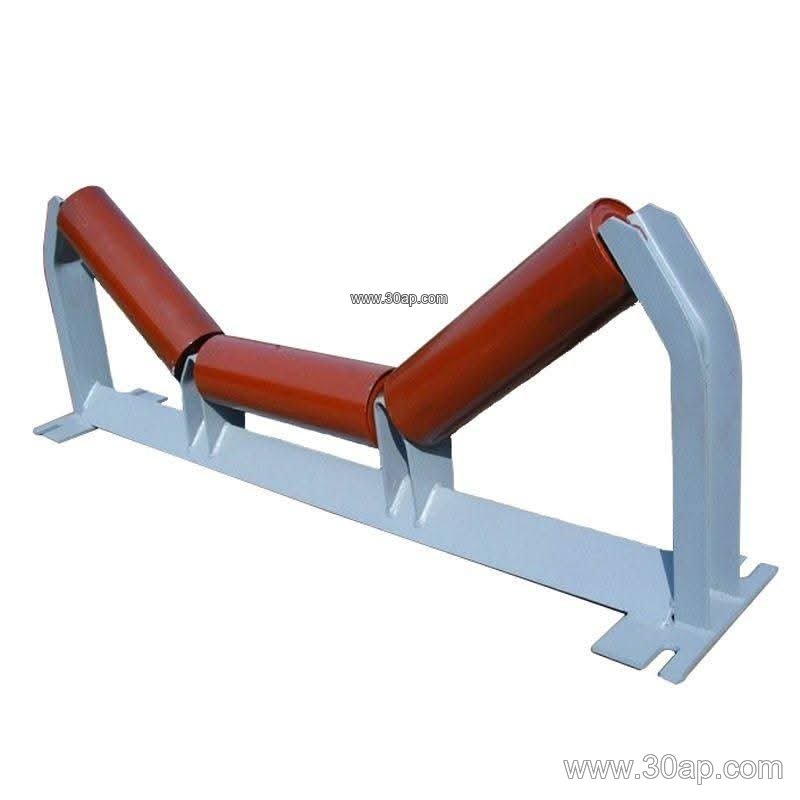
Applications span many industries:
- Quarry and aggregate plants
- Coal washing plants
- Cement kilns and clinker lines
- Power plant coal handling
- Port ship loading facilities
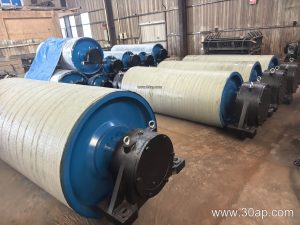
In each, the carrying bracket works with conveyor pulleys and idler rollers to keep the belt supported and aligned.
Selection and Maintenance Tips
When choosing a conveyor carrying bracket, consider the belt width, trough angle, roller diameter, and load. Common belt widths include B500, B650, B800, B1000, B1200, B1400, B1600, and B1800. Roller diameters often range from Ø89 to Ø194. The bracket must match the idler roller shaft size and the conveyor frame hole spacing. Avoid assuming one belt width fits only one roller diameter; always verify with the conveyor design.
Regular inspection of brackets for wear, corrosion, or misalignment is important. A bent or loose bracket can cause the belt to mistrack and damage the edge. In dusty environments like a limestone mine, clean the brackets periodically to prevent material buildup. For high-temperature areas, use heat resistant conveyor belt and ensure brackets are not exposed to excessive heat.
Proper installation and alignment of the carrying bracket, along with quality conveyor belt and idler roller, contribute to a smooth-running conveyor system. Whether in a small recycling plant or a large underground coal mining operation, selecting the right bracket pays off in reduced downtime and lower maintenance costs.