What a Belt Conveyor Bracket Actually Does
A belt conveyor bracket is the structural support that holds the idler roller in place along a conveyor line. It may look like a simple piece of steel, but it sets the position of the rollers, controls the trough profile of the conveyor belt, and keeps the whole load path stable. In a quarry, a coal handling plant, or a cement grinding line, a loose or misaligned bracket quickly shows up as belt wander, edge wear, or spillage.
The bracket is not the roller and it is not the pulley. It is the frame that links the roller to the conveyor stringer. That distinction matters when ordering spare parts, because a conveyor bracket and a conveyor pulley are different items with different mounting needs. This article focuses on the bracket family used to support carrying and return idlers.
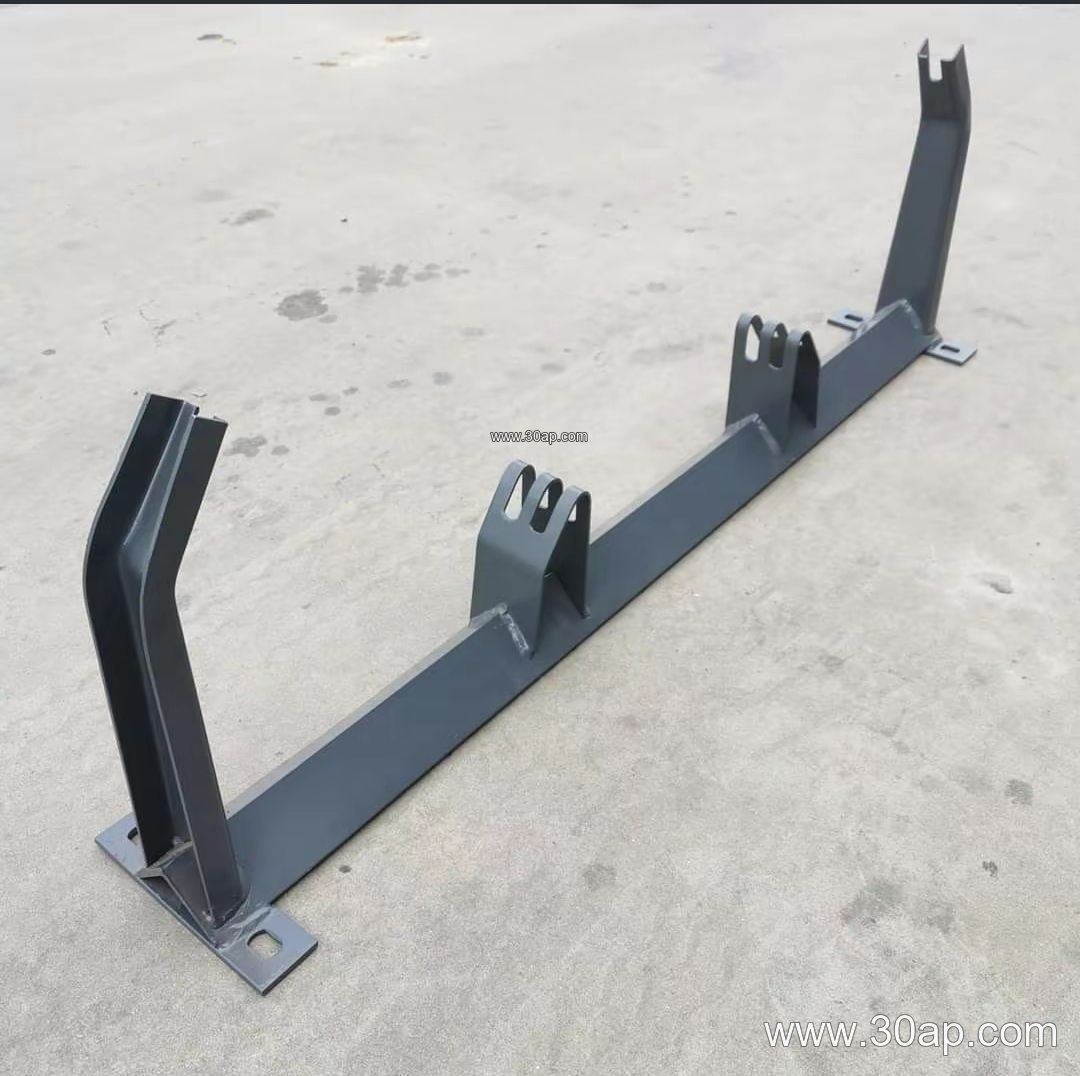
Construction and Common Forms
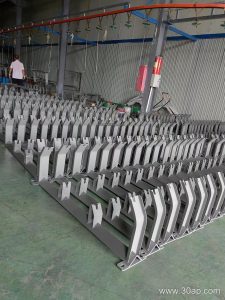
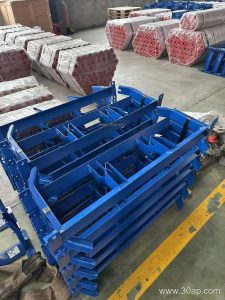
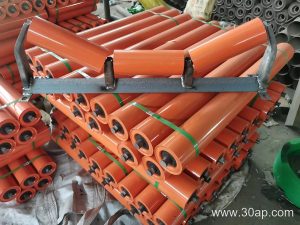
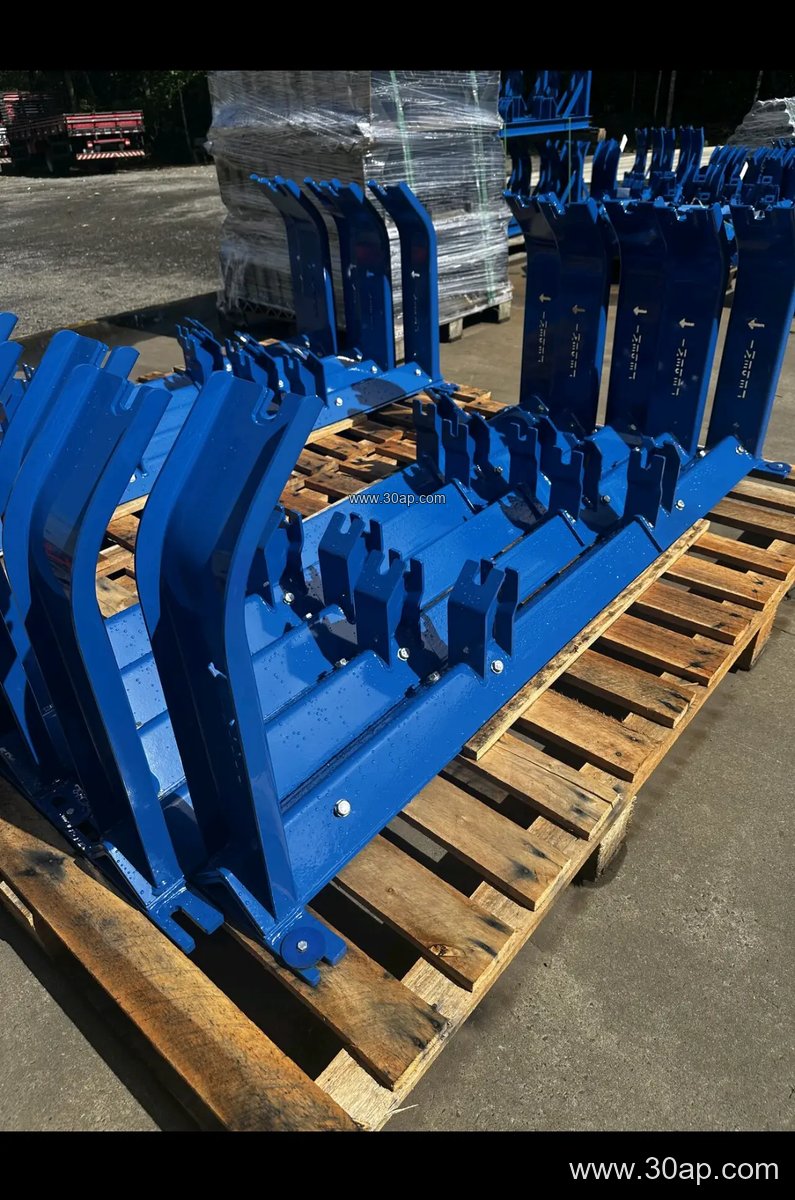
Most brackets are fabricated from angle steel, channel steel, or folded steel plate. A troughing bracket usually has three or five roller seats arranged at a fixed or adjustable angle, while a return bracket supports a single flat roller or a V-shaped pair underneath the belt. Welded brackets are common for heavy-duty mining conveyor lines, while bolted designs make field replacement easier in tight transfer towers.
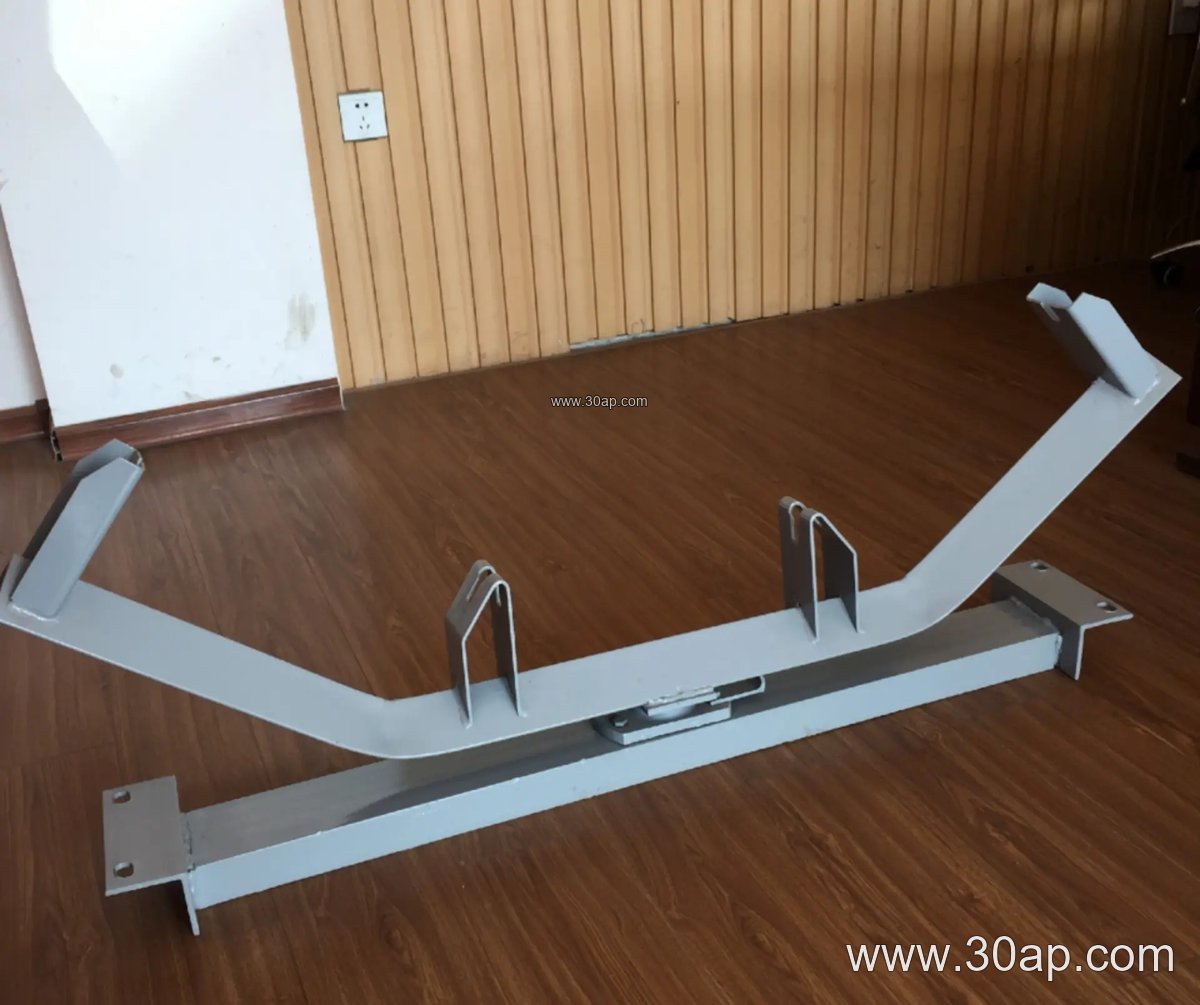
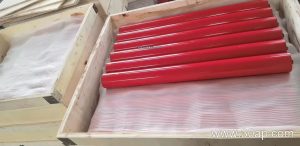
Typical forms include the upper troughing bracket, transition bracket, return bracket, flat return bracket, V-return bracket, impact bracket, self-aligning bracket, forward-tilt bracket, spiral roller bracket, suspended bracket, and adjustable bracket. Each one serves a position in the conveyor structure rather than replacing another. An impact bracket sits under the loading point, for example, while a transition bracket eases the belt from a flat tail pulley into the trough section.
Trough Angle, Belt Width, and Roller Diameter
The bracket geometry is usually described together with belt width, trough angle, and roller diameter. A B800 frame at 35 degrees with Ø108 rollers is a familiar combination, and a B1200 line at 45 degrees with Ø133 rollers is equally normal. These are examples, not rules. Wider belts generally need longer crossbeams and more mounting holes, and the hole spacing changes with both width and trough angle.
Adjustable brackets allow the trough angle to be set between about 20 and 45 degrees, which helps when a line handles materials with different flow behavior. Forward-tilt brackets are set at roughly 1.5 to 2 degrees to help center the belt. The table below gives reference ranges only; actual dimensions are determined by design.
| Parameter | Common reference values |
|---|---|
| Belt width | B500, B650, B800, B1000, B1200, B1400, B1600, B1800, B2000, B2200 |
| Trough angle | 20, 30, 35, 45 degrees |
| Roller diameter | Ø89, Ø108, Ø133, Ø159, Ø194 |
| Material | Angle steel, channel steel, folded steel plate |
Do not assume that one belt width pairs with only one trough angle or one roller diameter. A B1000 conveyor may run at 30 or 35 degrees depending on capacity and material, and the roller diameter follows load and speed rather than width alone. Fixed shaft diameters should come from the conveyor design, not from a belt width guess.
Where the Bracket Fits in the Line
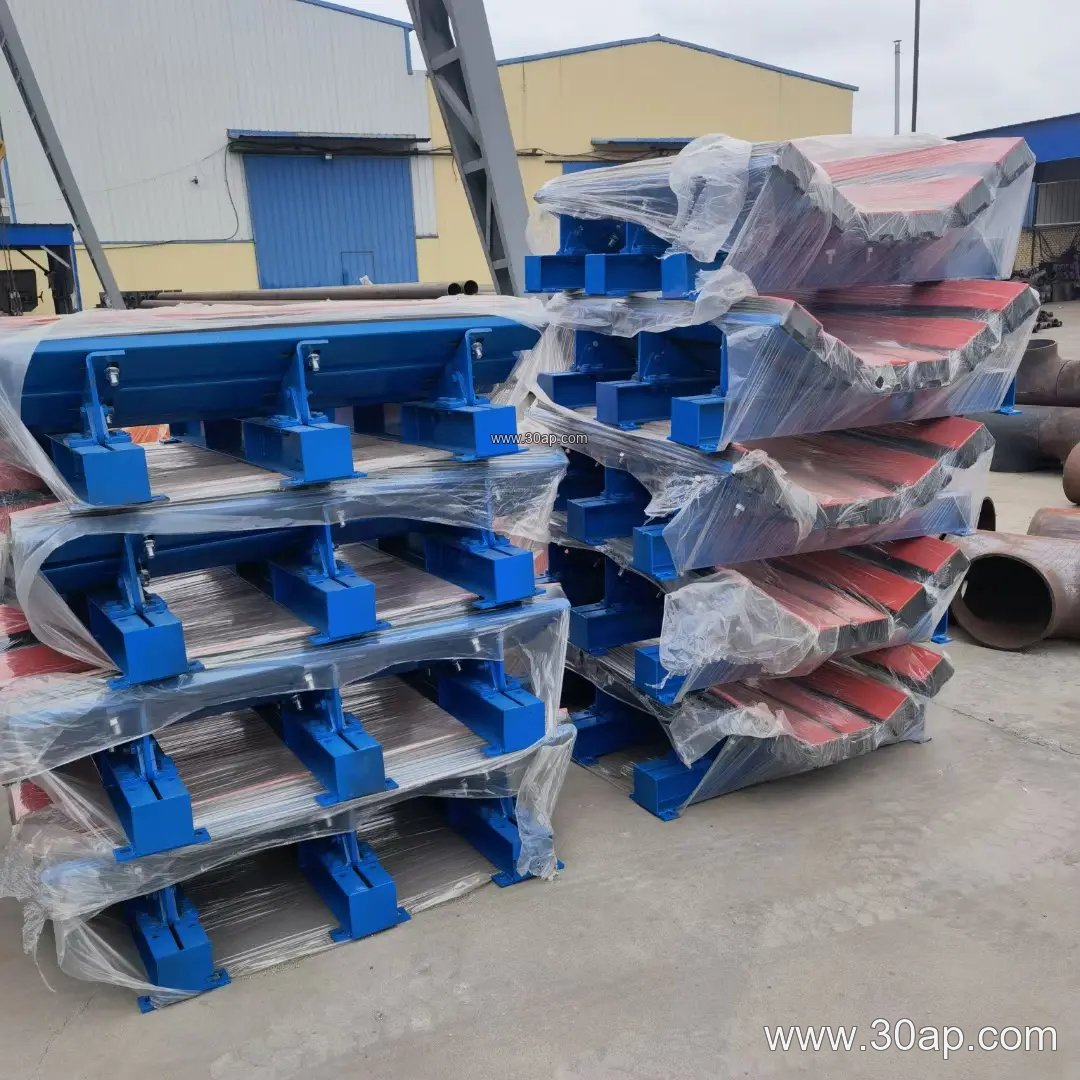
In a limestone quarry, troughing brackets carry the conveyor belt through the crushing and screening section, while impact brackets absorb the drop at the transfer point. In a power plant coal yard, return brackets and V-return brackets keep the empty strand tracking under the stringers. A cement plant uses similar frames on clinker and raw meal lines, and a fertilizer or grain silo facility may use lighter brackets with a food grade conveyor belt.
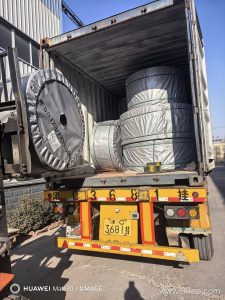
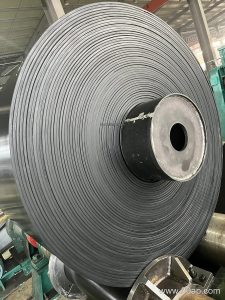
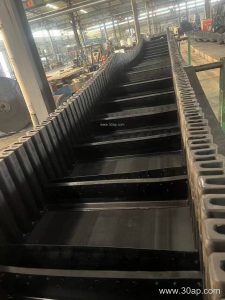
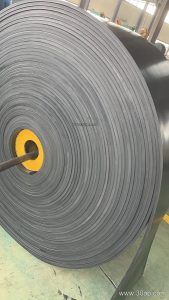
The bracket works together with the idler roller, the conveyor pulley, and the belt itself. A heavy-duty mining conveyor belt under a steel cord conveyor belt or a multi-ply fabric core conveyor belt needs a stiff, well-aligned frame; a chevron conveyor belt or corrugated sidewall conveyor belt may need more clearance around the bracket because of its raised profile.
Buyer Checklist
- Confirm belt width, trough angle, and roller diameter as a set, together with the mounting hole pattern.
- State the position: carrying side, return side, loading point, transition zone, or self-aligning station.
- Choose material and finish for the environment, such as wet washing areas or dusty coal handling.
- Check that the bracket matches the stringer spacing and the pulley center height at the tail and head.
- Ask whether the design is fixed or adjustable, and how the adjustment is locked.
For operators sourcing conveyor components, it helps to compare bracket drawings with the roller schedule and the belt specification before ordering. A bracket that fits the roller but not the stringer will still cause downtime. For more on conveyor bracket, conveyor pulley and idler roller matching, visit conveyoridler.com and review the frame details with your supplier.