What a Food Grade Conveyor Belt Is
A food grade conveyor belt is a belt designed for direct or indirect contact with food, beverages, and pharmaceutical ingredients. Unlike a standard rubber conveyor belt used in a quarry or coal mining conveyor system, this belt must not release harmful substances, harbor bacteria, or impart odors and tastes. It is typically made from materials approved for food contact, such as PVC, polyurethane, silicone, or specially compounded food-grade rubber. The belt surface is smooth, non-porous, and easy to clean, often with sealed edges to prevent moisture and debris from entering the carcass.
Construction and Common Configurations
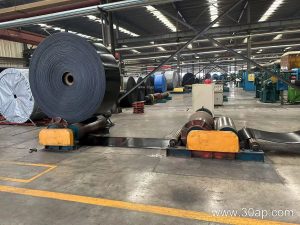
The construction of a food grade conveyor belt depends on the duty and the food product being handled. Light-duty belts often use a fabric core with a thin thermoplastic cover, while heavier duties may use a multi-ply fabric core with food-grade rubber covers. Because hygiene is the priority, the belt is usually finished as an endless conveyor belt with a spliced joint that is flush and smooth, avoiding crevices where residue can collect. Surface forms can include a plain top, a lightly textured grip top, or cleats and corrugated sidewalls for inclined transport of loose ingredients.
Buyers often encounter widths such as 500mm, 600mm, 800mm, and 1000mm, with wider options available for large bakery or vegetable processing lines. Cover thickness is usually specified as a combination such as 3+1.5 mm or 4+2 mm, where the first figure is the top cover and the second is the bottom cover. These are common reference values, not universal requirements; the final choice depends on the product weight, temperature, and cleaning method.
Where It Is Used
Food grade belts appear across many processing environments. In bakeries they carry dough, pastries, and baked goods; in fruit and vegetable lines they transport washed produce; in meat and seafood plants they move cuts and fillets; in confectionery and snack production they handle sticky or fragile items. The same belt style is also found in dairy plants, beverage bottling lines, and pharmaceutical tableting rooms. Outside pure food production, related hygienic belts serve in recycling and waste sorting where cleanliness and odor control matter.
It is important to distinguish this belt from belts used in heavy industry. A steel cord conveyor belt or an abrasion resistant conveyor belt built for iron ore, copper ore, or cement clinker is not a substitute for a food grade belt, because its rubber compounds and construction are not intended for food contact. Likewise, a flame retardant conveyor belt for underground coal mining follows different safety priorities. The food grade designation belongs to the hygienic product family and should not be replaced by a general-purpose industrial belt.
Key Selection Points for Buyers
When specifying a food grade conveyor belt, several practical factors should be reviewed:
- Material compatibility: Confirm the belt material suits the food type, fat content, acidity, and cleaning chemicals used.
- Temperature range: Ovens, freezers, and wash-down zones demand belts rated for heat or cold; a heat resistant conveyor belt grade may be needed near baking ovens, while cold resistant grades suit chilled rooms.
- Surface and cleat design: Smooth surfaces suit transfer points and cleaning, while chevron conveyor belt patterns or corrugated sidewall conveyor belt profiles help on inclines.
- Joint type: An endless spliced belt reduces catch points and bacterial harborage compared with mechanical fasteners.
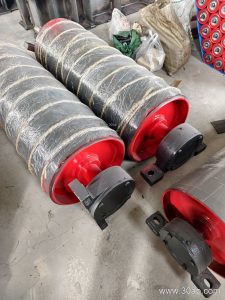
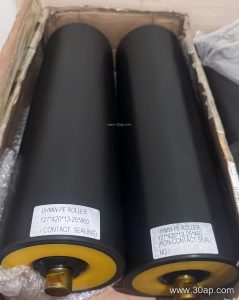
- Supporting components: Match the belt to conveyor pulleys, idler rollers, and conveyor brackets that are themselves easy to clean and corrosion resistant.
Widths and strength grades should be selected from the actual conveyor design, not copied from another line. A 600mm belt on one system may run with different pulley diameters than a 600mm belt on another, so the drive, tail, and bend pulleys should be checked as separate items.
Maintenance and Hygiene Practice
Regular inspection of the belt surface, edges, and splice keeps hygiene under control. Small cuts and cover wear should be repaired promptly with food-grade materials. Cleaning routines should match the belt compound; some belts tolerate strong wash-down, while others need gentler detergents. Tracking should be checked against the conveyor pulleys and idler rollers to prevent edge damage, and any worn conveyor bracket or roller should be replaced before it abrades the belt. Storing spare belts flat, away from sunlight and ozone sources, helps preserve the cover compound.
For more information on hygienic belting and related conveyor components, visit www.example.com/food-grade-conveyor-belt or www.example.com/conveyor-belt.