What a Surface Belt Conveyor Idler Does on the Line
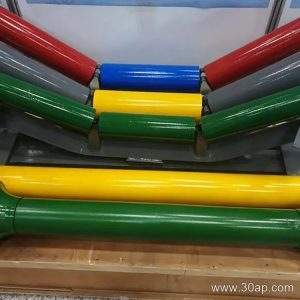
A surface belt conveyor idler is the rotating roller that supports the conveyor belt along the carrying and return runs. It sits between the head and tail pulleys, usually mounted on a conveyor bracket or frame. In a quarry, cement plant, or coal handling system, these rollers keep the belt in a stable trough, reduce friction, and help protect both the belt and the material load. Although a conveyor pulley drives or redirects the belt, the idler roller simply supports it. That distinction matters when you order spare parts because a drive pulley, tail pulley, and bend pulley are not interchangeable with a surface belt conveyor idler.
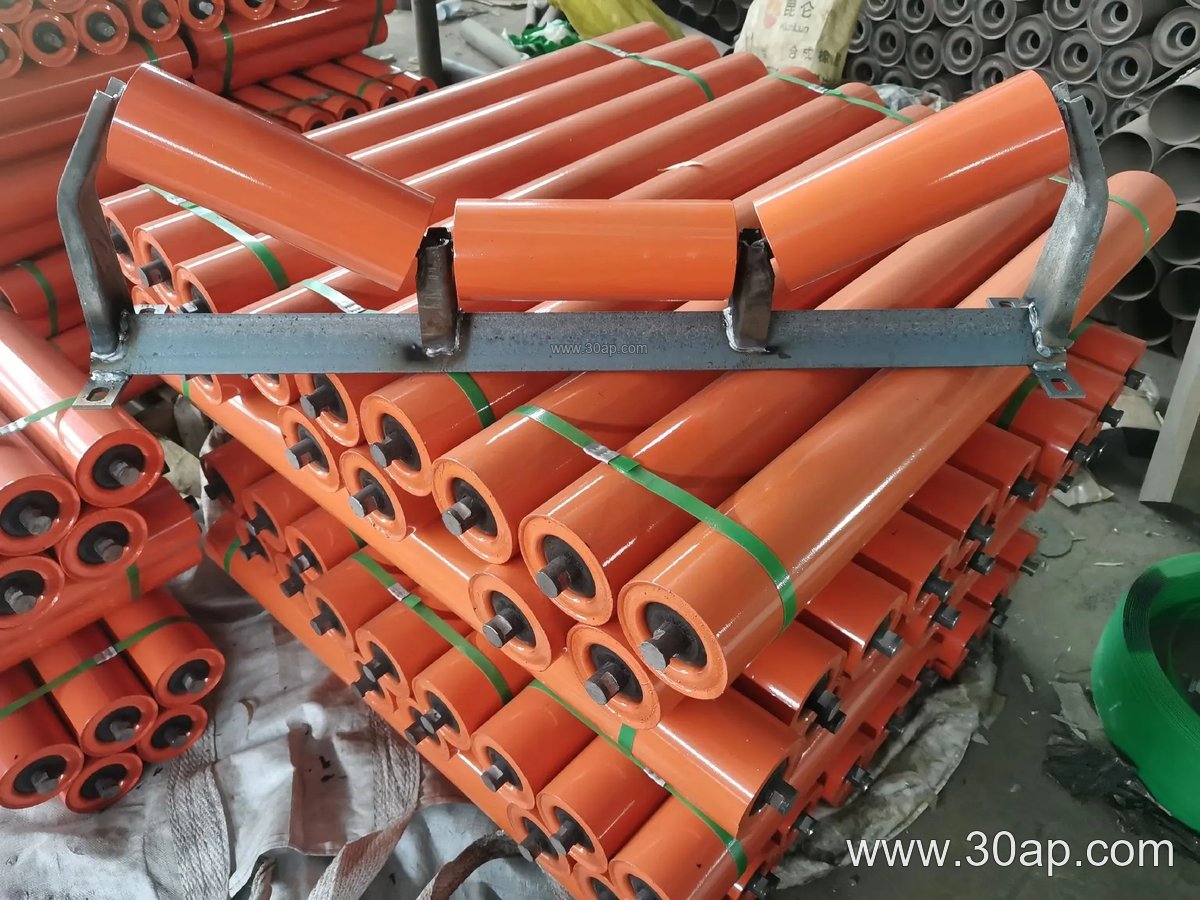
Construction and Common Surface Forms
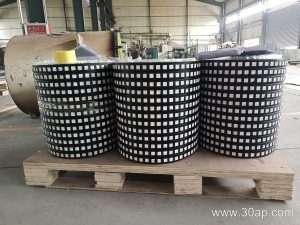
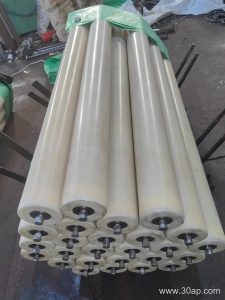
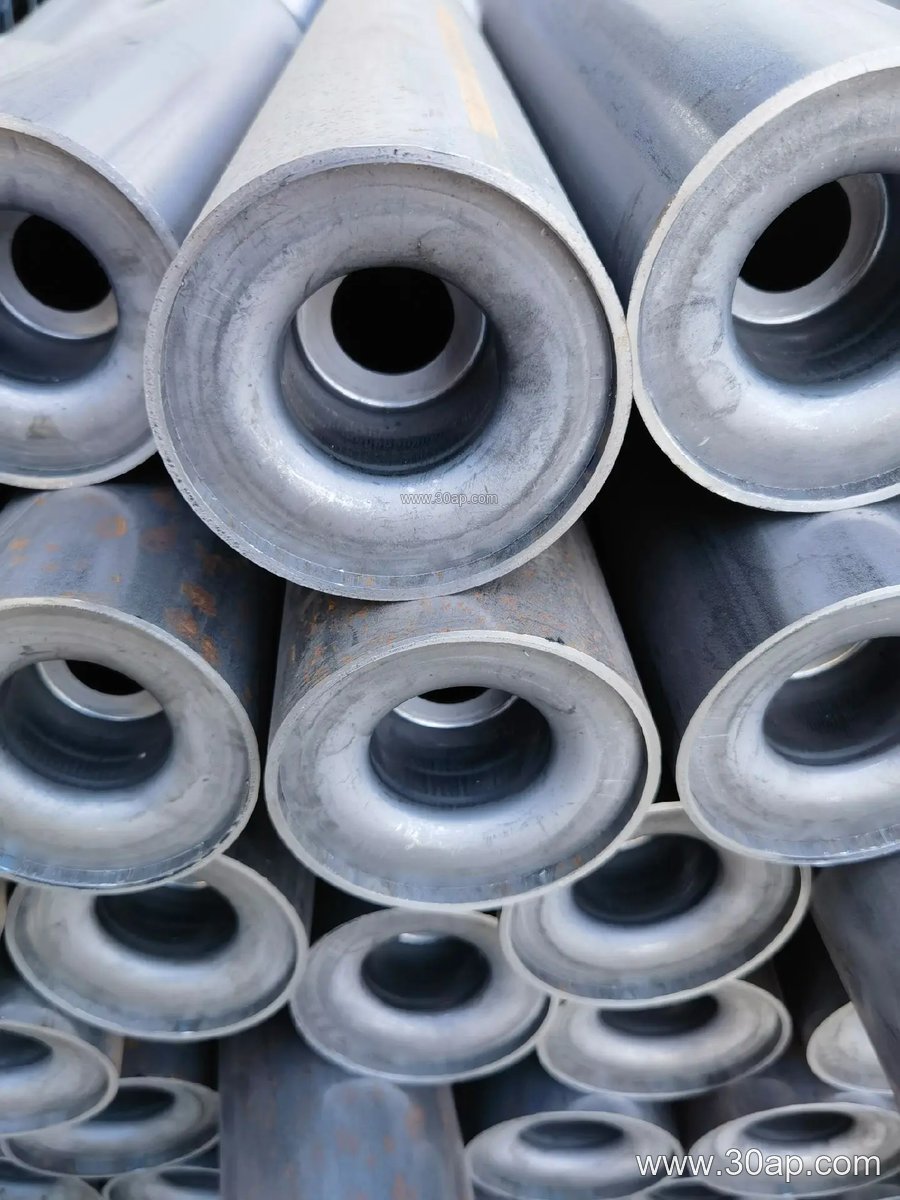
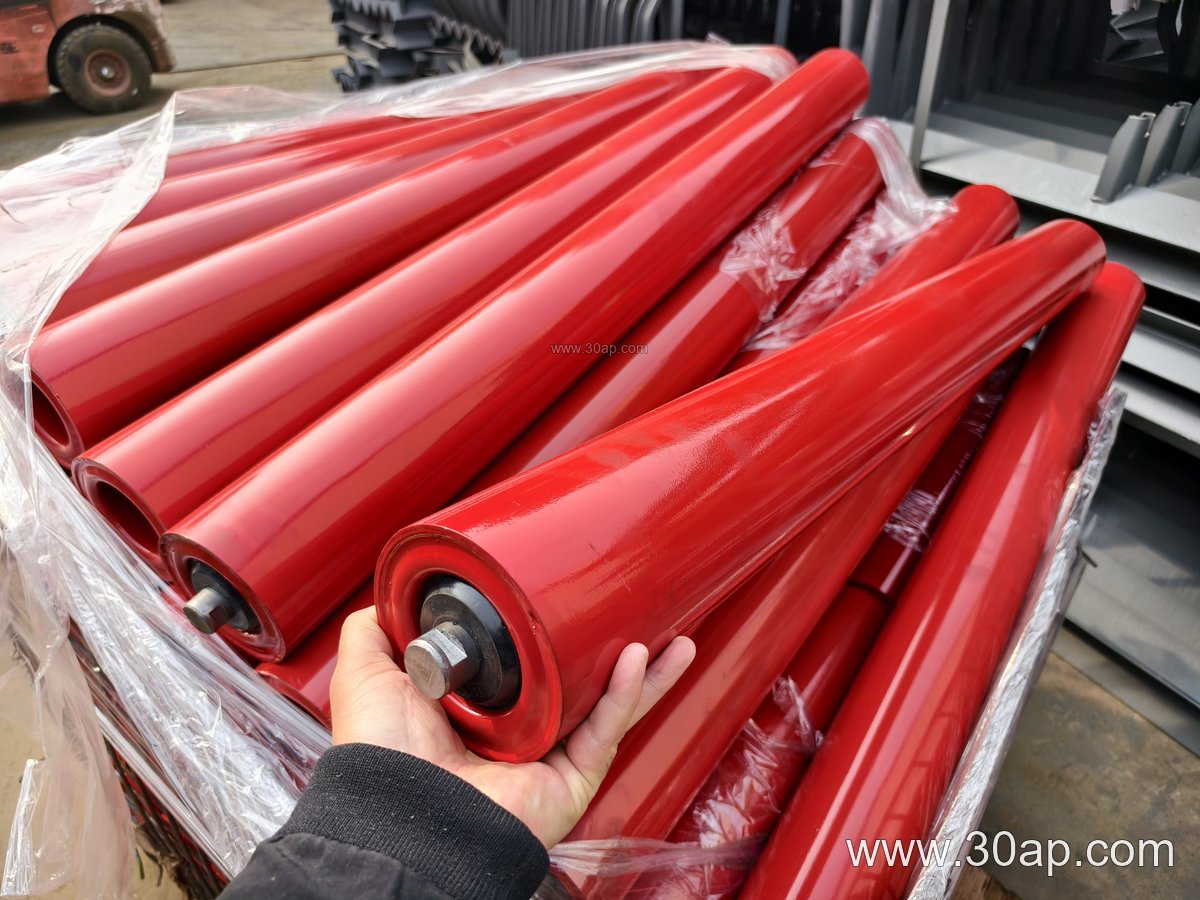
The basic idler roller includes a steel tube, bearing housings, a shaft, and seals. The roller surface may be plain steel, nylon, rubber rings, or ceramic, depending on the duty. Rubber disc impact idlers are often chosen under a crusher discharge or transfer point where lumps fall onto the belt. Spiral rollers can help with sticky material. For general carrying, a three-roll troughing set is common, while a single flat roll or V-return roll is used on the return side.
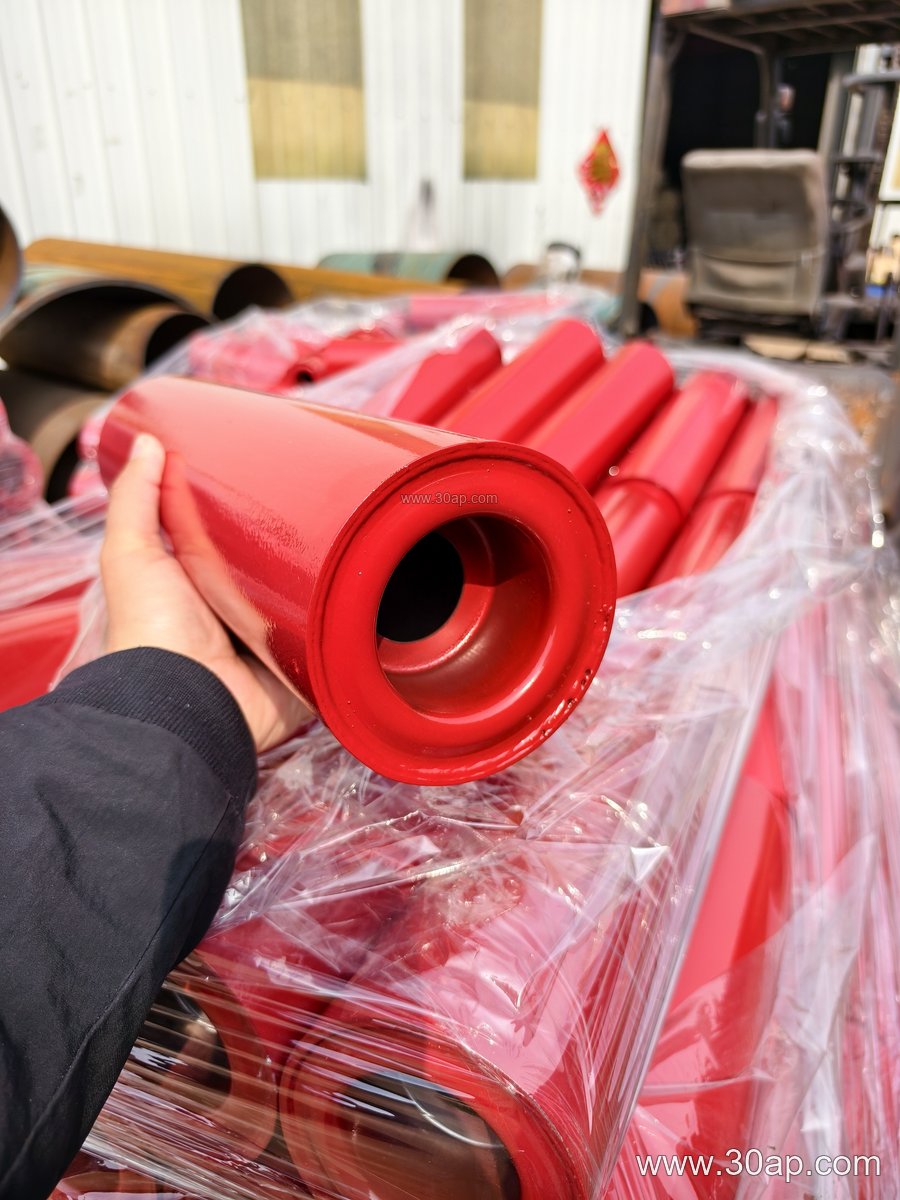
Typical roller diameters include Ø63, Ø76, Ø89, Ø102, Ø108, Ø127, Ø133, Ø159, Ø178, Ø194, and Ø219 mm. Bearings such as 6204, 6205, 6305, 6306, 6308, and 6310 appear in different sizes, but a given bearing number is not tied to one roller diameter. Roll length changes with belt width, trough angle, and roll position. For example, a three-roll troughing set may use side rolls around 200 mm on B500 and 250 mm on B650, while B800 often uses about 315 mm, B1000 about 380 mm, and B1200 about 465 mm. These are common reference values, not fixed rules for every conveyor.
Where It Fits in Material Handling
You will find surface belt conveyor idlers in limestone mines, iron ore plants, aggregate crushing and screening lines, cement kilns, and power station coal yards. In a sand and gravel pit, troughing idlers with a 20-degree or 30-degree trough angle may be enough for a wide belt. In a coal washing plant, a 35-degree or 45-degree trough can help contain the load and reduce spillage. Transition idlers are sometimes placed near the head or tail to guide the belt from flat to troughed shape without stressing the edges. Self-aligning idlers, including friction and tapered types, are used where the belt tends to wander. A comb idler may be considered where sticky material builds up on the return side.
Selection Points for Buyers
Start with the belt width and the load. A B800 belt does not automatically require one specific roller diameter; the design engineer matches the idler to belt tension, speed, material density, and lump size. Check the trough angle, roll length, shaft size, and bracket spacing together. For dusty or wet conditions, seal quality and bearing protection matter more than a cosmetic finish. If the application includes impact, choose a rubber disc or cushion idler rather than a standard steel roller. If the belt carries fine, wet material, a spiral or self-cleaning roll can reduce buildup.
| Item | Common reference |
|---|---|
| Roller diameter | Ø63 to Ø219 mm |
| Belt width | B400 to B2400 |
| Trough angle | 20, 30, 35, 45 degrees |
| Roll surface | Steel, nylon, rubber ring, ceramic |
| Bearing | 6204, 6205, 6305, 6306, 6308, 6310 |
Maintenance and Replacement Notes
Inspect idlers for seized bearings, worn tubes, and damaged seals. A noisy or hot roller should be replaced before it damages the conveyor belt. Keep spare rollers in the same diameter, length, and bearing type as the original set. When replacing a group, check the bracket alignment and ensure the rolls turn freely. Do not mix drive pulley, tail pulley, or bend pulley parts with a surface belt conveyor idler; they serve different functions. A simple record of roller position, diameter, and bearing number helps maintenance crews in a busy cement or mining operation.