What the PVG800 Conveyor Belt Is
The PVG800 conveyor belt is a solid-woven, PVC-impregnated belt built for tough bulk handling. In this product family, the PVG designation refers to a whole-belt construction with a synthetic fabric core fully impregnated and covered with PVC, and the 800 figure points to the belt’s longitudinal strength class. It is a common choice where a fabric-core belt must resist moisture, abrasion and flame risk at the same time. You will also see it called a PVG conveyor belt or a solid woven PVC belt; these are equivalent names for the same product, not different belt types.
Because the core is impregnated rather than layered with separate cover plies, the belt has good resistance to edge wear and to water ingress. That matters in wet, dusty and enclosed conveyor lines where a conventional multi-ply belt may delaminate over time.
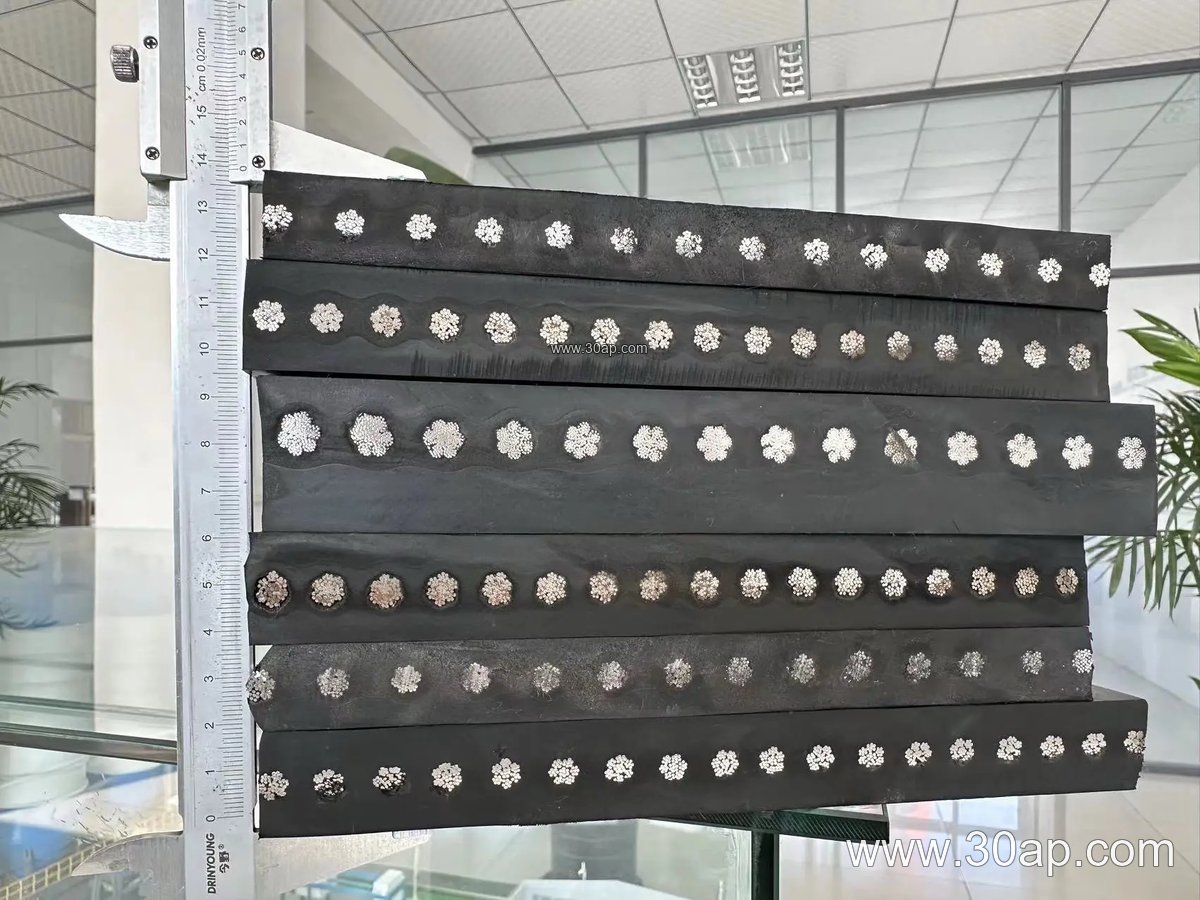
Construction and Naming
A PVG800 belt is normally built around a solid-woven fabric carcass that carries the tension load. PVC paste fills the weave and forms the top and bottom covers, which are then finished to the required surface. Buyers should read the full designation carefully: PVG800 and PVG800S are related but not identical, and the suffix usually signals a specific construction or cover variant from the manufacturer. Confirm the exact data sheet before ordering.
Core and cover details
- Solid-woven fabric core, fully impregnated with PVC
- PVC top and bottom covers, with thickness set by the application
- Strength class around 800 N/mm, usually stated as a nominal value
- Available in anti-static and flame retardant versions for underground work
Typical belt widths for this class include B650, B800, B1000 and B1200, with wider options on request. Cover thickness is often given in the form 4+2 mm or 5+2 mm, but the right figure depends on impact and abrasion conditions rather than on width alone.
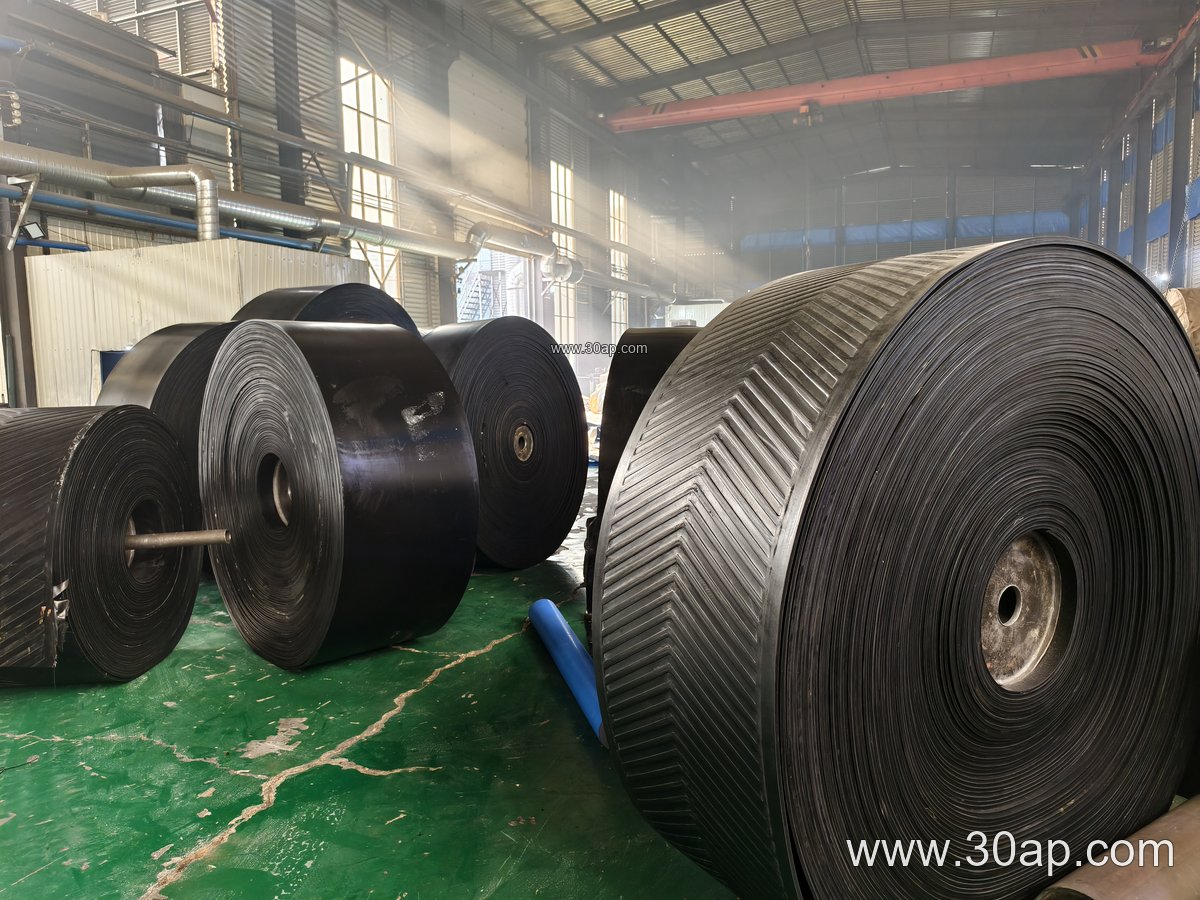
Where It Fits in a Conveyor
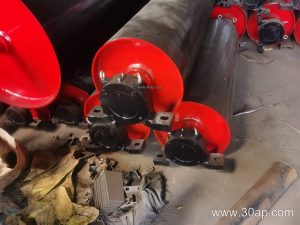
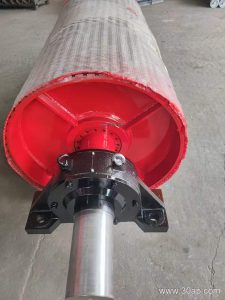
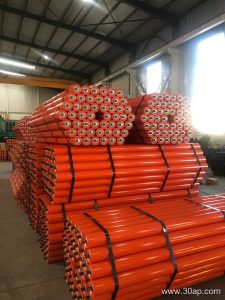
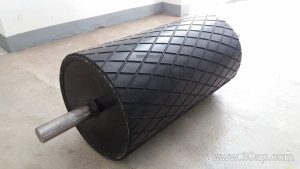
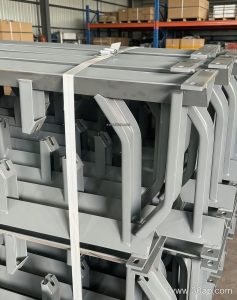
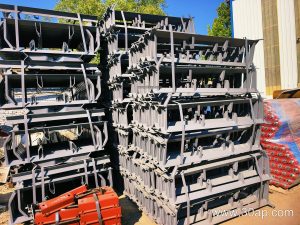
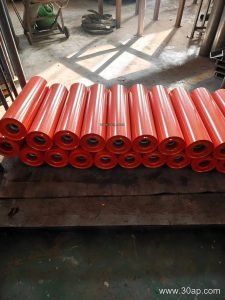
The belt runs over a head pulley, a tail pulley and bend pulleys, supported by idler rollers and held by conveyor brackets along the frame. Drive, tail and bend pulleys each do a different job and are not interchangeable, so the belt’s tension rating and cover friction should be checked against each pulley position. In coal mining, the belt is often specified as a flame retardant conveyor belt for underground coal mining conveyor lines. In a power plant or cement plant, the same construction may handle coal, clinker or limestone where a tough, moisture-resistant surface is wanted.
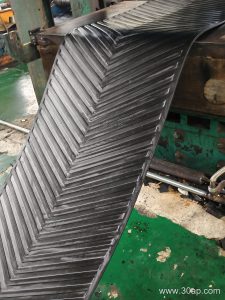
Other industries that use this class of belt include quarries and sand making plants, where a quarry conveyor belt or crusher conveyor belt must survive sharp rock; ports and ship loading terminals; and steel plants handling coke and sinter. For very long, high-tension routes, an EP conveyor belt or a steel cord conveyor belt may be the better fit, while a chevron conveyor belt or corrugated sidewall conveyor belt suits steep inclines. Those are comparisons, not replacements for the PVG800.
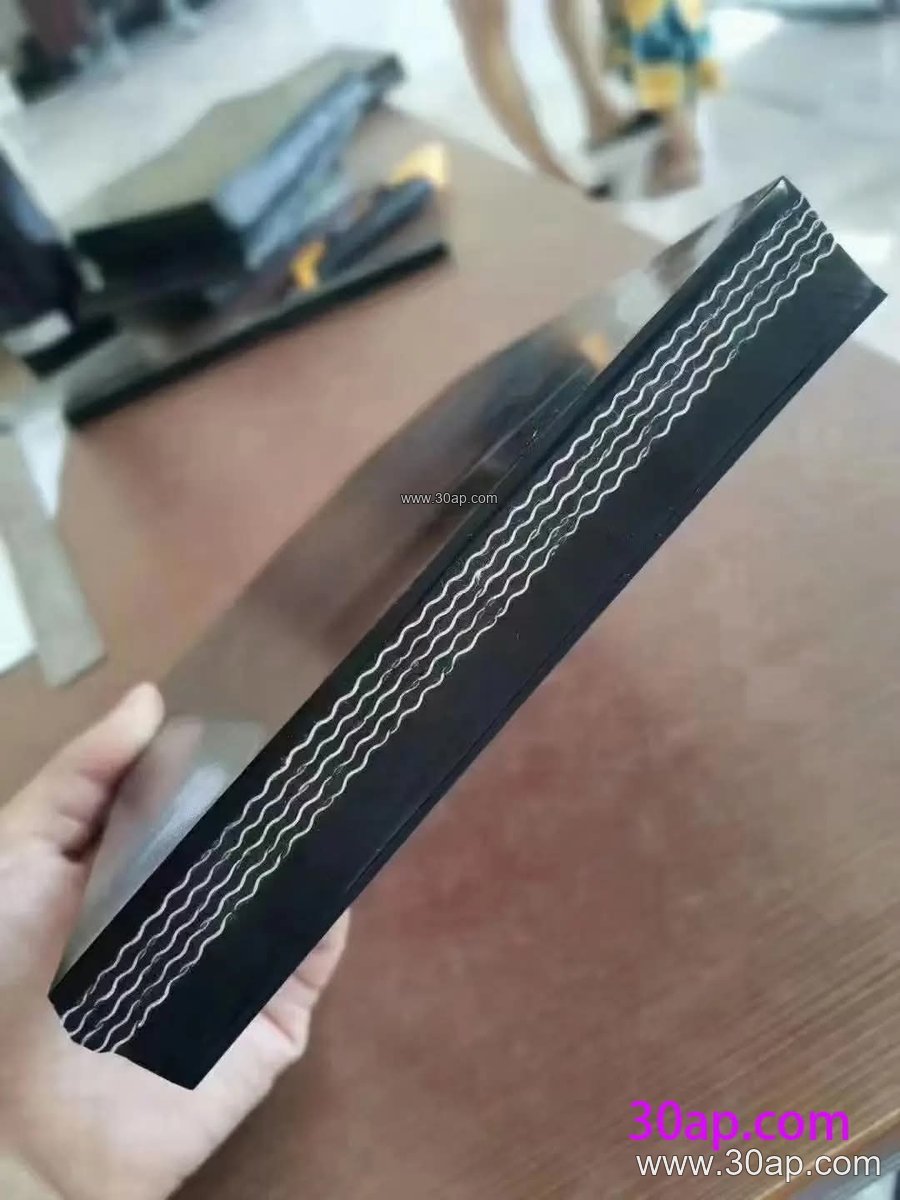
Sizes and Parameters to Confirm
The table below shows common reference values for this belt family. Treat them as a guide, not a fixed supply promise.
| Parameter | Common reference |
|---|---|
| Strength class | PVG800 (nominal 800 N/mm) |
| Belt width | B650, B800, B1000, B1200, B1400 |
| Cover thickness | 4+2 mm, 5+2 mm, 6+2 mm |
| Surface options | Plain, chevron, skirted |
| Special grades | Flame retardant, anti-static, abrasion resistant |
For a 1200mm wide conveyor belt or a 1000mm wide belt, the cover grade and pulley diameters should be matched to the load, not chosen from width alone. Ask the supplier for the full technical sheet, including mass per square metre, minimum pulley diameter and recommended splice method.
Buyer Checklist
- Confirm whether you need PVG800 or PVG800S, and request the data sheet for each.
- State the material, lump size, moisture level and temperature range.
- Specify flame retardant and anti-static requirements for underground coal use.
- Check compatibility with the head pulley, tail pulley, bend pulleys and idler rollers.
- Plan splicing and storage so the belt is not kinked or exposed to sunlight for long periods.
Regular inspection of the belt edges, covers and splice area, together with aligned idler rollers and pulleys, will extend service life more than any single specification choice. For more on conveyor belting, pulleys and rollers, visit www.example.com/pvg800-conveyor-belt.