What an Aggregate Conveyor Pulley Does
An aggregate conveyor pulley is the rotating drum that drives or guides the belt on a conveyor system handling crushed stone, sand, gravel, and similar bulk materials. In a sand and gravel plant, this pulley works alongside the conveyor belt, idler rollers, and conveyor brackets to keep material moving from the crusher to the screening deck and stockpiles. The pulley transfers motion to the belt through friction, and its design must handle constant abrasion, heavy loads, and often dusty conditions.
While the term covers several positions, the drive pulley (also called the head pulley) is the most common point of power transmission. Other positions include the tail pulley at the loading end, bend pulleys for redirecting the belt, and take-up pulleys for maintaining tension. Each position has distinct design requirements, and they are not interchangeable.
Construction and Materials
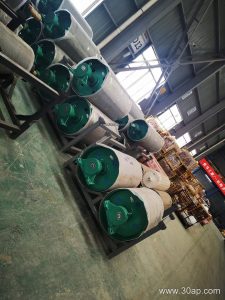
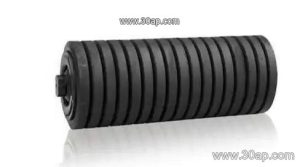
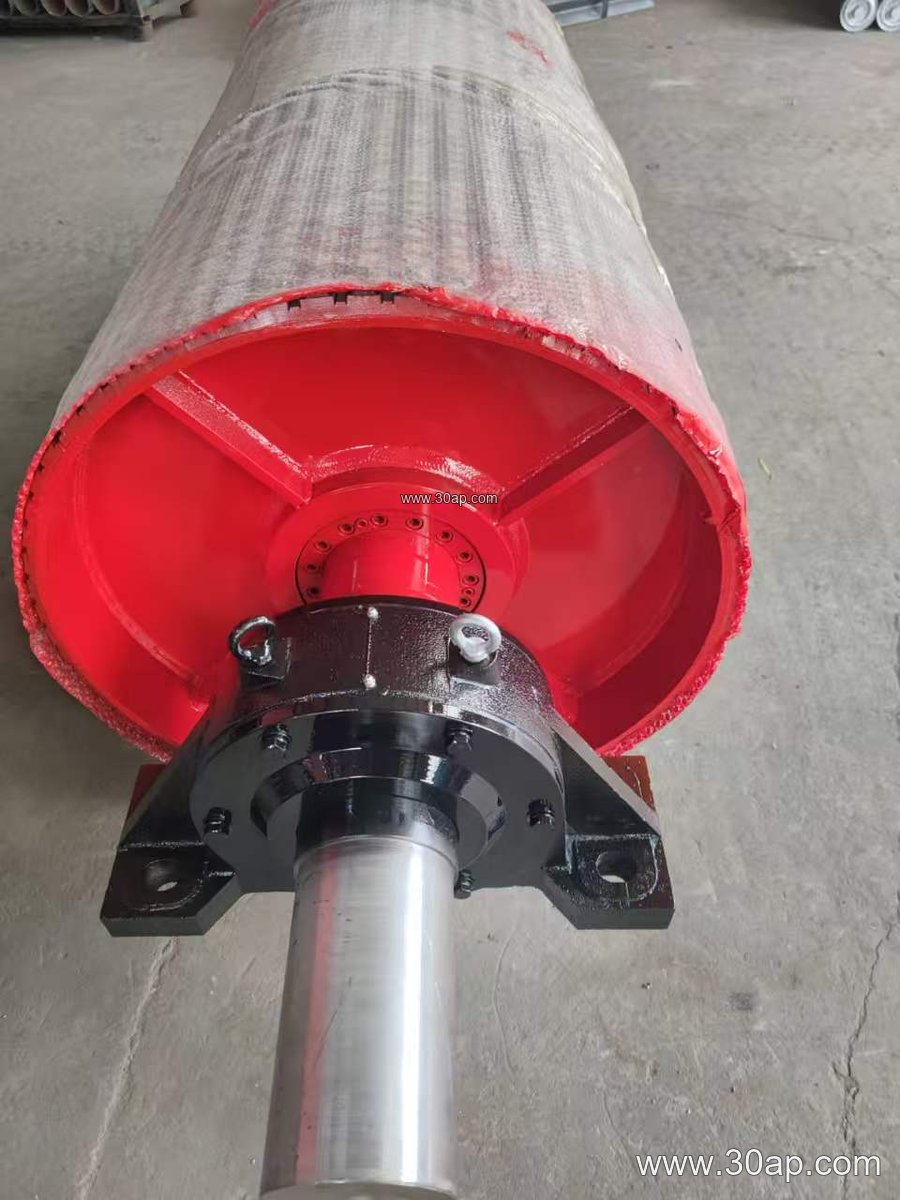
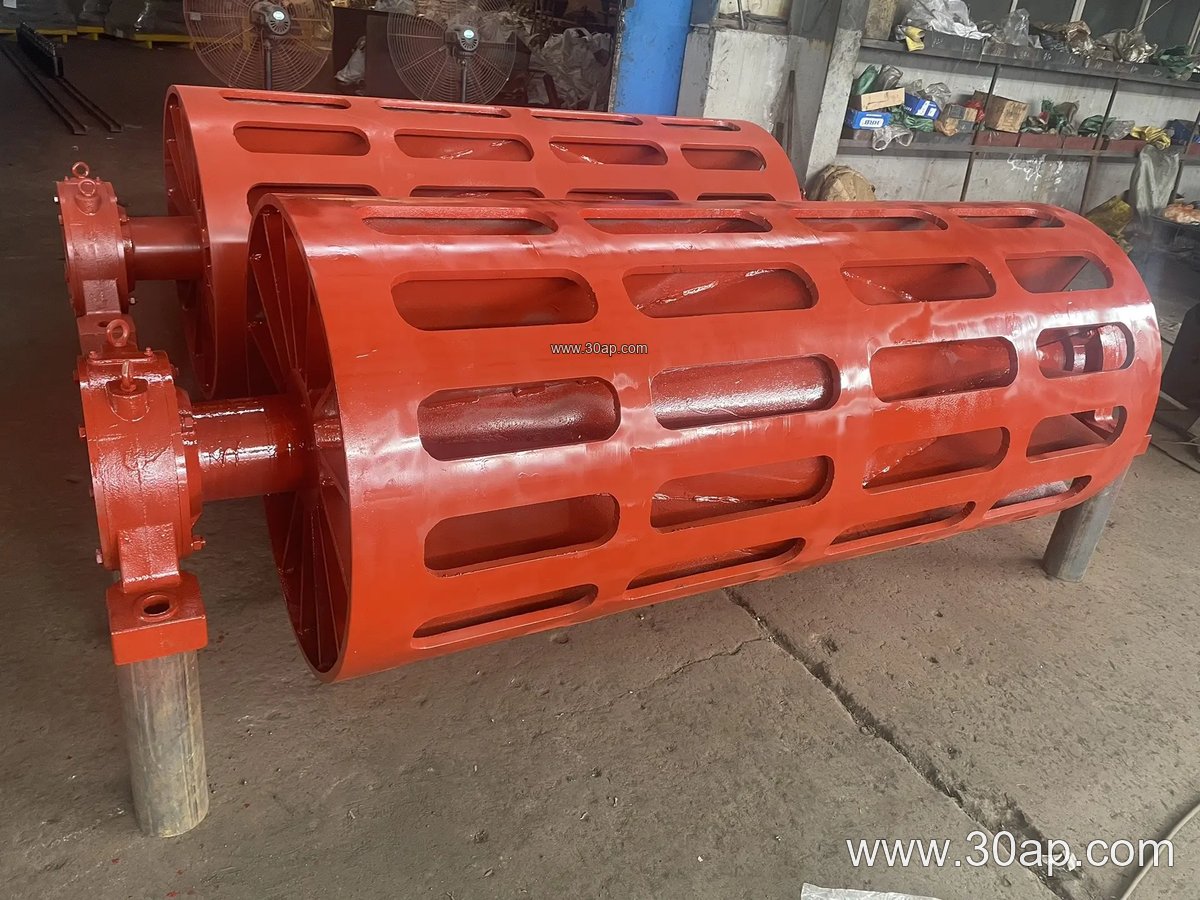
Most aggregate conveyor pulleys are built with a steel shell, welded end discs, and a shaft that runs through the center. The shell diameter and face width are matched to the belt width and the required belt speed. Common surface options include plain steel, rubber lagging, and ceramic lagging. Lagging improves grip and reduces belt slip, which is especially important on drive pulleys in wet or dusty aggregate operations.
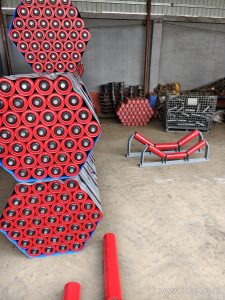
Bearing housings and locking assemblies connect the shaft to the conveyor frame. The pulley assembly must be balanced to avoid vibration at operating speeds. For abrasive aggregate duties, the shell is often protected with a wear-resistant coating or thicker lagging.
Where It Fits in Aggregate Handling
In a quarry or sand and gravel pit, the aggregate conveyor pulley works under continuous load. The belt carries rock and sand that may be sharp and heavy, so the pulley must resist abrasion and impact. A typical setup includes a primary crusher discharge conveyor, several transfer conveyors, and a final stockpile conveyor. The drive pulley on each conveyor is sized to the belt width and the power required to move the load.
In a concrete batch plant or asphalt plant, smaller conveyors often use pulleys with rubber lagging to maintain grip on short, steep runs. In a cement plant, the same principles apply, but the pulley may need extra protection against fine, abrasive dust.
Key Dimensions and How They Relate
Pulley dimensions are not arbitrary. The face width is usually slightly wider than the belt to allow for belt tracking. Common belt widths in aggregate operations include B500, B650, B800, B1000, and B1200. For example, a B800 belt typically uses a pulley face width of about 950 mm, while a B1000 belt may use about 1150 mm. These are common references, not fixed rules.
Pulley diameters commonly range from Ø200 mm for small conveyors up to Ø1250 mm or more for high-capacity main lines. The diameter affects belt life and the bending stress on the belt. A larger diameter reduces bending stress, which can be beneficial when using a thick, heavy-duty conveyor belt such as an EP200 or steel cord belt. The correct diameter is determined by belt construction, tension, and space constraints.
Shaft diameters commonly range from Ø50 mm to Ø200 mm, but the exact size must be calculated from torque and load. Do not assume that a given belt width dictates a specific shaft diameter.
| Belt Width | Typical Pulley Face Width | Common Diameter Range |
|---|---|---|
| B500 | ≈ 600 mm | Ø200–Ø400 mm |
| B650 | ≈ 750 mm | Ø250–Ø500 mm |
| B800 | ≈ 950 mm | Ø315–Ø630 mm |
| B1000 | ≈ 1150 mm | Ø400–Ø800 mm |
| B1200 | ≈ 1400 mm | Ø500–Ø1000 mm |
These values are for reference only. Always confirm with the conveyor design and the pulley manufacturer.
Lagging and Surface Choices
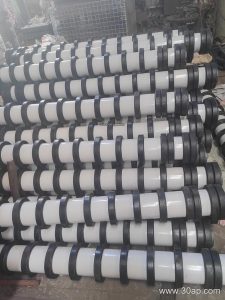
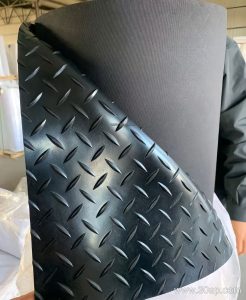
Surface treatment is a critical decision for an aggregate conveyor pulley. Plain steel is acceptable for some non-drive positions, but drive pulleys usually benefit from lagging. Rubber lagging (8–15 mm thick) provides good grip and some cushioning. Ceramic lagging offers higher abrasion resistance and is often used in wet or muddy conditions. Diamond and herringbone patterns can improve traction and shed material.
For a conveyor carrying abrasive aggregate, consider a pulley with cold-bonded or hot-vulcanized rubber lagging. The lagging thickness should be selected based on the duty and the belt tension. In dusty environments, plain lagging may wear faster, so ceramic or grooved lagging can be a better choice.
Buyer Checklist
- Confirm the belt width and the required pulley face width.
- Determine the pulley position (drive, tail, bend, take-up) and the load it will carry.
- Select a diameter that suits the belt construction and the available space.
- Choose a lagging type based on grip, abrasion, and environmental conditions.
- Verify shaft size and bearing capacity with the conveyor designer.
- Check that the pulley is balanced and that the lagging is properly bonded.
For more information on related components such as conveyor belts, idler rollers, and conveyor brackets, visit our site at www.example.com/conveyor-pulley. A well-matched aggregate conveyor pulley will reduce downtime and keep your material handling line running smoothly.