What a Copper Ore Conveyor Belt Has to Handle
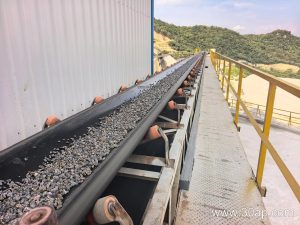
Copper ore arrives at the processing plant as a heavy, sharp-edged, and often damp bulk material. A Copper Ore Conveyor Belt therefore sits in one of the tougher positions on any materials handling line, carrying crushed rock from primary crushing toward stockpiles, grinding circuits, and loadout points. The belt must resist cutting and gouging from jagged fragments, keep a stable tracking path under variable load, and tolerate the dust and occasional moisture found in concentrator buildings. In many copper mines the same line may also see surges in tonnage, so the belt carcass and cover compound need a sensible margin of strength rather than a bare minimum rating.
Construction of the Belt
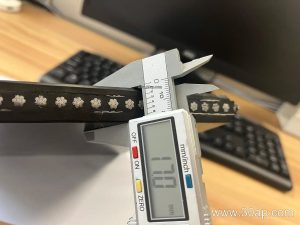
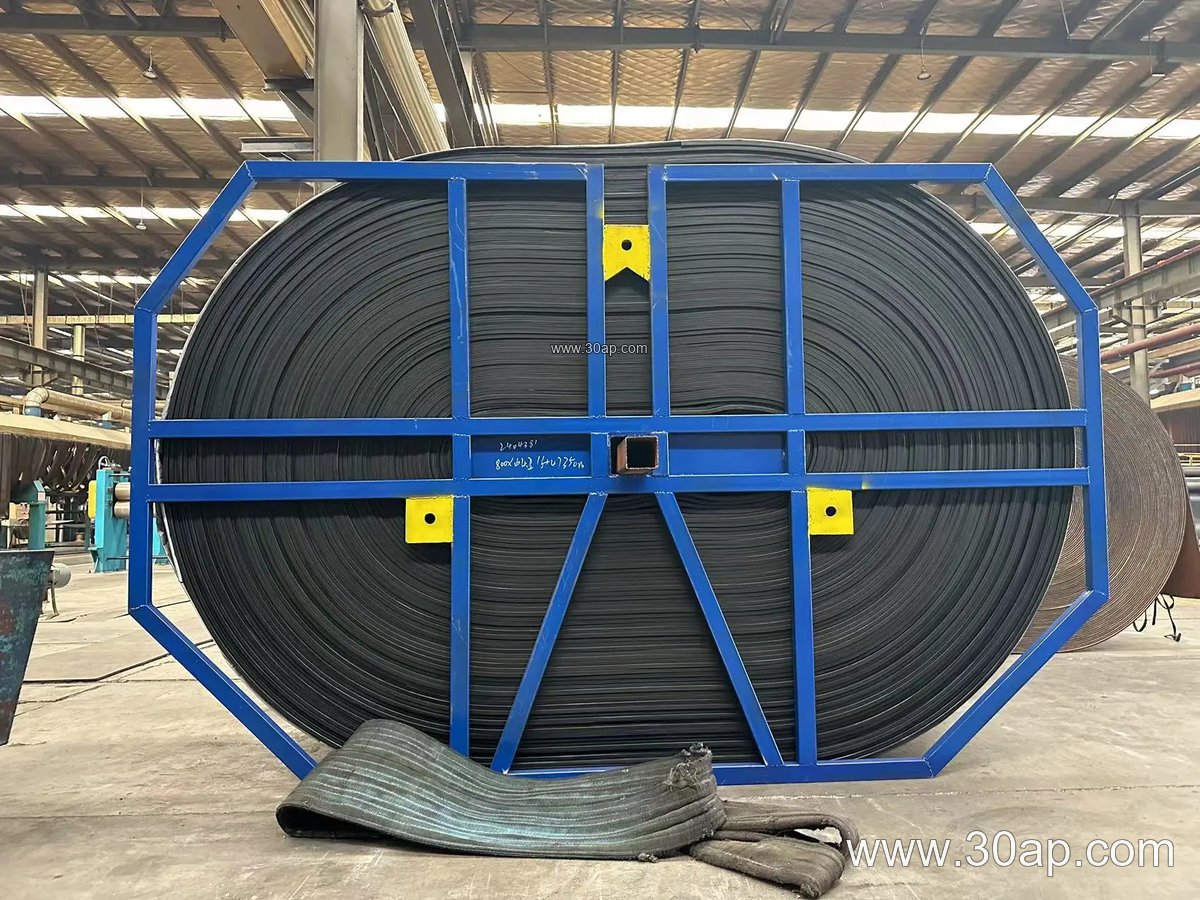
Most belts used for this duty are fabric-cored or steel-cord reinforced. A typical build combines a tension-bearing carcass, a top cover that meets the ore, and a thinner bottom cover that runs over the idler rollers. The carcass may be EP (polyester-cotton) or NN (nylon-nylon), with multi-ply construction common on wider, heavier lines. For long overland or high-lift conveyors, a steel cord carcass is often chosen because it limits elongation and reduces the number of splices. Cover compounds are usually selected for abrasion resistance, and a high abrasion resistant conveyor belt grade is a frequent choice where sharp copper ore strikes the surface at the loading point.
Common Belt Configurations
- EP fabric core, multi-ply, for medium-duty plant conveyors
- NN fabric core where higher flexibility and impact absorption are useful
- Steel cord construction for long distance and high tension
- Rip-resistant or cut-resistant covers at transfer chutes
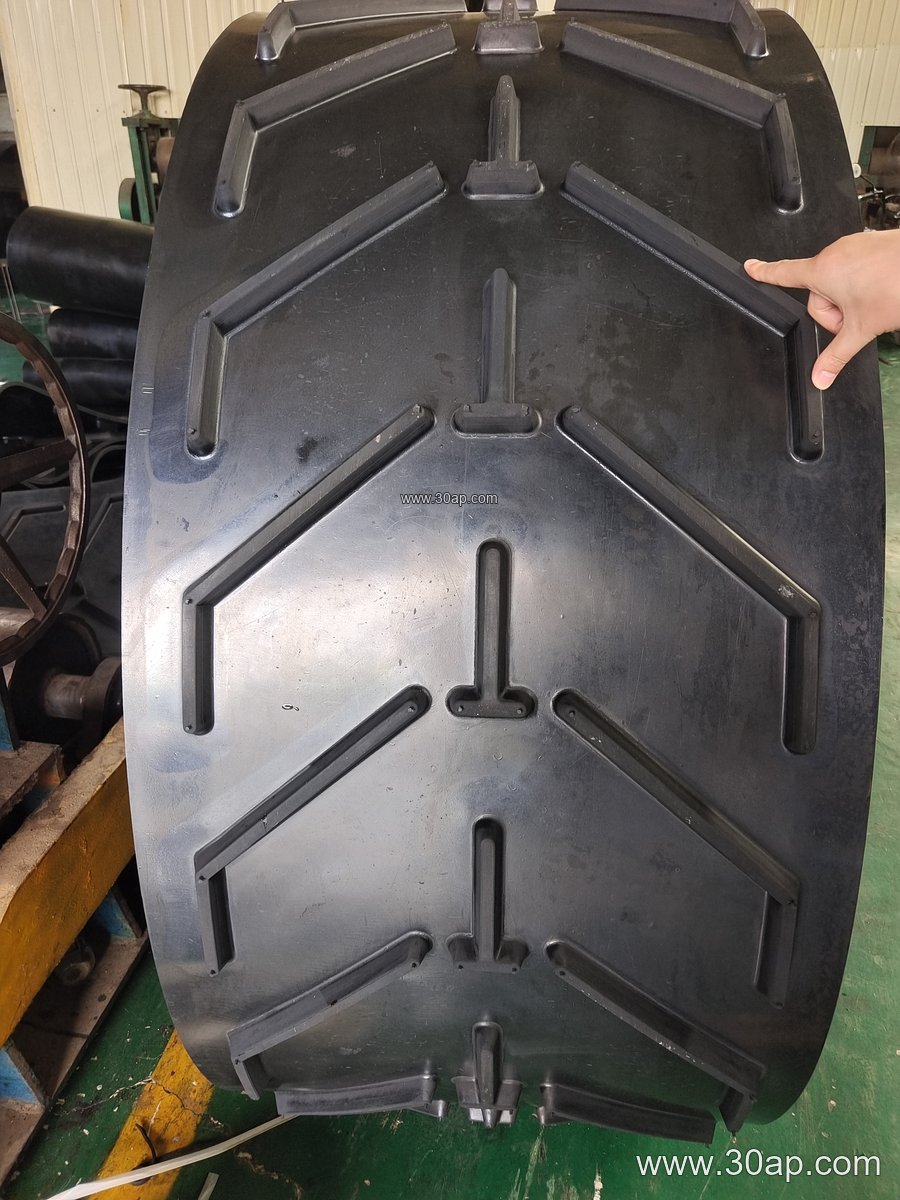
- Chevron or patterned top covers on inclined sections
Reference Dimensions and Strength Grades
The values below are common reference data only. Final selection depends on the conveyor design, the ore size distribution, the loading method, and the ambient conditions at site.
| Parameter | Reference Range |
|---|---|
| Belt width | B650, B800, B1000, B1200, B1400, B1600, B1800, B2000 |
| EP strength grades | EP200, EP315, EP400, EP500, EP630, EP800, EP1000, EP1250, EP1600 |
| Steel cord grades | ST1000, ST1250, ST1600, ST2000, ST2500 |
| Cover thickness (top + bottom) | 4+2 mm, 5+2 mm, 6+2 mm, 8+3 mm |
| Carcass plies | 2 to 6 plies, depending on duty |
A 1200mm wide belt with an EP1000 carcass is a realistic combination for a mid-size copper concentrator feed line, but it is not a universal answer. Wider lines such as 1400mm or 1600mm may be needed where tonnage is high, while narrow plant belts may stay at 800mm. Belt width and pulley diameter are separate design decisions and should not be tied to a single fixed pairing.
Where the Belt Is Used
Copper operations are not the only place this belt family appears. Similar heavy-duty mining conveyor belt designs serve iron ore, gold, and aggregate circuits, and the same abrasion resistant construction is found in quarry conveyor belt installations and crusher conveyor belt discharge lines. In cement plants and power plants, related belts handle clinker, limestone, and coal, while port conveyor belt systems use wide, high-tension belts for ship loading. The common thread is a bulk material conveyor belt that must survive sharp, dense, and abrasive cargo.
Matching the Belt to the Conveyor Hardware
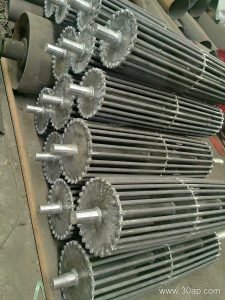
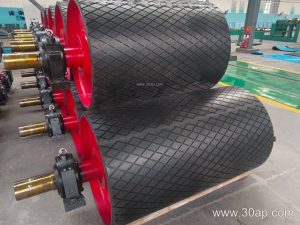
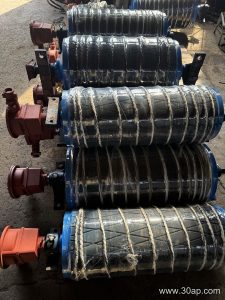
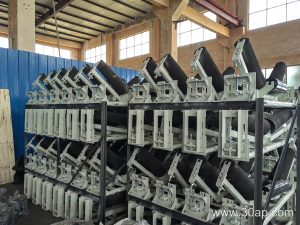
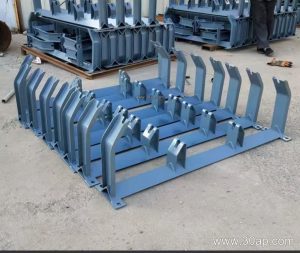
A belt performs only as well as the structure around it. The conveyor pulley at the head and tail sets the wrap and tension, while the drive pulley transmits the load. Idler roller spacing affects sag and belt life, and conveyor bracket condition influences alignment. When specifying a Copper Ore Conveyor Belt, confirm the pulley diameters, the troughing angle, the transition distance, and the loading chute geometry. A skirted conveyor belt or corrugated sidewall belt may suit steep or confined transfer points, but these are different constructions and should be evaluated as such rather than treated as direct swaps.
Buyer Checklist
- State the ore size range and maximum lump size at the loading point
- Confirm the required belt width and tension rating with the conveyor designer
- Choose a cover grade for abrasion, and add flame retardant or anti-static properties only where the site requires them
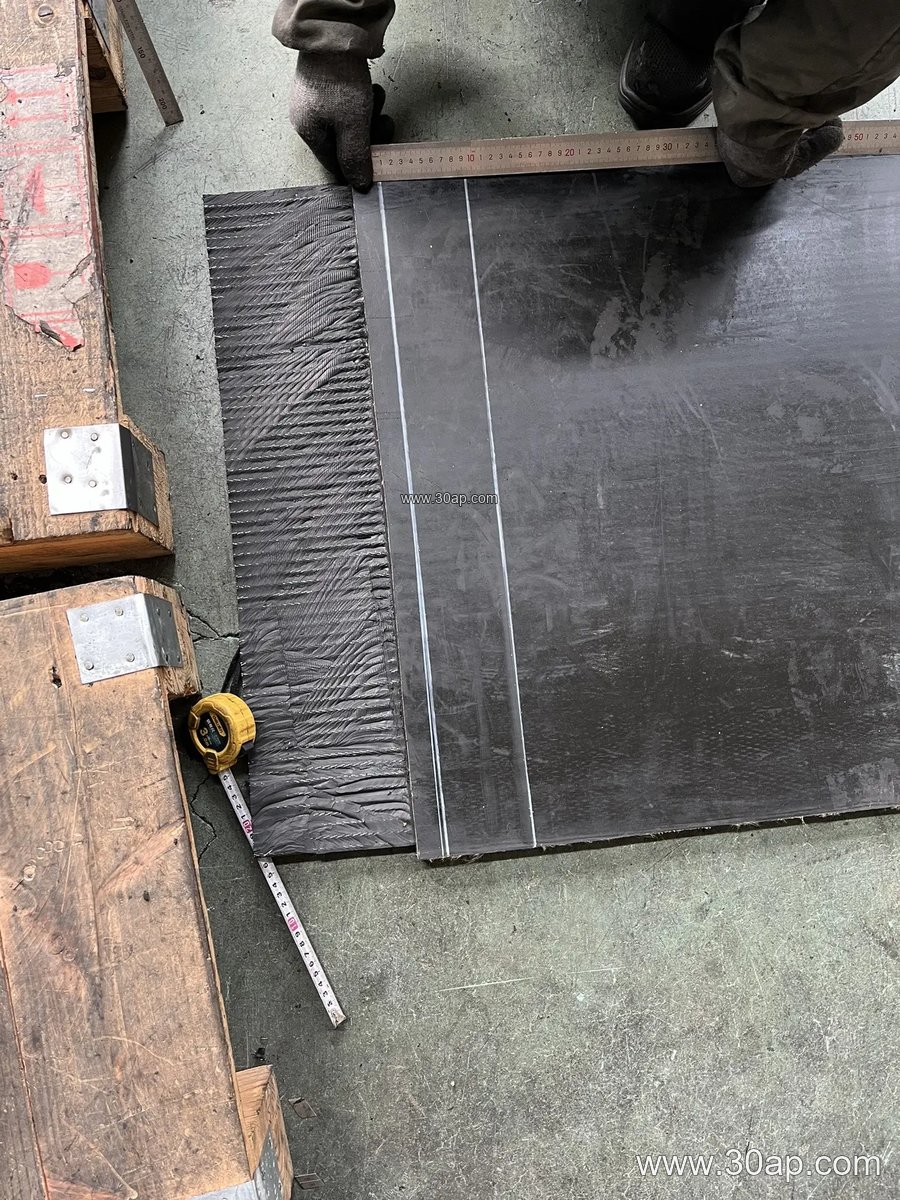
- Check splice method and whether an endless conveyor belt is preferred for the installation
- Review pulley and idler condition before fitting a new belt
- Plan inspection of covers, edges, and splices on a regular schedule
For buyers comparing suppliers, ask for the carcass construction, cover compound, and measured thickness rather than a single headline grade. For related hardware such as conveyor belt, idler roller, conveyor pulley, and conveyor bracket, keep the specifications aligned with the belt so the whole line works as one system.