What a Vertical Idler Bracket Does
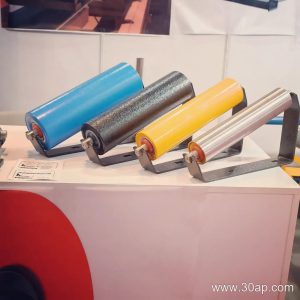
A Vertical Idler Bracket is the mounting component that holds an idler roller in a vertical or near-vertical orientation along a conveyor frame. Instead of carrying the belt from underneath like a conventional troughing set, this bracket positions the roller so the belt edge or a specific belt zone is guided at a steep angle. It is common where a conveyor changes direction in plan, where belt edges need side support, or where a compact frame layout leaves no room for a horizontal bracket. Buyers often meet it under the equivalent name vertical roller bracket, and both terms describe the same product. It should not be confused with a drive pulley, tail pulley or bend pulley, which are rotating drums rather than stationary mounting hardware.
Construction and Mounting Logic
The bracket is usually fabricated from angle steel, channel steel or folded steel plate, then drilled or slotted to suit the frame and the roller shaft. A vertical idler bracket typically consists of a base plate, an upright arm and a shaft seat, with the arm set at the angle required by the layout. Some designs are fixed; others are adjustable so the roller position can be tuned during alignment. Welded construction is common for heavy frames, while bolted versions simplify replacement in the field. Because the bracket carries side loads rather than the full belt weight, its section size follows the roller diameter and the expected side force, not belt width alone.
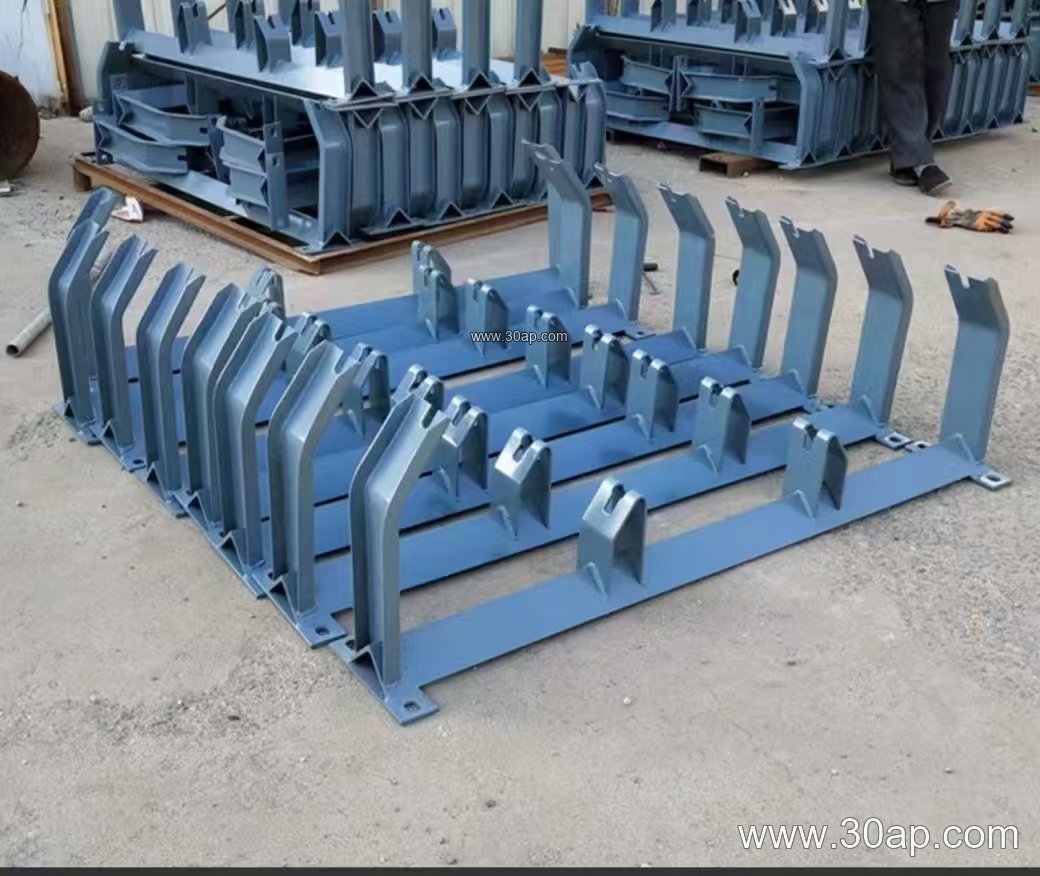
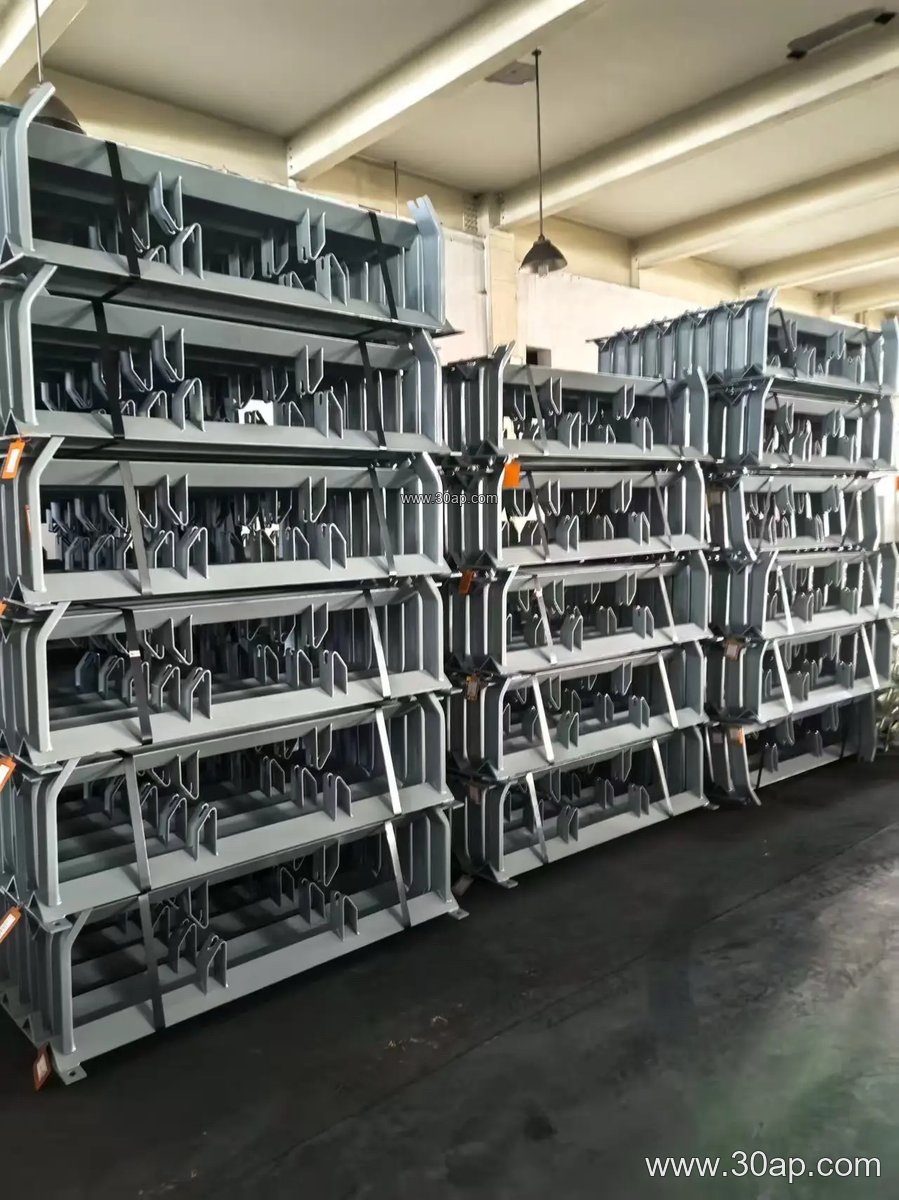
Common build references
The values below are reference points for discussion, not fixed supply promises. Actual hole spacing and beam length are determined by belt width, trough angle and frame design.
- Materials: angle steel, channel steel, folded steel plate
- Belt width range often discussed: B500 to B2200
- Roller diameters commonly paired: Ø89, Ø108, Ø133, Ø159, Ø194
- Trough angles for related troughing brackets: 20, 30, 35 and 45 degrees
- Forward tilt on some guiding brackets: about 1.5 to 2 degrees
Where It Fits in a Conveyor System
Vertical idler brackets appear in quarry and aggregate lines where a conveyor must hug a tight structure, in coal preparation plants where belt edges need steady guidance, and in cement plants where dusty conditions demand simple, serviceable hardware. They are also used in tunnel spoil handling and in port ship-loading frames where space is limited. In these settings the bracket works alongside the conveyor belt, the idler roller and the conveyor pulley, but its job is positional: it keeps the roller where the belt needs it. A skirted conveyor belt or a corrugated sidewall conveyor belt may need extra edge control, and a vertical bracket can help there, while a pipe conveyor belt uses a different support concept altogether.
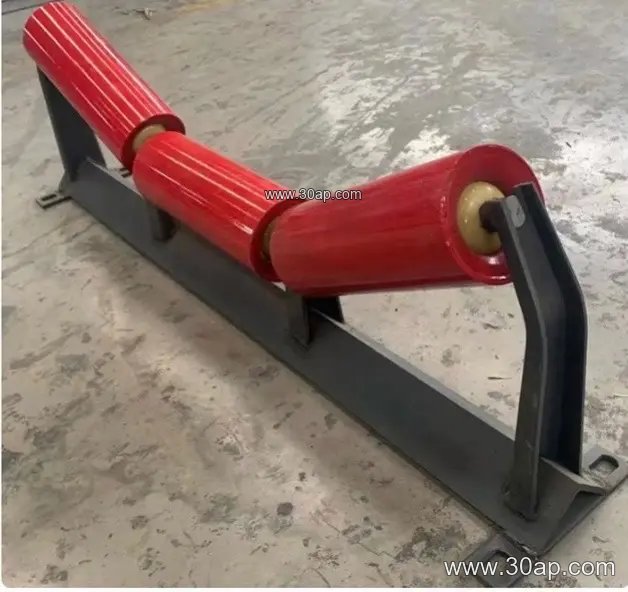
Selecting the Right Bracket
Start with the frame drawing, not with a catalogue number. Confirm the belt width, the roller diameter and the angle at which the roller must sit. Check whether the bracket is fixed or adjustable, because an adjustable vertical idler bracket costs more but simplifies field alignment. Verify the shaft seat size against the actual idler roller end, and confirm that the mounting holes match the frame pitch. For abrasive duty such as iron ore or copper ore handling, thicker plate and galvanized or painted finish are worth discussing. In coal mining conveyor applications, flame retardant conveyor belt and anti-static conveyor belt are separate belt choices; they do not change the bracket, but they may affect the surrounding safety plan. A heavy-duty mining conveyor belt running at high tension may call for a stiffer bracket, while a lightweight food grade conveyor belt line usually needs only a compact unit.
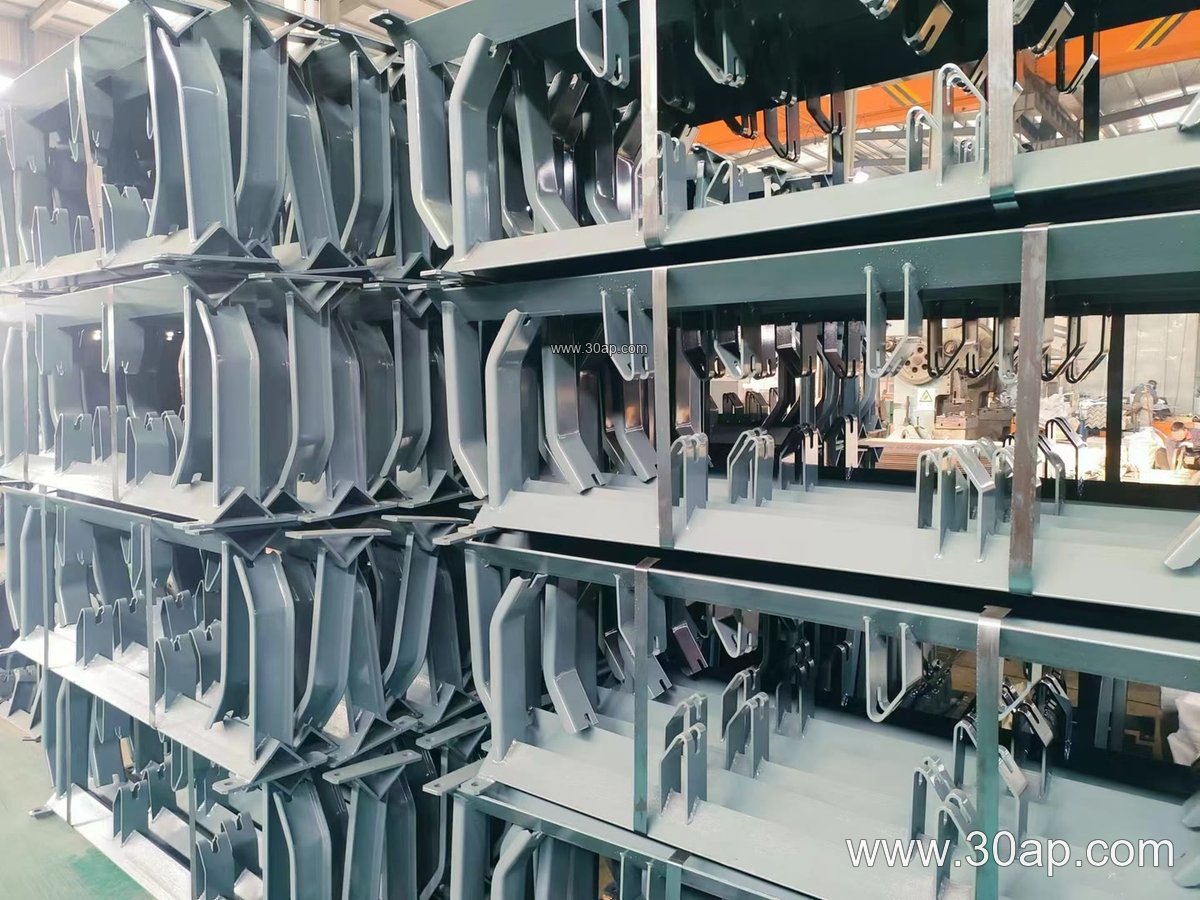
Comparison with neighbouring bracket types
A troughing bracket carries the loaded belt on three rollers and sets the trough angle; a V-return bracket supports the empty belt on the return side; a vertical idler bracket does neither. It is a side-positioning device. Likewise, a bend pulley redirects belt path through a drum, while this bracket only holds a roller. Keeping these roles separate avoids ordering the wrong part.
Installation and Maintenance Notes
Align the bracket square to the frame before tightening. A bracket set slightly out of line will push the belt sideways and wear the edge. Check bolt torque after the first few days of running, since vibration loosens new joints. Inspect the shaft seat for elongation and the arm for cracks, especially in crusher and screen discharge areas where impact is constant. Replace worn rollers promptly, because a seized idler roller transfers load into the bracket and can bend the arm. Keep a small stock of the most-used sizes so a damaged unit does not stop the line.
For matching belts, rollers and drums, buyers can review options at conveyorbeltmfg.com and idlerbracketpro.com before finalizing frame drawings.