What a Heat Resistant Conveyor Belt Is
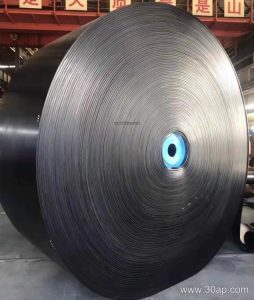
A heat resistant conveyor belt is a rubber conveyor belt built to carry hot bulk materials without the cover compound breaking down too quickly. It is the same product family often simply called a high temperature conveyor belt, and it differs from a standard Rubber Conveyor Belt mainly in its cover compound and, in some designs, its carcass and interlayer rubber. In cement plants, steel plants, power plants and sinter lines, material leaving a kiln, cooler or furnace can still be well above ambient temperature when it reaches the belt. Ordinary covers may harden, crack or soften under that load, while a properly specified heat resistant belt is formulated to resist thermal ageing and cover hardening.
How the Belt Is Built
Most heat resistant belts use a fabric core carcass, typically an EP Conveyor Belt or NN Conveyor Belt construction with two to six plies, depending on the duty. For very high tension and long center distances, a Steel Cord Conveyor Belt carcass may be used, though heat resistance then depends heavily on the rubber compounds surrounding the cords. The cover is the critical layer. Common cover grades are designed for different temperature bands, and thickness is usually expressed as top plus bottom cover, for example 4+2 mm, 6+2 mm or 8+3 mm.
Build features that matter in hot service include:
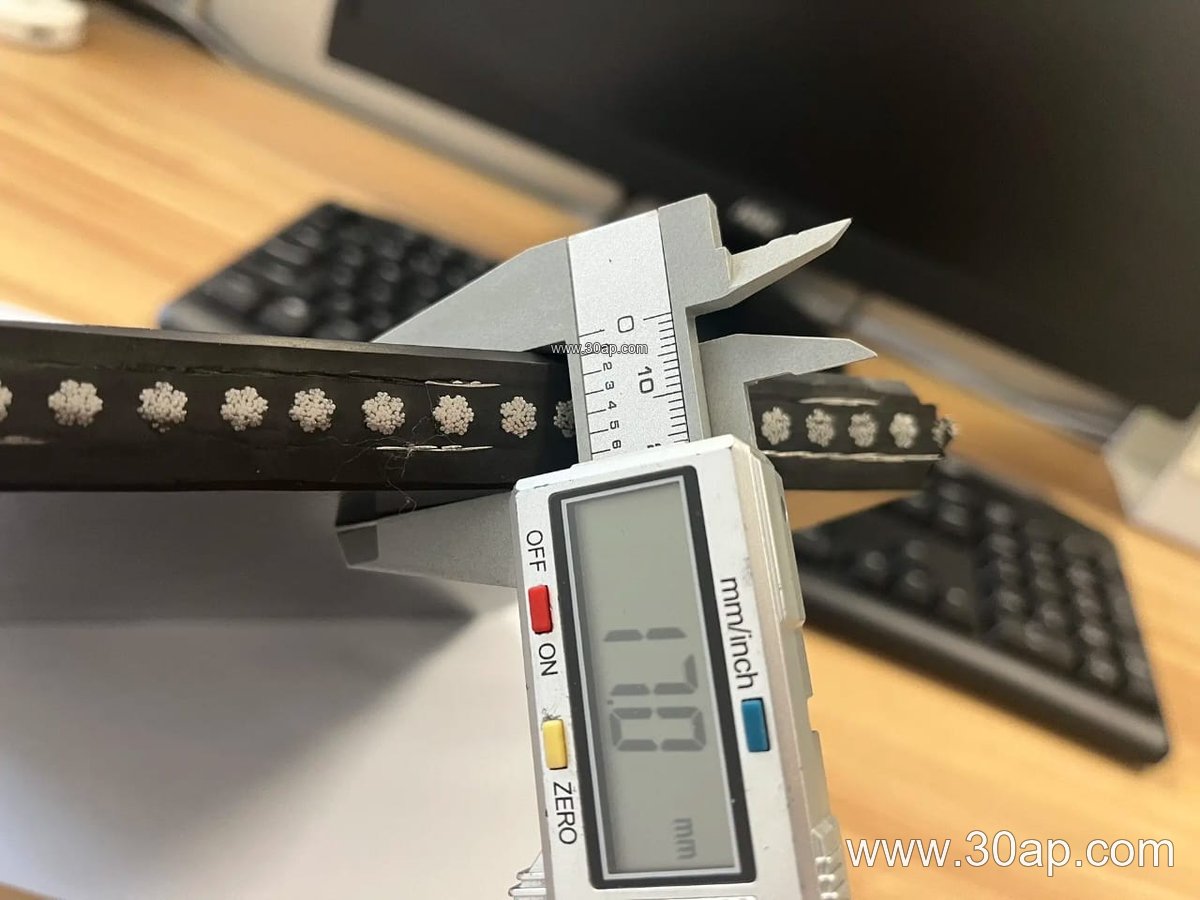
- Heat-resistant top cover compound that resists hardening and cracking
- Heat-stabilised skim rubber between plies to protect the carcass
- Edge construction that limits wicking of heat and moisture
- Optional breaker fabric or special interlayer where impact and heat occur together
For comparison, an Abrasion Resistant Conveyor Belt focuses on wear from sharp, cold material, while a Heat Resistant Conveyor Belt focuses on thermal ageing. Where hot material is also abrasive, the two requirements must be balanced in the compound and cover thickness.
Where It Is Used
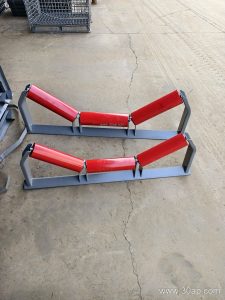
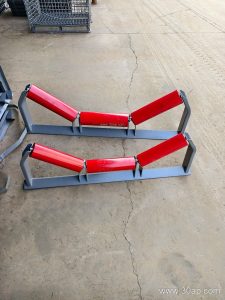
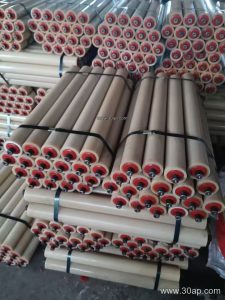
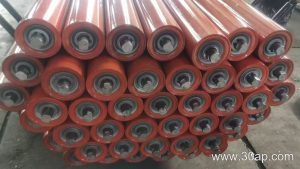
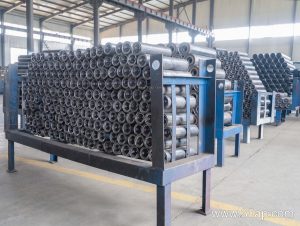
Typical duties include cement clinker, sinter, coke, foundry sand, ash and hot aggregates. A Cement Conveyor Belt handling clinker from a cooler, a Power Plant Conveyor Belt moving hot ash, or a Steel Plant Conveyor Belt carrying sinter are all common applications. In mining and quarrying, hot material appears less often, but a Mining Conveyor Belt on a sinter or pellet line may still need heat resistance. The belt usually runs on a conventional conveyor frame with idler rollers, a head conveyor pulley and a tail conveyor pulley; these components are not interchangeable, and the belt specification should match the actual pulley diameters and trough angles in the design.
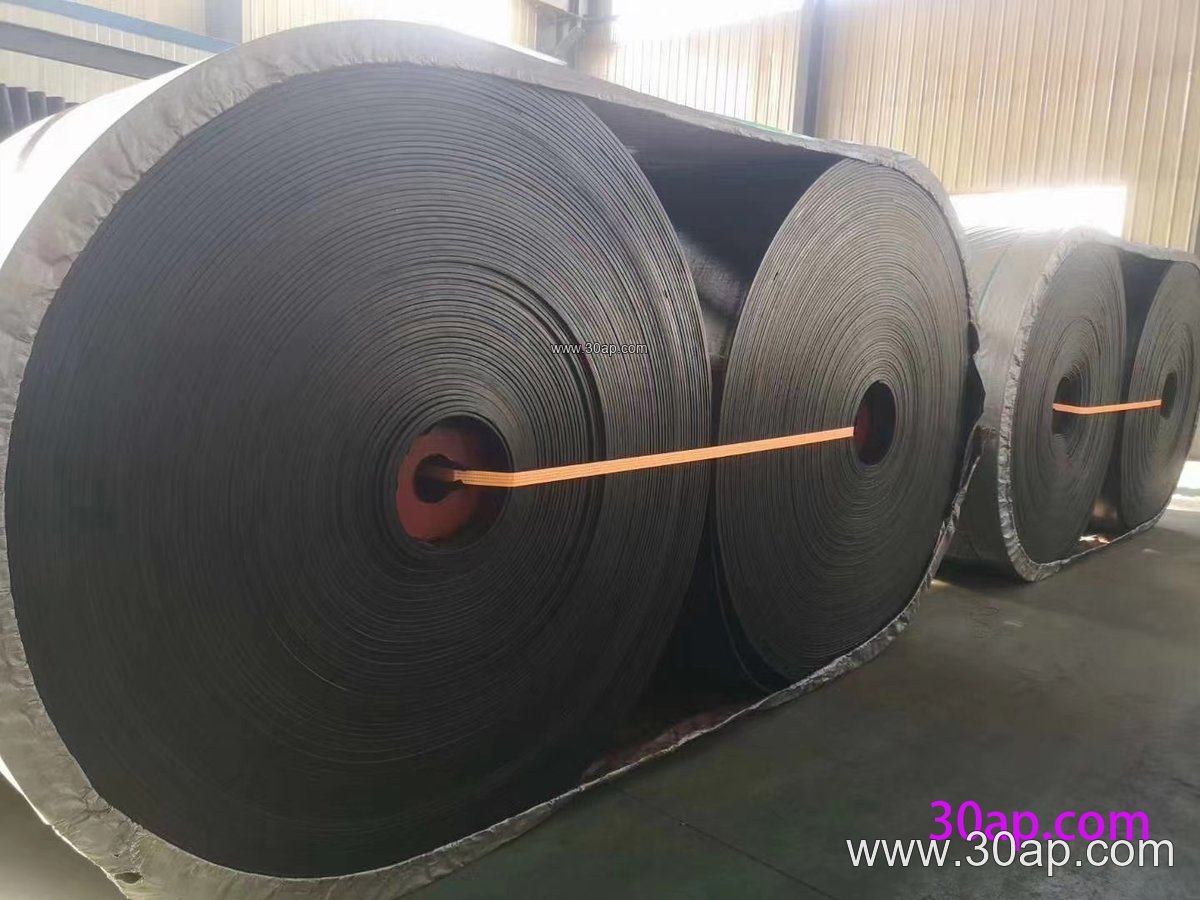
On inclined hot-material lines, a Chevron Conveyor Belt or Corrugated Sidewall Conveyor Belt may be considered when material must be held on the incline, but the heat rating of the cleat or sidewall rubber must be confirmed separately. Where the route curves tightly, a Pipe Conveyor Belt can enclose the load, again with a heat-rated compound.
Reference Dimensions and Strengths
The table below gives common reference data only; actual values are set by the conveyor design and by the manufacturer.
| Parameter | Common reference values |
|---|---|
| Belt width | B500, B650, B800, B1000, B1200, B1400, B1600, B1800 |
| Fabric core strength grades | EP200, EP315, EP400, EP500, EP630, EP800, EP1000, EP1250, EP1600 |
| Cover thickness (top + bottom) | 3+1.5 mm, 4+2 mm, 5+2 mm, 6+2 mm, 8+3 mm |
| Carcass plies | 2 to 6 plies, typical |
| Steel cord grades, when used | ST1000, ST1250, ST1600, ST2000, ST2500 |
A wide belt such as a 1200mm Wide Conveyor Belt or 1500mm Wide Conveyor Belt is common on high-capacity clinker and sinter lines. Strength grade and width are independent choices; a 1000mm belt is not tied to one pulley diameter, and shaft sizing must come from the conveyor design, not from belt width alone.
What Buyers Should Check
Start with the real material temperature at the point of loading, not the furnace temperature. Then confirm whether the heat is continuous or intermittent, because a short hot surge and a steady hot load call for different compounds. Check the belt speed and the time the belt spends under the hot load. Ask for the cover grade, cover thickness, carcass type and ply count in writing, and confirm the pulley diameters and trough angle so the belt can flex without cracking. On long hot lines, an Endless Conveyor Belt made to length avoids a mechanical splice that may be a weak point.
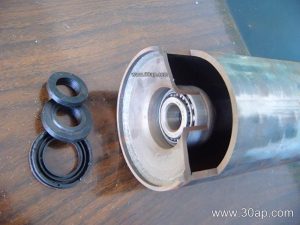
Maintenance matters as much as specification. Inspect the cover for hardening, edge cracking and exposed fabric, and check that idler rollers turn freely so local hot spots do not develop. Keep the conveyor pulley lagging and brackets in good order, since a misaligned frame adds edge wear on top of thermal stress. For a full range of belts and conveyor components, see the product pages at www.example.com/Heat-Resistant-Conveyor-Belt and www.example.com/conveyor-belt for related guidance.
Finally, do not treat heat resistance as a substitute for flame resistance. In underground coal service, a Flame Retardant Conveyor Belt or Fire Resistant Conveyor Belt with a heat-rated compound may be needed, and the two properties should be specified together rather than assumed.