What a Pipe Conveyor Belt Is
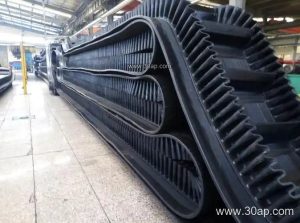
A Pipe Conveyor Belt is a specialized conveyor belt that transitions from a flat shape at the loading point into a closed tube along the carrying run, then opens again at the discharge end. This pipe conveyor belt design encloses the material completely, which helps control dust, protect cargo from rain and wind, and reduce spillage in industries such as mining, coal, cement, power plants, and sand and gravel yards. The same product is also described as a tubular conveyor belt, and both names refer to the same enclosed belt system.
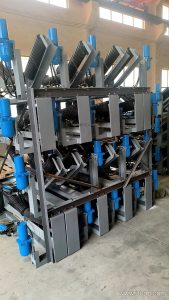
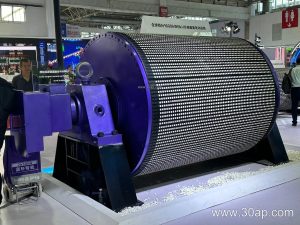
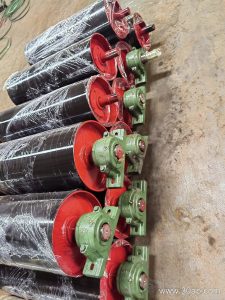
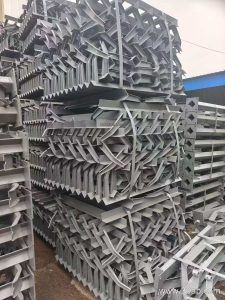
Unlike a conventional troughed conveyor belt, the pipe conveyor belt relies on a series of idler roller frames arranged in a hexagonal or polygonal pattern to roll the belt into a stable tube. The conveyor pulley at the head drives the belt, while the tail pulley and bend pulleys guide the return and transition sections. These pulley roles are distinct and should not be confused when specifying or maintaining a system.
Construction and Belt Build
The belt body typically combines a fabric or steel cord carcass with rubber covers. Common carcass options include EP conveyor belt constructions, NN conveyor belt grades, and steel cord conveyor belt designs for long-distance or high-tension duties. Cover compounds can be selected for abrasion resistance, heat resistance, oil resistance, flame retardancy, or anti-static performance depending on the material being conveyed.
Common reference values for pipe conveyor belts include:
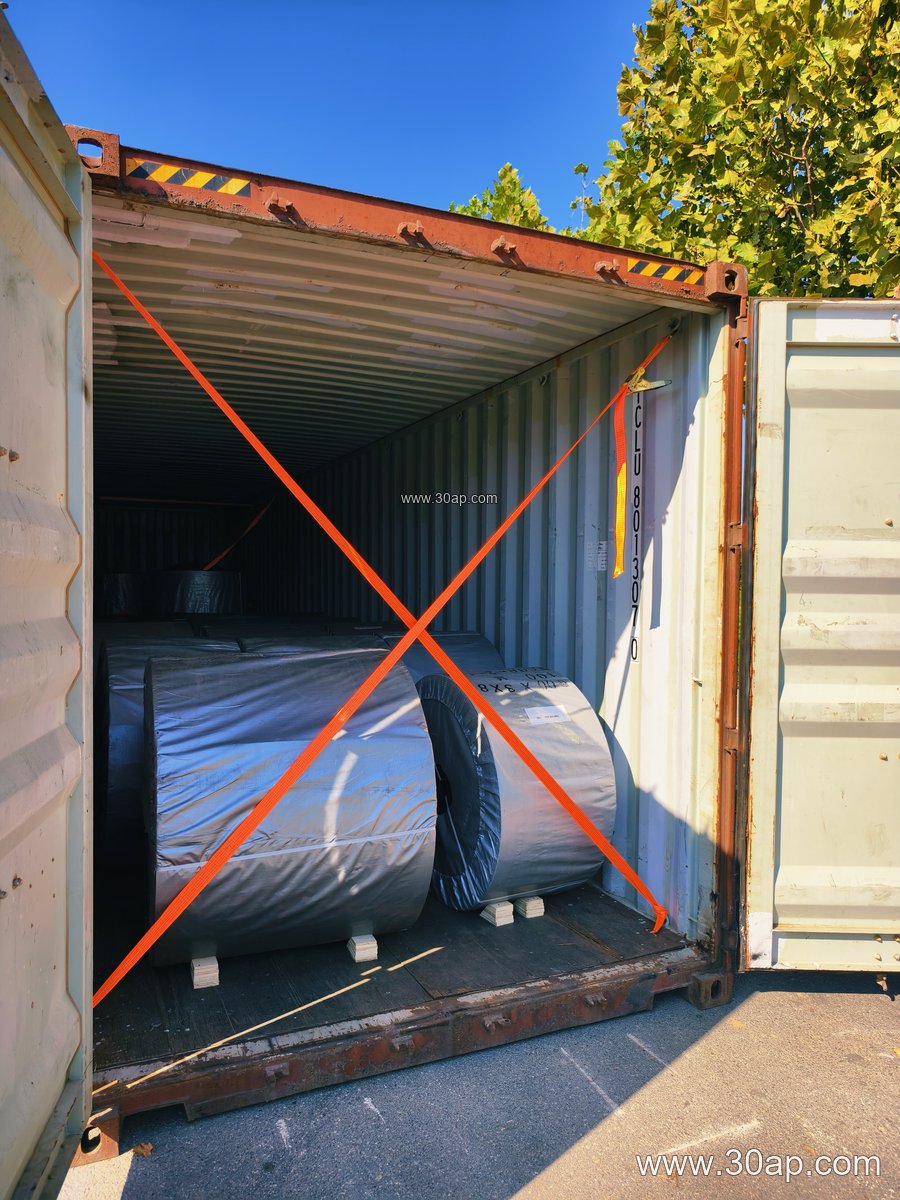
- Belt widths from B500 to B2000, with the actual tube diameter determined by the belt width and overlap design.
- Fabric carcass strengths such as EP200, EP400, EP630, EP800, EP1000, and EP1250.
- Steel cord grades such as ST1000, ST1600, and ST2500 for heavy-duty mining conveyor belt duties.
- Cover thickness combinations such as 4+2 mm, 5+2 mm, 6+2 mm, and 8+3 mm.
These figures are reference data only. Final specifications are usually confirmed by the system designer and belt manufacturer, because pipe diameter, overlap, and pulley arrangement interact closely.
Where Pipe Conveyor Belts Are Used
Enclosed conveying is popular where material must be protected or where the route must avoid contaminating surroundings. Typical applications include:
- Coal mining conveyor belt lines and underground coal mining conveyor belt systems where dust control matters.
- Cement plant conveyor belt routes carrying clinker, raw meal, or limestone.
- Power plant conveyor belt systems handling coal and ash.
- Quarry conveyor belt and aggregate conveyor belt installations with curved routes.
- Port conveyor belt and ship loading conveyor belt operations that need clean material transfer.
The ability to curve horizontally and vertically makes the pipe conveyor belt attractive where a straight troughed route is difficult to fit. In such layouts, the conveyor bracket and idler roller frames must be aligned carefully to keep the belt forming a proper tube.
Buyer Checklist for Pipe Conveyor Belt Selection
When specifying a pipe conveyor belt, buyers should clarify the material type, bulk density, lump size, moisture, temperature, and any fire or oil exposure. A flame retardant conveyor belt or fire resistant conveyor belt grade may be required underground or in coal handling. For abrasive stone or ore, an abrasion resistant conveyor belt cover is often preferred, while a heat resistant conveyor belt compound suits hot clinker or sinter.
The belt width, tube diameter, carcass strength, and cover thickness should be matched to the conveyor pulley sizes, idler roller spacing, and transition length. Do not assume a fixed relationship between belt width and pulley diameter; these are determined by the conveyor design. A supplier should confirm the overlap direction, edge construction, and splice method for the specific installation.
Maintenance Notes
Keep idler roller frames aligned and replace worn rollers promptly, because poor alignment can cause the belt to twist and lose its pipe shape. Inspect the conveyor pulley lagging and bend pulleys for build-up that may affect tracking. Check the belt edges and overlap area for wear, and monitor cover thickness in abrasive service. For coal mining conveyor belt and underground mining conveyor belt applications, verify flame retardant and anti-static properties remain within specification after splices and repairs.
For more information on pipe conveyor belt options and related conveyor components, visit www.example.com/pipe-conveyor-belt or contact our technical team with your material and layout details.