What a High Impact Resistant Idler Does
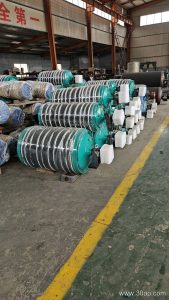
A high impact resistant idler is a conveyor idler roller built to absorb the shock of large, heavy or fast-falling material at the loading point. Instead of a plain steel shell, this impact resistant idler usually carries rubber rings, rubber discs or a reinforced shell that cushions the drop. It sits under the conveyor belt exactly where the material lands, protecting both the belt and the idler frame from repeated blows. In a quarry, a limestone mine or a crusher discharge line, that landing zone is where ordinary idlers fail first, so specifying a proper impact idler there is a practical maintenance decision rather than an upgrade.
The same product is also described as a buffer idler, a rubber ring impact idler or an impact resistant idler roller. These are equivalent names for the same item. It should not be confused with a troughing idler, a return idler or a self-aligning idler, which perform different duties along the conveyor.
How the Idler Is Built
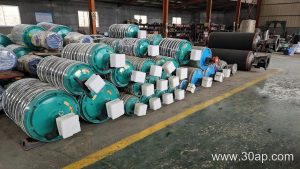
Most impact idlers combine a steel tube body with a set of resilient rings. The rings are commonly rubber, and the shell may be thicker than a standard roller to resist deformation. Bearings are sealed to keep out dust and grit, which matters in a coal handling plant or a cement plant where fine particles are everywhere. Bearing sizes such as 6205, 6305, 6308 and 6310 appear across the range, and the correct bearing is matched to the load and shaft design, not to belt width alone.
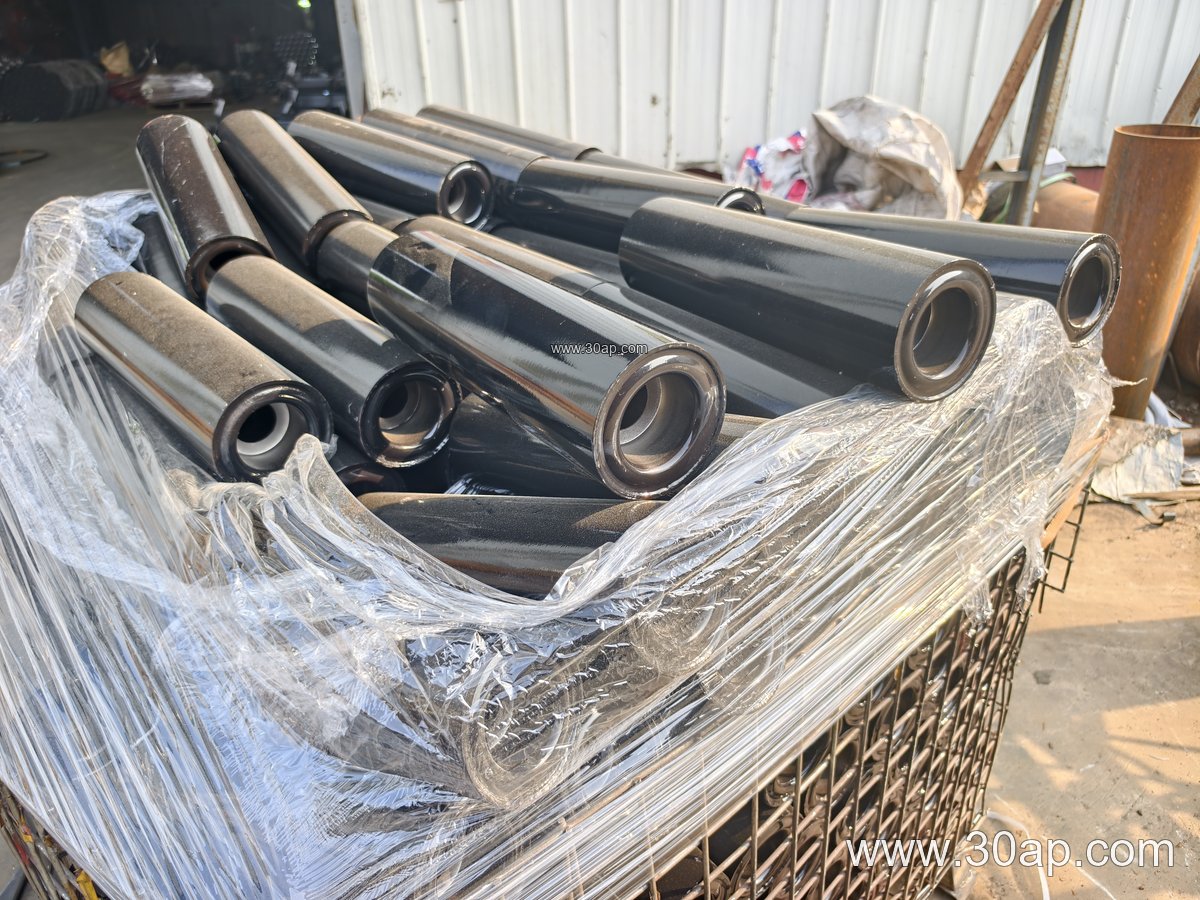
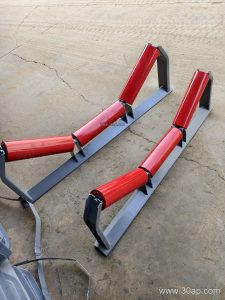
Common roller diameters for this family include Ø89, Ø108, Ø127, Ø133, Ø159 and Ø178 mm. Larger diameters are often chosen at high drop points because they reduce rotation speed and spread the load. The roller length follows belt width, trough angle and the idler set arrangement; a three-roll troughing set on a B1000 belt commonly uses rolls around 380 mm long, while a B1400 belt may use rolls near 530 mm. These are typical reference values, and side rolls can differ from the centre roll.
| Parameter | Common Reference Values |
|---|---|
| Roller diameter | Ø89, Ø108, Ø127, Ø133, Ø159, Ø178 mm |
| Belt width | B500, B650, B800, B1000, B1200, B1400, B1600 |
| Roll surface | Steel tube, rubber ring, ceramic, nylon |
| Trough angle | 20, 30, 35, 45 degrees |
| Bearing | 6204, 6205, 6305, 6306, 6308, 6310 |
Where It Fits on the Conveyor
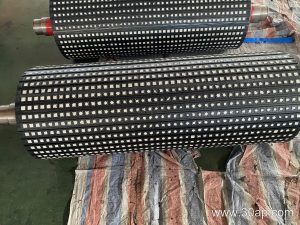
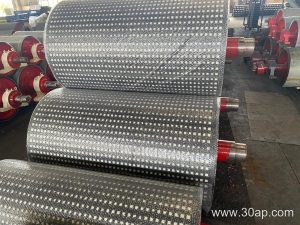
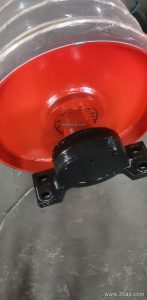
The impact idler belongs at the transfer point, directly beneath the chute or crusher outlet. It is often installed as a short group of two or three idlers so the shock is shared. Downstream, standard troughing idlers carry the load, and return idlers support the empty belt. A conveyor pulley at the drive or tail end does a completely different job and cannot replace an impact idler, just as an impact idler cannot replace a pulley.
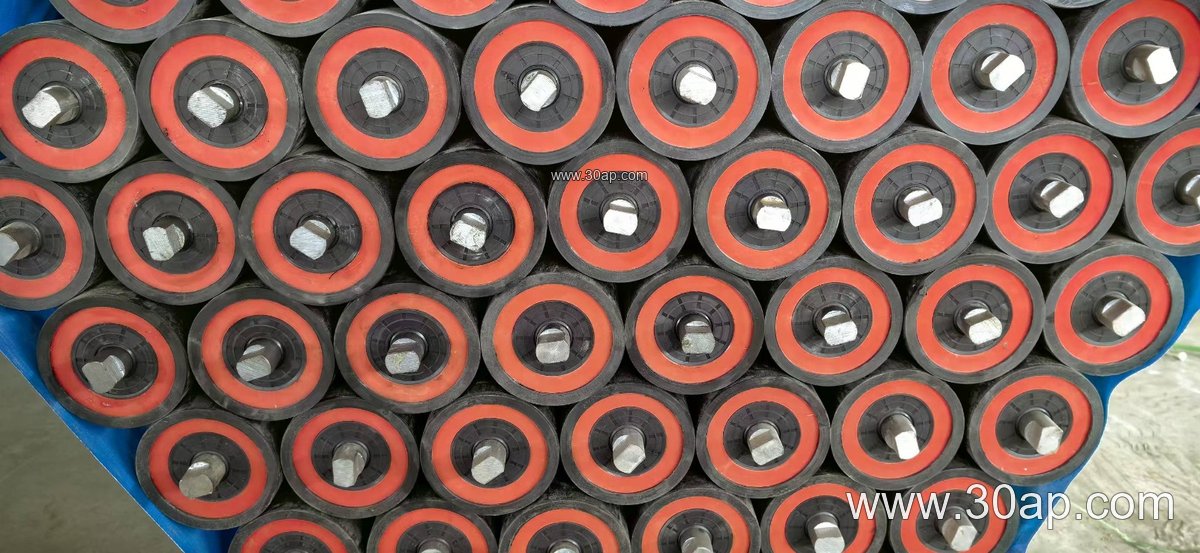
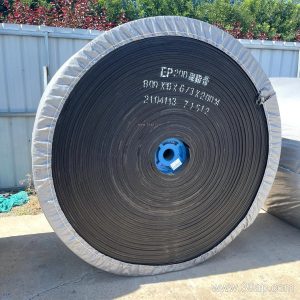
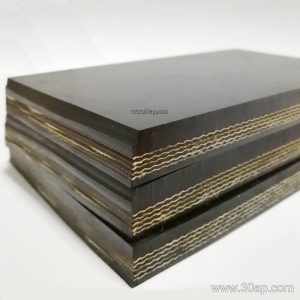
Typical applications include aggregate crushing lines, iron ore and copper ore handling, coal preparation plants, power station coal yards and tunnel spoil removal. In these places the falling material may include sharp rock, so the belt above the idler is often an abrasion resistant conveyor belt or a heavy-duty mining conveyor belt. Where the environment is dusty and flammable, a flame retardant conveyor belt may be used alongside. The idler and belt work as a pair, and the impact zone is where both are stressed most.
Selection Points for Buyers
- Confirm the drop height and the largest lump size, since these drive the choice of ring thickness and roller diameter.
- Match the idler set to the belt width and trough angle, and check that the frame height suits the conveyor bracket.
- Ask about sealing and bearing grade for dusty or wet conditions.
- Check the shaft and mounting dimensions against the existing frame before ordering.
- Consider the belt type above the idler, from EP conveyor belt and NN conveyor belt to steel cord conveyor belt, because a stiff belt and a soft belt respond differently to impact.
A buyer should also plan inspection intervals. Rubber rings wear, and a worn ring transfers shock to the shell and bearings. Replacing rings or the complete roller early is usually cheaper than repairing a torn belt. For a full conveyor package, the impact idler, the conveyor belt, the conveyor pulley and the conveyor bracket should be reviewed together at the design stage.
Maintenance and Long-Term Use
Keep the loading chute centred so material does not strike one side of the idler. Check for loose rings, flat spots and bearing noise during routine walks. In a sand and gravel line or a sintering plant, wash-down and dust control also affect roller life. A well-chosen high impact resistant idler will not stop every problem, but it will absorb the worst of the loading shock and give the rest of the conveyor a better chance to run smoothly.