What Drives Conveyor Bracket Price
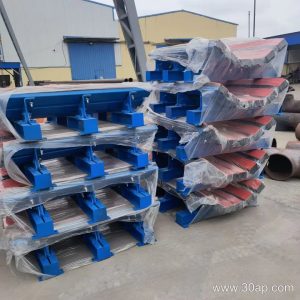
When specifying a conveyor system for a quarry, cement plant, or coal handling facility, the conveyor bracket price is influenced by more than the steel it contains. This component—often called a conveyor support bracket or idler bracket—positions and secures the idler roller, which in turn supports the conveyor belt and the material load. Its cost reflects material grade, design complexity, load rating, and the precision required for reliable alignment. Buyers sourcing for a stone crushing line or a power plant coal yard will find that a bracket designed for a B1000 belt with 35-degree troughing is not priced the same as a heavy-duty bracket for a B1800 conveyor carrying iron ore.
Construction and Material Choices
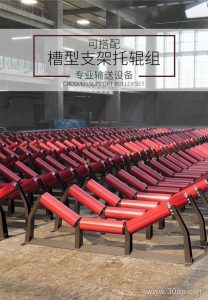
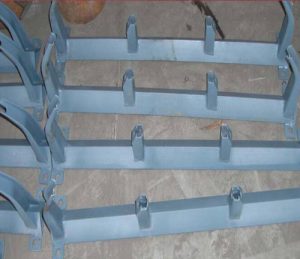
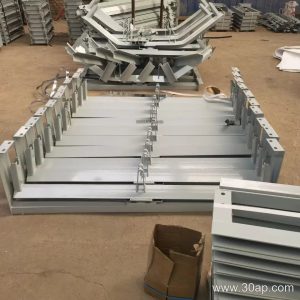
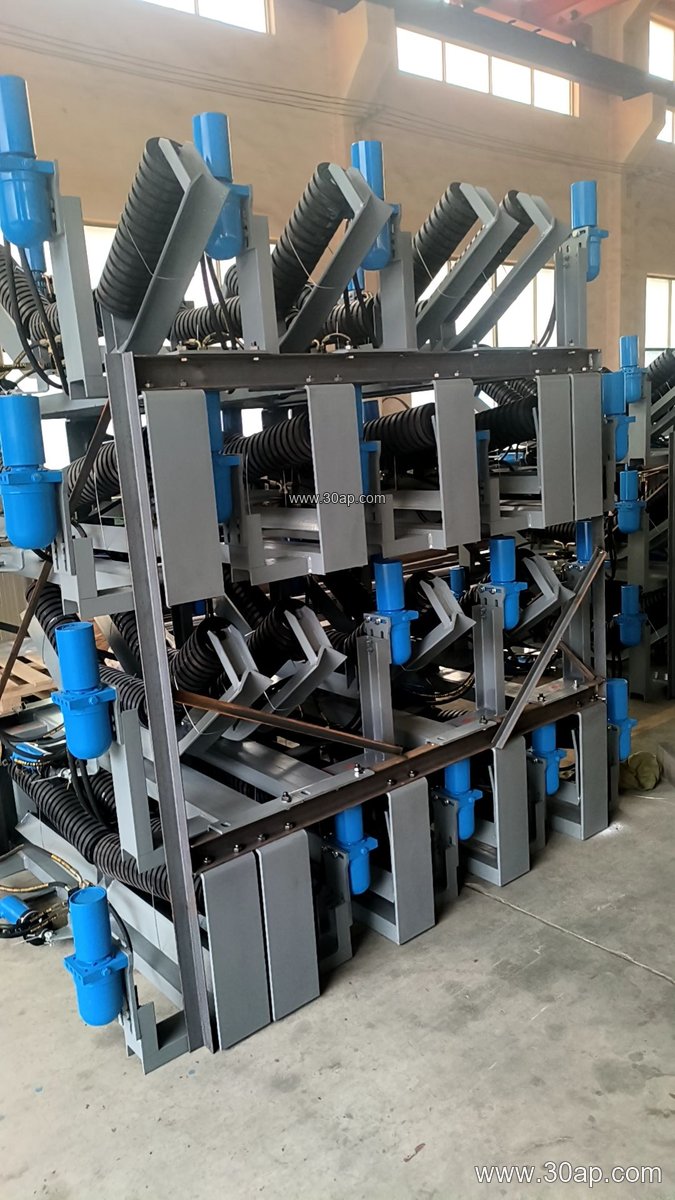
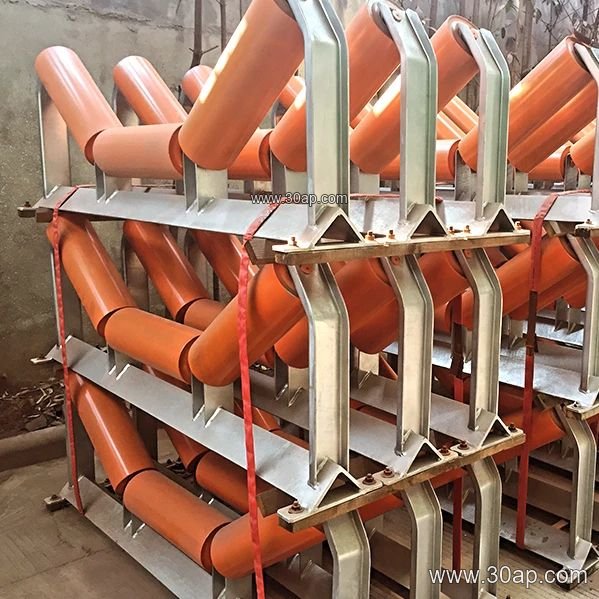
Most brackets are fabricated from angle steel, channel steel, or bent steel plate. The choice affects both strength and price. A simple fixed bracket made from standard angle steel costs less than an adjustable bracket with slotted holes or a transition bracket engineered for a specific trough angle. Surface treatment—such as painting or galvanizing—also adds to the conveyor bracket price, especially for outdoor installations at ports or aggregate yards where corrosion resistance matters. The bracket must match the idler roller diameter and the belt width; a bracket for Ø108 rollers on a B800 conveyor is lighter and less costly than one for Ø159 rollers on a B1600 system.
Common Types and Their Price Implications
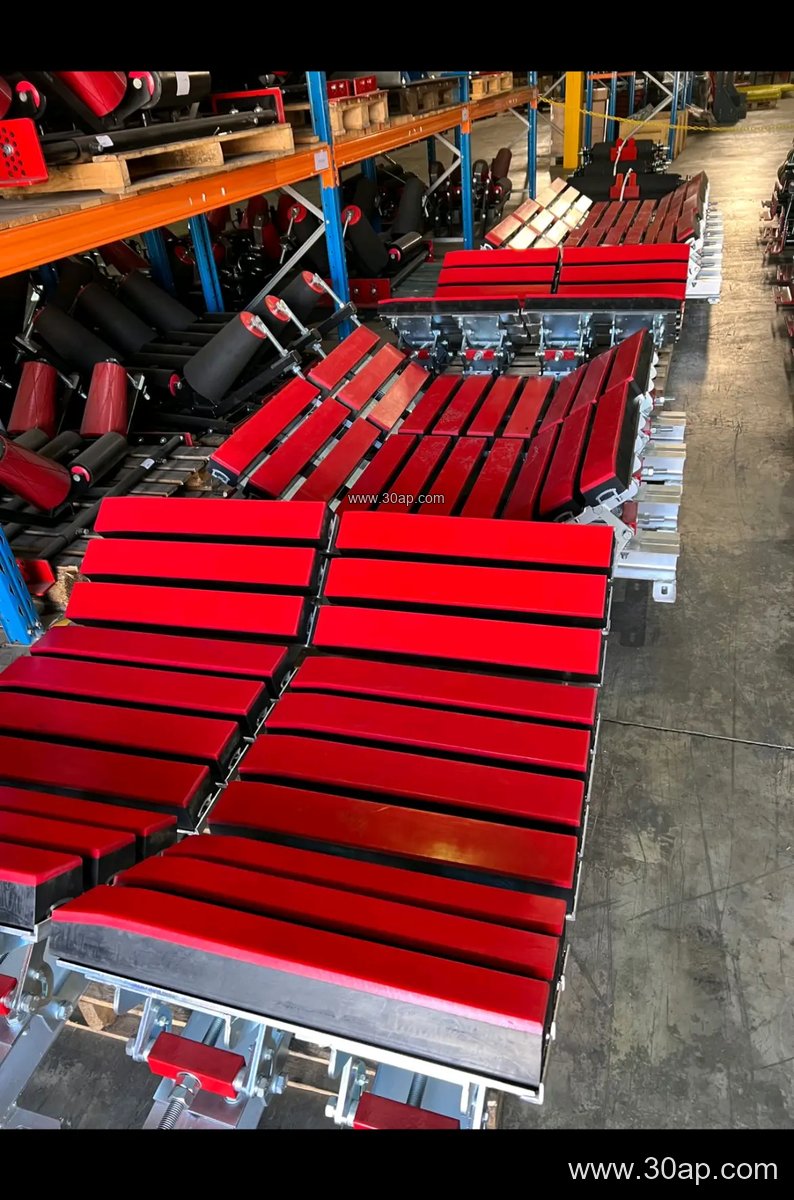
Different bracket types serve distinct functions and carry different price points. Troughing brackets for carrying idlers are the most common; return brackets support the belt on the return side, and impact brackets are built heavier for load zones under crushers or transfer points. Adjustable brackets allow changes to the trough angle—typically between 20 and 45 degrees—and cost more due to their flexible design. Self-aligning brackets, used to correct belt tracking, include additional components and are priced accordingly. For a coal mining conveyor belt system, flame retardant and anti-static properties of the belt are critical, but the bracket itself is usually selected for strength and alignment rather than belt compound.
How Belt and Idler Specs Influence Cost
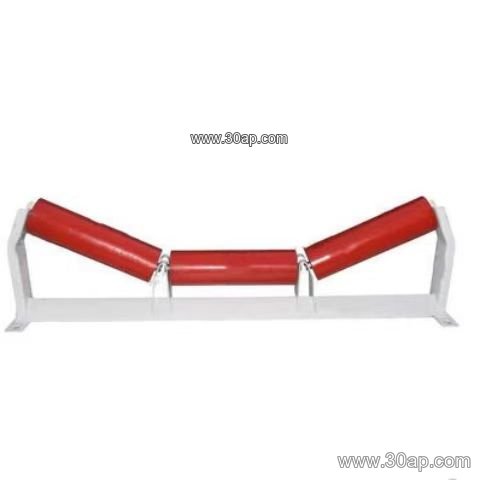
The conveyor bracket price cannot be quoted without reference to the belt width, trough angle, and idler diameter. A bracket for a 650mm wide conveyor belt with 30-degree trough and Ø89 idlers is smaller than one for a 1200mm belt with 45-degree trough and Ø133 idlers. Larger brackets require more steel and heavier mounting hardware. In a sand and gravel plant, where abrasive dust is present, brackets may need extra thickness or protective coatings, which affects price. Similarly, a cement plant handling hot clinker may require heat-resistant considerations for components near the kiln, though the bracket itself is typically protected by the idler.
Application Notes for Buyers
When evaluating conveyor bracket price, consider the total cost of ownership, not just the unit price. A bracket that is undersized for the load may fail prematurely, causing downtime in a busy quarry or steel plant. For a B1400 conveyor carrying copper ore, a heavy-duty bracket with reinforced gussets is often justified. In a coal washing plant, adjustable brackets can help fine-tune belt training and reduce spillage. Buyers should also confirm that mounting hole spacing and crossbeam length match the conveyor frame; these dimensions vary with belt width and trough angle and should not be assumed.
Specification Examples
The following combinations illustrate how bracket specifications relate to belt width, trough angle, and idler diameter. These are common references, not fixed rules; final selection depends on design.
| Belt Width | Trough Angle | Idler Diameter | Typical Bracket Type |
|---|---|---|---|
| B500 | 20° | Ø89 | Troughing |
| B650 | 30° | Ø89 | Troughing |
| B800 | 35° | Ø108 | Troughing |
| B1000 | 35° | Ø108 | Troughing |
| B1200 | 45° | Ø133 | Troughing |
| B1400 | 45° | Ø133 | Troughing |
| B1600 | 35° | Ø159 | Troughing |
| B1800 | 45° | Ø159 | Troughing |
| B2000 | 35° | Ø194 | Troughing |
For return sides, V-return brackets or flat return brackets are used with the same idler roller diameters but different geometry. Transition brackets are often employed near pulleys to smooth the belt path; their price reflects the custom angles required.
Final Considerations
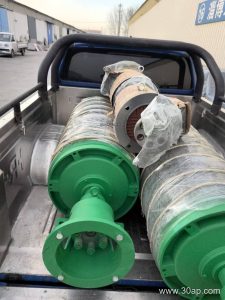
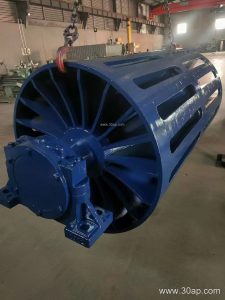
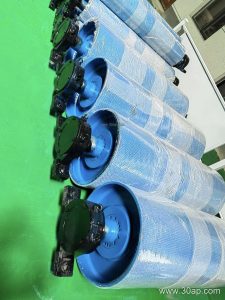
Obtaining a accurate conveyor bracket price requires sharing the belt width, trough angle, idler diameter, and load conditions with the supplier. Whether the project is a tunnel spoil handling system, a fertilizer plant, or a ship loading facility, the bracket must be matched to the conveyor pulley and belt specifications. Buyers should request detailed drawings and material certificates where available, and avoid assuming that a bracket for one belt width will suit another. The conveyor bracket price is a small part of the total conveyor cost, but its proper selection supports the performance of the entire belt system, including the conveyor belt and conveyor pulley.