What a Conveyor Take-Up Pulley Does
A conveyor take-up pulley is the drum that keeps a conveyor belt under controlled tension. It usually sits at the tail end or in a dedicated take-up section, mounted in a sliding or pivoting frame so its position can change as the belt stretches, contracts, or shifts with load. Without this movement, a belt on a long run would go slack, slip on the drive pulley, and mistrack. The take-up pulley is therefore a tensioning device first and a belt support second, which is what separates it from a fixed tail pulley or a bend pulley.
The same assembly is also called a tension pulley or take-up drum in many plants. These are equivalent names for the same product. It is not a drive pulley, not a bend pulley, and not a tail pulley in the strict sense, even though it may sit near the tail. In a screw take-up it slides in guides; in a gravity take-up it hangs in a carriage with counterweight; in an automatic or hydraulic version a cylinder or winch moves the frame.
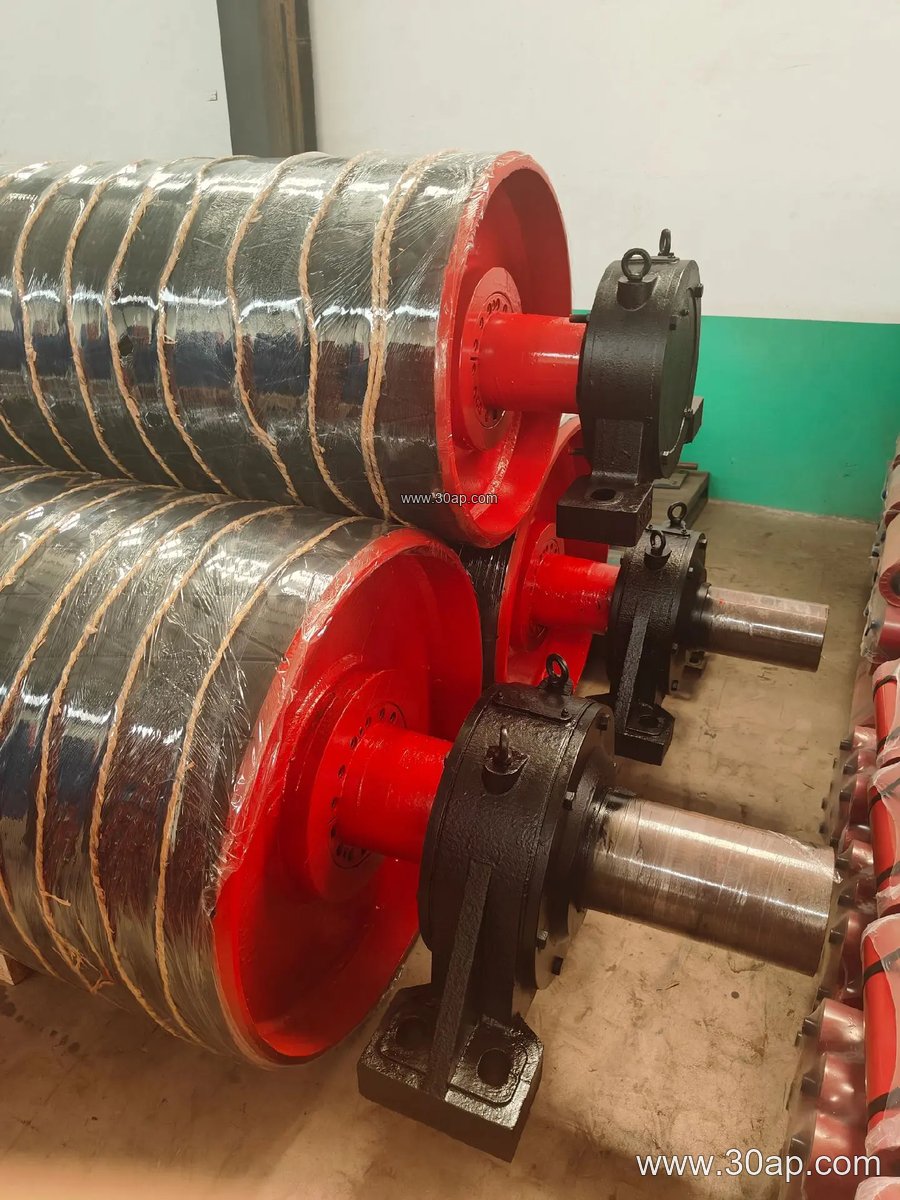
Construction and Surface Options
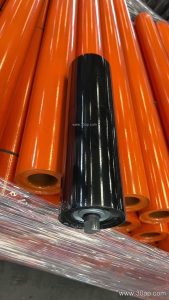
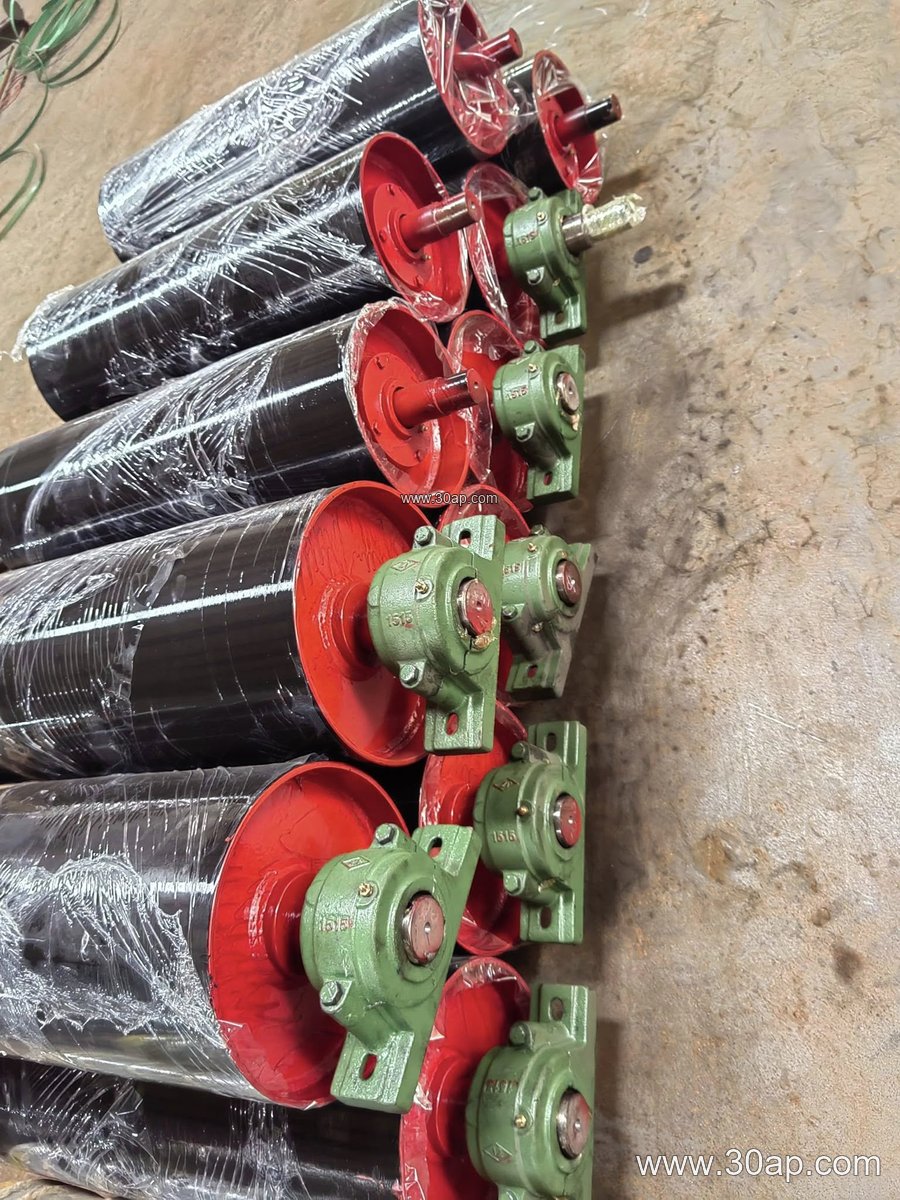
The drum body is normally a welded steel shell with machined end discs, keyed to a shaft that runs in pillow block bearings. Shaft diameter is chosen from torque and bearing load, not from belt width alone; common shaft sizes include Ø80, Ø100, Ø120, and Ø140, but a heavy overland conveyor may need more. The pulley face is usually slightly wider than the belt, for example about 1400 mm face for a B1200 belt or about 1800 mm for a B1600 belt. Diameter is selected with belt stiffness and wrap angle in mind, and typical values range from Ø400 up to Ø1250 on large installations.
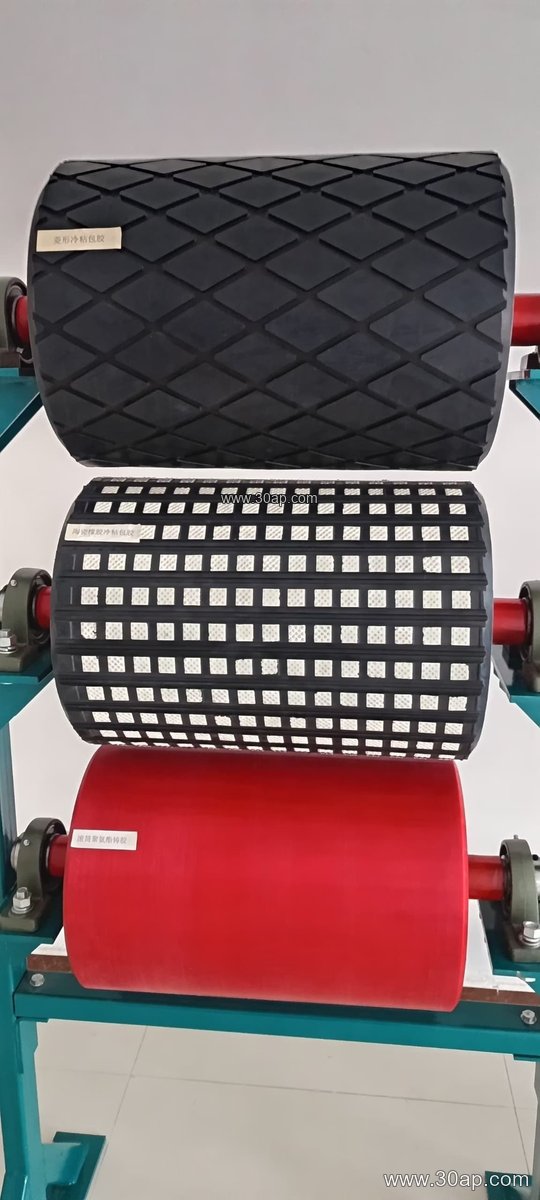
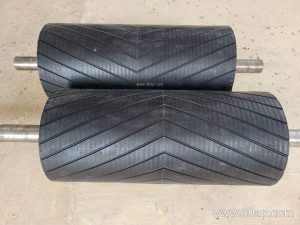
Surface finish matters because the take-up pulley must grip without polishing the belt cover. Plain face is common on light duty; rubber lagging, cold-bonded or hot-vulcanized, improves friction and protects the shell. Diamond grooved lagging helps shed water and fines in washdown areas, while ceramic lagging is used where slip and wear are severe. Lagging thickness is often 8, 10, 12, 15, or 20 mm depending on duty.
| Item | Common reference values |
|---|---|
| Belt width | B650, B800, B1000, B1200, B1400, B1600 |
| Pulley diameter | Ø315, Ø400, Ø500, Ø630, Ø800, Ø1000 |
| Face width | Usually wider than belt, e.g. B800 about 950 mm |
| Shaft diameter | Ø70, Ø90, Ø110, Ø130 by load design |
| Lagging | Plain, diamond rubber, ceramic, 8–20 mm |
Where It Fits in the Plant
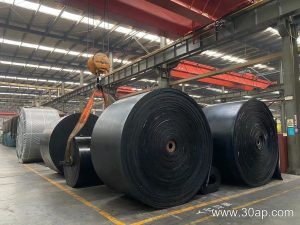
In a quarry or aggregate line, a take-up pulley at the tail of a crusher discharge belt keeps tension steady while feed surges. In a coal handling system at a power plant, a gravity take-up carriage absorbs the stretch of a long flame retardant conveyor belt running through transfer towers. In cement plants it is often found on clinker and limestone belts, and in port bulk terminals on ship loading conveyors where belt length changes with temperature.
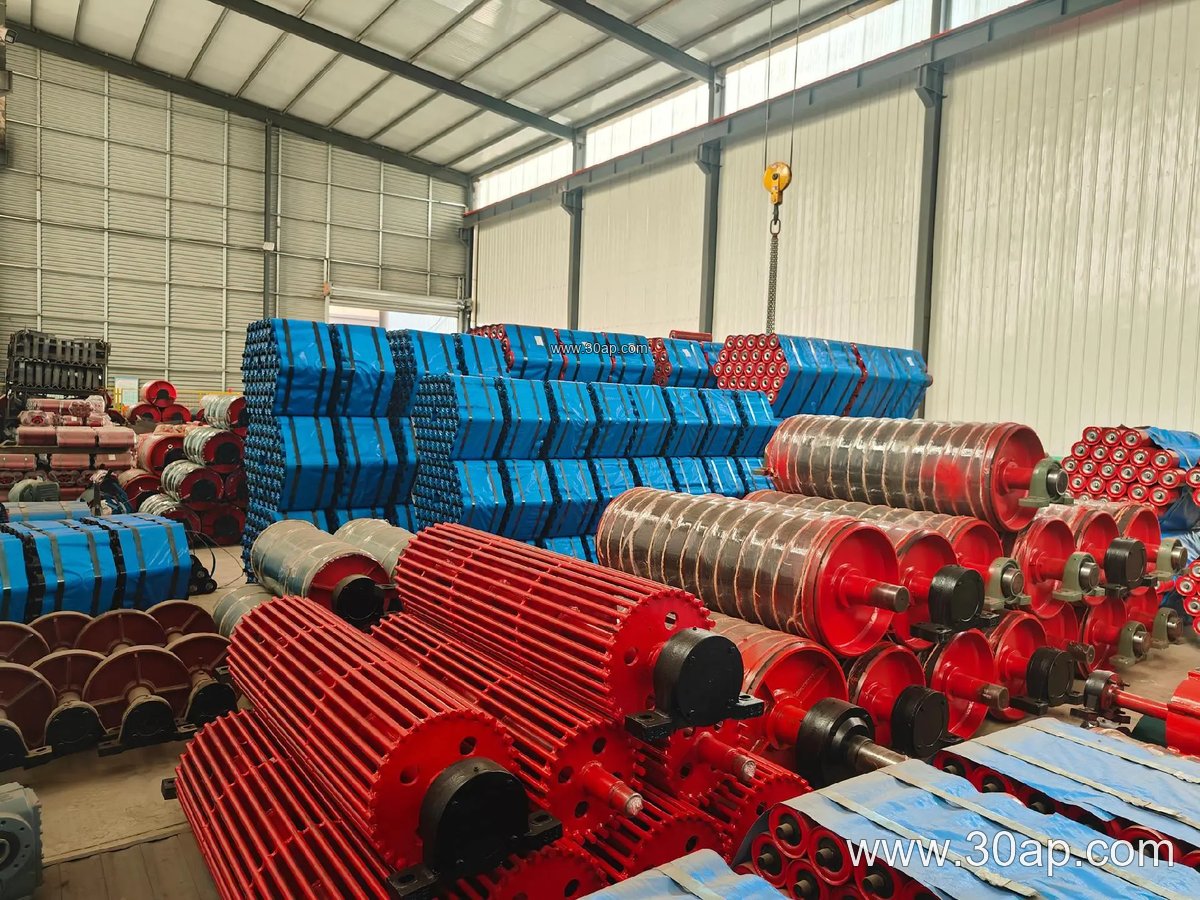
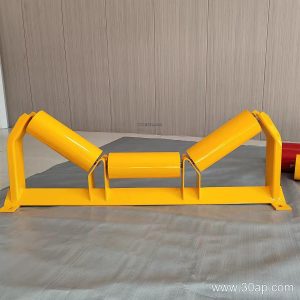
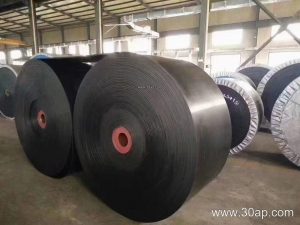
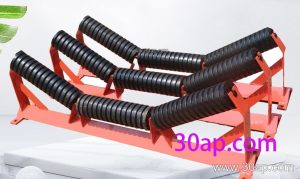
The pulley works together with the rest of the conveyor: the belt, the idler roller sets that support the load, the conveyor bracket that holds the frame, and the drive pulley that transmits power. A poorly adjusted take-up shows up as belt slip, edge wear, or wandering. Matching the take-up drum to the belt type helps; a steel cord conveyor belt needs a larger diameter and a wider face than a thin multi-ply fabric core belt, and a pipe conveyor belt or corrugated sidewall belt may need special clearance around the frame.
Buyer Checklist
- Confirm the take-up style: screw, gravity, hydraulic, or winch, and the travel distance required.
- Match face width to belt width, and check clearance for lagging and belt edges.
- State the belt type and tension so the shaft and bearings can be sized correctly.
- Choose lagging by environment: rubber for general grip, ceramic for abrasive slurry, plain for light duty.
- Ask about bearing seals, since dust in a stone crushing plant or washdown in a food plant shortens life.
- Plan access for inspection and re-tensioning, and keep a spare bearing set on site.
For related components, buyers often review conveyor pulley options alongside the belt specification and idler roller schedule. Visit www.beltconveyorparts.com for conveyor take-up pulley details and www.conveyorpulley.net for drum and roller references. A correctly sized take-up pulley is a small part of the conveyor cost but a large part of its reliability.