What a 1000mm Conveyor Belt Is
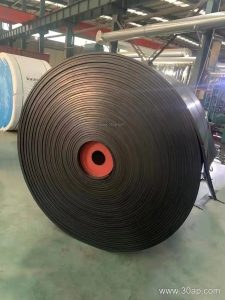
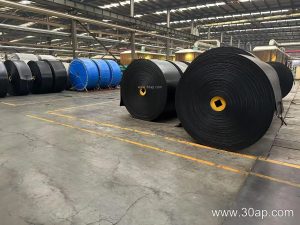
A 1000mm conveyor belt is a belt with a nominal width of one metre, widely used as the main haulage belt on medium and large bulk handling systems. In plant drawings the same item often appears as a B1000 belt or a 1000mm wide conveyor belt, and all three names describe the same product. The width suits high tonnage flows in mines, coal preparation plants, cement works, power stations, quarries and sand and gravel yards, where a narrower belt would need higher speed to carry the same load.
Width alone does not define a belt. Buyers should treat 1000mm as the dimensional starting point and then confirm carcass, cover grade and top cover thickness for the duty.
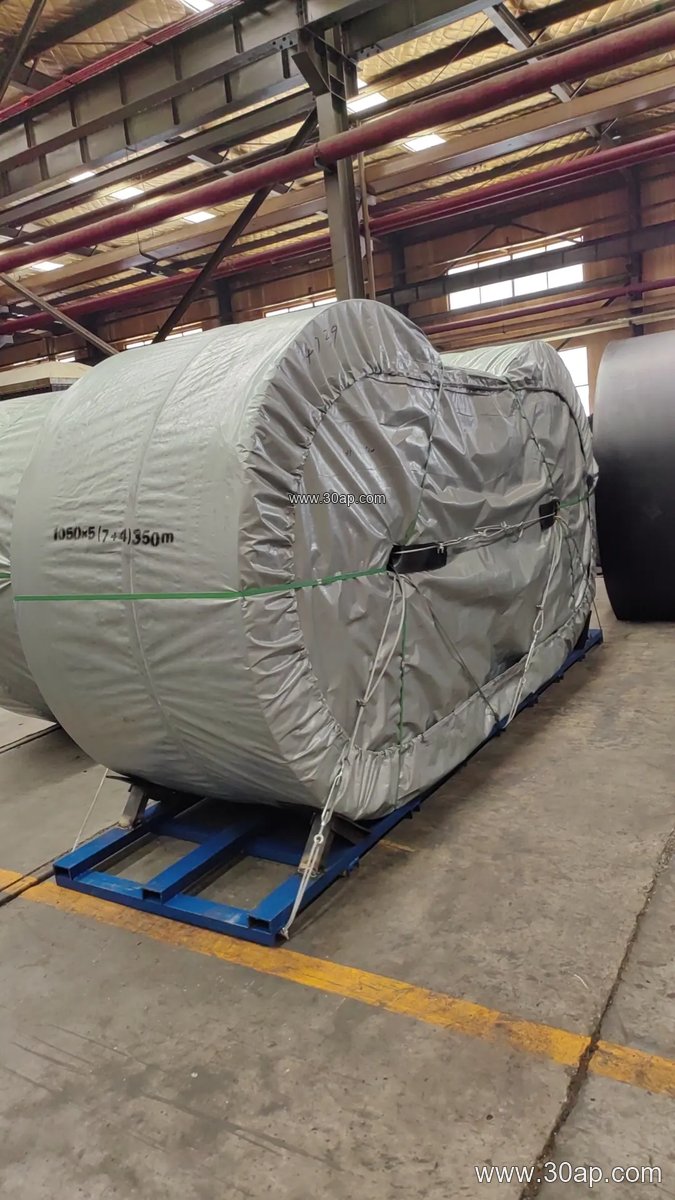
Construction and Common Specifications
The belt is a composite: a tension-carrying carcass, top and bottom rubber covers, and often an edge treatment. Fabric cores use EP (polyester-cotton) or NN (nylon) plies; heavy-duty lines may use steel cord. Cover compounds can be abrasion resistant, heat resistant, oil resistant, flame retardant, anti-static, cold resistant or acid and alkali resistant, depending on the cargo and environment.
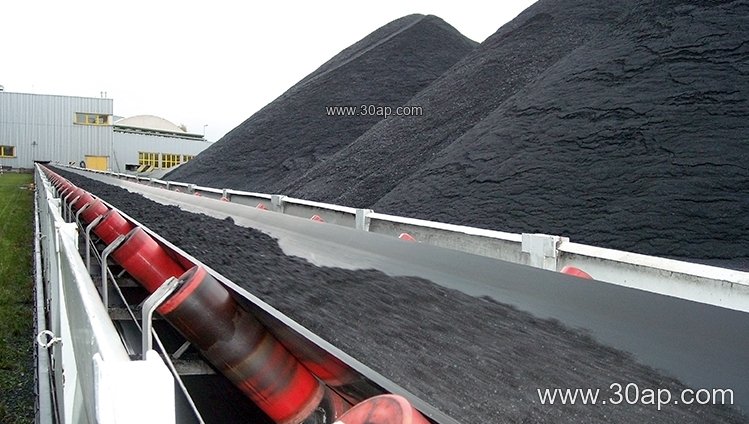
Typical reference values for a 1000mm wide belt are listed below. These are common industry ranges, not fixed supply promises, and final values are confirmed by design.
- Belt width: B1000 (1000mm)
- Carcass types: EP, NN, steel cord
- EP strength grades: EP200, EP315, EP400, EP500, EP630, EP800, EP1000
- Ply count: usually 2 to 6 layers for fabric core
- Top/bottom cover: 4+2, 5+2, 6+2 or 8+3 mm
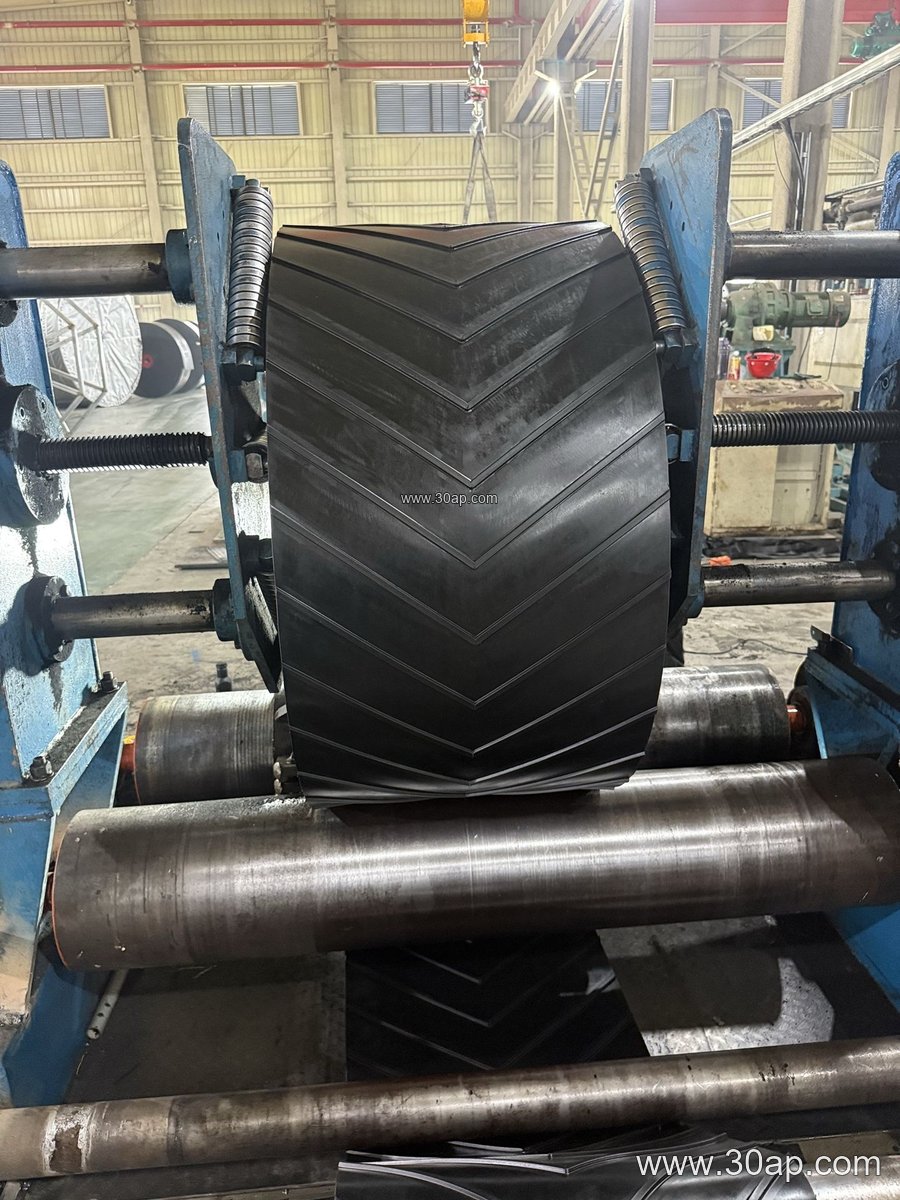
- Surface forms: plain, chevron, corrugated sidewall, skirted
For example, an EP1000 1000mm belt with 6+2 mm covers is a common heavy-duty arrangement for primary crushing discharge, while a 4+2 mm cover on EP400 suits lighter secondary runs. Steel cord grades such as ST1000 to ST3150 are chosen when tension and long centre distances exceed fabric capability.
Where It Fits in the Plant
In a coal mining conveyor line, a flame retardant and anti-static 1000mm belt is often specified for underground and surface drifts. Cement plants use heat resistant belts after kiln and clinker coolers, and abrasion resistant belts on limestone and clinker transport. Power plants rely on fire resistant grades for coal yard and boiler feed systems. Quarries and aggregate plants use heavy-duty rubber belts under crushers, screens and stockpile conveyors, where impact and abrasion dominate.
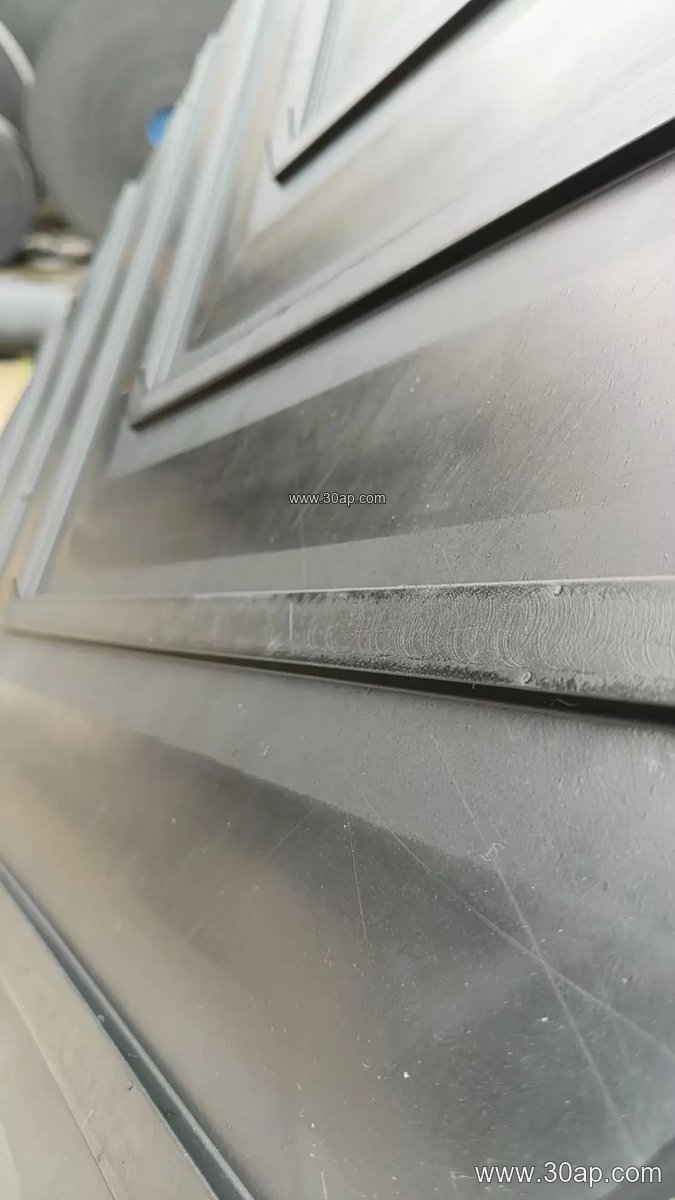
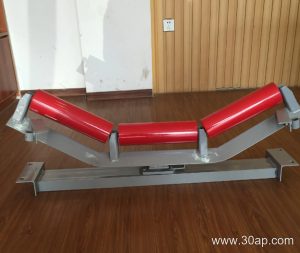
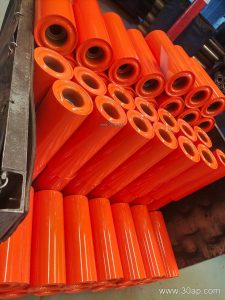
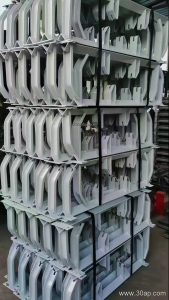
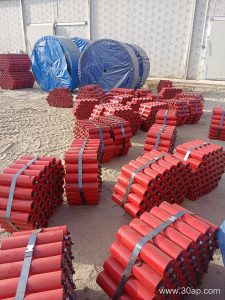
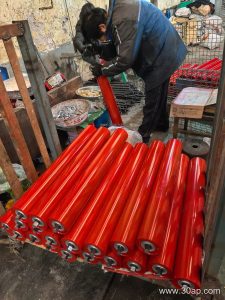
Ports and ship loading terminals apply wide belts for high throughput, and recycling plants use oil resistant or flame retardant versions. In all these layouts the belt works with idler rollers, conveyor pulleys (drive, tail and bend pulleys have separate duties), and conveyor brackets that set the frame geometry.
Selection Points for Buyers
Start with the duty: material, lump size, tonnage per hour, incline, centre distance and ambient temperature. Then match carcass strength and cover grade to the worst condition, not the average. A 1000mm belt can run on different pulley diameters; the pulley size follows belt thickness, splice type and tension, so never assume a fixed shaft or pulley diameter from width alone.
Check the splice method, troughability on the idler roller arrangement, and edge condition on transfer points. For steep inclines, chevron or corrugated sidewall profiles help retain material; for dusty coal, anti-static and flame retardant properties are essential. Ask for the cover thickness in millimetres, ply count, strength grade and rubber compound data in writing.
Installation and Maintenance Notes
Align the frame and pulleys before tensioning, keep idlers rotating freely, and inspect the belt edges for cuts after each shift. Store spare belts flat, away from sunlight and ozone sources, and record running hours. A 1000mm conveyor belt that is correctly matched to its load, maintained with clean idlers and checked for cover wear will deliver long service in mining, cement, power and aggregate operations.