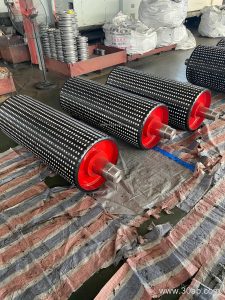
What a Conveyor Return Idler Does
The conveyor return idler is the roller that supports the empty, returning strand of a conveyor belt. After material has been discharged at the head end, the belt travels back toward the tail, and the return idler carries that slack side so it does not sag, drag, or rub against the structure. In a bulk handling line, return rollers are often the least visible part of the system, yet they influence belt tracking, energy draw, and the overall life of the belt and frame.
On a long overland conveyor in a quarry or an inclined haulage line at an iron ore mine, the return side can account for a notable share of the idler count. That is why choosing a proper return roller, and maintaining it, matters as much as specifying the carrying trough set.
How the Roller Is Built
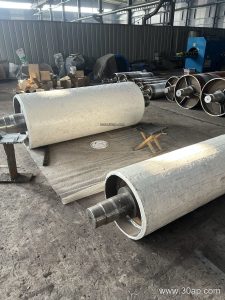
A typical return idler roller uses a steel tube shell, a shaft, bearing housings, and a sealing arrangement at each end. The shell may be plain steel, nylon-coated, or fitted with rubber rings for special duties. Bearings are commonly selected from sizes such as 6204, 6205, 6305, 6306, 6308, or 6310, but the bearing size should follow the load and shaft design rather than being fixed to one roller diameter.
Sealing is the quiet hero of return roller life. Dust from a cement plant or a coal handling system can enter a poorly sealed bearing and turn a smooth roller into a locked one within months. Labyrinth seals, contact seals, and grease retention features are therefore worth checking when comparing suppliers.
| Common roller diameter | Typical use |
|---|---|
| Ø89 mm, Ø102 mm | Light to medium duty, narrower belts |
| Ø108 mm, Ø127 mm, Ø133 mm | General bulk handling return runs |
| Ø159 mm, Ø178 mm | Heavy duty, wider belts and dusty service |
| Ø194 mm, Ø219 mm | Large high-capacity systems |
These values are reference examples only. The final diameter, shaft, and bearing combination is determined by belt width, load, speed, and the conveyor design.
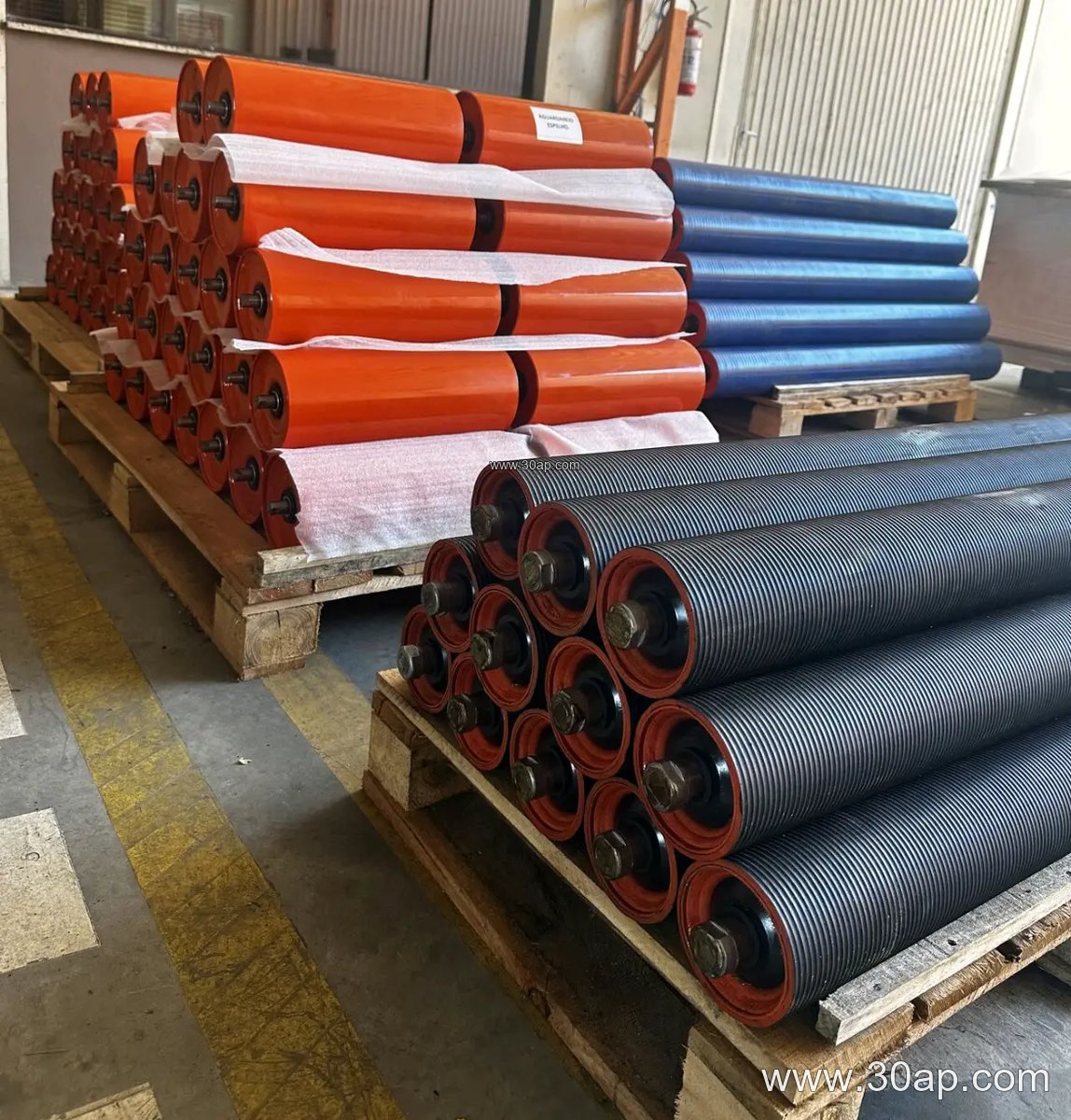
Flat, V-Shaped, and Spiral Return Rollers
The plain flat return idler is the most common form, with a single roller under the belt. A V-shaped return set uses two rollers set at an angle to help center the belt, which is useful where tracking is marginal. Spiral return rollers have a helical wrap that sheds sticky material, and they often appear where carryback is a problem, such as in a sand and gravel plant or a concrete batching facility.
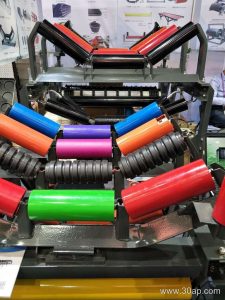
For comparison, a trough idler set on the carrying side uses two or three rolls to form a trough, while the return side is usually flatter. The two sides are not interchangeable, and the return idler should be chosen for its own duty.
Where Return Idlers Are Used
Return rollers appear in nearly every belt conveyor system: a coal mining conveyor, a power plant coal yard, a limestone quarry, a copper ore concentrator, and a fertilizer handling line. In dusty or wet conditions, the roller surface and seal choice deserve extra attention. A rubber-disc return roller can reduce buildup and noise, while a steel shell may be adequate in a clean, dry installation.
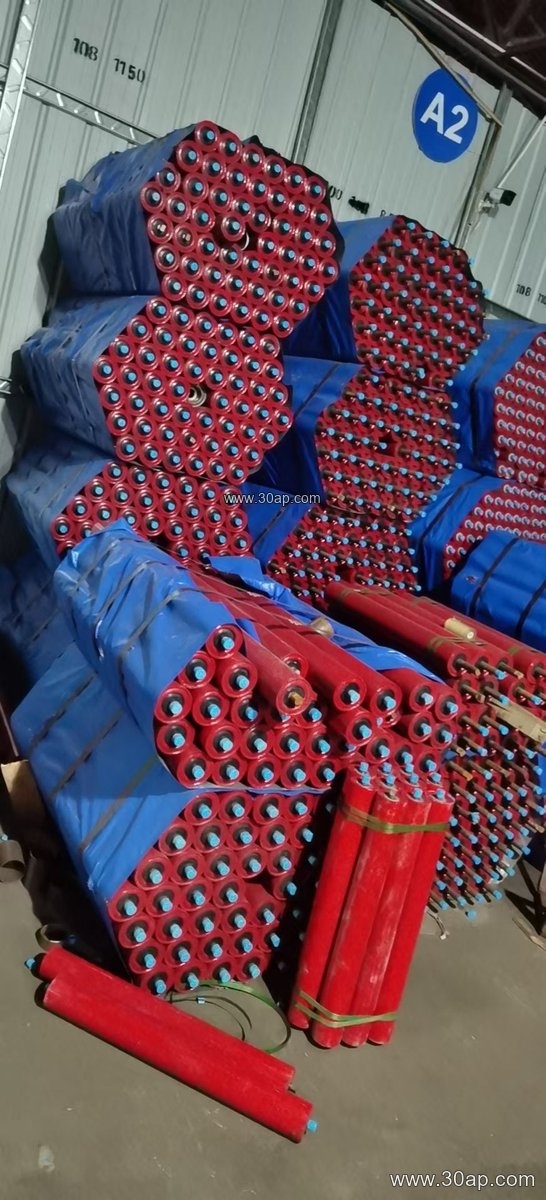
When the belt itself is heavy, such as a Steel Cord Conveyor Belt or a thick abrasion resistant belt, the return rollers must carry more weight and should be matched to the belt load. In long tunnels or underground mining conveyors, access for maintenance is limited, so durable seals and consistent roller quality pay off.
What Buyers Should Check
- Roller diameter and shell thickness relative to belt width and load.
- Bearing size and seal type for the dust and moisture level on site.
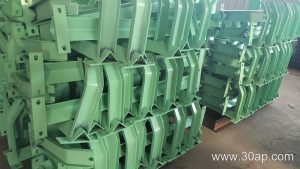
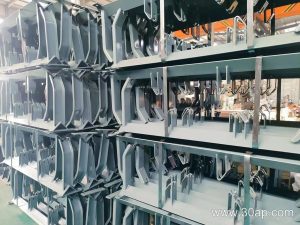
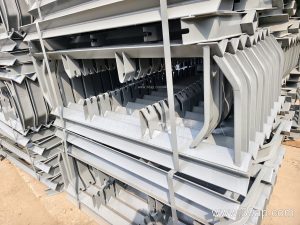
- Shaft end design and the matching conveyor bracket.
- Roller length, which follows belt width and frame design.
- Surface form: plain steel, nylon, or rubber rings.
| Belt width | Common return roller length (example) |
|---|---|
| B500 | about 600 mm |
| B650 | about 750 mm |
| B800 | about 900 mm |
| B1000 | about 1100 mm |
| B1200 | about 1300 mm |
| B1400 | about 1500 mm |
These lengths are indicative and should be confirmed against the actual frame and belt width. A roller that fits one conveyor may not fit another, even when the belt width looks similar.
Installation and Maintenance Notes
Return idlers should be aligned square to the belt path. A roller set slightly out of square can cause the belt to drift. Check that the roller turns freely by hand, that the seals are intact, and that no material has wrapped around the shaft. In a coal mining or cement plant environment, a monthly walk-down can catch a failing bearing before it damages the belt.
Keep spare rollers on hand for critical conveyors. Replacing a seized return idler early is far cheaper than repairing a torn belt or a bent frame. For systems carrying sharp rock or ore, inspect the return side as often as the carrying side.
If you are sourcing return rollers alongside conveyor belt, conveyor pulley, and conveyor bracket components, describe the belt width, load, and site conditions clearly so the supplier can propose a suitable roller rather than a generic one.