What a Guide Pulley Does on a Conveyor
A guide pulley is a type of conveyor pulley that keeps the conveyor belt on track, preventing it from wandering off the pulleys or idlers. Unlike drive pulleys that transmit power or tail pulleys that change belt direction at the loading point, a guide pulley is positioned to correct belt misalignment and maintain proper tracking. It is often installed on the return side or near transition points where the belt is prone to drift. In industries such as quarrying, cement plants, and coal mining, a well-placed guide pulley reduces edge damage and extends the service life of the conveyor belt.
Construction and Surface Options
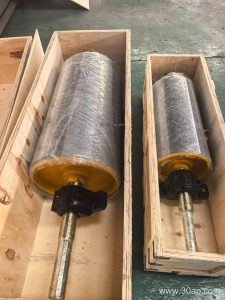
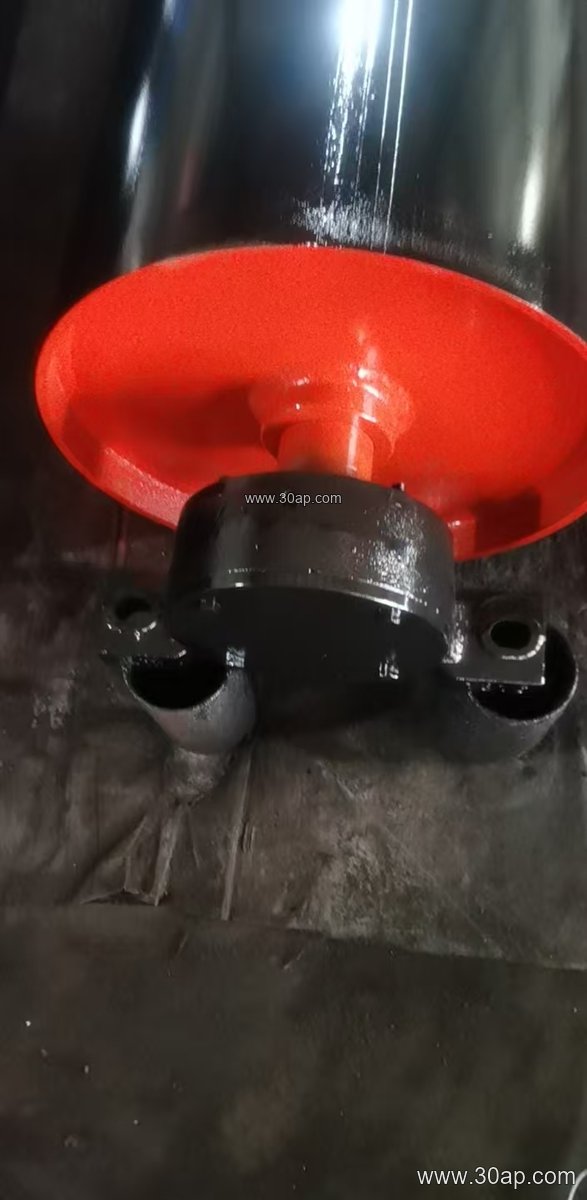
Guide pulleys are built with a cylindrical shell, shaft, and bearing housings, similar to other conveyor pulleys. The shell is usually made from steel pipe or plate, and the shaft is sized according to the torque and load it must carry. Surface treatment is critical for guiding performance. Common options include plain finish, rubber lagging (cold-bonded or hot-vulcanized), diamond grooving, and ceramic lagging. Rubber lagging improves friction and protects the belt, while grooved patterns help shed water and debris. Lagging thickness typically ranges from 8 mm to 20 mm depending on the application. For dusty or wet conditions in a limestone mine or aggregate plant, diamond lagging can be a practical choice. The pulley face width is usually slightly wider than the belt to accommodate tracking adjustments; for example, a B800 belt might use a pulley face around 950 mm, but this is not a fixed rule.
Where Guide Pulleys Are Used
Guide pulleys are found in bulk material handling systems across many sectors. In a coal mining conveyor, they help keep the belt centered on the tail pulley and return idlers, especially where the belt is subjected to uneven loading. In a cement plant, guide pulleys are often placed before the head pulley to ensure the belt enters the drive pulley squarely. They are also used in power plant coal handling, port ship loading, and crushing circuits. While drive, tail, and bend pulleys serve different functions, a guide pulley complements them by addressing lateral belt movement. For instance, a bend pulley changes the belt path, but a guide pulley fine-tunes alignment. Similarly, an idler roller supports the belt, whereas a guide pulley actively corrects its position.
Key Selection Factors
When specifying a guide pulley, several parameters matter. The belt width is the starting point: common widths include B400, B500, B650, B800, B1000, B1200, B1400, B1600, B1800, B2000, B2200, and B2400. The pulley diameter should be chosen based on belt tension and the minimum pulley diameter recommended for the belt construction. Typical diameters range from Ø200 to Ø1800, but there is no universal match between belt width and diameter. For example, a B1200 belt might use a Ø1000 guide pulley in one system and a different diameter in another, depending on load and space. Shaft diameter is determined by torque and bearing load, with common sizes from Ø50 to Ø200. Bearing type and housing should suit the environment; sealed bearings are advisable in dusty quarry or mining conditions. The table below lists some reference combinations, but these are examples only and should be verified by engineering calculation.
| Belt Width (mm) | Pulley Face Width (approx. mm) | Common Diameter Range (mm) |
|---|---|---|
| B500 | 600 | Ø250–Ø400 |
| B800 | 950 | Ø400–Ø630 |
| B1000 | 1150 | Ø500–Ø800 |
| B1200 | 1400 | Ø630–Ø1000 |
| B1400 | 1600 | Ø800–Ø1250 |
| B1600 | 1800 | Ø1000–Ø1400 |
Note that a guide pulley with a larger diameter may be needed for high-tension belts, such as those using a steel cord conveyor belt or a heavy-duty mining conveyor belt. For abrasive materials like iron ore or copper ore, abrasion-resistant lagging can prolong pulley life. In underground coal mining, flame retardant conveyor belts are often required, and the guide pulley should be compatible with the belt’s fire safety properties.
Installation and Maintenance Tips
Correct installation is essential for a guide pulley to work effectively. It should be mounted on a sturdy conveyor bracket that allows for lateral adjustment. Misalignment of the pulley itself can worsen belt tracking. Regular inspection of lagging wear, bearing condition, and shaft alignment helps prevent unplanned downtime. In a sand and gravel plant or a fertilizer handling facility, dust and moisture can accelerate bearing failure, so periodic greasing or sealed-for-life bearings are recommended. When replacing a guide pulley, match the face width and diameter to the original specifications, and ensure the lagging pattern suits the belt and material. Remember that a guide pulley is not a substitute for proper belt training idlers or a well-aligned conveyor structure; it works best as part of a comprehensive tracking system.
For more information on conveyor pulleys and related components, visit our site at www.example.com/guide-pulley. Our range includes options for various belt widths and industrial applications.