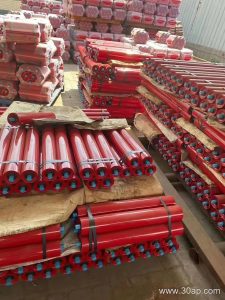
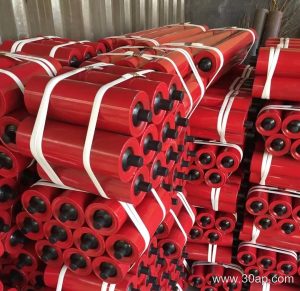
What a Belt Conveyor Bracket Does
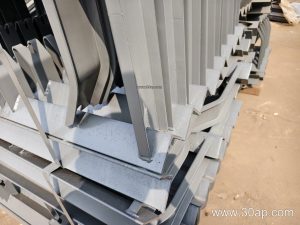
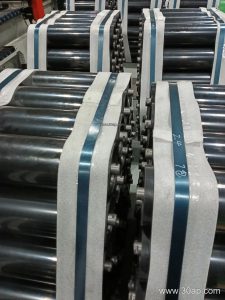
A belt conveyor bracket is the structural support that holds the idler roller in place and sets the trough shape of the conveyor belt. It is a small component compared with the conveyor pulley or the drive unit, but it decides how evenly the belt sits, how the load is distributed, and how long the rollers last. In a quarry, a coal handling plant, or a cement kiln line, a weak support bracket shows up quickly as belt misalignment, spilled material, and uneven wear.
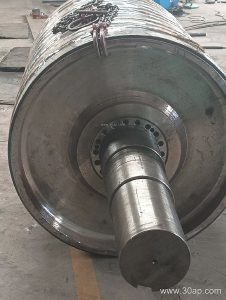
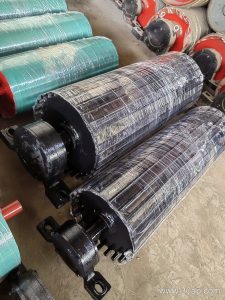
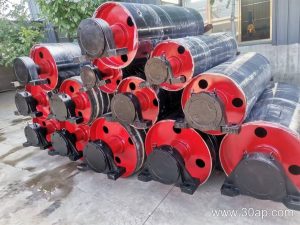
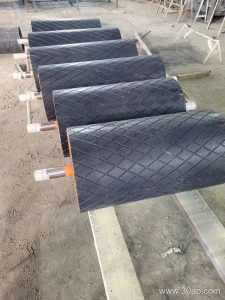
The part is often called a conveyor bracket or an idler support frame, and the two names describe the same product. It should not be confused with the drive pulley, tail pulley, or bend pulley, which are separate rotating components at the ends and turns of the system.
Construction and Common Forms
Most brackets are fabricated from angle steel, channel steel, or folded steel plate, then drilled and welded to match the idler spacing. The main types used along a conveyor line include:
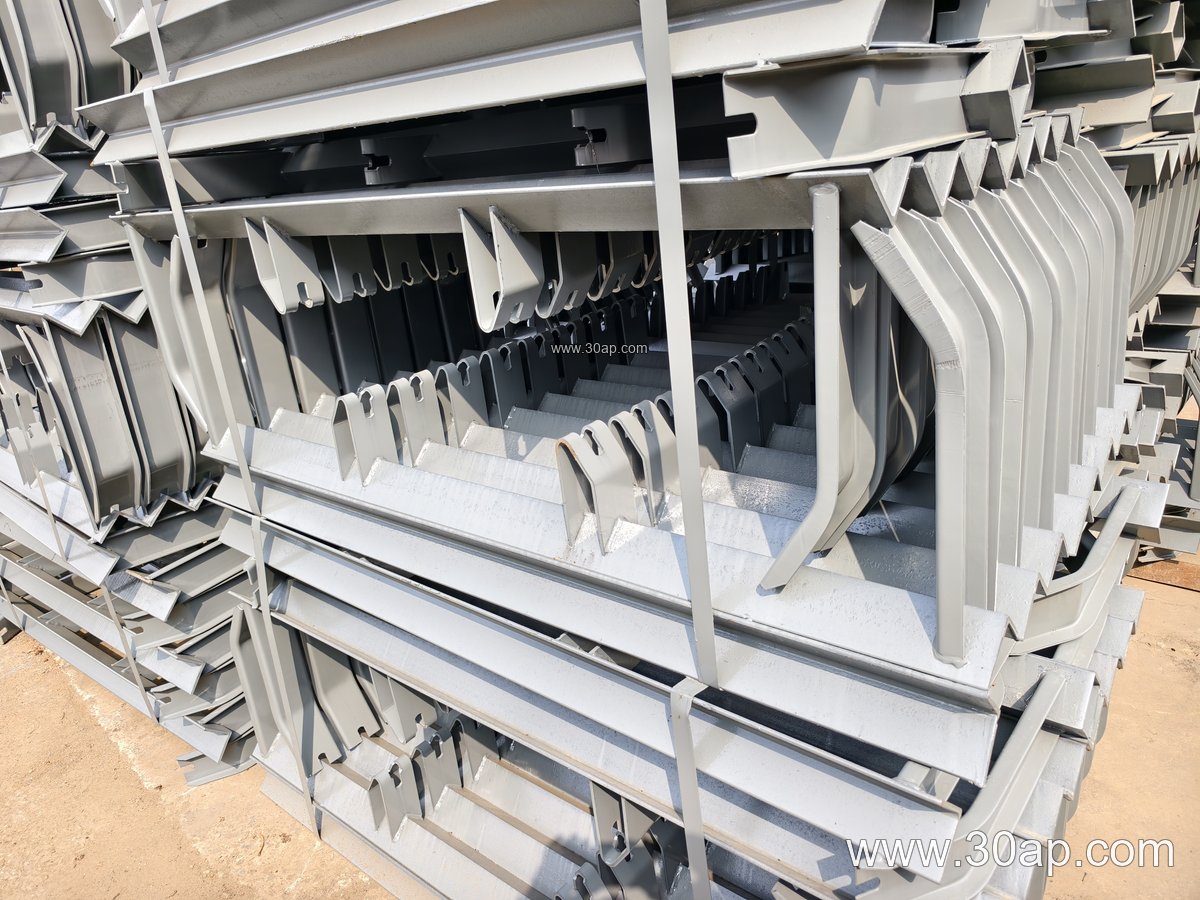
- Troughing brackets for the carrying side, usually with 20, 30, 35, or 45 degree trough angles
- Transition brackets near the feed point, where the belt changes shape gradually
- Return brackets and V-return brackets under the belt
- Impact brackets at transfer points, paired with impact idlers
- Self-aligning brackets for belts that tend to wander
- Adjustable brackets that allow the trough angle to be changed on site
Typical combinations are written as B800 with 35 degrees and Ø108 idlers, or B1200 with 45 degrees and Ø133 idlers. These are common references, not fixed rules. Hole spacing and beam length follow the belt width and trough angle, so they are determined by design rather than by a single standard figure.
Where These Supports Are Used
In a limestone quarry or a sand and gravel line, troughing brackets carry a heavy-duty mining conveyor belt loaded with crushed rock. In a power plant coal yard, they support the belt through long transfer runs and are often paired with a flame retardant conveyor belt for safety. In a cement plant, heat resistant conveyor belt sections near the clinker cooler need brackets that stay stable under thermal movement. Each site places slightly different demands on the same basic part.
Selection also depends on what the belt carries. An abrasion resistant conveyor belt on an ore conveyor needs strong roller support to prevent sag, while an EP conveyor belt or steel cord conveyor belt on a long overland run needs accurately aligned brackets to keep tracking stable.
Matching Brackets to Belt Width and Roller Diameter
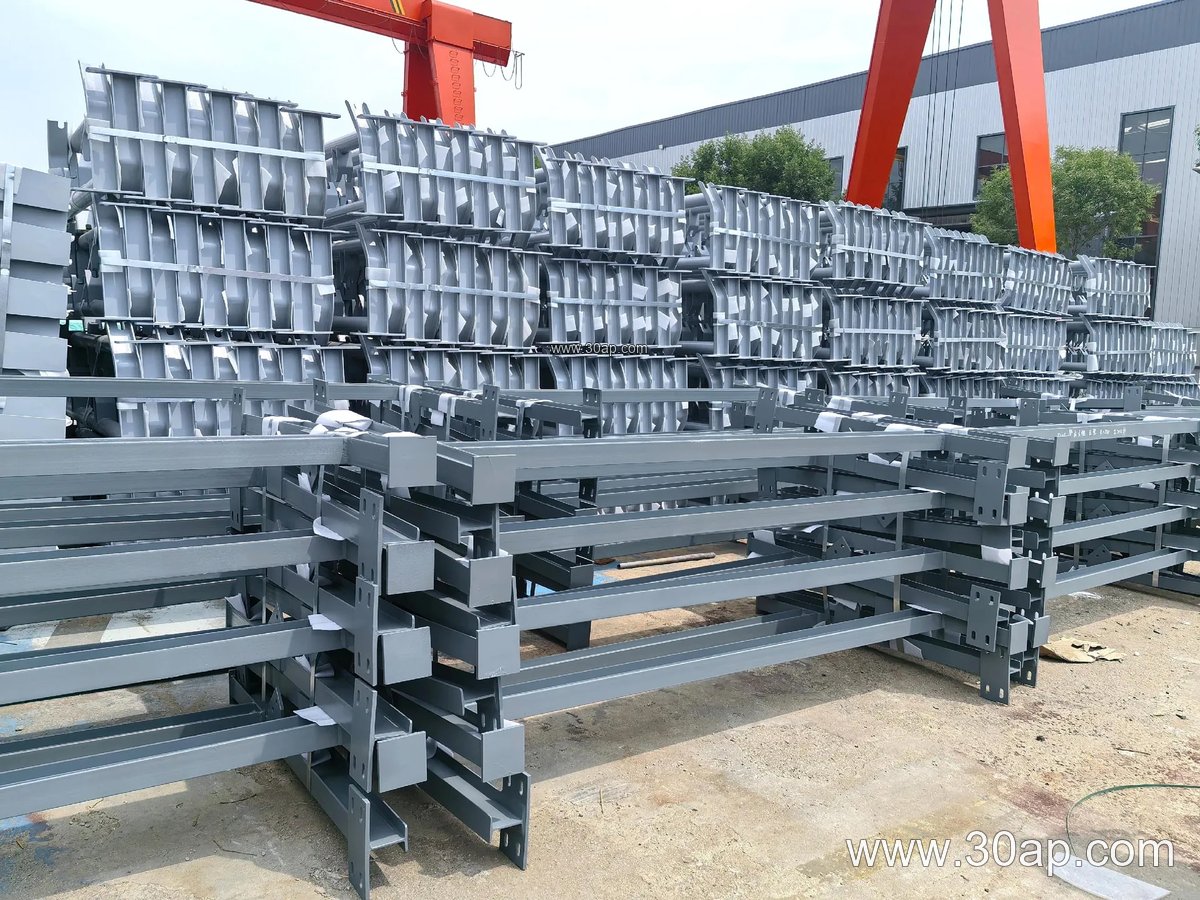
Buyers should treat belt width, trough angle, and roller diameter as a group. A wider belt needs a longer beam and more support points, and a larger roller diameter raises the mounting height. Common reference values are shown below; actual values should be confirmed against the conveyor drawing.
Typical Reference Combinations
| Belt width | Trough angle | Roller diameter | Typical use |
|---|---|---|---|
| B500 | 20-30 degrees | Ø89 | Light aggregate lines |
| B650 | 30 degrees | Ø89 | Small crushing plants |
| B800 | 35 degrees | Ø108 | Sand and gravel, cement |
| B1000 | 35-45 degrees | Ø108-Ø133 | Coal handling, ore |
| B1200 | 45 degrees | Ø133 | Mining and port transfer |
| B1400-B1600 | 35-45 degrees | Ø133-Ø159 | Heavy bulk material |
| B1800-B2000 | 35-45 degrees | Ø159-Ø194 | Large iron ore and port systems |
A belt width does not lock the bracket to one trough angle or one roller size. The same B1200 frame may be built for 35 or 45 degrees, and the roller diameter depends on load and speed. Fixed and adjustable brackets also differ here: an adjustable bracket lets maintenance staff fine-tune the trough angle, while a fixed bracket keeps a set geometry for the life of the line.
What Buyers Should Check
Before ordering, confirm the belt width, the required trough angle, the roller diameter, and the mounting hole pattern. Ask whether the bracket is for the carrying side, the return side, or a transition zone, and whether it must be adjustable. Check the steel thickness and surface treatment for the site conditions, especially in wet washing plants or dusty coal yards. Also confirm compatibility with the conveyor pulley layout and the idler roller series already in use, so spare parts stay consistent. A well-matched conveyor bracket is a low-cost way to protect the belt, reduce downtime, and keep bulk material moving steadily.