What an Impact Idler Bracket Does
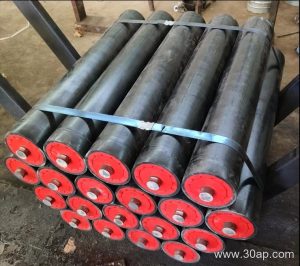
An impact idler bracket is the support frame that holds impact idler rollers directly beneath a conveyor belt’s loading point. Its job is simple to describe but demanding in service: absorb the energy of falling material, keep the rollers at the correct height and trough angle, and protect the belt from being hammered against a rigid surface. In a quarry, a coal preparation plant, or a crushing and screening line, this bracket is often the first component to feel the punishment of large lump sizes and high drop heights.
The bracket is not the roller itself, and it is not a conveyor pulley. It is the structural interface between them, and its alignment affects how evenly the load is shared across the belt width.
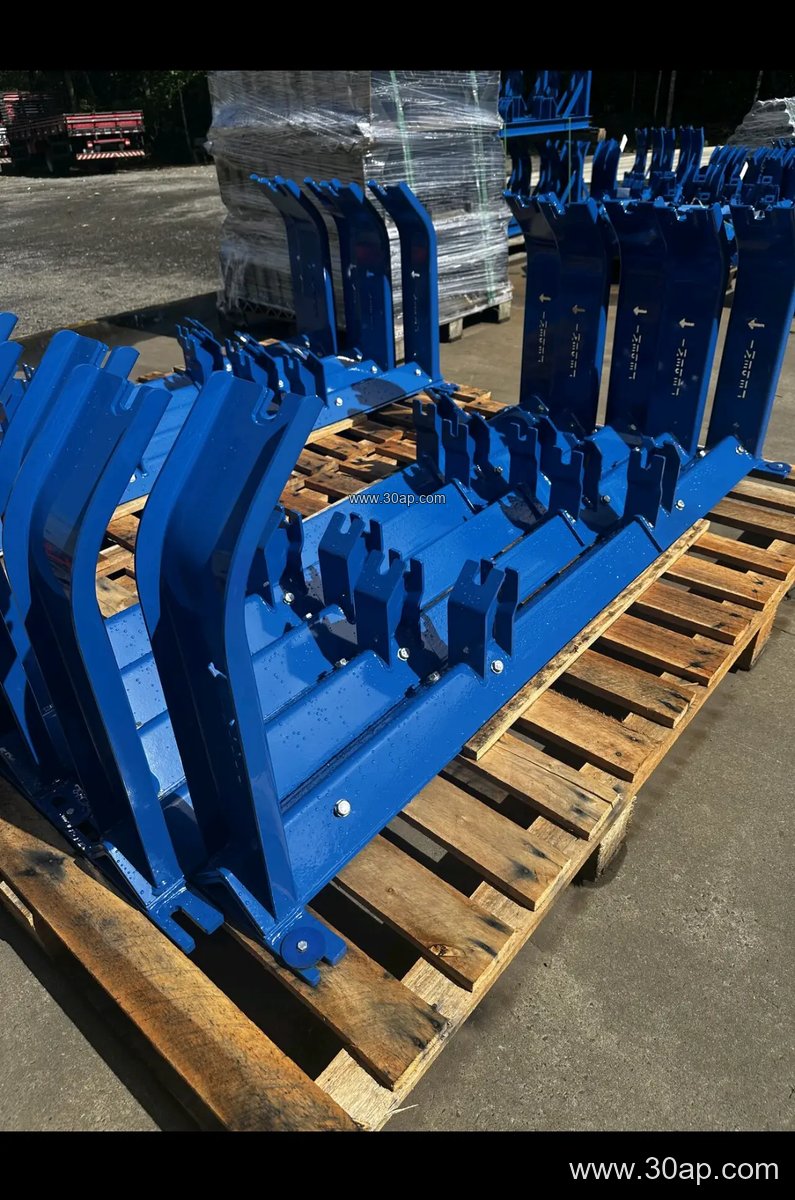
How the Bracket Is Built
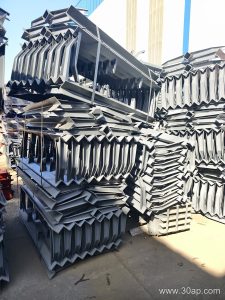
Most impact idler brackets are fabricated from angle steel, channel steel, or folded steel plate. The frame usually carries a crossbeam with mounting slots for the roller shafts, plus inclined side supports that set the trough angle. Because impact zones see repeated shock, builders often add reinforcing gussets and thicker plate at the connection points.
Common configurations include three-roll troughing frames, five-roll frames for wider belts, and adjustable versions that allow the trough angle to be changed on site. Fixed brackets are simpler and cheaper; adjustable brackets cost more but let maintenance teams fine-tune belt contact after installation.
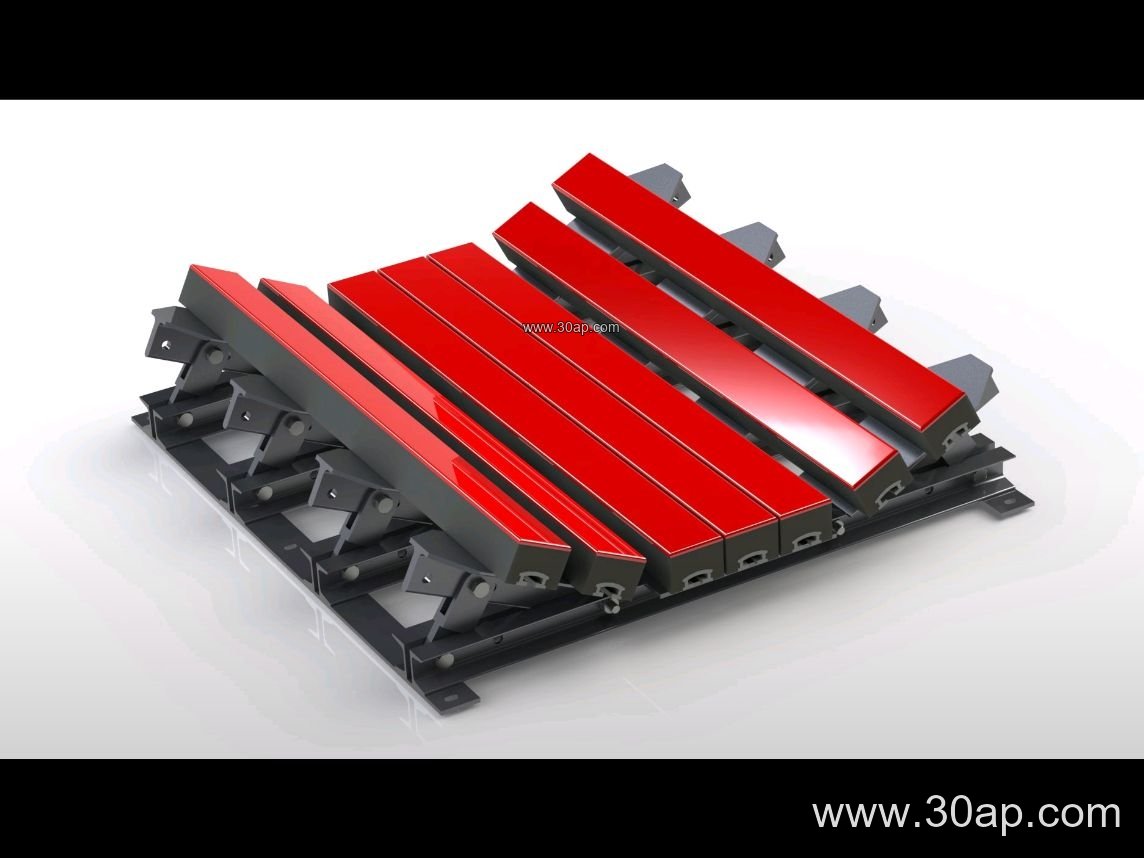
Sizes and Reference Data
The table below shows typical reference values. These are common ranges, not universal specifications, and actual mounting hole spacing and crossbeam length should always be confirmed by design.
| Parameter | Common Reference Values |
|---|---|
| Belt width | B500, B650, B800, B1000, B1200, B1400, B1600, B1800, B2000, B2200 |
| Trough angle | 20°, 30°, 35°, 45° |
| Roller diameter | Ø89, Ø108, Ø133, Ø159, Ø194 |
| Material | Angle steel, channel steel, folded steel plate |
| Typical combinations | B800 with 35° and Ø108; B1200 with 45° and Ø133; B650 with 30° and Ø89 |
Note that a given belt width does not lock the bracket to one trough angle or one roller diameter. The correct match depends on material lump size, belt speed, and the conveyor’s load profile.
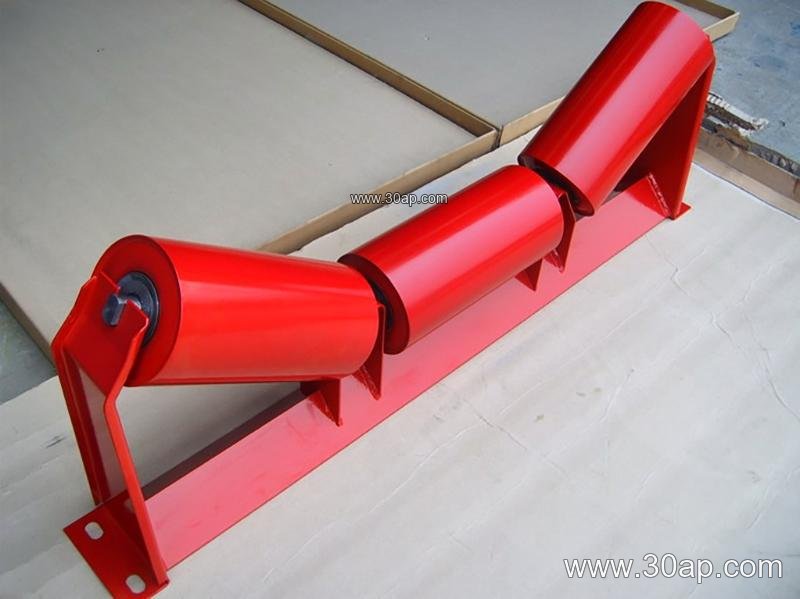
Where It Fits on the Conveyor
The impact bracket sits at the transfer chute discharge, where material first lands on the belt. It is distinct from the carrying idler brackets along the normal run, the return brackets underneath, and the self-aligning brackets used to correct belt tracking. It is also unrelated to the drive, tail, and bend pulleys, which transmit and redirect belt tension rather than support the load.
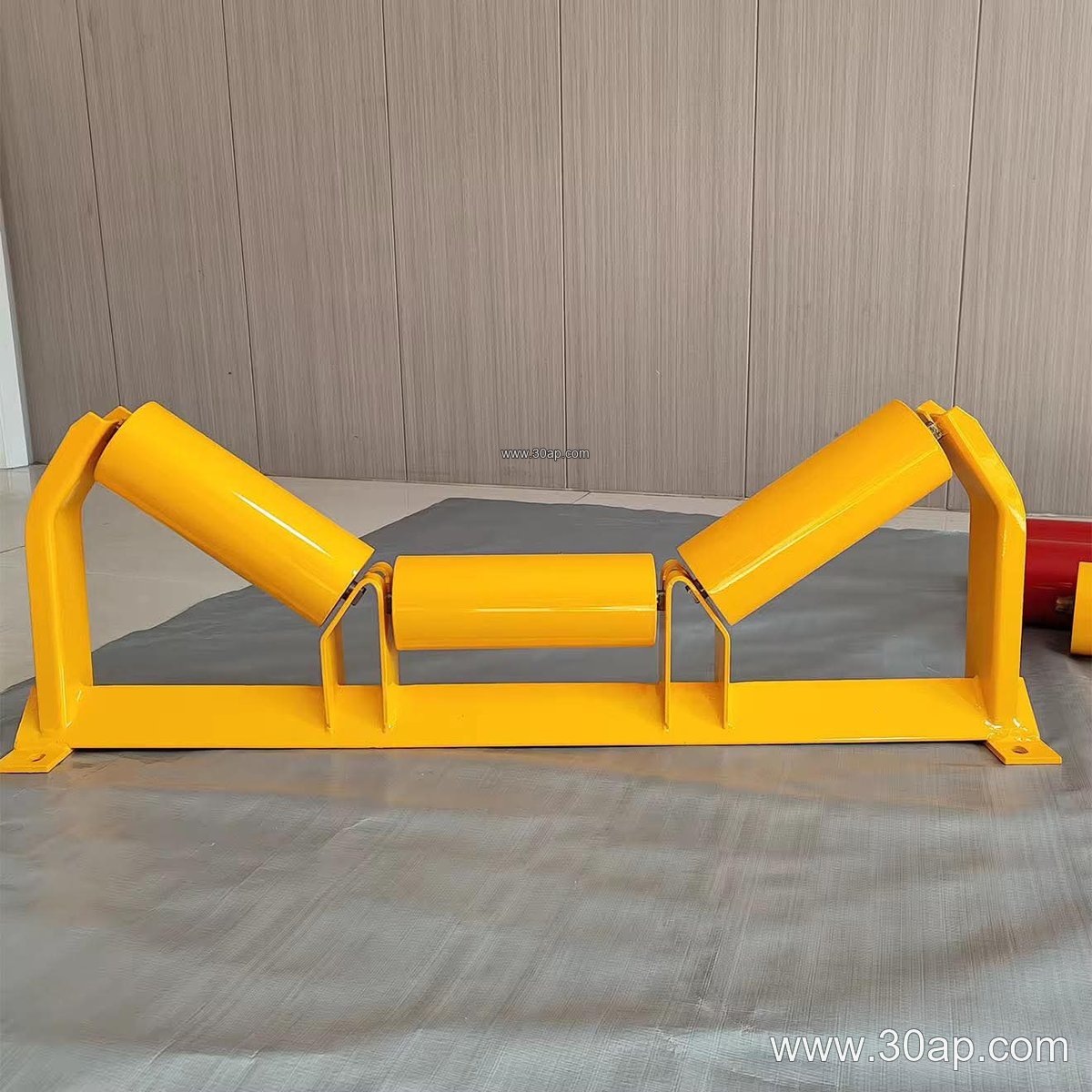
In a cement plant receiving clinker, or a power plant unloading coal, the impact zone may need a short series of brackets rather than a single frame, so the shock is spread over several roller sets. This is where an impact-resistant conveyor belt and a properly sized bracket work together.
Selection Points for Buyers
- Confirm the belt width and the required trough angle before ordering; adjustable frames offer flexibility but add cost.
- Match roller diameter to the load and belt speed, not to a single fixed rule.
- Check the drop height and maximum lump size at the transfer point, since these drive shock loading.
- Verify mounting hole spacing and crossbeam length against the actual conveyor structure.
- Consider the working environment: wet, dusty, or corrosive conditions may call for different surface treatment.
For heavy-duty mining conveyor belt systems handling ore or rock, a reinforced bracket with a steeper trough angle often helps contain the load. In a sand and gravel yard, a standard three-roll frame may be sufficient. Buyers should also confirm that the bracket suits the belt type in use, whether that is a multi-ply fabric core conveyor belt, an EP conveyor belt, or a steel cord conveyor belt.
Installation and Maintenance Notes
Install the bracket square to the belt centerline so the rollers contact the belt evenly. After the first weeks of operation, recheck bolt torque and frame alignment, because impact zones tend to loosen fasteners. Worn or seized rollers should be replaced promptly; a damaged roller on a sound bracket can usually be swapped without removing the frame. Inspect the bracket for bent crossbeams or cracked welds, especially after a jam or a large foreign object has passed through the chute.
Keeping the impact idler bracket in good condition extends roller life, reduces belt edge damage, and helps the whole conveyor bracket assembly stay aligned. For operators in aggregate, coal, and ore handling, it is a small component with a large influence on uptime.