What an Idler Bracket Does on a Conveyor
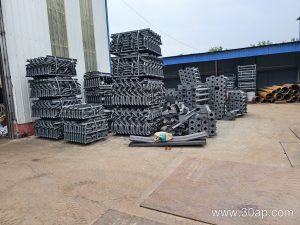
An idler bracket is the structural support that holds conveyor idler rollers at the correct position and angle along a conveyor frame. Often called a conveyor bracket or idler frame bracket, it connects the roller assembly to the main stringer or cross member, keeping the belt profile stable as material moves from the load point to the discharge end. In a quarry, a coal handling plant, or a cement kiln feed line, the bracket is a small component with a large effect on belt tracking and roller life.
Because the bracket determines how the idler roller sits relative to the conveyor belt, it directly influences trough shape, belt sag, and the load carried at each station. A loose or misaligned bracket can cause edge wear, spillage, and premature roller failure, so selection deserves the same attention as the belt itself.
Construction and Common Forms
Most idler brackets are fabricated from angle steel, channel steel, or folded steel plate. The material choice follows the duty: light aggregate lines often use folded plate brackets, while heavy iron ore or power plant coal conveyors tend to use channel or angle sections with thicker walls. Holes and slots are positioned to match the idler shaft and the frame cross member, and the spacing changes with belt width and trough angle rather than being a single fixed number.
Common bracket types include:
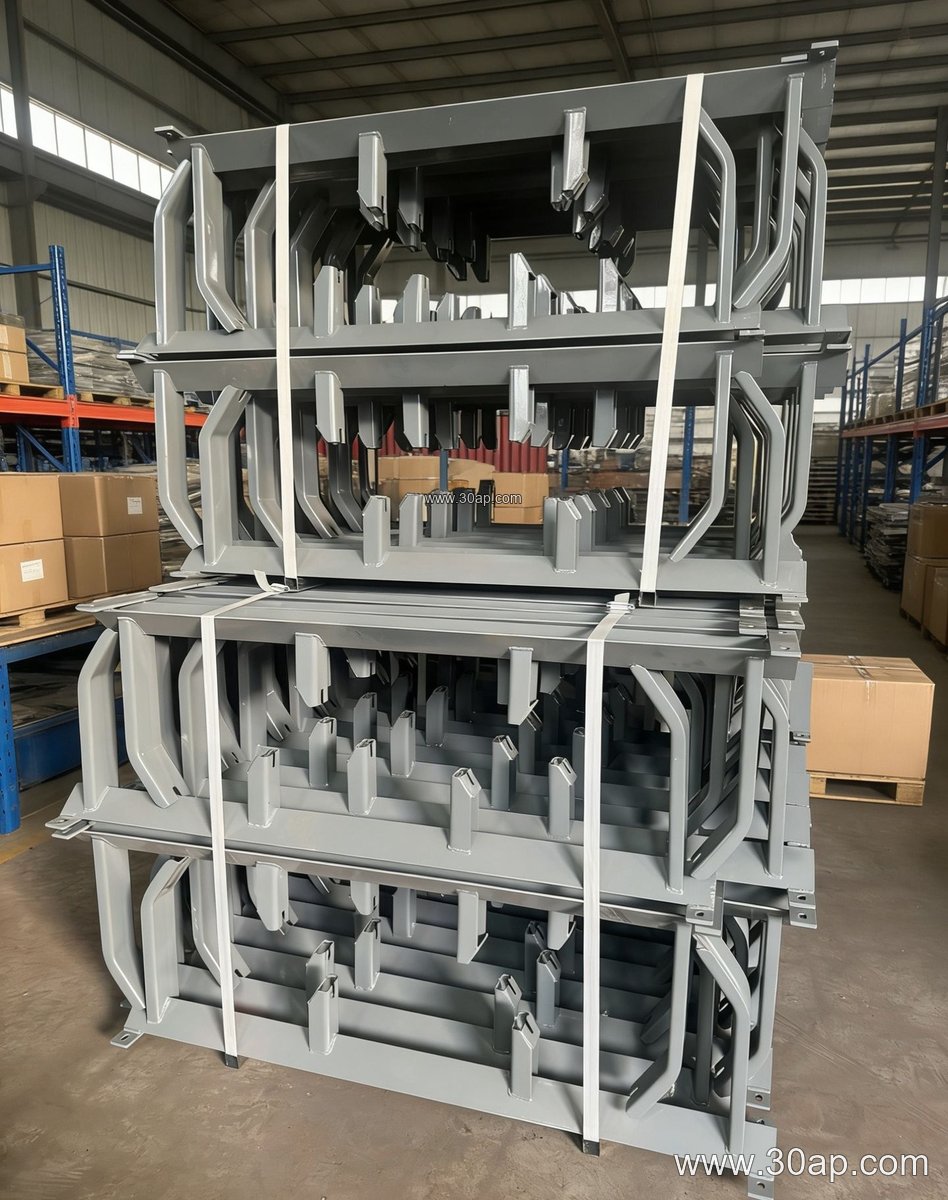
- Troughing brackets for the carrying side, typically set at 20, 30, 35, or 45 degrees
- Transition brackets near the head and tail to guide the belt from flat to troughed
- Return brackets and V-return brackets for the empty strand
- Impact brackets under loading zones, often paired with impact rollers
- Self-aligning and forward-leaning brackets for belt tracking
- Adjustable brackets that allow the trough angle to be changed on site
The forward-leaning type is usually set at about 1.5 to 2 degrees to help center the belt. Adjustable versions let maintenance teams fine-tune the trough angle between the common settings without replacing the frame.
Matching Bracket, Belt, and Roller
Bracket selection starts with belt width and the intended trough angle, then moves to roller diameter. Typical combinations seen in the field include B800 with 35 degrees and Ø108 rollers, or B1200 with 45 degrees and Ø133 rollers. A narrower B650 line may use 30 degrees and Ø89 rollers, while larger B1800 or B2000 conveyors often run Ø159 or Ø194 rollers. These are reference patterns, not fixed rules; the same belt width can work with more than one trough angle or roller diameter depending on load and belt stiffness.
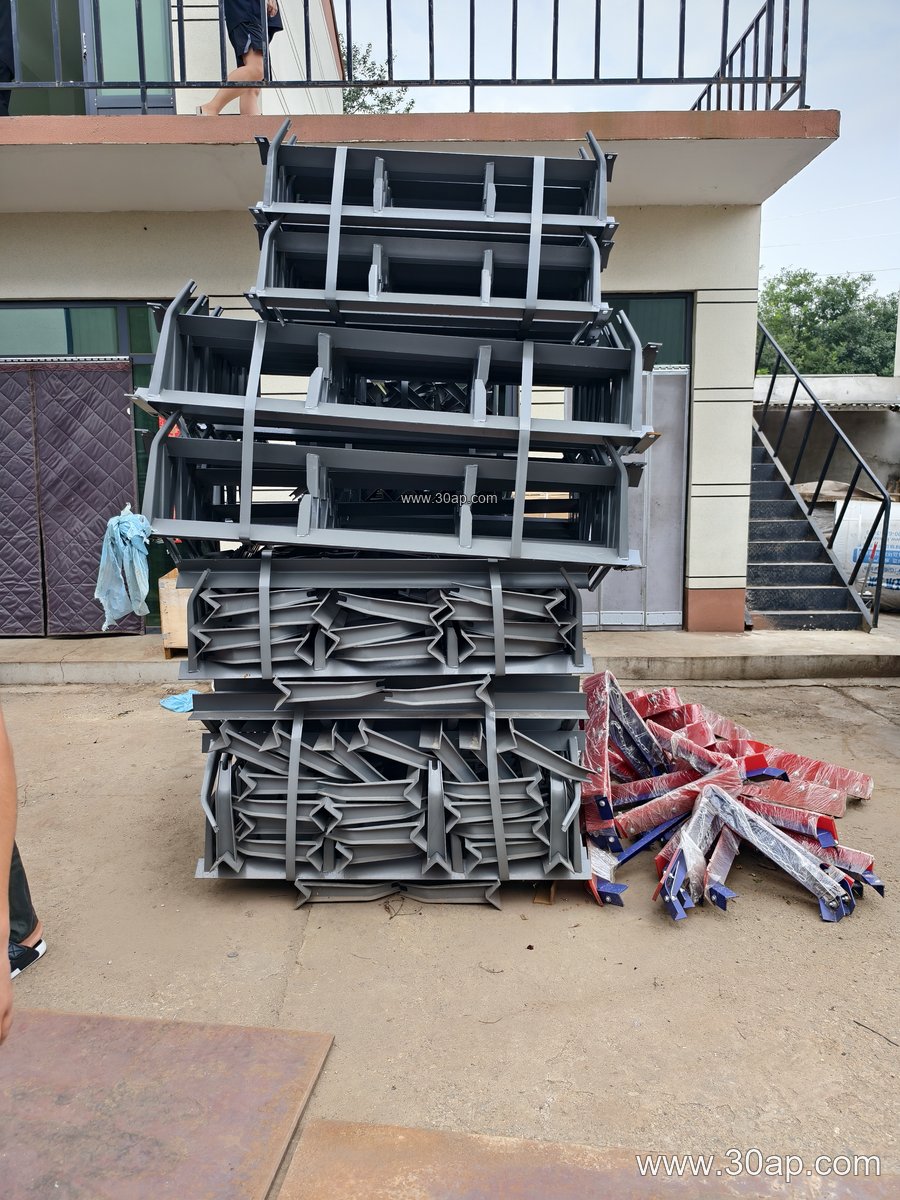
Belt construction also matters. A heavy-duty mining conveyor belt or a steel cord conveyor belt with high tension may need stiffer brackets and closer station spacing than a lightweight EP conveyor belt on a short aggregate line. Heat resistant conveyor belt in a cement plant or a flame retardant conveyor belt in an underground coal mine may call for brackets that tolerate higher temperatures or stricter safety requirements. When a conveyor pulley at the head or tail is replaced, check that the adjacent transition brackets still match the new belt path.
Where Idler Brackets Are Used
These brackets appear wherever a conveyor belt runs on rollers. In a limestone quarry or stone crushing line, troughing brackets support the belt through the crusher feed and screening sections. In a coal washing plant or power station coal yard, return brackets and V-return brackets keep the empty belt aligned on long runs. Sand and gravel plants, fertilizer handling, and grain silos also rely on them, though dust and moisture levels may influence the surface finish chosen.
For more on matching frames with rollers, see the roller and bracket range at https://www.hsconveyorbelt.com/idler-bracket, and for belt-side considerations visit https://www.hsconveyorbelt.com/conveyor-belt. Belt and bracket choices are usually reviewed together during layout.
Buyer Checklist
Before ordering, confirm the belt width, the required trough angle, the roller diameter, and the mounting hole pattern on the existing frame. Ask whether the bracket is fixed or adjustable, and whether it is for the carrying side, return side, or a transition zone. State the environment: a dusty quarry, a wet wash plant, or a hot clinker line each leads to a different material and finish preference. Finally, check that spare brackets match the installed frame, since mixing hole patterns can force re-drilling and delay maintenance.