What a Sand and Gravel Plant Conveyor Pulley Does
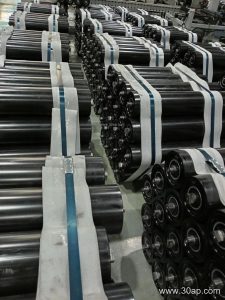
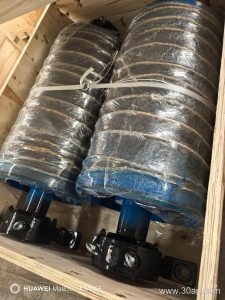
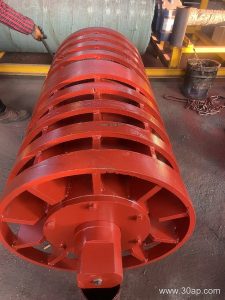
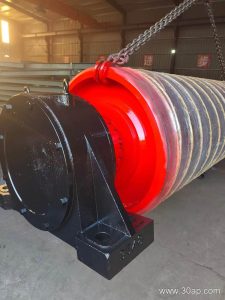
In a sand and gravel plant, the conveyor pulley is the rotating drum that drives or redirects the belt. It is not just a roller—it transfers power, maintains tension, and shapes the belt’s path. The drive pulley, often called the head pulley, grips the belt and moves it forward. The tail pulley at the loading end redirects the belt, while bend pulleys guide it through curves or tensioning zones. Each subtype has a distinct role, and they are not interchangeable. A drive pulley needs high friction and torque capacity; a tail pulley focuses on alignment and cleaning; a bend pulley manages direction changes with minimal belt stress.
Construction and Surface Options
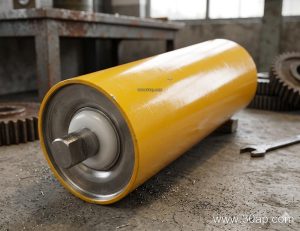
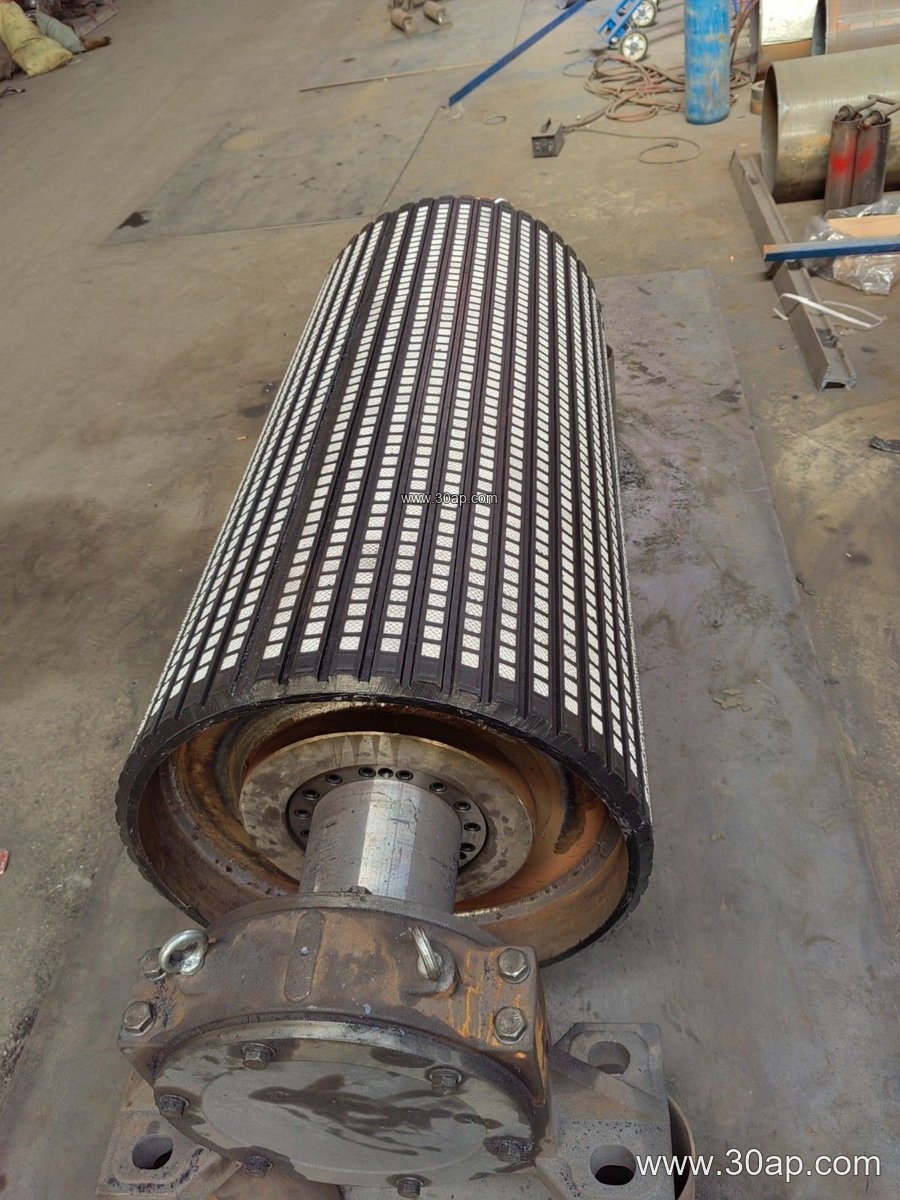
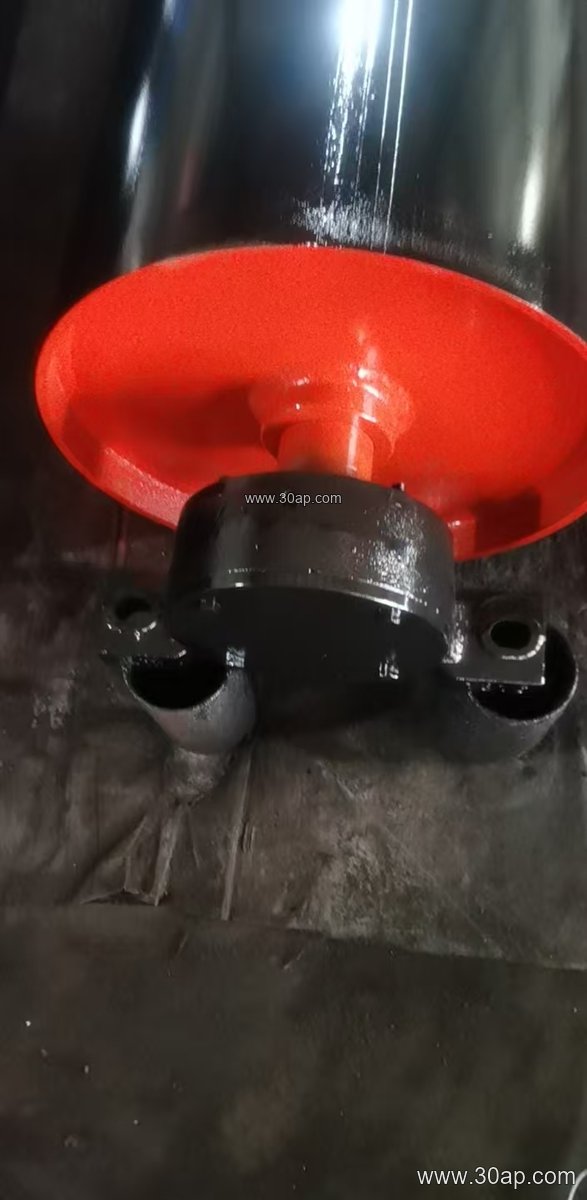
A typical sand and gravel plant conveyor pulley is built from a steel shell, shafts, and end discs. The shell diameter and face width are matched to the belt width and load. Common diameters range from Ø200 to Ø1800, and face widths usually exceed the belt width—for example, a B800 belt often runs on a pulley with about 950 mm face width. Surface treatment is critical for grip and wear life. Options include plain finish, cast rubber, cold-bonded rubber, hot-vulcanized rubber, diamond grooving, herringbone grooving, ceramic lagging, and flat rubber. Lagging thickness commonly falls between 8 mm and 20 mm. Shaft diameters from Ø50 to Ø200 are typical, but the final size is determined by torque and load, not by belt width alone. A B1200 × Ø1000 drive pulley and a B800 × Ø500 tail pulley are both valid combinations depending on the duty.
Where It Fits in the Plant
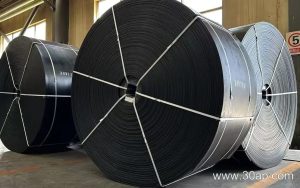
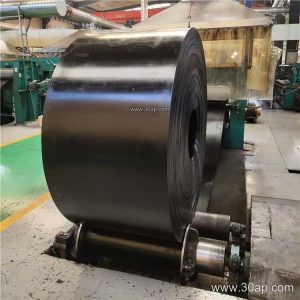
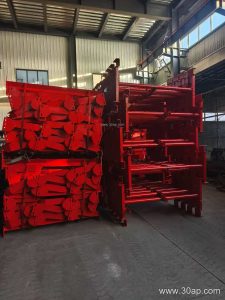
Sand and gravel plants rely on conveyors to move material from crushers to screens and stockpiles. The conveyor pulley works alongside the conveyor belt, idler roller, and conveyor bracket to keep the line running. In a quarry or aggregate line, a heavy-duty mining conveyor belt may carry abrasive rock, so the drive pulley often uses ceramic or diamond lagging for grip. In a concrete mixing station or a limestone quarry, a fabric core conveyor belt such as an EP conveyor belt or NN conveyor belt may run on pulleys with plain or rubber lagging. The same pulley design can appear in a coal washing plant, a power plant coal yard, or a port bulk terminal, but the environment dictates the lagging and sealing choices.
Matching Pulley to Belt and Duty
Selecting a sand and gravel plant conveyor pulley starts with the belt. A wide, heavy belt like a 1200mm wide conveyor belt or a 1500mm wide conveyor belt needs a pulley with sufficient face width and shell strength. The belt type matters too: an abrasion resistant conveyor belt handles sharp gravel, while a heat resistant conveyor belt is rarely needed in gravel but common in cement plants. For inclined sections, a chevron conveyor belt or corrugated sidewall conveyor belt may require a larger tail pulley to avoid belt damage. The pulley diameter should be large enough to limit belt bending stress, but there is no fixed rule that one belt width matches one diameter. A B650 belt might use a Ø400 tail pulley in a light duty line, while a B1000 belt could use a Ø630 or Ø800 drive pulley in a primary crushing circuit. Shaft size follows the calculated torque, often Ø80 to Ø160 for medium-duty gravel conveyors.
Buyer Checklist
- Confirm the pulley type: drive, tail, bend, take-up, or snub—each has a different design focus.
- Specify belt width and expected belt type (e.g., EP200, NN300, steel cord) so the pulley face width and lagging can be matched.
- State the duty: primary crusher discharge, screen feed, or stockpile conveyor. Abrasive rock may call for ceramic lagging; wet or sticky material may need a plain or grooved surface.
- Provide the required shaft diameter or the torque and load data so the manufacturer can size it correctly.
- Ask about balancing, bearing selection, and sealing for dusty or wet conditions common in sand and gravel plants.
Maintenance Notes
Regular inspection of lagging wear, shaft alignment, and bearing condition extends pulley life. In a dusty quarry or aggregate plant, keep the pulley surface clean and check that the conveyor belt tracks centrally. A worn drive pulley lagging can cause belt slip, while a misaligned tail pulley leads to edge damage. Re-lagging or replacing the pulley is easier when the original specifications—diameter, face width, shaft size, and lagging type—are documented. For plants using a steel cord conveyor belt or a high tension EP conveyor belt, pulley shell thickness and weld quality deserve extra attention.