What a Conveyor Bracket Does on the Line
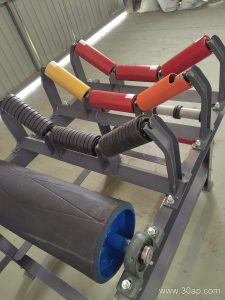
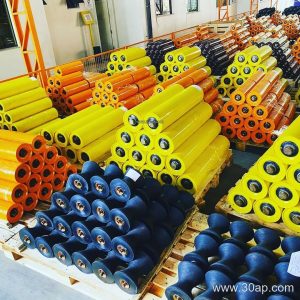
A conveyor bracket is the structural part that holds idlers in the correct position under and over the belt. It carries the weight of the belt, the material, and the idler assembly, and keeps the trough shape consistent along the whole run. In a quarry, cement plant, or coal handling system, a poorly matched bracket shows up quickly as belt wander, edge wear, and spilled material.
The bracket is usually a simple fabrication, but it has to fit the frame, the idler shaft, and the belt width at the same time. That is why buyers treat it as an engineered part rather than a generic steel item.
Construction and Common Forms
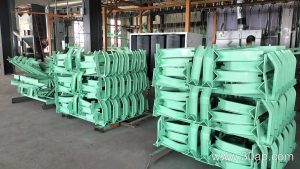
Most brackets are made from angle steel, channel steel, or folded steel plate. The material choice follows the load: light aggregate lines often use lighter angle sections, while heavy ore and coal streams call for thicker channel or folded plate with reinforced mounting points.
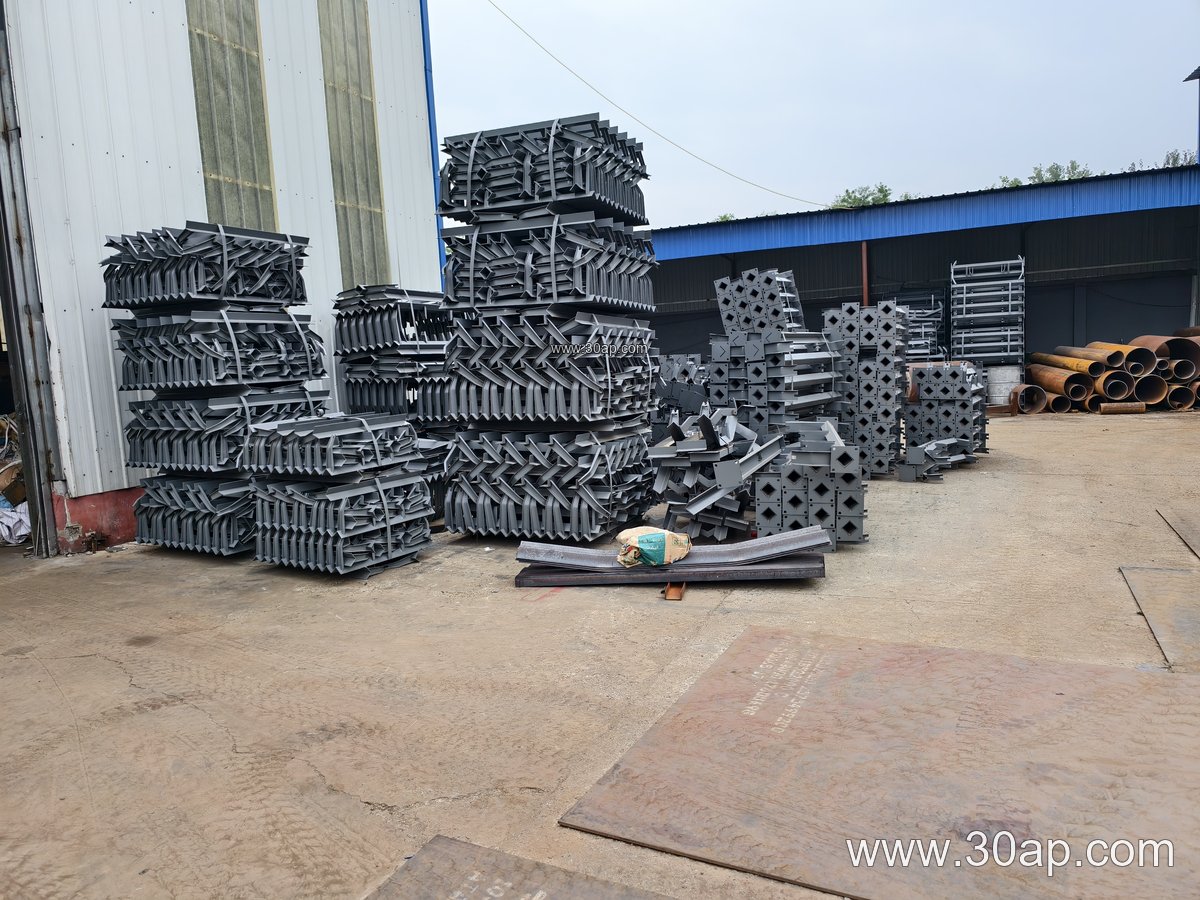
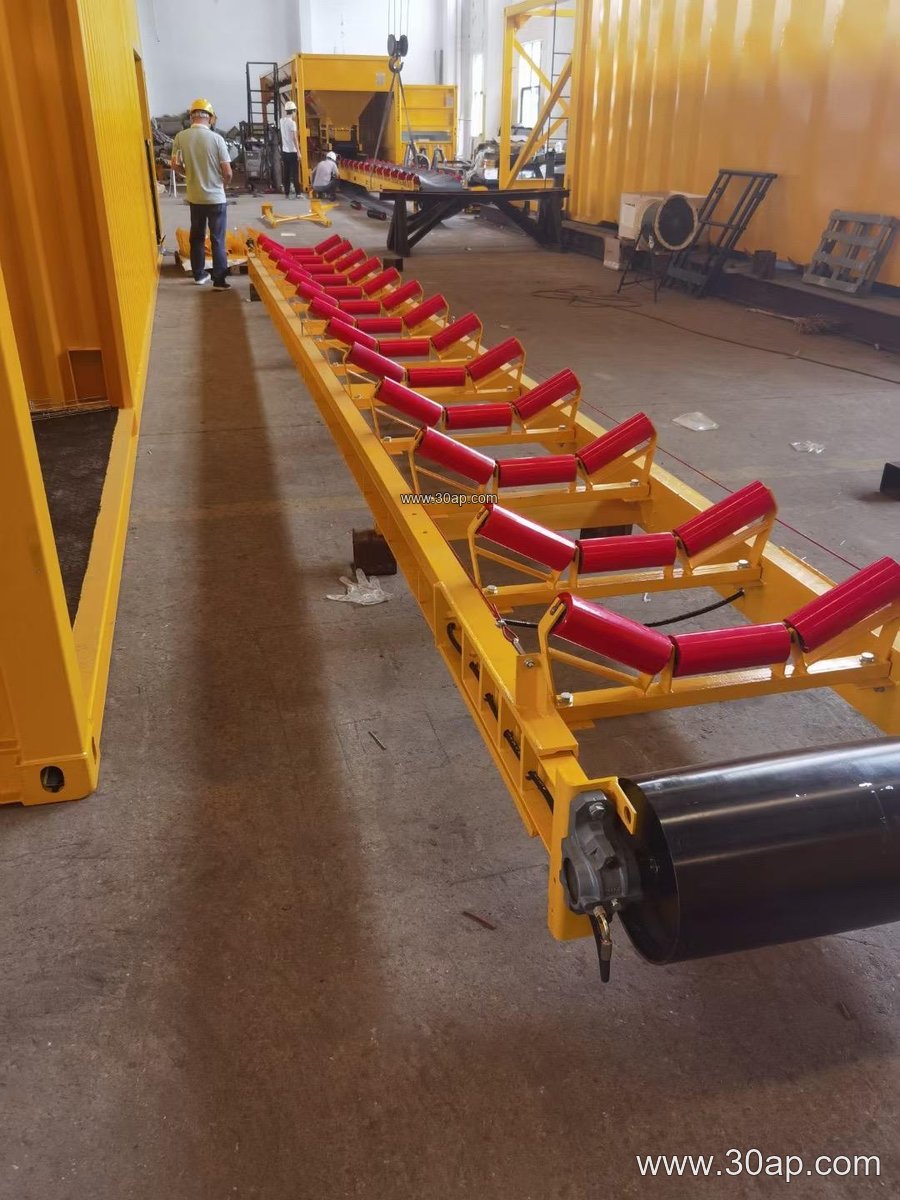
Common forms include trough brackets for the carrying side, return brackets and V-return brackets for the empty side, transition brackets near pulleys, impact brackets under loading points, and self-aligning or forward-leaning designs. A self-aligning bracket helps correct belt drift; a forward-leaning bracket is often set at roughly 1.5 to 2 degrees to encourage tracking.
Typical Reference Ranges
The table below shows common reference values, not fixed rules. Actual hole spacing and crossbeam length change with belt width, trough angle, and frame design.
| Item | Common Reference Range |
|---|---|
| Belt width | B500 to B2200 |
| Trough angle | 20, 30, 35, 45 degrees; adjustable brackets can shift between these |
| Idler diameter | Ø89, Ø108, Ø133, Ø159, Ø194 |
| Materials | Angle steel, channel steel, folded steel plate |
A typical specification might be written as B800, 35 degrees, Ø108, or B1200, 45 degrees, Ø133. A B650 line with 30 degrees and Ø89 idlers is also common. None of these combinations is mandatory, and one belt width can work with more than one trough angle or idler diameter.
Where the Bracket Fits in the System
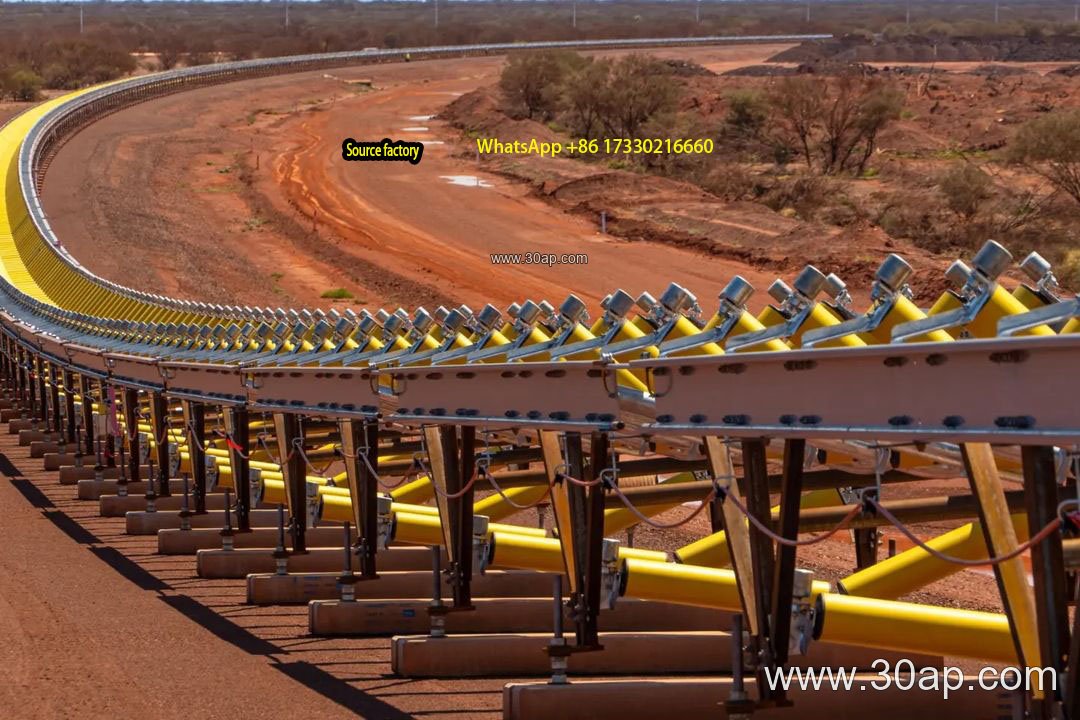
On a limestone quarry conveyor, trough brackets sit between the frames and support three idlers that form the belt into a trough. Near the crusher discharge, impact brackets with cushioning idlers absorb falling rock. On the return side, V-return brackets keep the belt centered and reduce sag.
In a coal preparation plant or power plant coal yard, flame retardant and anti-static belting is common, and the brackets must keep the belt aligned so that the flame retardant cover is not rubbed away at the edges. A fabric core conveyor belt such as an EP conveyor belt or NN conveyor belt behaves differently from a steel cord conveyor belt, and the bracket spacing and stiffness should follow the belt’s own tension and load profile.
The same logic applies in a cement plant, a steel plant sintering line, or a port shiploading system. Where a pipe conveyor belt or a corrugated sidewall conveyor belt is used, the bracket layout is usually custom because the belt path and support points differ from a standard troughed line.
Matching Bracket, Idler, and Belt
The bracket does not work alone. An idler roller must sit squarely in the bracket, and the belt must run on the idler without pinching. When selecting, confirm the belt width, the idler diameter, the trough angle, and the mounting hole pattern together. Check that the bracket height matches the frame so the belt line stays level through transitions.
For abrasive duties such as iron ore or copper ore, heavy-duty brackets and abrasion resistant belting reduce wear at the load zone. For hot material, heat resistant belting and brackets that allow thermal movement are worth considering. In cold climates, cold resistant belting may be paired with brackets that do not become brittle.
- Confirm belt width and idler diameter before ordering.
- Decide whether a fixed or adjustable trough angle suits the material.
- Check hole spacing and crossbeam length against the existing frame.
- Use impact brackets under loading points and self-aligning brackets on long runs.
Regular inspection of the conveyor bracket is simple: look for bent arms, loose bolts, worn mounting holes, and idlers that no longer sit at the correct angle. Replacing a distorted bracket early protects the conveyor belt and the idler roller from uneven wear.
For operators sourcing parts for a mining conveyor belt line, a coal mining conveyor belt system, or an aggregate conveyor belt run, the bracket is a small item that determines how well the whole conveyor pulley and idler assembly performs over time.