What an Abrasion Resistant Conveyor Belt Is
An abrasion resistant conveyor belt is a heavy-duty rubber belt engineered so its cover compound resists the cutting, gouging and surface wear caused by sharp, hard and fast-moving bulk materials. In practice it is often ordered as a high abrasion resistant conveyor belt when the load includes crushed rock, sinter, clinker, coke or ore rather than free-flowing grain or packaged goods. The belt keeps the same basic construction as other fabric or steel reinforced belts, but the wear layer and the compound formulation are tuned for a longer service interval under aggressive sliding contact.
Buyers usually meet this product in quarry conveyor belts, aggregate conveyor belts, crusher conveyor belts and mining conveyor belts, where the belt discharges directly from a crusher or a chute and receives continuous impact. It is also common on power plant conveyor belts handling coal and ash, and on cement conveyor belts carrying limestone and clinker.
How the Belt Is Built
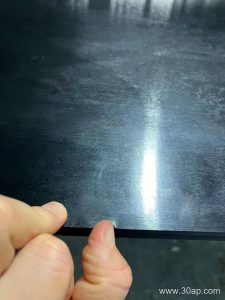
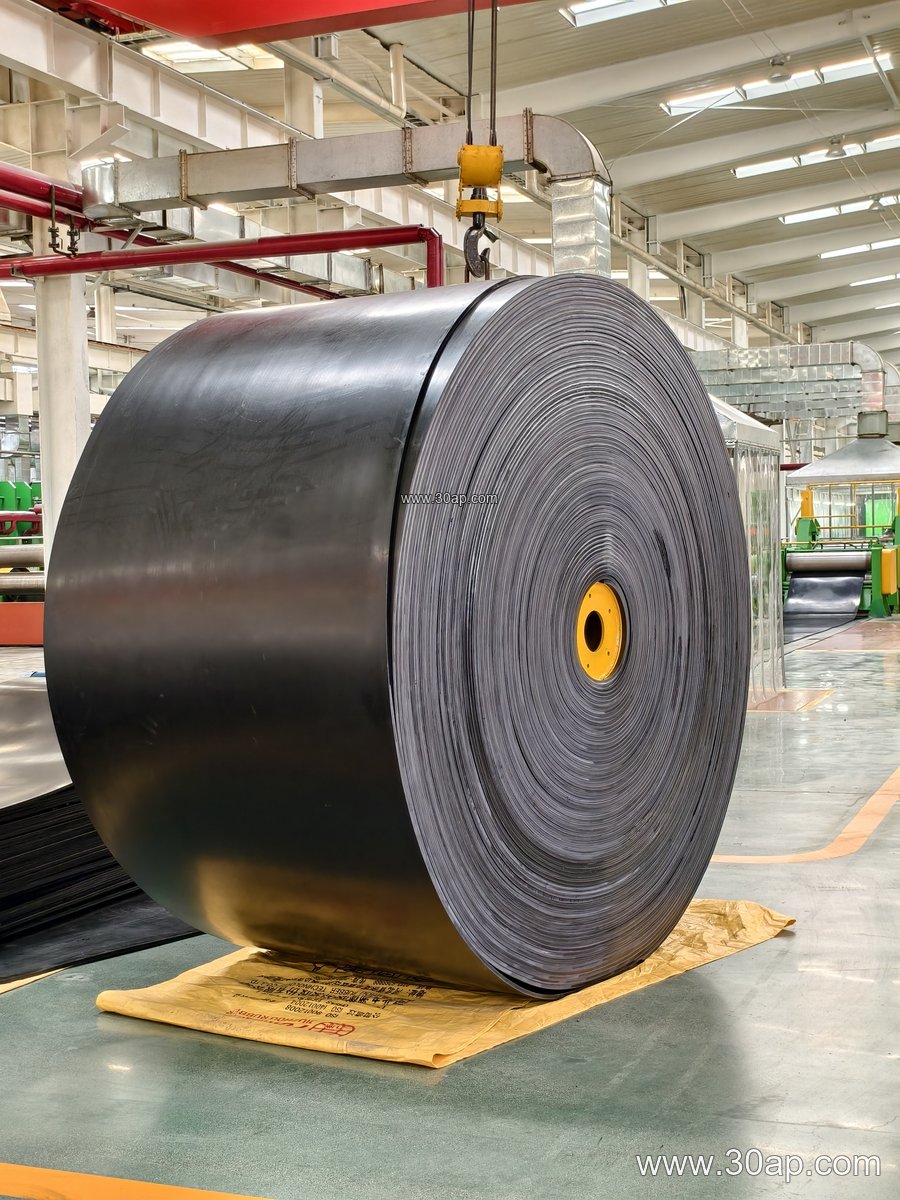
The carcass carries the tension and the cover takes the punishment. A typical abrasion resistant belt uses a multi-ply fabric core, such as an EP conveyor belt or NN conveyor belt, with two to six plies depending on the duty. For very long runs and high tonnage, a steel cord conveyor belt may be chosen instead. The top cover is usually thicker than the bottom cover, and common combinations include 4+2 mm, 5+2 mm, 6+2 mm and 8+3 mm, expressed as top cover plus bottom cover.
Rubber quality matters more than a single hardness number. A well formulated abrasion resistant compound balances tensile strength, elongation and tear resistance so that the cover wears evenly instead of chunking out around embedded stone. Skirted conveyor belt and corrugated sidewall conveyor belt designs can also use abrasion resistant covers where the material is confined on an incline.
| Property | Typical Range or Note |
|---|---|
| Fabric types | EP or NN, 2 to 6 plies |
| Strength grades (EP) | EP200, EP315, EP400, EP500, EP630, EP800, EP1000, EP1250 |
| Belt widths | B500, B650, B800, B1000, B1200, B1400, B1600, B1800 |
| Cover thickness | 3+1.5, 4+2, 5+2, 6+2, 8+3 mm |
| Steel cord option | ST1000 to ST3150 for heavy-duty mining service |
These values are reference data; final construction is confirmed by design and by the belt maker’s data sheet.
Where It Works Best
The strongest case for this belt is a transfer point with a height drop. Material hits the belt surface at speed, then slides until it matches belt velocity. A standard cover may polish and thin quickly; an abrasion resistant grade holds its surface longer. That matters on a rock conveyor belt at a quarry face, on an iron ore conveyor belt or copper ore conveyor belt at a mine, and on a gold mining conveyor belt where wet, gritty feed is common.
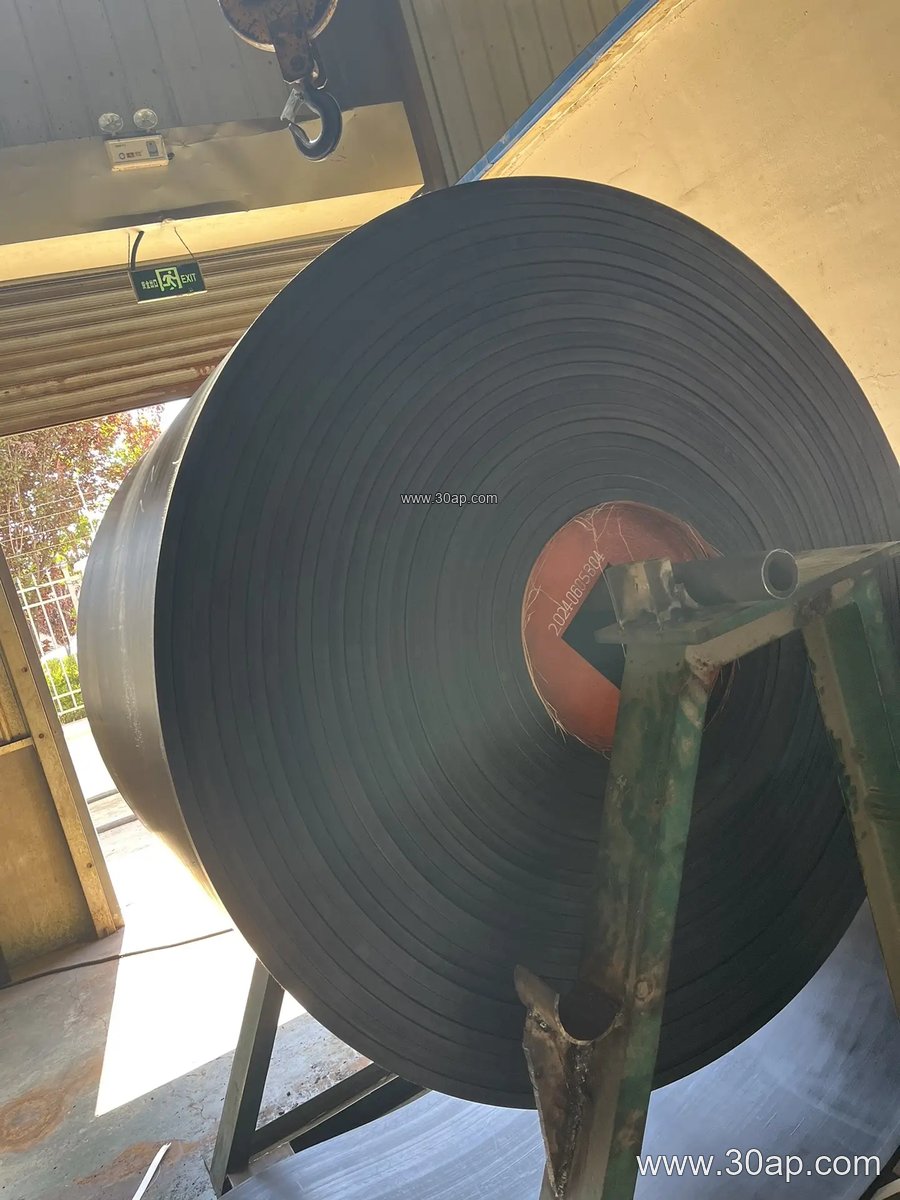
In coal mining, the belt must often combine wear resistance with flame retardant conveyor belt or fire resistant conveyor belt properties, and sometimes anti-static conveyor belt behavior, so the cover compound is a compromise rather than a pure wear grade. Underground coal mining conveyor belts and PVG conveyor belts are usually specified against those safety requirements first. For hot material such as cement clinker or sinter, a heat resistant conveyor belt is the correct choice, and abrasion resistance alone is not enough.
Choosing the Right Grade
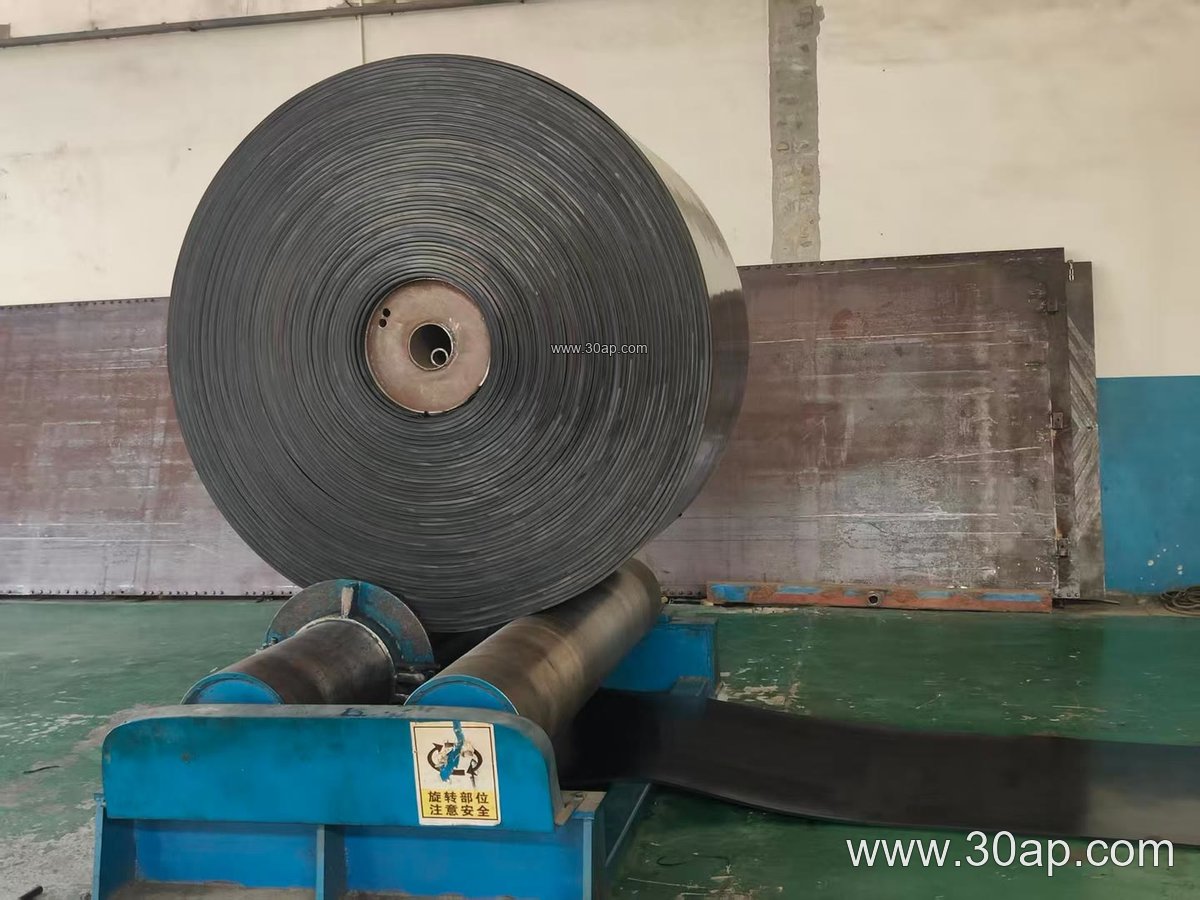
Start with the material: particle shape, size, moisture and drop height. Sharp, angular feed at a crusher outlet calls for a thicker top cover and a tougher compound. Then check the duty cycle and the conveyor layout. Long centers and high tension favor a high strength conveyor belt, while short, steep inclines may suit a chevron conveyor belt or a corrugated sidewall design with the same wear-resistant cover.
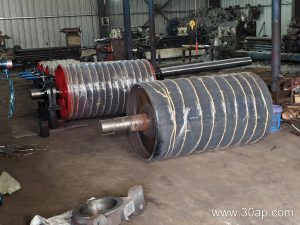
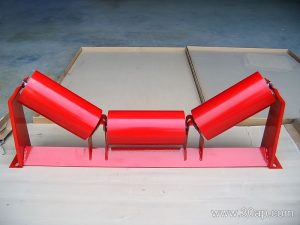
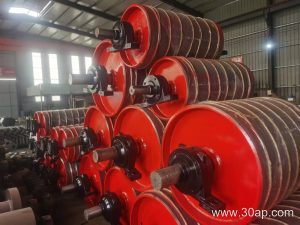
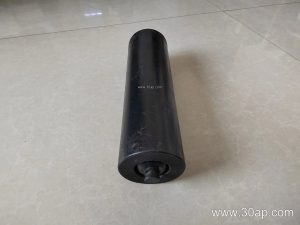
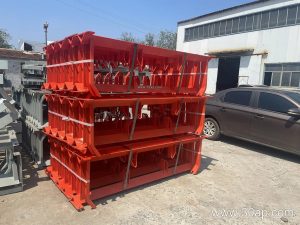
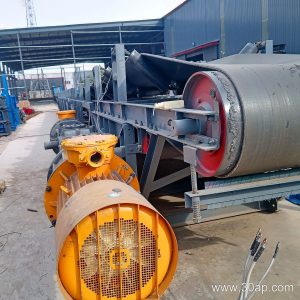
Confirm the pulley and support details before ordering. Belt width is not tied to one pulley diameter, and shaft size is set by the conveyor design, not by belt width alone. Check that the drive pulley, tail pulley and bend pulleys match the belt’s minimum bend radius, and that idler roller spacing and conveyor bracket positions support the loaded belt without excessive sag. A pipe conveyor belt or an endless conveyor belt may also be specified where the route or the splicing method requires it.
Maintenance and Buying Notes
- Inspect the top cover at transfer points for gouging, and check the bottom cover near the tail pulley for edge wear.
- Keep skirt rubber and chute liners from pressing on the belt; rubbing is a frequent cause of premature cover loss.
- Track belt tension and alignment so that edge damage does not undermine an otherwise good cover.
- Ask for the compound data, cover thickness and ply count in writing, plus the recommended splicing method.
- State the application clearly: mine, cement plant, power plant, sand and gravel yard or port. The same abrasion resistant conveyor belt family may need different covers for each.
For a durable result, match the belt to the real wear mechanism rather than to the widest catalog description. A belt sized and compounded for the actual feed, conveyor pulley layout and maintenance routine will usually outlast a heavier belt chosen on guesswork.