What Pulley Machining Involves
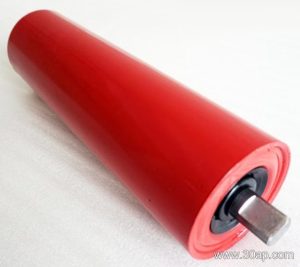
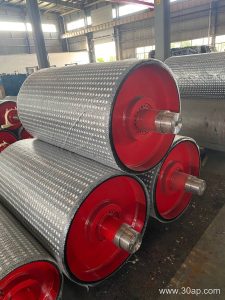
Pulley machining is the set of turning, welding, boring, and finishing operations that turn a raw shell and shaft into a working conveyor pulley. In a bulk handling line, the pulley is the component that redirects and tensions the belt, so the quality of its machining directly affects tracking, belt life, and downtime. Whether the unit is a drive pulley at the head of a quarry conveyor or a bend pulley in a coal handling circuit, the same core steps apply: shell preparation, shaft fitting, end disc welding, dynamic balancing, and surface finishing.
Buyers often treat the pulley as a simple round part. In practice, the machining tolerance on the shaft, the concentricity of the shell, and the finish of the lagging surface all matter. A poorly machined pulley can cause belt wander, premature cover wear on a heavy-duty mining conveyor belt, and vibration that travels through the whole structure.
How a Pulley Is Built and Machined
Fabrication usually starts with a rolled steel shell, machined on a lathe to control roundness and wall thickness. End discs are welded to the shell, then the assembly is bored to accept the shaft. The shaft itself is turned to the required journal dimensions, keyways are cut, and bearing seats are finished to a fine tolerance. After welding, the pulley goes through stress relief where needed, then final machining and balancing.
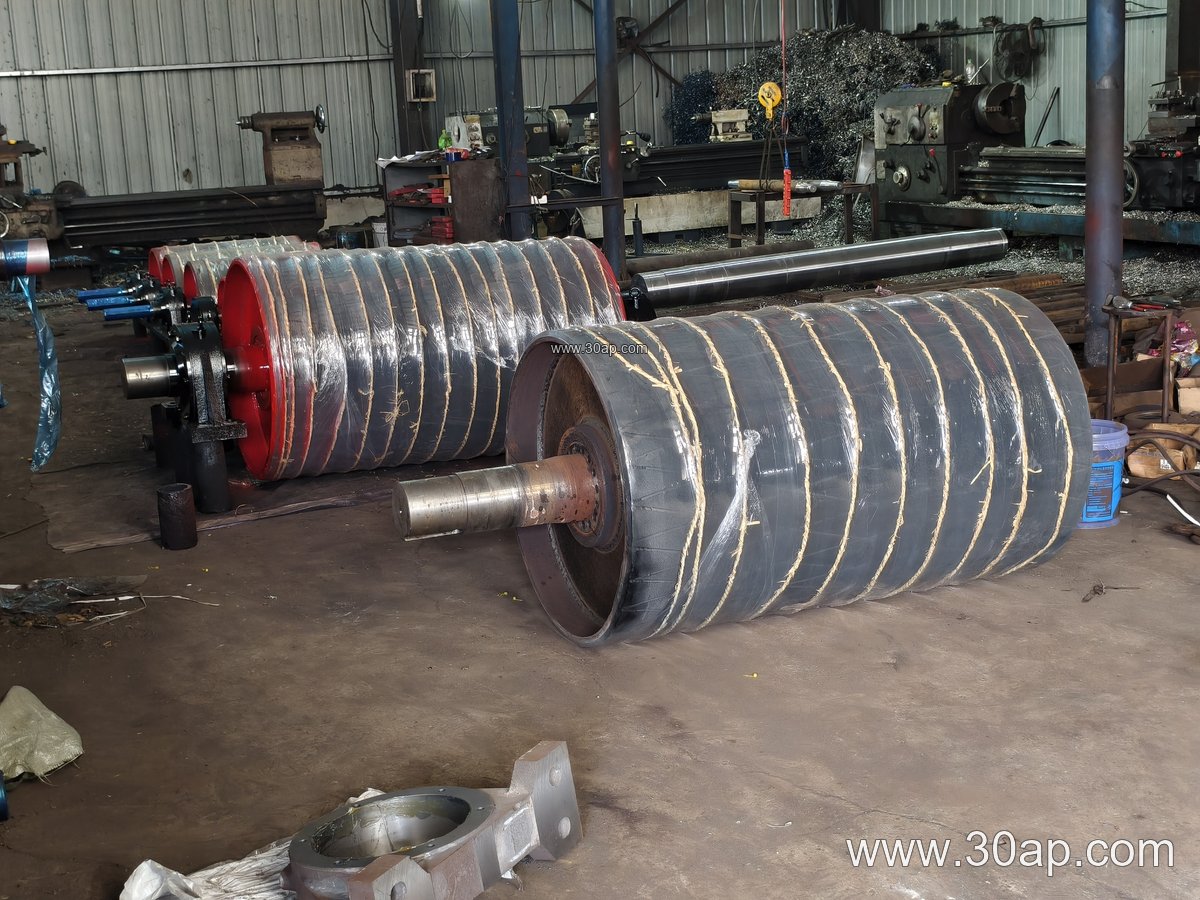
Surface preparation comes next. A plain machined face may be enough for light duty, while rubber lagging is applied by cold bonding or hot vulcanizing. Diamond grooving, herringbone patterns, and ceramic tiles are common where grip is critical. The chart below shows typical reference combinations, not fixed rules.
| Reference | Belt width (B) | Pulley diameter (Ø) | Common face width |
|---|---|---|---|
| Light duty | B500 | Ø250 to Ø315 | approx. 600 mm |
| Medium duty | B800 | Ø400 to Ø500 | approx. 950 mm |
| Heavy duty | B1200 | Ø800 to Ø1000 | approx. 1400 mm |
| Large head drive | B1400 | Ø1000 to Ø1250 | approx. 1600 mm |
| Wide bulk line | B1800 | Ø1250 to Ø1400 | approx. 2000 mm |
Shaft diameter is set by torque and load, not by belt width alone. Common journals run from Ø50 up to Ø200, and the final value should come from the drive calculation.
Where Machined Pulleys Do Their Work
In an aggregate plant, the head pulley drives the discharge end of a crusher conveyor belt, while a bend pulley keeps the return strand aligned. In a coal preparation plant or a power station coal yard, flame retardant conveyor belt and anti-static belting run over pulleys that must be balanced and well lagged to avoid slip. Cement plants use pulleys on clinker and limestone lines where dust is constant, and iron ore terminals rely on robust shells and thick lagging to survive abrasive fines.
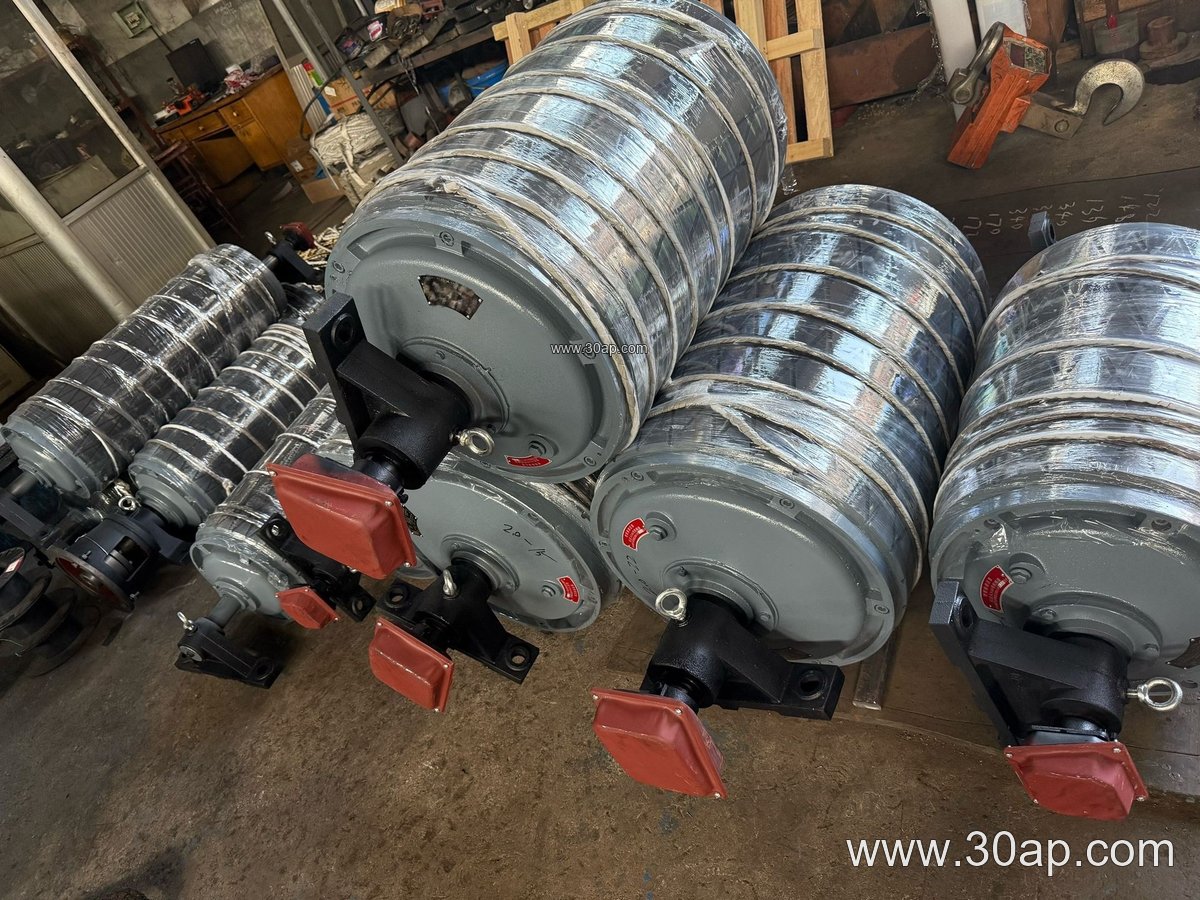
Each position asks something different from the machined part. A drive pulley carries the highest torque and needs a secure shaft fit and strong lagging. A tail pulley runs in the material path and benefits from a smooth, self-cleaning face. A bend pulley is usually smaller and lighter but must still run true. The table below summarizes the functional difference.
| Position | Main job | Machining focus |
|---|---|---|
| Drive pulley | Transmits power to the belt | Shaft fit, lagging grip, balance |
| Tail pulley | Returns the belt at the loading end | Roundness, smooth face, seal area |
| Bend pulley | Changes belt direction | Concentricity, low weight, true running |
Only compare these positions to understand layout; they are not interchangeable parts, and a bend pulley cannot be swapped for a drive pulley in a design review.
What a Buyer Should Check
- Confirm the belt width and the required pulley face width, since the face is normally wider than the belt.
- Ask for the balancing grade and the runout tolerance on the finished shell.
- Match the lagging type to the duty: plain rubber for general grip, ceramic or grooved rubber for wet or oily conditions.
- Review the shaft drawing and bearing seats, not just the outside diameter.
- Check that the pulley suits the belt it will carry, whether that is an EP conveyor belt, an NN conveyor belt, or a steel cord conveyor belt on a long overland run.
For a quarry or sand and gravel line, a B800 × Ø500 pulley with 10 mm rubber lagging is a common starting point, but the final choice should follow the actual tension and load case. Save time by sharing the conveyor layout, belt specification, and duty cycle with the machining supplier before production begins. Thoughtful pulley machining keeps the whole conveyor train running straight and steady.