What a Conveyor Drive Pulley Does
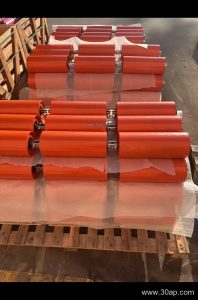
A conveyor drive pulley, often called a head pulley or drive drum, is the powered roller that transmits motion to the conveyor belt. It grips the belt on the carrying side and pulls it forward, while the belt returns over tail and bend pulleys. Unlike a tail pulley or a bend pulley, which only redirect or support the belt, the drive pulley is connected to a motor through a gearbox or is built as a motorized drum. In a quarry, a cement plant, or a coal handling system, this component sets the pace for the entire line. The pulley must match the belt width and the load profile, and it must be sturdy enough to handle continuous operation. Our conveyor drive pulley range is designed for such demanding duties.
Construction and Surface Options
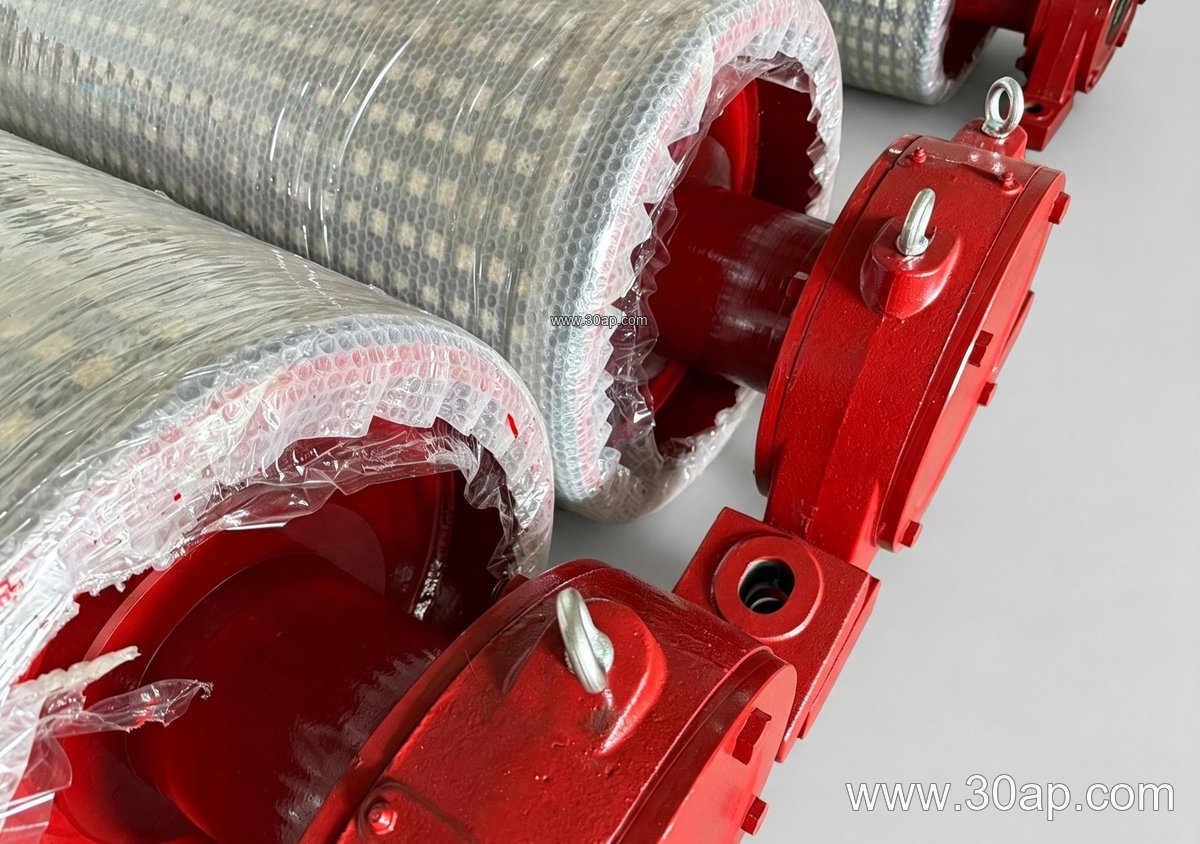
A typical drive pulley consists of a cylindrical shell, two end discs, a shaft, and bearing housings. The shell is usually made from rolled steel, and the shaft is sized by torque and radial load, not by belt width alone. Common shaft diameters include Ø80, Ø100, Ø120, Ø140, Ø160, and Ø180 mm, but the final choice depends on the drive power and belt tension. The pulley face width is normally wider than the belt: for a B800 belt, the face is often around 950 mm; for B1200, about 1400 mm; for B1400, around 1600 mm. These are reference values, not fixed rules.
The surface finish is critical for traction. Plain steel is used in light duties, while rubber lagging improves grip and protects the shell. Common lagging types are cast rubber, cold-bonded rubber, hot-vulcanized rubber, diamond pattern, herringbone pattern, and ceramic lagging. Lagging thickness often ranges from 8 mm to 20 mm. In a sand and gravel line, diamond lagging helps shed water and fines; in a coal mine, flame retardant rubber lagging may be preferred for safety. The drive pulley works together with the conveyor belt and the idler roller to keep material moving smoothly.
Where It Fits in the Conveyor System
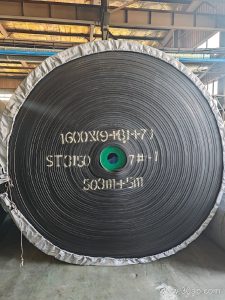
The drive pulley is usually located at the head end of the conveyor, where the belt discharges material. In some plants, a drive pulley may also be placed at the tail or at an intermediate point, but the head position is most common. In a power plant coal yard, the drive pulley pulls a heavy-duty mining conveyor belt loaded with coal. In a limestone quarry, it drives a long overland belt carrying crushed rock. The pulley must be aligned with the tail pulley and the bend pulleys to avoid belt mistracking. A conveyor bracket or support frame holds the bearing housings firmly, and the whole assembly is anchored to the conveyor structure.
When the conveyor is short or the layout is tight, a motorized drum can replace the external drive. However, for high-torque applications like a copper ore conveyor or an iron ore conveyor, a conventional drive pulley with a gearbox is more common. The drive pulley is not interchangeable with a tail pulley or a bend pulley; each has a specific role. The tail pulley returns the belt, and the bend pulley changes direction, but only the drive pulley transmits power.
Selecting the Right Drive Pulley
Buyers should consider belt width, belt tension, drive power, and environmental conditions. A B650 belt on a small aggregate conveyor might use a Ø500 mm pulley, while a B1400 belt on a heavy-duty mining conveyor could require a Ø1000 mm or larger pulley. These combinations are examples, not mandatory matches. The shaft diameter must be calculated from the actual torque and load, so never assume a fixed shaft size from belt width alone.
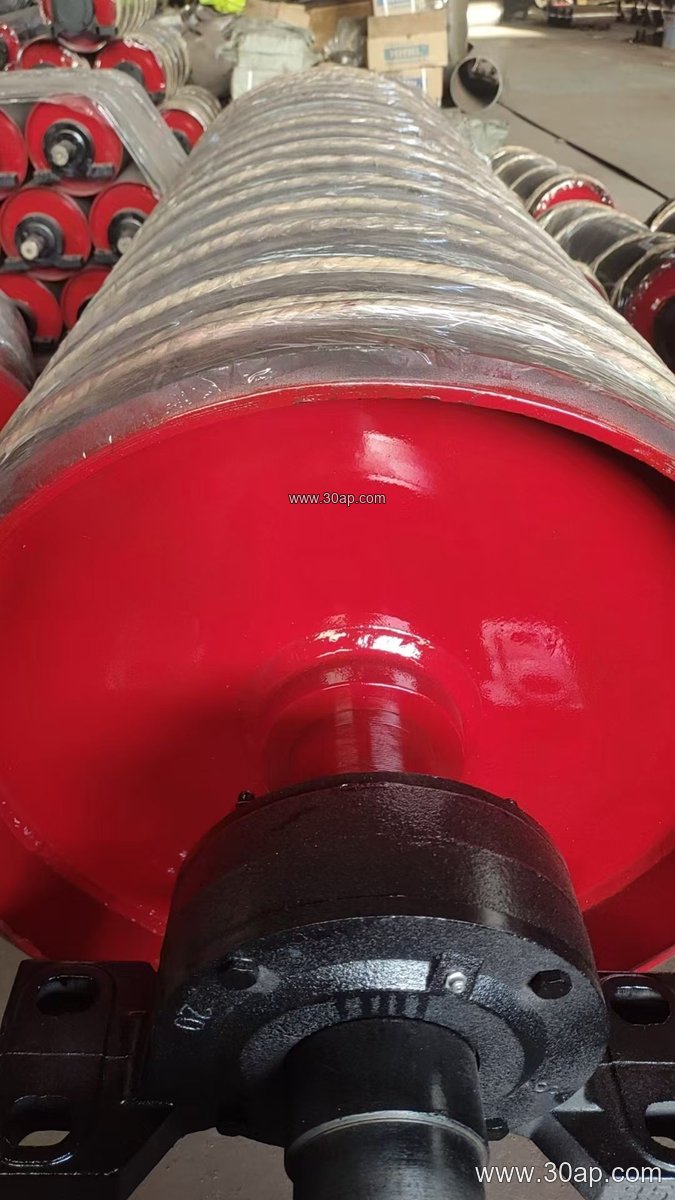
Surface lagging should match the material. For a food grade conveyor belt or a heat resistant conveyor belt, special lagging may be needed. In cold climates, a cold resistant conveyor belt may be paired with a pulley that has good grip at low temperatures. For abrasive materials like cement clinker, a ceramic lagging can extend service life. The pulley should also be balanced for the belt speed; high-speed conveyors in a port or ship loading facility require precise balancing to reduce vibration.
Maintenance and Buyer Checklist
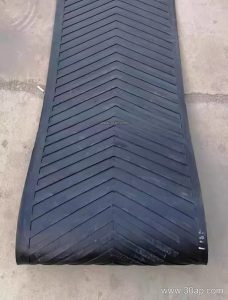
Regular inspection of the drive pulley includes checking lagging wear, bearing condition, and shaft alignment. Worn lagging reduces traction and can cause belt slip, especially on a steep incline or with a chevron conveyor belt. Keep the pulley clean and avoid material buildup, which can lead to mistracking. When replacing a pulley, confirm the shaft diameter, face width, and lagging type match the original design. Also check that the conveyor bracket and bearing housings are compatible.
For a reliable drive, consider the whole system: the conveyor belt, idler rollers, and pulleys must work together. Our conveyor pulley and conveyor bracket options can be tailored to your project. Whether you operate a coal mining conveyor, a quarry conveyor, or a cement plant conveyor, the drive pulley is a key investment for uptime and efficiency.