What a Three-Roll Idler Bracket Does on a Conveyor
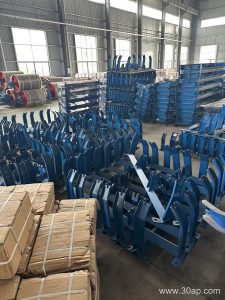
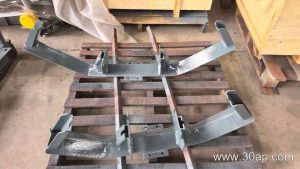
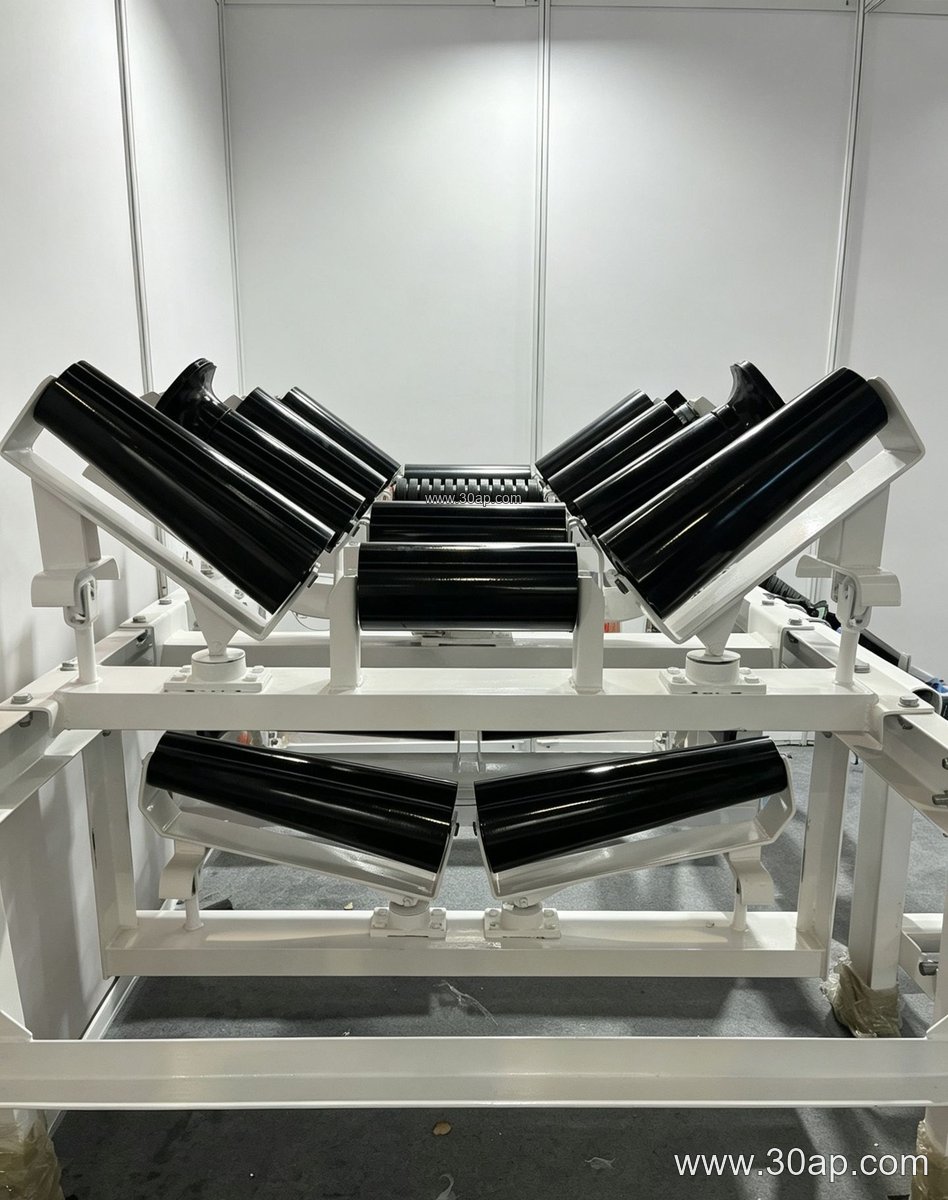
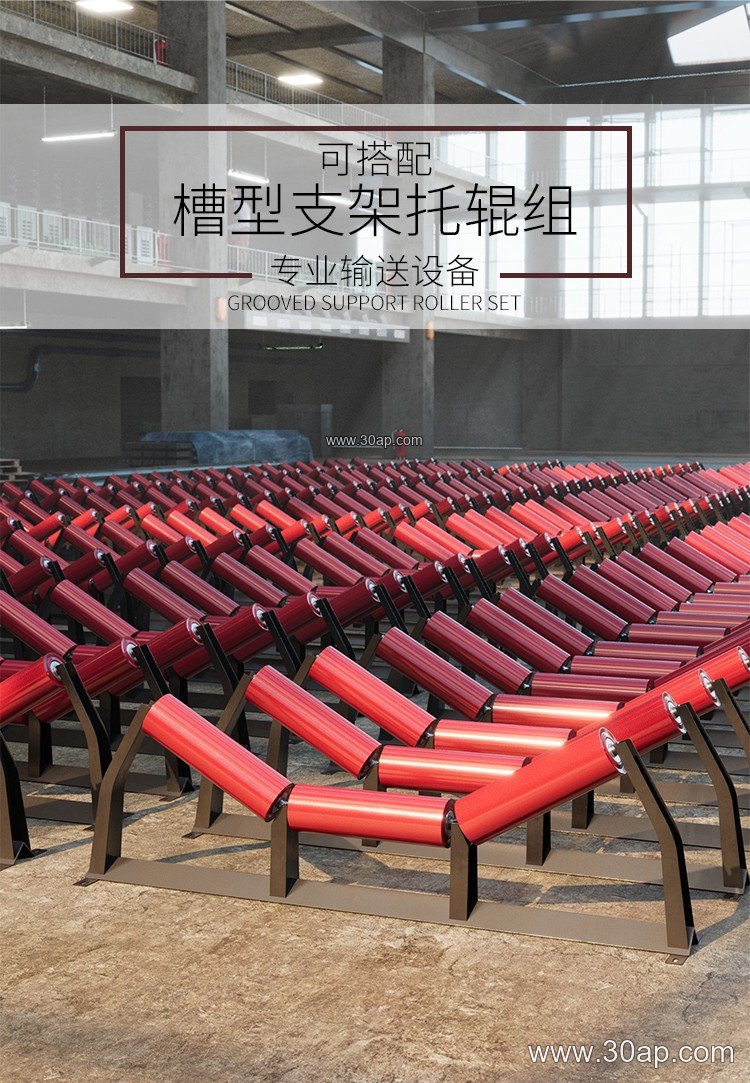
A three-roll idler bracket is the steel support that holds the three-roll troughing set in position under a conveyor belt. The two outer rolls angle upward and the center roll sits flat, so the bracket is what gives the belt its trough profile and keeps bulk material from spilling over the edges. On a quarry conveyor or a cement plant transfer line, this bracket is one of the most frequently replaced components because it carries the load of the belt plus the material and sets the geometry that every idler roller in the set must follow.
The bracket is also the mechanical link between the idler roller set and the conveyor frame. Its mounting holes and crossbeam length must line up with the stringer spacing, and its roll saddles must accept the chosen shaft ends. Get these details wrong and the set will sit crooked, the belt will track poorly, and roll wear will accelerate.
How the Bracket Is Built
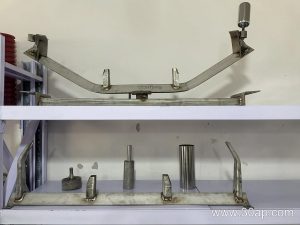
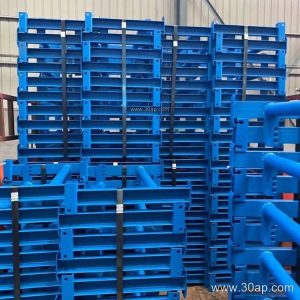
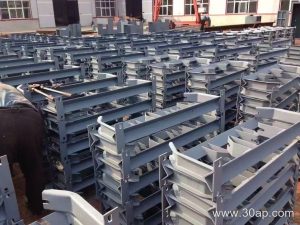
Most three-roll idler brackets are fabricated from angle steel, channel steel, or folded steel plate. The frame shop cuts, punches, and welds the saddles, then finishes the part with painting or galvanizing depending on the environment. In a coal mining conveyor or an underground installation, corrosion protection and flame-retardant considerations often influence the coating choice.
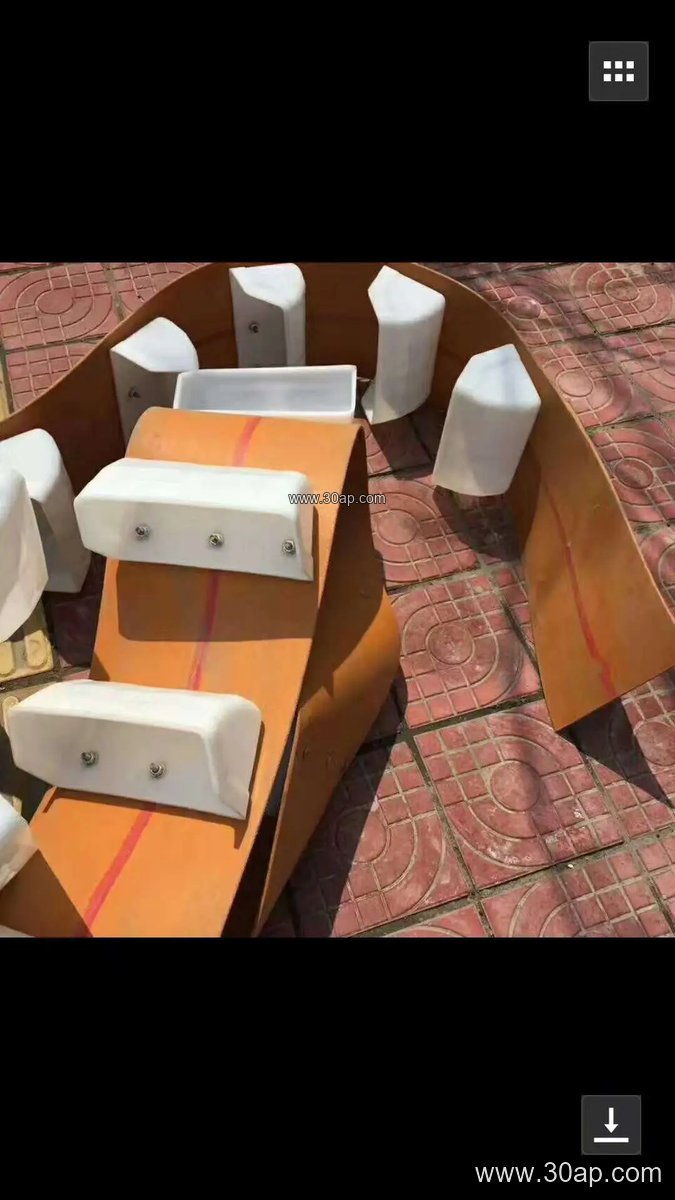
Key build details a buyer should confirm include:
- Saddle spacing and slot design for the idler shaft
- Mounting hole pitch and hole diameter for the frame stringers
- Crossbeam length, which changes with belt width and trough angle
- Weld quality and material thickness for the load class
- Whether the bracket is fixed or adjustable in trough angle
Fixed brackets are made for one specific trough angle. Adjustable brackets let maintenance crews change the angle within a range, which is useful when a line handles different materials or when belt training needs correction.
Trough Angles and Roll Diameters
Trough angle is not a free choice. It follows the material, the belt speed, and the belt construction. Typical trough angles are 20, 30, 35, and 45 degrees, and an adjustable three-roll idler bracket can usually be set anywhere within that range. A 35 degree set is common on aggregate and ore lines, while 45 degrees is used where higher capacity is needed on a given belt width.
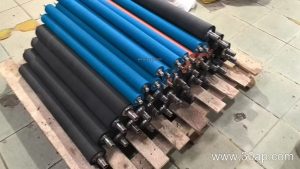
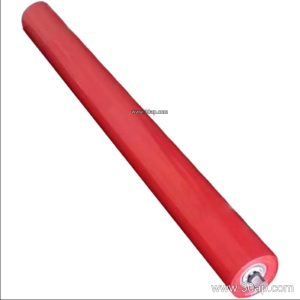
Roll diameter must match the bracket saddle and the load. Common idler roller diameters include Ø89, Ø108, Ø133, Ø159, and Ø194. The table below shows reference combinations, not fixed rules; the actual match depends on belt width, load, and frame design.
| Belt Width | Trough Angle | Roll Diameter | Typical Use |
|---|---|---|---|
| B650 | 30 degrees | Ø89 | Light aggregate, sand |
| B800 | 35 degrees | Ø108 | Quarry and crusher feed |
| B1000 | 35 degrees | Ø133 | Cement plant, power plant coal |
| B1200 | 45 degrees | Ø133 | Iron ore, heavy bulk |
| B1400 | 45 degrees | Ø159 | Port and ship loading |
| B1600 | 35 degrees | Ø159 | Mining main haulage |
Note that a belt width does not lock in one trough angle or one roll diameter. A B1200 conveyor may run 35 or 45 degrees depending on the duty, and shaft diameter is set by the idler manufacturer, not by belt width alone.
Where Three-Roll Idler Brackets Are Used
These brackets appear wherever a conveyor carries bulk material in a trough. In a limestone mine or stone crushing line, they support the belt between the crusher and the screen. In a power plant coal yard, they carry coal on the feed and stockpile conveyors. In a steel plant sinter line and in fertilizer or grain silo operations, the same bracket family keeps the belt in shape.
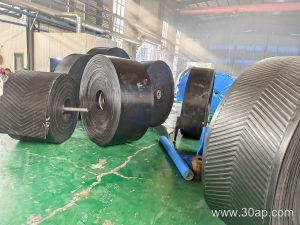
The bracket works together with the conveyor belt, the idler roller, and the conveyor pulley. The drive pulley pulls the belt, the tail pulley returns it, and the three-roll bracket holds the carrying side in its trough. A bend pulley changes direction but does not replace the bracket’s role in supporting the belt.
Buyer Checklist
Before ordering, confirm the belt width, the required trough angle, the roll diameter, the shaft end shape, and the mounting hole pitch on your frame. Ask whether a fixed or adjustable three-roll idler bracket suits the duty. For abrasive or high-impact service, check that the bracket material and coating match the environment, and consider how the bracket pairs with an abrasion resistant conveyor belt or a heat resistant conveyor belt if the material is hot. Spare parts planning should include the saddles and fasteners, not just the bracket body.