What a Belt Conveyor Trough Idler Does
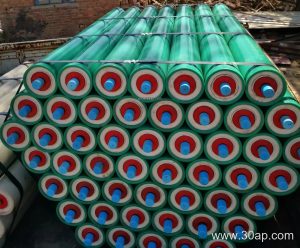
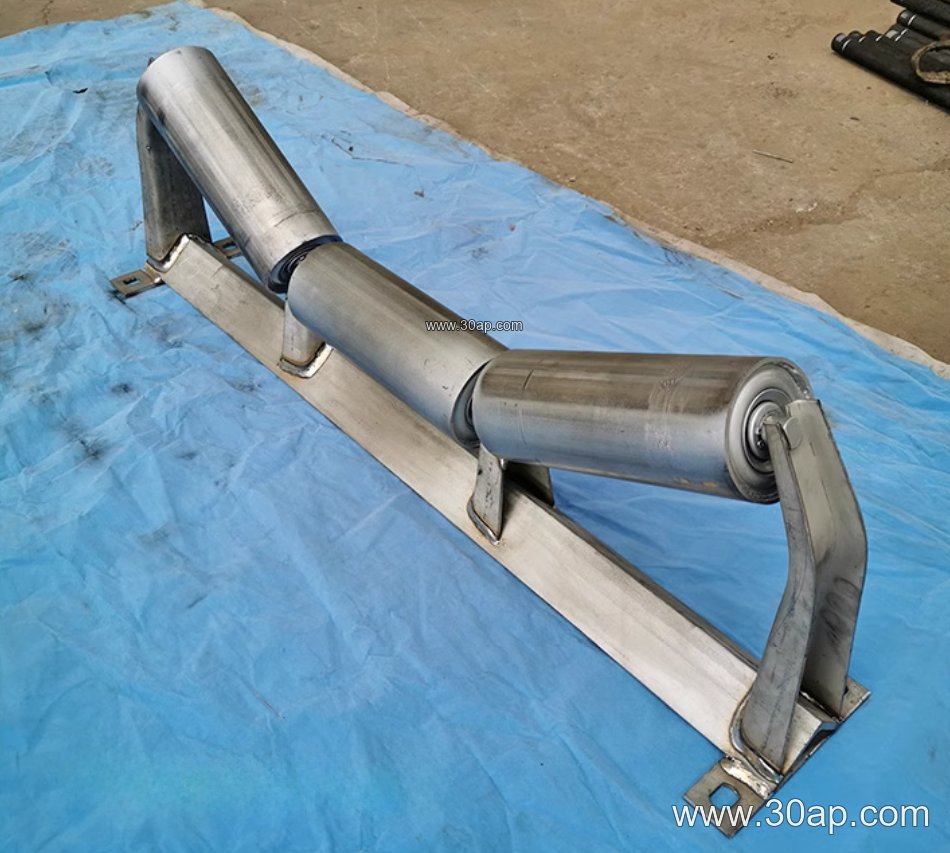
A belt conveyor trough idler is the carrying-side roller assembly that shapes a flat conveyor belt into a trough. Three rolls, usually mounted on a common frame, lift the belt edges so loose material sits in a stable channel instead of spilling over the sides. In a quarry, a coal preparation plant, or a cement kiln feed line, this seemingly simple component decides how much material stays on the belt and how much ends up on the floor. The same assembly is often called a troughing idler or carrying idler, and those names describe the same product.
How the Assembly Is Built
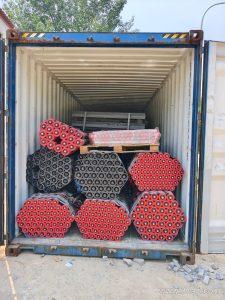
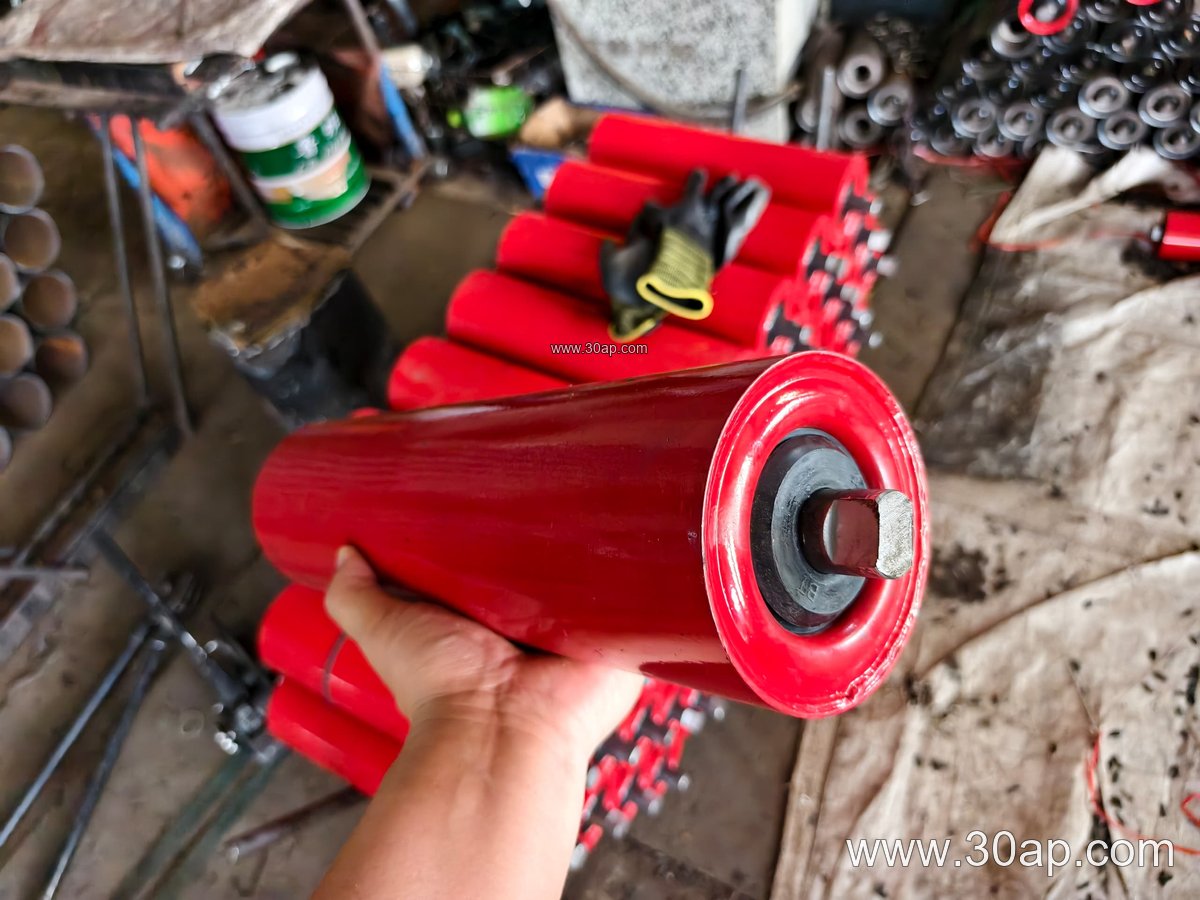
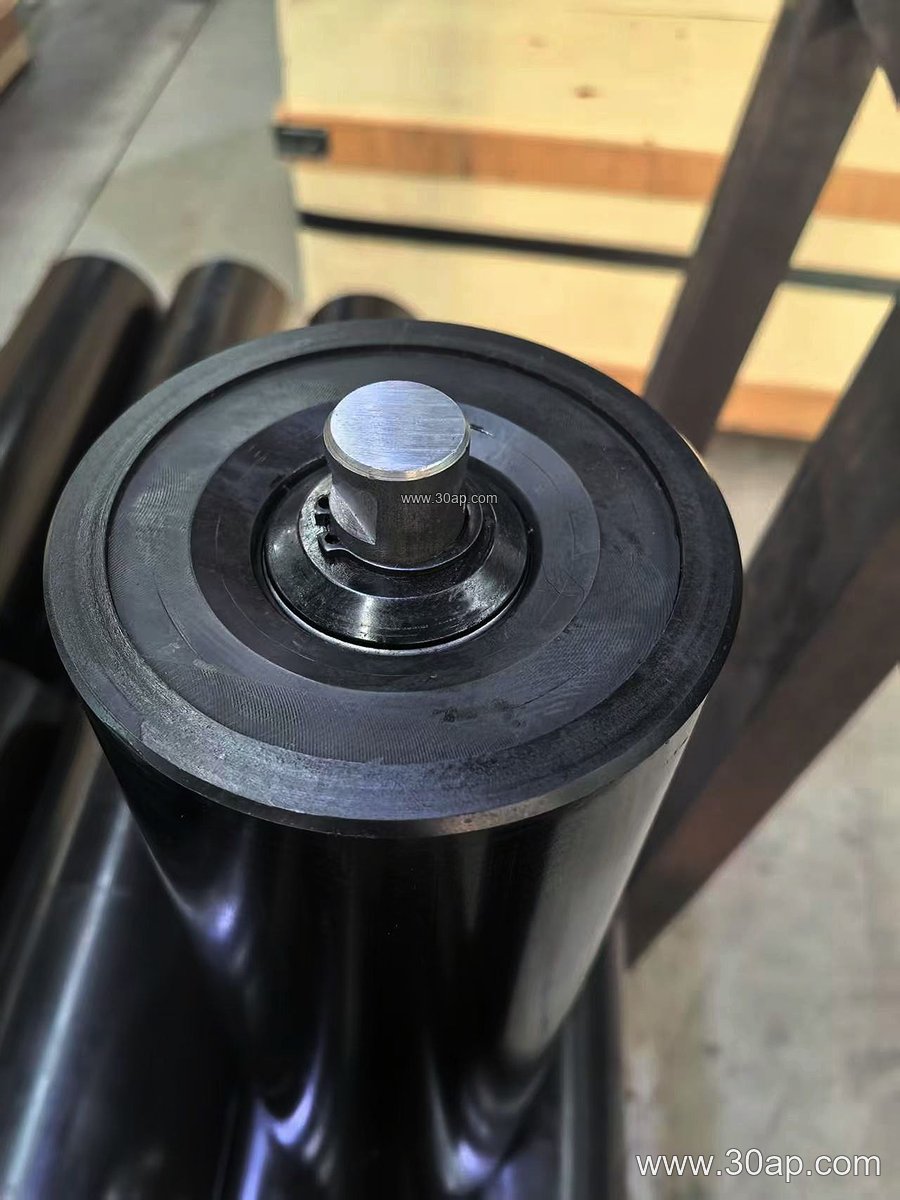
A typical unit combines a steel tube shell, bearing housings, a shaft, and seals. The frame holds the rolls at a fixed trough angle. Roll faces may be plain steel, nylon, ceramic, or rubber rings, depending on whether the job calls for abrasion resistance, low friction, or impact cushioning. Bearing size is matched to load and speed rather than to belt width alone, and common bearing numbers include 6204, 6205, 6305, 6306, 6308, and 6310.
Trough angles are usually 20, 30, 35, or 45 degrees. A steeper angle deepens the material bed, which suits high-capacity lines but raises belt edge stress. Forward-leaning rolls, often about 1.5 to 2 degrees, help with belt training and are common on self-aligning versions.
Where It Fits on the Conveyor
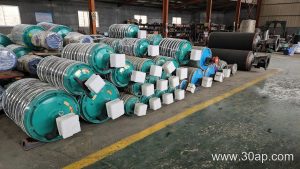
The trough idler sits on the carrying run between the tail pulley and the head pulley. It should not be confused with the drive pulley that transmits power, the tail pulley that returns the belt, or the bend pulley that changes belt direction. Those are separate components with separate duties.
- Standard carrying section: three-roll trough sets support the loaded belt over long distances.
- Transition zones: transition idlers ease the belt from flat to troughed shape near pulleys.
- Loading points: impact idlers or rubber-ring cushion idlers absorb falling material energy.
- Return side: flat or V-return idlers carry the empty belt, and they are not a substitute for the trough idler.
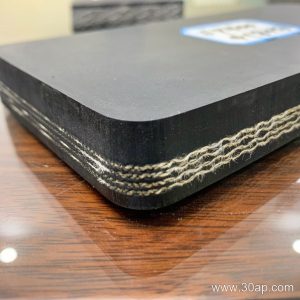
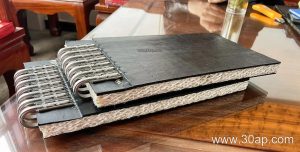
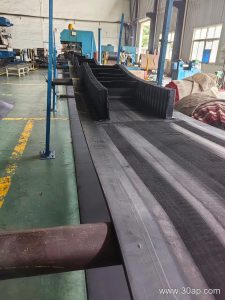
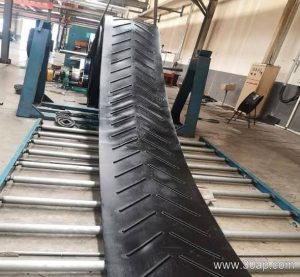
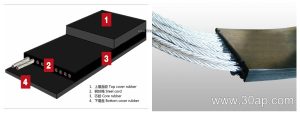
A stone crushing line, a sinter plant, or a port shiploader all rely on this carrying support, while the belt itself may be an EP conveyor belt, a steel cord conveyor belt, or a flame retardant conveyor belt for underground coal mining. The idler and the belt must be selected as a pair, because a heavy-duty mining conveyor belt with high tension behaves differently from a light aggregate conveyor belt.
Common Sizes and Reference Data
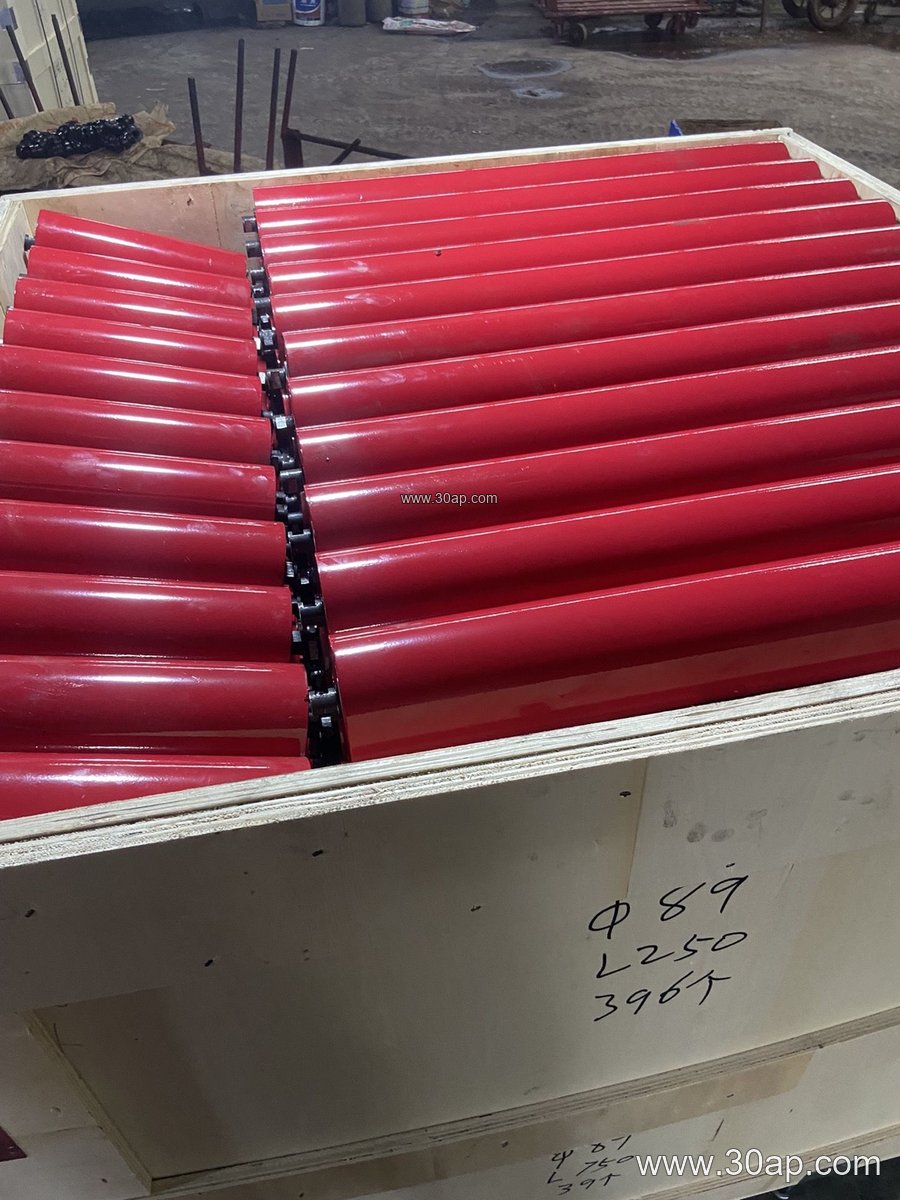
Roll diameter and belt width are linked by design, not by a fixed rule. A 500 mm or 650 mm belt may use smaller rolls, while a 1400 mm or 1800 mm wide conveyor belt usually needs larger diameters and longer roll shells. The table below shows typical reference values; final dimensions are set by the conveyor designer.
| Belt width | Common roll diameter | Approx. center roll length (three-roll set) |
|---|---|---|
| B500 | Ø63 to Ø89 mm | about 200 mm |
| B650 | Ø76 to Ø108 mm | about 250 mm |
| B800 | Ø89 to Ø127 mm | about 315 mm |
| B1000 | Ø108 to Ø133 mm | about 380 mm |
| B1200 | Ø108 to Ø159 mm | about 465 mm |
| B1400 | Ø127 to Ø178 mm | about 530 mm |
| B1600 | Ø133 to Ø194 mm | about 600 mm |
| B1800 | Ø159 to Ø219 mm | about 670 mm |
Side rolls can differ from the center roll, and the figures above are examples rather than mandatory matches. Shaft diameter follows load calculations, so it should never be guessed from belt width alone.
What Buyers Should Check
Before ordering, confirm the belt width, trough angle, and roll diameter with the conveyor layout. Ask about sealing because dust in a sand and gravel plant destroys bearings faster than load does. Check whether the application needs abrasion resistant rolls, impact cushioning at the transfer point, or a self-aligning design on a long overland run. Also confirm that the conveyor bracket and frame match the mounting pattern, and that the idler roller rotates freely before installation.
Maintenance is mainly about rotation and alignment. Seized rolls wear the belt cover, and misaligned sets cause edge damage. Spare parts should be checked against the original specification rather than replaced with whatever is on hand. For anyone sourcing trough idlers together with conveyor belting, keeping the belt type, roll size, and frame dimensions in one record avoids mismatches later. More reference material on trough idlers, belt selection, and pulley matching is available at conveyoridler.com for buyers who want to compare options before finalizing a specification.