What a Corrugated Sidewall Conveyor Belt Is
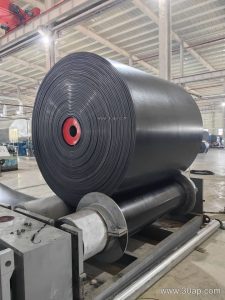
A corrugated sidewall conveyor belt is a heavy-duty conveyor belt with raised, wave-shaped walls molded along both edges and, in most designs, transverse cleats or crossbars fixed between them. The combination forms a moving pocket that carries bulk material up steep inclines where a flat belt would let the load slide back. In the trade this product is also called a skirted conveyor belt with corrugated sidewalls, and the two names describe the same construction: a base belt, two sidewall profiles, and cleats.
Because the belt holds material rather than simply supporting it, the system suits mining, coal preparation, cement plants, power stations, sand and gravel yards, and port loading lines where space is tight and a steep lift is needed.
How the Belt Is Built
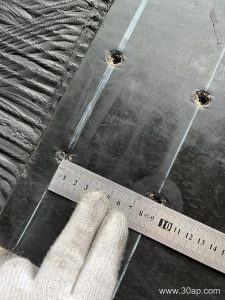
The base belt is usually a fabric core or steel cord carcass with rubber covers. Sidewalls are hot-vulcanized to the edges, and cleats are bonded to the base at a pitch chosen for the material and the incline angle. Common base constructions include EP conveyor belt carcasses and multi-ply fabric core designs, while high-lift, long-distance units may use a steel cord conveyor belt base for extra tensile strength.
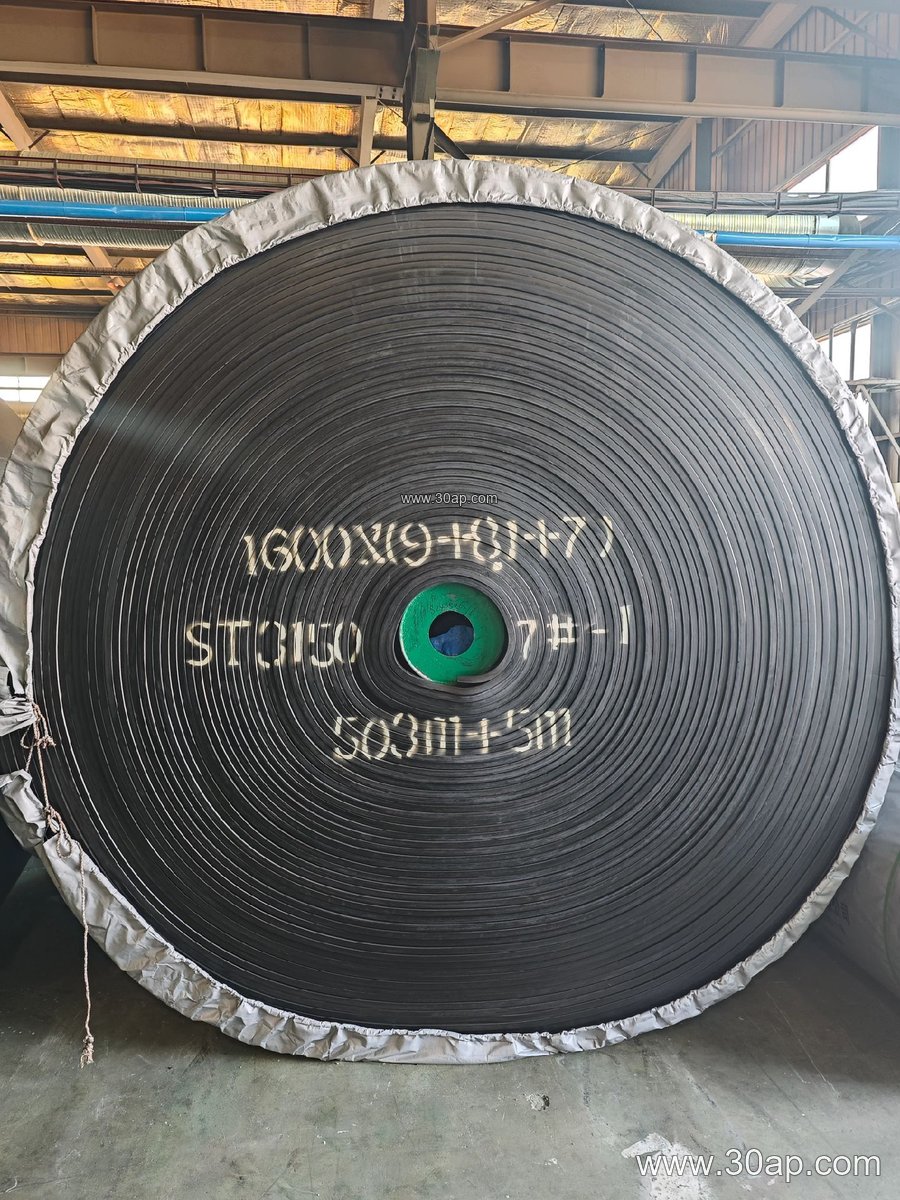
- Base belt: EP or NN fabric plies, typically 2 to 6 layers, or steel cord for high tension
- Sidewall height and cleat height: selected to match the required volume per meter
- Cleat pattern: straight, angled, or blocked, depending on whether material must be discharged fully
- Cover compound: abrasion resistant, heat resistant, oil resistant, flame retardant, or cold resistant grades
For coal mines, flame retardant and anti-static properties are often specified; for cement and clinker, heat resistant covers help; for ore and rock, an abrasion resistant compound extends service life.
Typical Specifications
Values below are common reference ranges, not fixed universal ratings. Final dimensions follow the conveyor design and the manufacturer’s data.
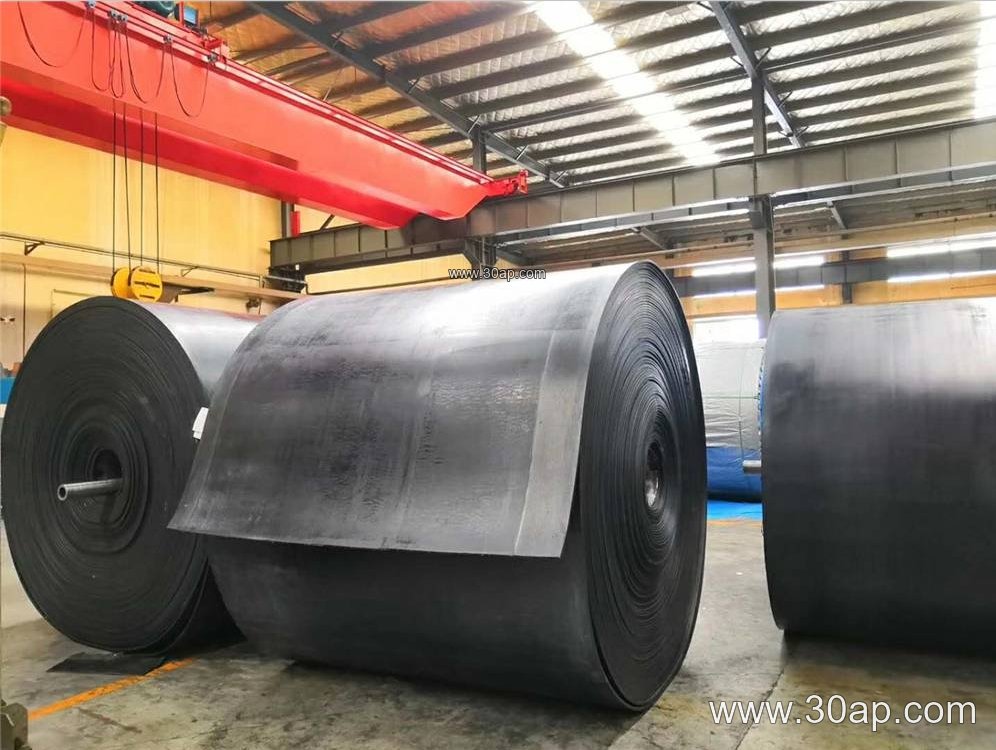
| Parameter | Common range |
|---|---|
| Belt width | B500, B650, B800, B1000, B1200, B1400, B1600, B1800, B2000 |
| Fabric strength grade | EP200 to EP2000 |
| Cover thickness | 3+1.5, 4+2, 5+2, 6+2, 8+3 mm |
| Carcass plies | 2 to 6 layers |
| Sidewall height | 40 mm to 300 mm and above, by design |
| Cleat pitch | Set by material and incline angle |
Note that belt width does not dictate a single pulley diameter, and shaft size is never derived from width alone. Drive pulley, tail pulley, and bend pulley dimensions come from the conveyor’s tension and wrap calculations.
Where It Fits in a Conveyor Line
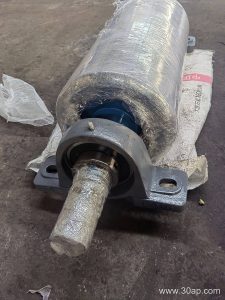
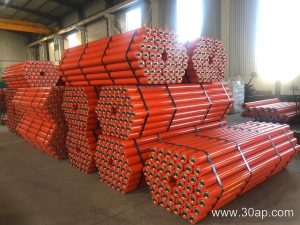
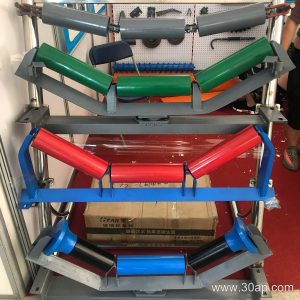
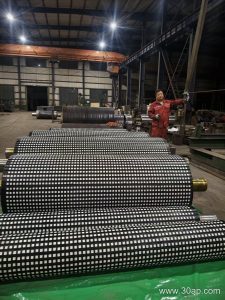
The belt runs on a conventional frame with idler rollers supporting the return side and, in some layouts, the carrying side between cleats. A conveyor pulley drives the belt, while bend pulleys and snub pulleys guide it around the steep section. Conveyor brackets and frame components must be aligned carefully because a sidewall belt is less forgiving of misalignment than a flat belt.
Typical duties include:
- Coal handling in power plants and coal mining conveyor systems
- Clinker and raw meal transport in cement plants
- Ore and waste rock lifting in quarry conveyor and iron ore conveyor lines
- Sand, aggregate, and fertilizer handling in bulk material conveyor routes
- Ship loading and port conveyor systems with limited footprint
For very fine, dusty cargo or long curved routes, a pipe conveyor belt may be considered, but it serves a different purpose and does not replace the sidewall design for steep lifting.
Buyer Checklist
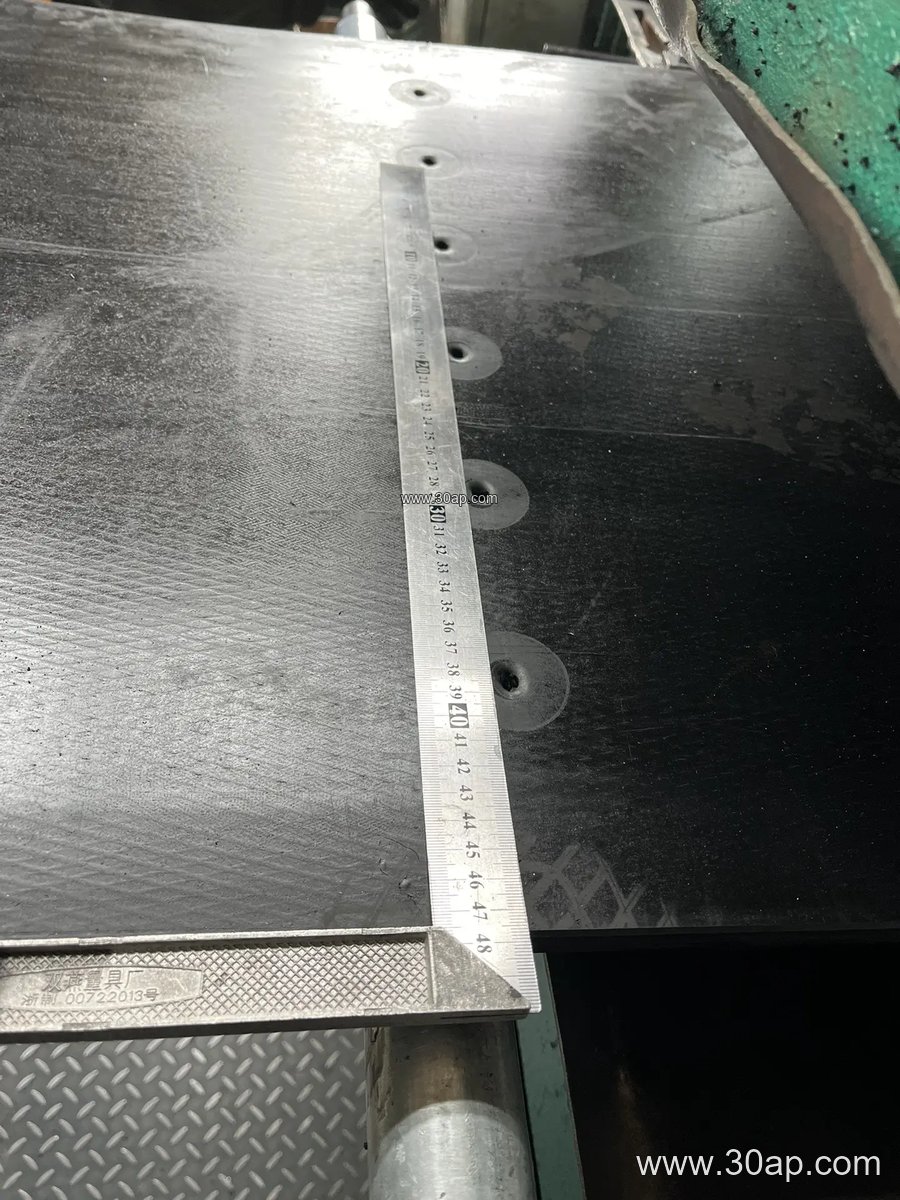
Before ordering, confirm the material type, lump size, bulk density, moisture, temperature, and required capacity in tons per hour. State the incline angle and the vertical lift, because these determine sidewall height and cleat pitch. Ask for the cover grade and carcass grade together with the splice method; endless conveyor belt supply or field splicing both affect lead time.
Check that the pulley diameters, idler roller spacing, and frame clearances suit the sidewall and cleat height. A sidewall belt needs sufficient edge clearance and properly sized bend pulleys so the corrugated profile does not rub the structure. Keep spare cleats and sidewall sections on hand, and inspect the bond lines during routine shutdowns.
For more on matching belts, rollers, and pulleys, see the technical notes at chinabeltconveyor.com and review our conveyor component guidance before finalizing a specification.