What a Belt Conveyor Idler Frame Does
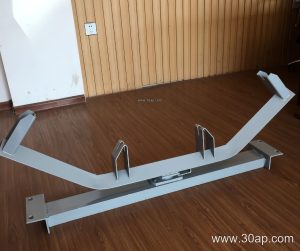
A belt conveyor idler frame is the structural element that holds idler rollers in the correct position under and along the conveyor belt. It transfers the weight of the belt and material to the conveyor stringer or foundation, and it sets the trough angle that shapes the belt into a carrying profile. In a quarry conveyor line or a cement plant clinker transport section, the frame is often the first component inspected when belt misalignment or spillage appears. The frame works together with the conveyor belt, idler roller, and conveyor pulley, but it is not a pulley itself: drive, tail, and bend pulleys serve different functions and are not interchangeable with idler frames.
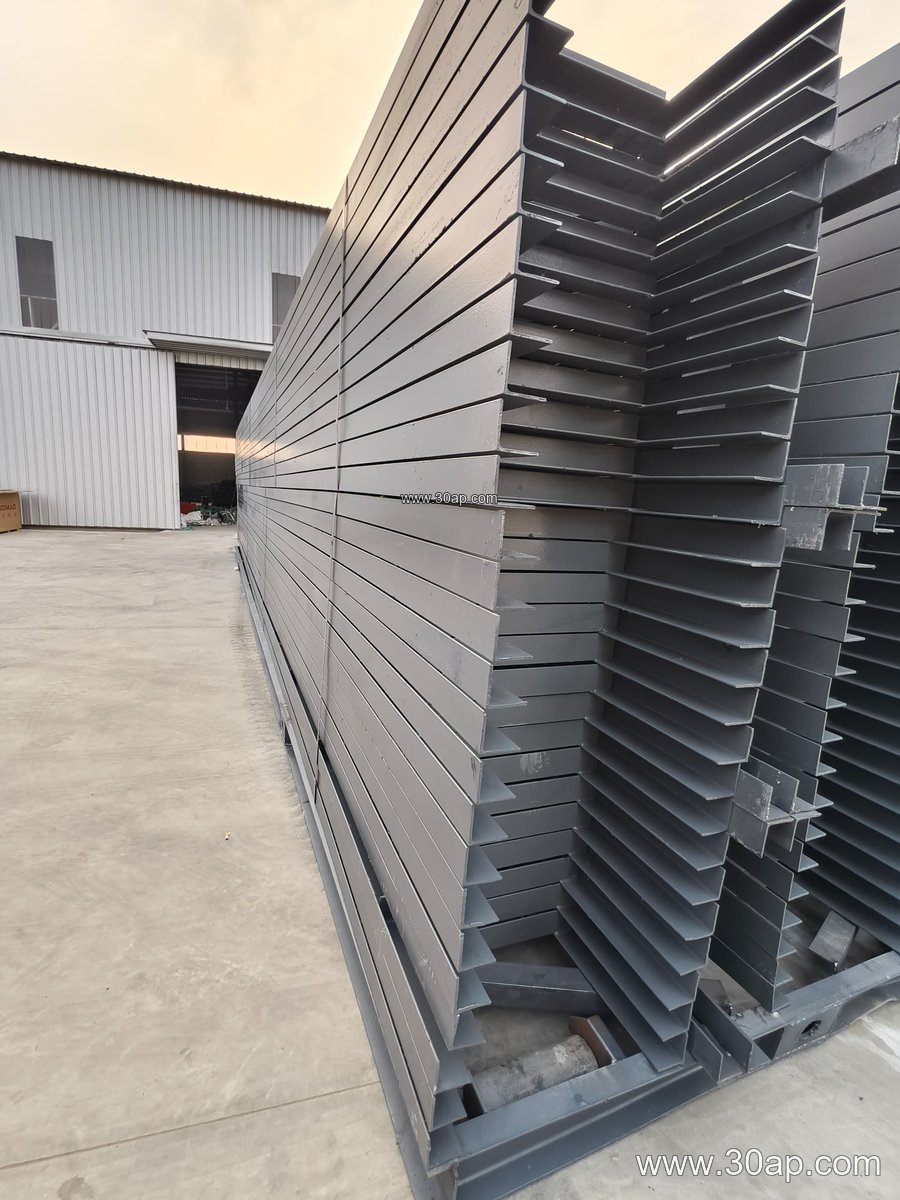
Construction and Common Materials
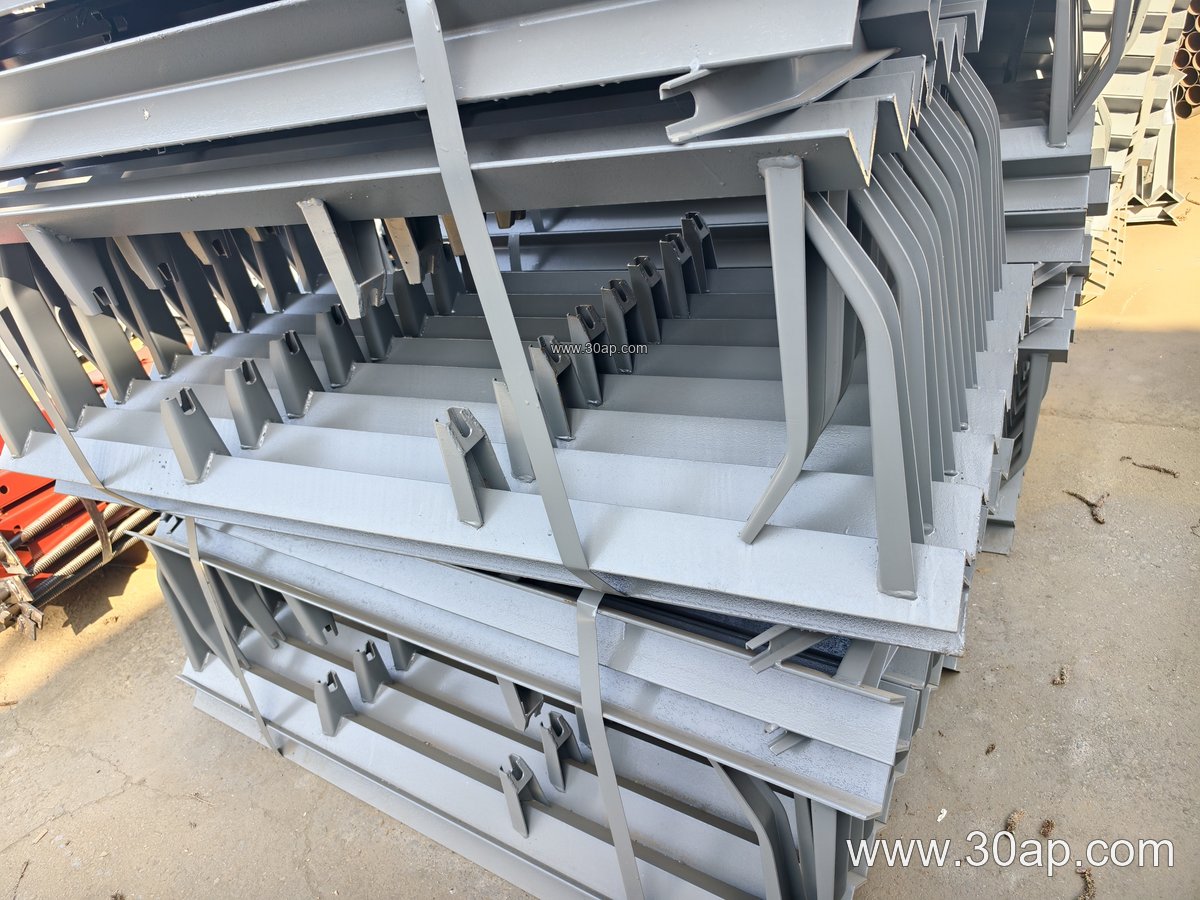
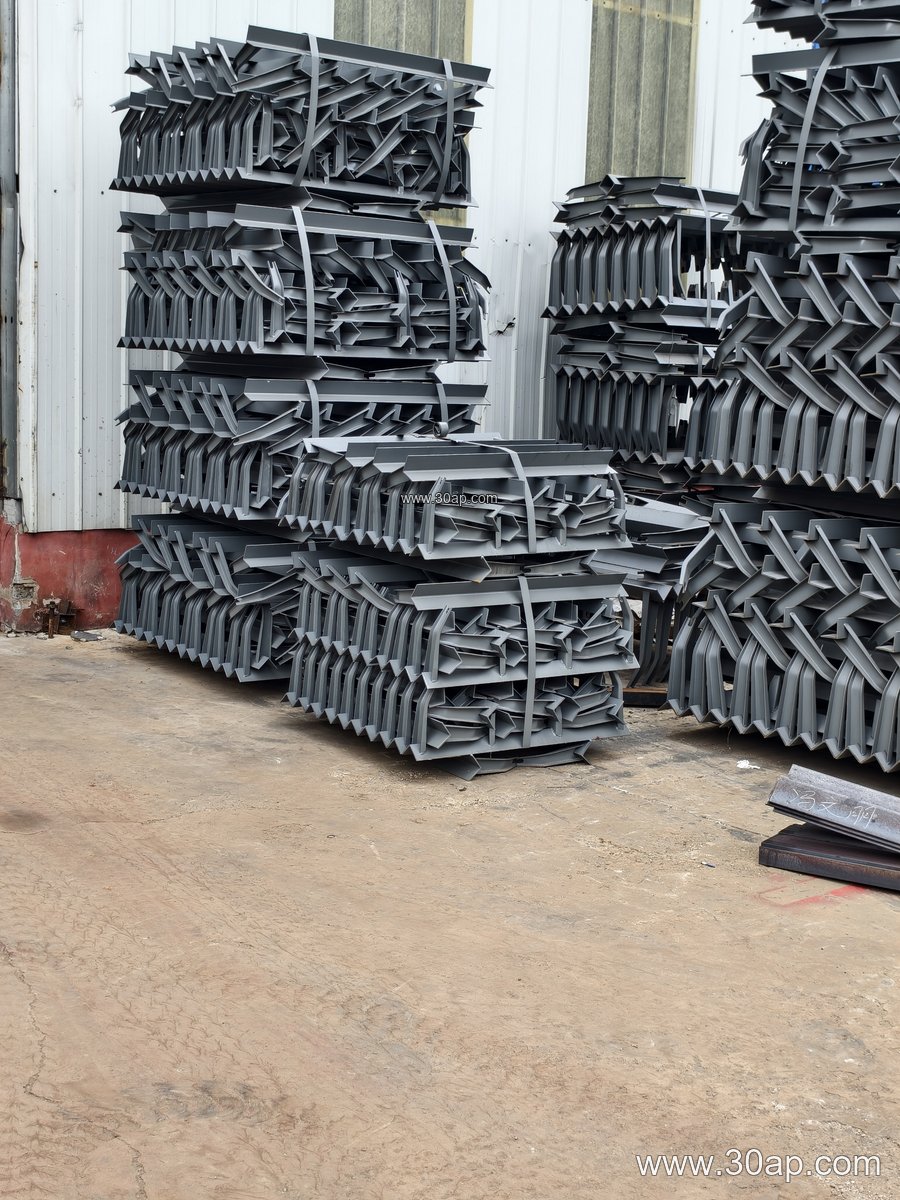
Most frames are fabricated from angle steel, channel steel, or folded steel plate. A carrying frame may be fixed or adjustable, and the adjustable version allows the trough angle to be set between common values such as 20, 30, 35, and 45 degrees. Return frames are usually flat or V-shaped, while impact frames use cushioning rollers under the loading point. Transition frames support the belt between the flat pulley and the full trough section. Mounting hole spacing and crossbeam length change with belt width and trough angle, so they are determined by design rather than fixed numbers.
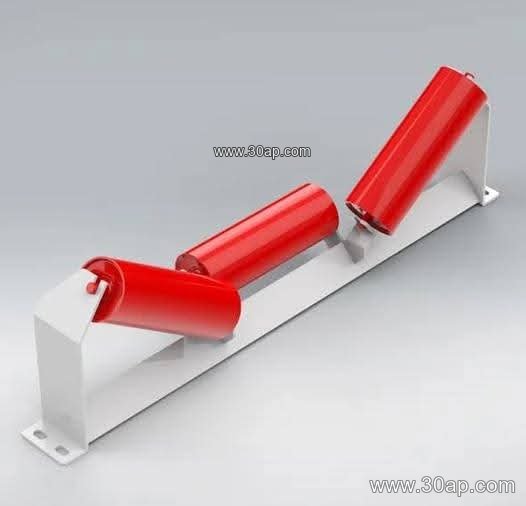
Matching Belt Width and Roller Diameter
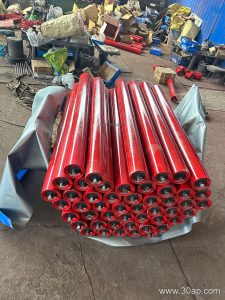
Frame size is normally described by belt width, trough angle, and roller diameter. Typical roller diameters include Ø89, Ø108, Ø133, Ø159, and Ø194 mm. A B800 frame at 35 degrees with Ø108 rollers is a common combination for medium-duty service, while a B1200 frame at 45 degrees with Ø133 rollers may appear in a high-capacity stockyard. These are examples, not mandatory pairings: one belt width can accept more than one roller diameter, and the final choice depends on load, belt speed, and frame design. The table below lists reference ranges only.
| Belt Width | Common Trough Angle | Typical Roller Diameter | Typical Frame Type |
|---|---|---|---|
| B500 | 20–35 degrees | Ø89 | Fixed or adjustable carrying frame |
| B650 | 20–35 degrees | Ø89–Ø108 | Carrying frame, return frame |
| B800 | 30–35 degrees | Ø108–Ø133 | Carrying frame, impact frame |
| B1000 | 30–45 degrees | Ø108–Ø159 | Carrying frame, transition frame |
| B1200 | 35–45 degrees | Ø133–Ø159 | Carrying frame, V-return frame |
| B1400–B1600 | 35–45 degrees | Ø133–Ø194 | Heavy-duty carrying frame |
| B1800–B2000 | 35–45 degrees | Ø159–Ø194 | Heavy-duty and transition frames |
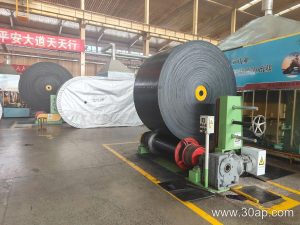
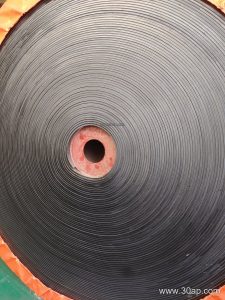
For a crusher discharge or a coal mining conveyor, the frame must suit the belt type in use. A steel cord conveyor belt or a heavy-duty mining conveyor belt may require a stronger frame and larger roller diameter than a lightweight fabric core belt. Heat resistant conveyor belt or flame retardant conveyor belt applications in a power plant coal handling system also influence frame spacing and roller selection.
Where Frames Are Used
Idler frames appear in many bulk handling settings. In a limestone quarry or sand and gravel line, carrying frames and impact frames support the belt through loading and transport. In a coal preparation plant or underground mining conveyor, flame retardant and anti-static belt requirements often come with robust frame construction. Cement plants use frames along clinker and raw material conveyors, while ports and ship loading systems rely on wide frames for high-tonnage bulk material conveyor belts. The frame is also common in tunnel spoil removal, fertilizer handling, and grain silo discharge lines.
Buyer Checklist
- Confirm belt width, trough angle, and roller diameter as a set, not as isolated values.
- Check whether the frame is fixed or adjustable and whether the adjustment range covers the required angles.
- Match frame material and finish to the environment: abrasive dust, moisture, or high temperature.
- Verify mounting dimensions against the existing stringer or conveyor bracket.
- Consider transition and impact locations separately from standard carrying frames.
- For replacement, compare the existing frame type and hole pattern before ordering.
More conveyor component information is available at www.hsconveyorbelt.com, including belt and frame references for quarry, cement, and power plant projects.