What a Conveyor Bracket Does on the Line
A conveyor bracket is the structural interface between the rotating components and the conveyor frame. In most installations it carries the idler roller assemblies, holds them at the correct trough angle, and keeps the belt path stable under load. While the term sounds simple, the bracket often determines how quickly a maintenance team can replace a roller, how well the belt tracks, and how much vibration reaches the frame. In a quarry, a cement plant, or a coal handling circuit, a loose or undersized bracket can cause belt edge damage long before the roller itself fails.
The bracket is not a universal part. Its hole spacing, beam length, and mounting height are usually matched to a specific belt width, trough angle, and roller diameter. That is why buyers should treat it as an engineered component rather than a piece of folded steel.
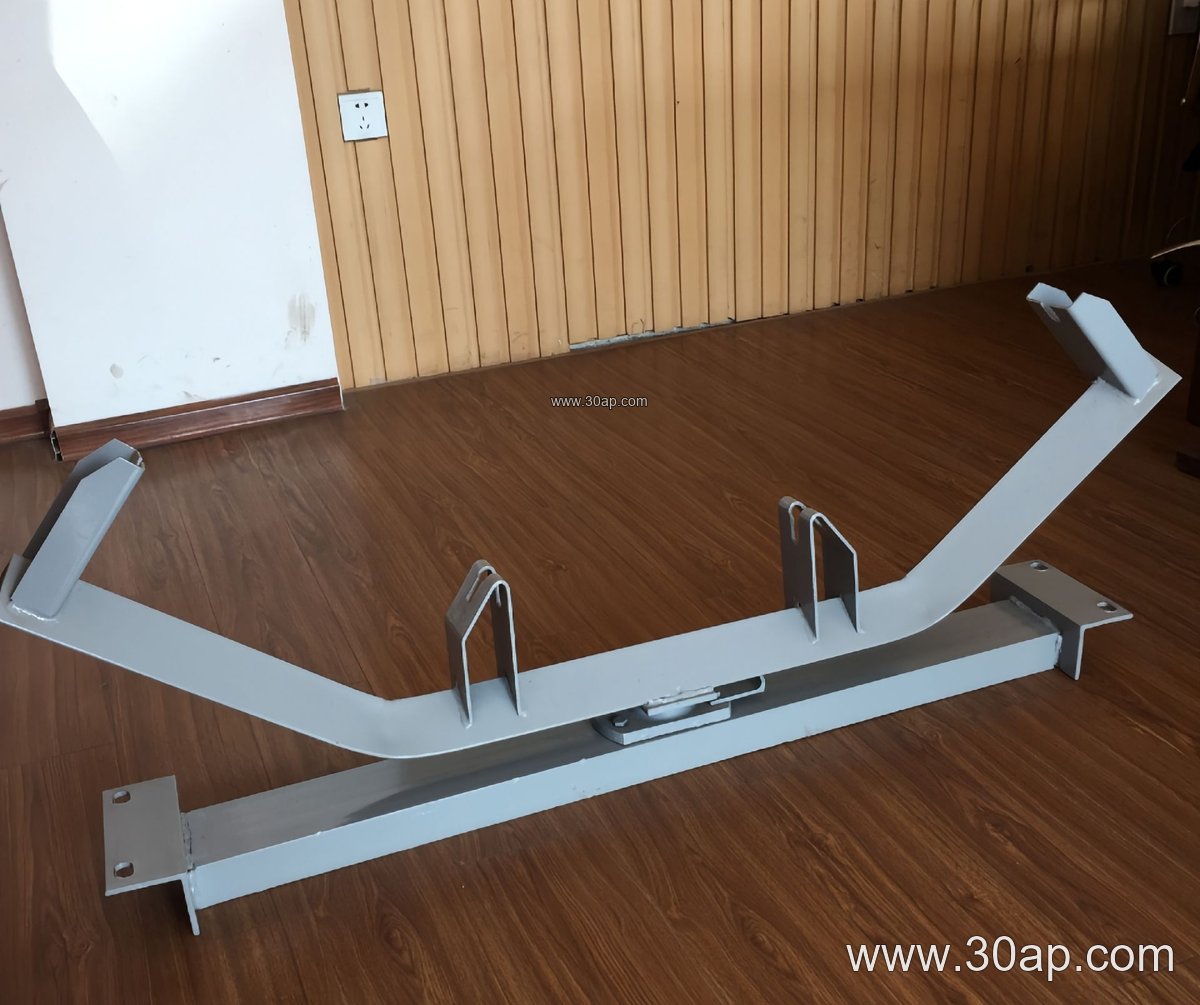
Construction and Common Forms
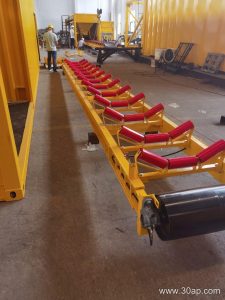
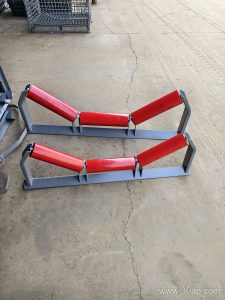
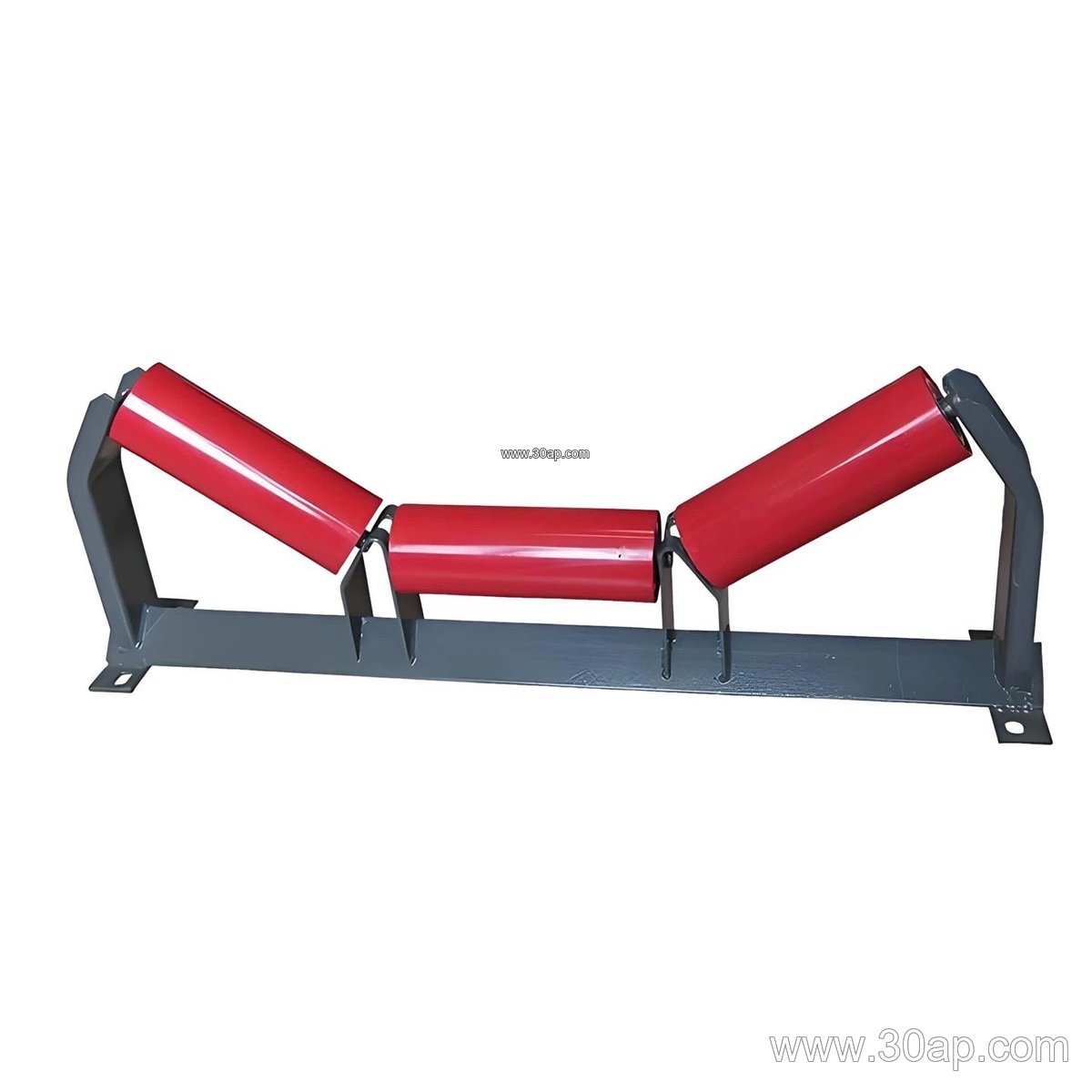
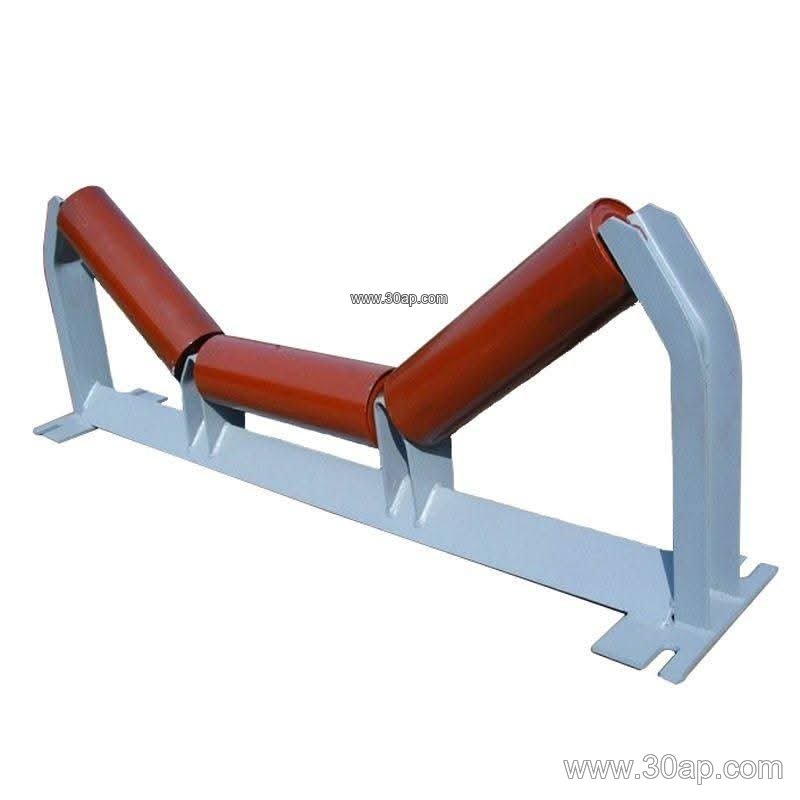
Most brackets are fabricated from angle steel, channel steel, or bent steel plate. The material choice affects stiffness and corrosion behavior, but the geometry matters more for alignment. A typical assembly includes a cross beam, mounting slots or holes, and angled supports that position the rollers.
- Upper trough brackets hold three rollers at 20, 30, 35, or 45 degrees.
- Transition brackets ease the belt from flat to troughed profile near pulleys.
- Return brackets support the belt on its lower run, sometimes in a V shape.
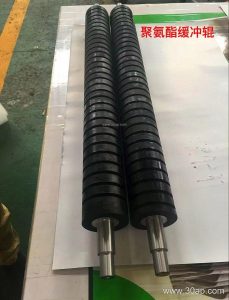
- Impact brackets sit under loading points and accept heavier roller assemblies.
- Self-aligning and forward-leaning brackets help control belt tracking.
- Adjustable brackets allow the trough angle to be changed within a range.
Fabricators usually weld or bolt these parts, and the mounting hole pattern must match the idler roller frame. A bracket that fits a B800 frame will not automatically fit a B1200 frame, even if the rollers look similar.
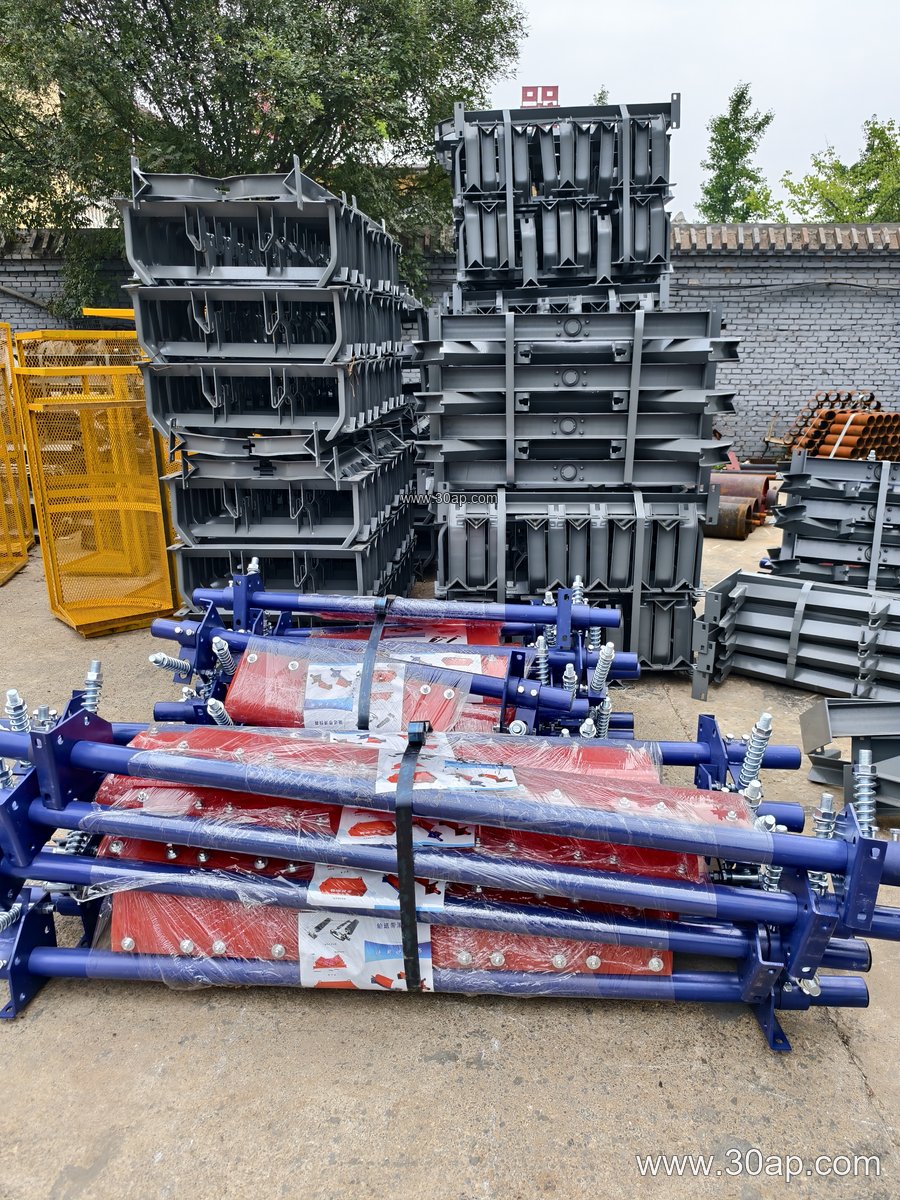
Matching Belt Width, Trough Angle, and Roller Diameter
Selection starts with the belt and the load, not with the bracket alone. Common belt widths in bulk handling include B500, B650, B800, B1000, B1200, B1400, B1600, B1800, B2000, B2200. Roller diameters are often Ø89, Ø108, Ø133, Ø159, or Ø194. The trough angle is typically 20, 30, 35, or 45 degrees, and adjustable designs can move between these angles.
A helpful way to read a specification is as a combination rather than a rule: B800 with 35 degrees and Ø108, or B1200 with 45 degrees and Ø133. These are common reference points, not fixed pairings. The correct bracket depends on belt speed, material lump size, loading impact, and the frame design. A buyer should confirm the mounting hole distance and cross beam length with the conveyor manufacturer, because these dimensions change with belt width and trough angle.
| Reference combination | Typical use |
|---|---|
| B650, 30 degrees, Ø89 | Light aggregate or sand lines |
| B800, 35 degrees, Ø108 | General bulk material handling |
| B1000, 35 degrees, Ø133 | Cement plant and power plant coal |
| B1200, 45 degrees, Ø133 | High-capacity quarry or iron ore duty |
| B1400, 45 degrees, Ø159 | Heavy-duty primary crushing circuits |
These rows are examples only. They do not mean that one belt width can only use one trough angle or one roller diameter.
Where the Bracket Fits in the Plant
In a limestone quarry, upper trough brackets carry the belt through the primary and secondary crushing stages, while impact brackets absorb shock below the crusher discharge. In a coal washing plant, flame retardant and anti-static belt grades are common, and the bracket must keep the idler roller aligned so the belt does not rub the frame. In a cement plant, heat resistant and abrasion resistant belts move clinker and raw meal, and the bracket nearest the kiln discharge may need extra clearance for thermal growth.
Ports and ship loading terminals use wide belts, sometimes 1800mm or 2000mm, where long cross beams must resist bending. In a steel plant or sinter plant, a heavy-duty bracket paired with a sturdy idler roller helps survive continuous high-tonnage service. The same bracket family also appears in sand and gravel lines, fertilizer handling, and grain silos, though the belt grade and roller size change.
Buyer Checklist
Before ordering, confirm the belt width, trough angle, roller diameter, and mounting hole pattern. Ask whether the bracket is fixed or adjustable, and whether it is for the carrying run or the return run. Check the steel section and finish if the site is wet, dusty, or corrosive. A bracket that is easy to adjust can reduce belt misalignment, but it must still lock firmly once set.
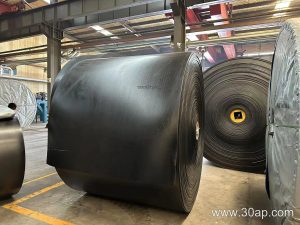
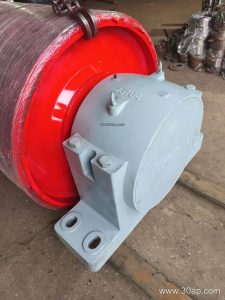
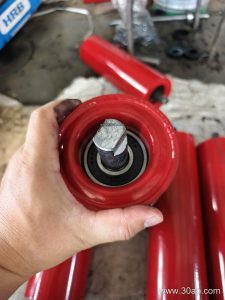
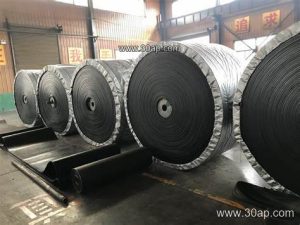
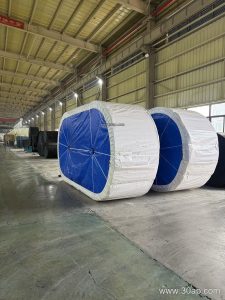
For related equipment, buyers often review the conveyor belt, idler roller, and conveyor pulley together, since bracket height affects belt contact. At www.beltconveyorsystem.com, the focus stays on matching the conveyor bracket to the real frame and duty, not on one-size-fits-all lists. In short, the right bracket keeps the belt running straight, the rollers turning freely, and maintenance downtime short.