What a 2200mm Conveyor Belt Is
A 2200mm conveyor belt is an extra-wide belting product built for conveyor systems that must move large volumes of bulk material in a single pass. At this width, the belt is usually specified as a heavy-duty conveyor belt rather than a standard stock item, and it is commonly produced as an EP conveyor belt, an NN conveyor belt, or a steel cord conveyor belt depending on the duty. The 2200mm figure refers to the belt width, so the product is often described simply as a 2200mm wide conveyor belt or a wide conveyor belt.
This width is not a universal requirement. Many plants run perfectly well on 800mm, 1000mm, 1200mm, or 1400mm belts, and a 2200mm belt is chosen only when the conveyor design calls for it.
How the Belt Is Constructed
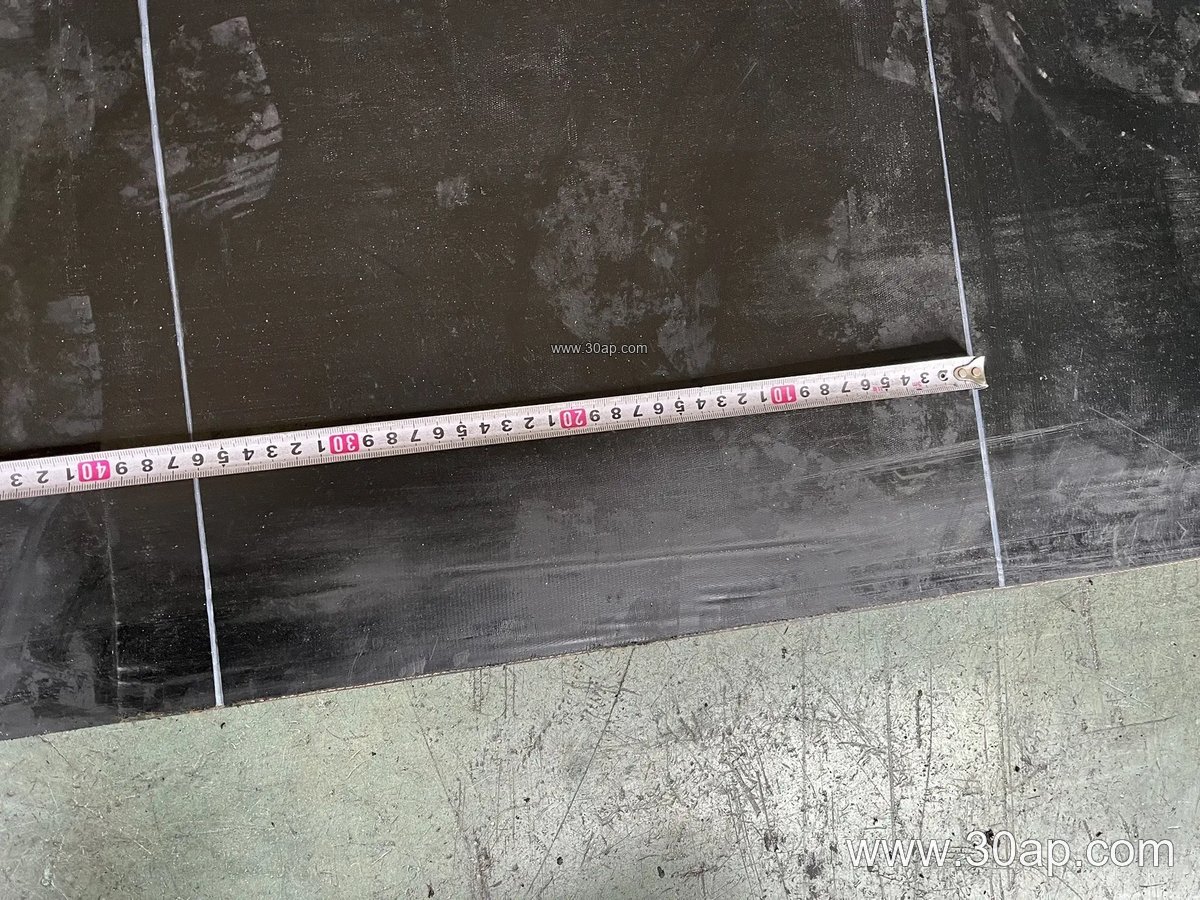
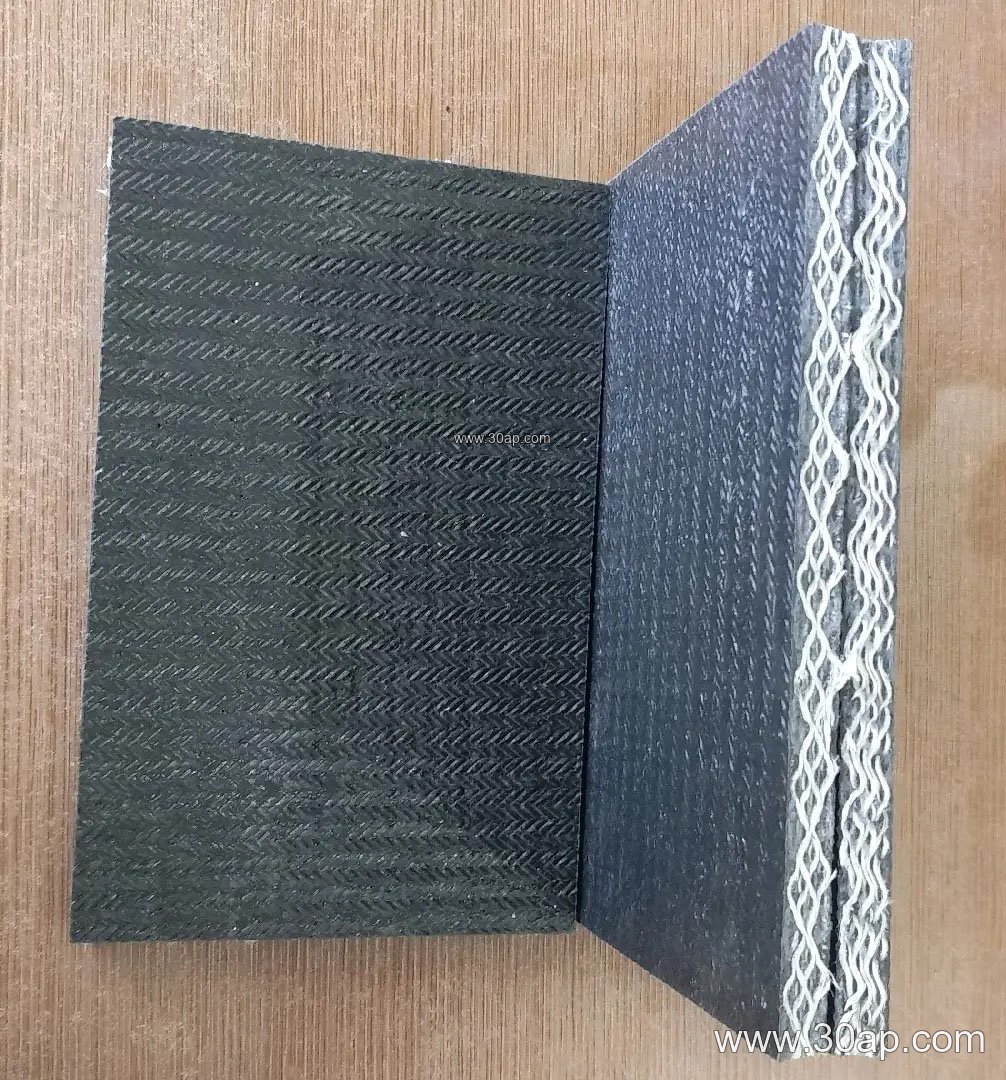
The carcass carries the tension. In fabric-core designs, multiple plies of EP or NN fabric are bonded under heat and pressure, with rubber covers on both faces. Steel cord constructions use parallel brass-plated cords instead, which suits long center distances and high tension. Cover thickness is normally stated as top plus bottom, for example 6+2 mm or 8+3 mm, and the carcass commonly has 2 to 6 plies in fabric constructions.
- EP conveyor belt: polyester-nylon carcass, low elongation, good for long conveyors
- NN conveyor belt: nylon-nylon carcass, high flexibility and impact tolerance
- Steel cord conveyor belt: high strength for heavy tonnage and long haulage
Surface and grade options follow the material being carried. Abrasion resistant conveyor belts handle crushed stone and ore, flame retardant and fire resistant grades serve coal mining and underground mining conveyors, heat resistant belts suit cement clinker and sinter, and oil resistant or cold resistant covers are selected where the environment demands it. Chevron conveyor belts and corrugated sidewall belts are separate subtypes used on inclines; they are not substitutes for a flat 2200mm belt on a horizontal main line.
Where This Width Fits
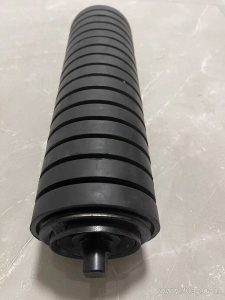
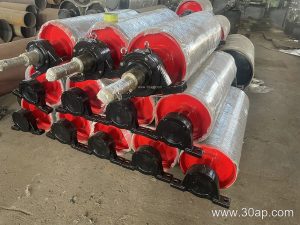
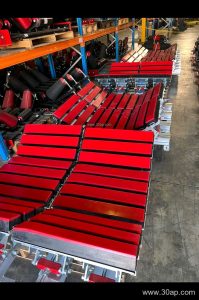
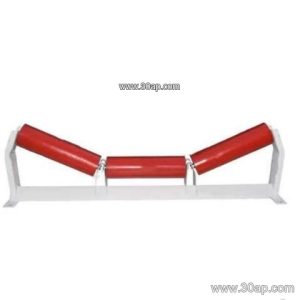
Extra-wide belting appears in mines, coal preparation plants, cement works, power plants, steel plants, ports, and large sand and gravel operations. A 2200mm conveyor belt is often found on main trunk conveyors, ship loading lines, crusher discharge belts, and stockyard systems where throughput is the priority. In a quarry or aggregate plant it may run alongside narrower 1200mm or 1500mm belts that feed the main line. The same conveyor will use idler rollers, a head conveyor pulley, a tail pulley, and bend pulleys, all sized by the conveyor designer rather than by belt width alone.
Specifications Buyers Usually Discuss
Values below are common reference points, not fixed supply promises. Actual figures are set by the conveyor design and confirmed by the manufacturer.
| Parameter | Typical reference |
|---|---|
| Belt width | 2200mm (B2200) |
| Carcass type | EP, NN, or steel cord |
| Fabric strength grades | EP200 to EP2000, NN100 to NN400 |
| Steel cord grades | ST1000 to ST3150 |
| Cover thickness | 4+2, 5+2, 6+2, 8+3 mm |
| Ply count | 2 to 6 plies |
| Special grades | abrasion, heat, oil, flame, anti-static, cold resistant |
Selection and Use Notes
Confirm the required tensile grade before ordering, since a 2200mm width can be built with very different carcasses. Check the minimum pulley diameter recommended for the carcass, the troughability at this width, and the splice method. Wide belts are harder to handle during installation, so plan lifting points, storage, and splice access in advance. Keep idler roller alignment and conveyor bracket condition under routine inspection, because a wide belt is less forgiving of a misaligned frame. For mining and coal applications, verify flame retardant and anti-static properties; for cement and power plant service, match the cover to temperature and abrasion. If you need help matching a 2200mm conveyor belt to your system, review the full conveyor layout with your belting supplier before finalizing the order.