What a Construction Industry Conveyor Belt Really Is
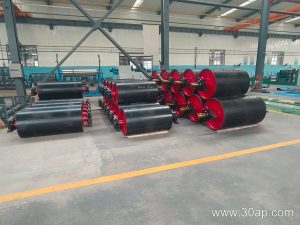
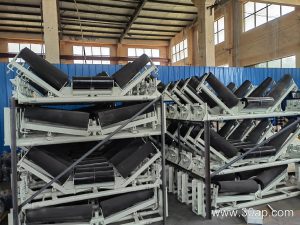
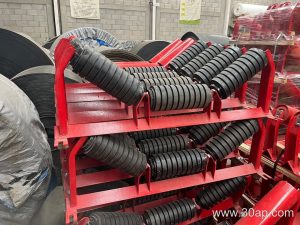
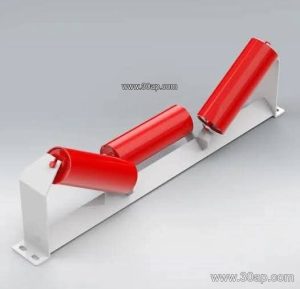
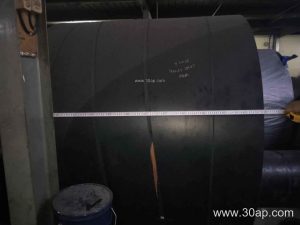
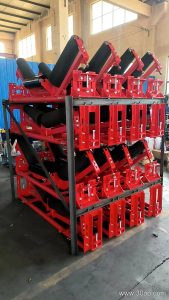
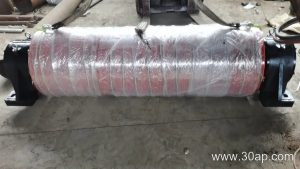
A construction industry conveyor belt is the endless load-carrying surface of a conveyor system used on building sites, quarries, aggregate yards, concrete plants and demolition or recycling operations. It hauls crushed stone, sand, gravel, cement clinker, recycled concrete and excavated spoil from one point to another, often over inclines and through tight layouts. The belt is only one part of the machine: it runs over conveyor pulleys at the head and tail, is supported by idler rollers, and is held in line by conveyor brackets and frames. Each of those parts has its own job, and none is a substitute for another. The belt itself is the wear surface and the traction element, so its construction decides how long the line keeps running.
How the Belt Is Built
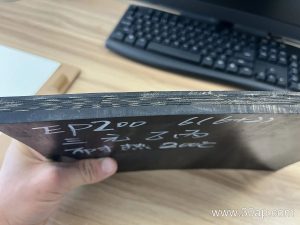
Most belts used in construction are fabric-cored or steel-cord reinforced, wrapped in rubber covers. The carcass carries the tension; the covers protect the carcass from sharp aggregate, heat, oil and abrasion. Common carcass families include EP (polyester-nylon) fabric, NN (nylon-nylon) fabric, multi-ply fabric core and steel cord. A rubber conveyor belt with an EP carcass is a frequent choice for medium-duty aggregate lines, while heavy primary crushing duty often points toward a steel cord conveyor belt. Cover thickness is usually quoted as top plus bottom, for example 4+2 mm or 6+2 mm, and the number of fabric plies commonly runs from two to six depending on the duty.
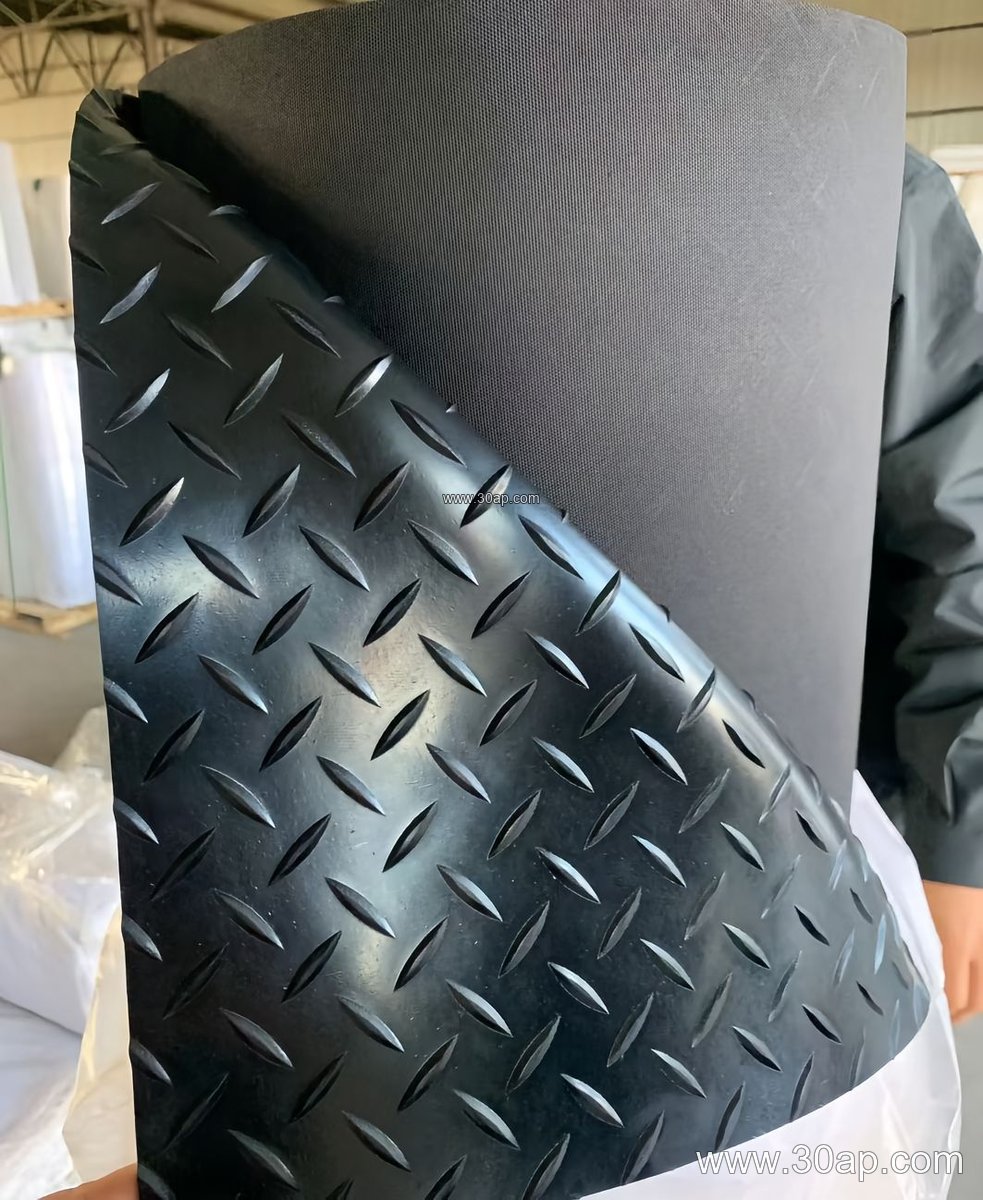
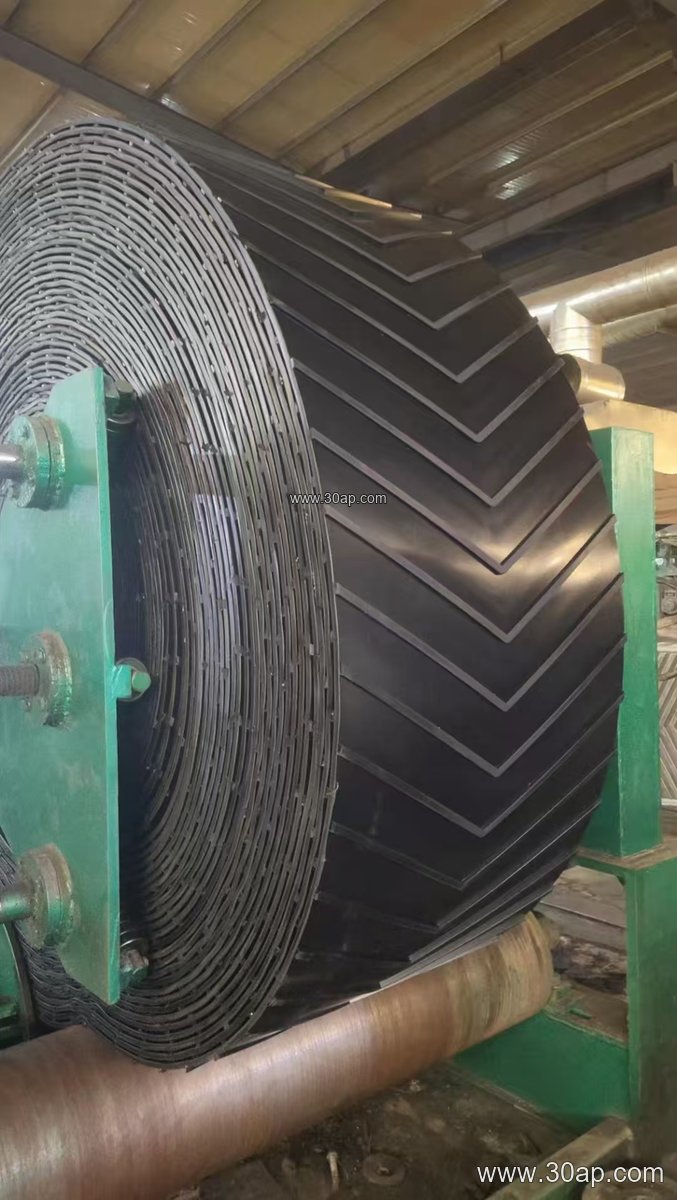
Surface and edge forms matter as much as the carcass. A chevron conveyor belt or a corrugated sidewall belt helps hold material on an incline; a skirted belt keeps spillage inside the trough; a pipe conveyor belt encloses the load for dusty or curved routes.
Typical Reference Data
The values below are common reference ranges, not fixed rules. Final figures are set by the conveyor designer and confirmed with the belt maker.
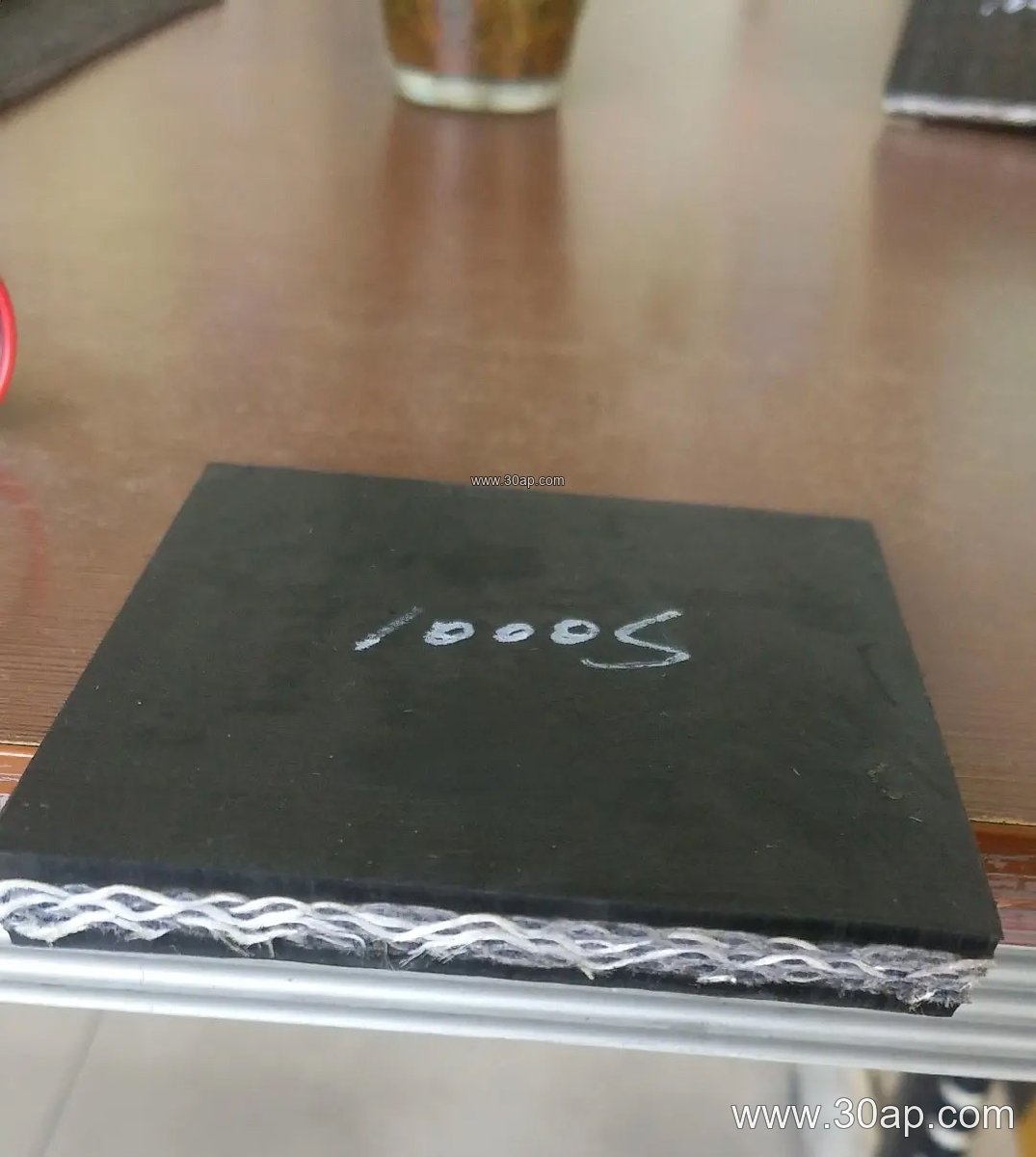
| Item | Common reference values |
|---|---|
| Fabric carcass grades | EP200, EP315, EP400, EP500, EP630, EP800, EP1000, EP1250, EP1600 |
| Steel cord grades | ST1000, ST1250, ST1600, ST2000, ST2500 |
| Belt width | B500, B650, B800, B1000, B1200, B1400, B1600, B1800, B2000 |
| Cover thickness (top + bottom) | 3+1.5, 4+2, 5+2, 6+2, 8+3 mm |
| Fabric plies | Usually 2 to 6 |
Belt width and pulley diameter are matched by design calculations, not by a single fixed rule. A wider belt does not automatically mean a larger shaft, so shaft size should always come from the drive and tension calculation for the specific conveyor.
Where These Belts Work
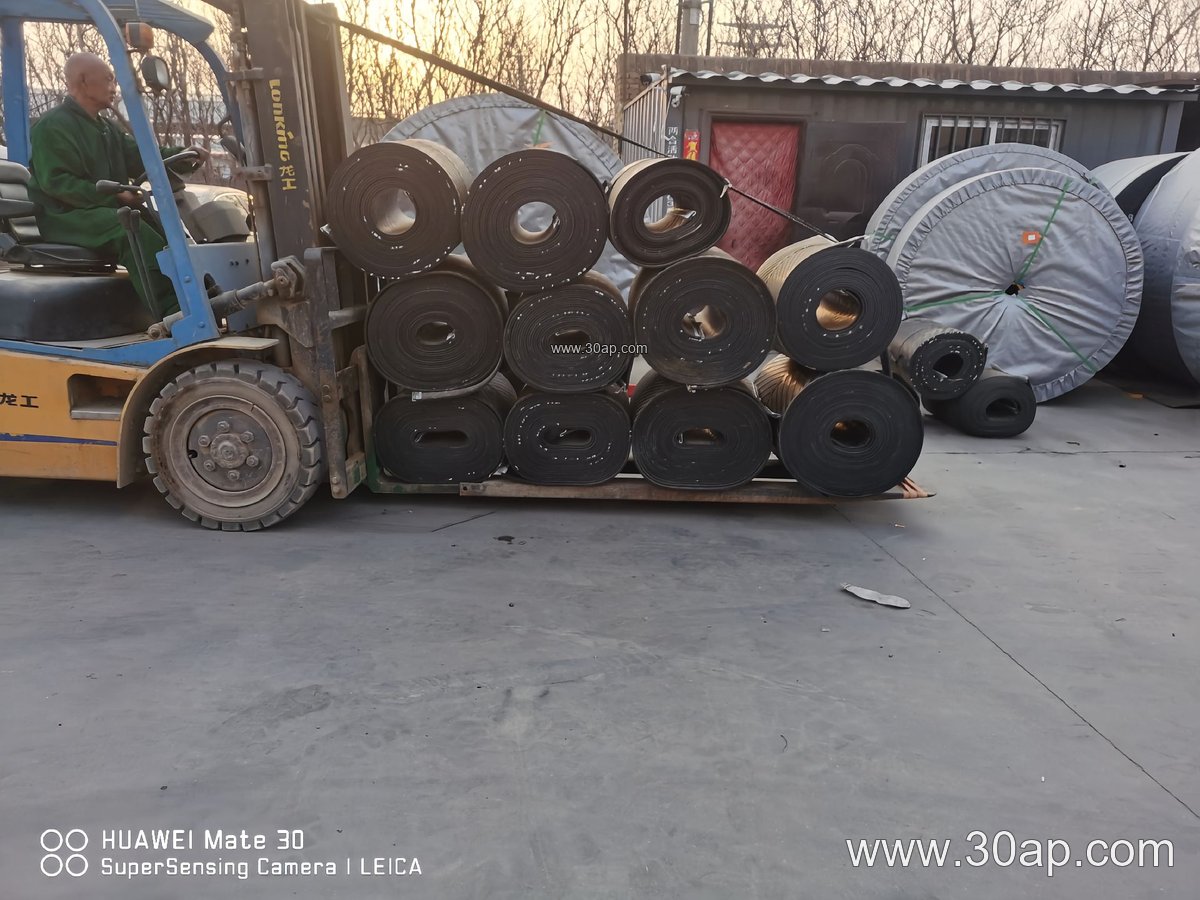
Construction sites are only one home for this equipment. The same belt types appear in sand and gravel plants feeding a crusher conveyor belt, in cement plants moving clinker and raw meal, in power plants handling coal, and in ports and ship loading terminals. Mining operations use flame retardant and fire resistant grades for underground coal mining conveyor belts, where anti-static properties are also important. Quarries rely on abrasion resistant conveyor belts to survive sharp rock; iron ore and copper ore lines may need high abrasion resistant covers plus impact resistant construction at transfer points. Cold resistant belts suit winter work in northern yards, heat resistant belts handle hot clinker or asphalt feed, and oil resistant grades serve equipment maintenance areas. A food grade belt is sometimes used in concrete admixture handling where cleanliness matters. Recycling lines often choose a heavy-duty belt with strong edge protection.
Specifying the Right Belt
Start with the material: size, shape, moisture, temperature and whether it is oily or chemically active. Then set the duty: tonnage per hour, incline angle, loading impact and expected belt speed. From there the designer selects carcass grade, cover compound and cover thickness, and checks the pulley and idler roller arrangement. On steep inclines, a chevron or corrugated sidewall form may be needed; on long overland runs, steel cord is often the practical answer. For underground work, flame retardant and anti-static behaviour are normally mandatory, and PVG or PVC grades are common in coal duties.
Buyer Checklist and Maintenance Notes
- Confirm belt width, carcass grade, cover thickness and ply count in writing before ordering.
- Ask how the belt will be joined — vulcanized splice or mechanical fastener — and who will do it.
- Check that the head, tail and bend pulleys are sized for the belt and load, and that idler rollers are spaced to avoid sag.
- Keep the belt tracking straight; misalignment wears edges and can damage the conveyor bracket and frame.
- Inspect covers for cuts and gouges, especially after impact points below the crusher.
- Store spare belts flat, dry and out of sunlight, and rotate stock.
For any construction industry conveyor belt project, the safest route is to share the full duty data with the supplier and let the belt, pulley and idler selection be checked together. A belt that matches the conveyor is cheaper to run than one that merely fits the width.