What a Mining Fire Resistant Conveyor Belt Is
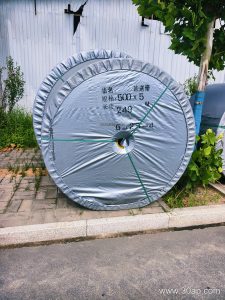
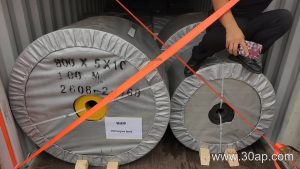
A Mining Fire Resistant Conveyor Belt is a heavy-duty rubber belt built to carry coal, ore, stone and other bulk materials while limiting flame spread and resisting ignition sources. In practice it is the same product many buyers call a Fire Resistant Conveyor Belt, specified for underground and surface mining duty. The fire performance comes from the rubber compound and, where required, from the carcass construction, so the belt behaves differently from a standard Rubber Conveyor Belt in a tunnel, transfer point or coal handling plant.
Fire resistance is not the only requirement in a mine. The belt usually also needs anti-static behavior, abrasion resistance and enough tensile strength for the duty. That combination is why a Mining Flame Retardant Conveyor Belt is often specified as a package rather than a single property.
Construction and Compound Choices
Most mining fire resistant belts use a fabric core or a steel cord carcass. Fabric types include EP Conveyor Belt constructions with polyester-nylon plies and NN Conveyor Belt constructions with nylon-nylon plies. Multi-Ply Fabric Core Conveyor Belt designs are common where flexibility and spliceability matter, while a Steel Cord Conveyor Belt is chosen for long runs and high tension. PVC and PVG belts are also used in underground coal work, with PVG800S Conveyor Belt being a familiar designation in some regions.
Cover compounds are formulated for flame spread and static dissipation, then balanced against wear. A buyer may see a Heat Resistant Conveyor Belt compound offered for hot clinker or sinter, but that is a different duty from fire resistance and should not be treated as a substitute.
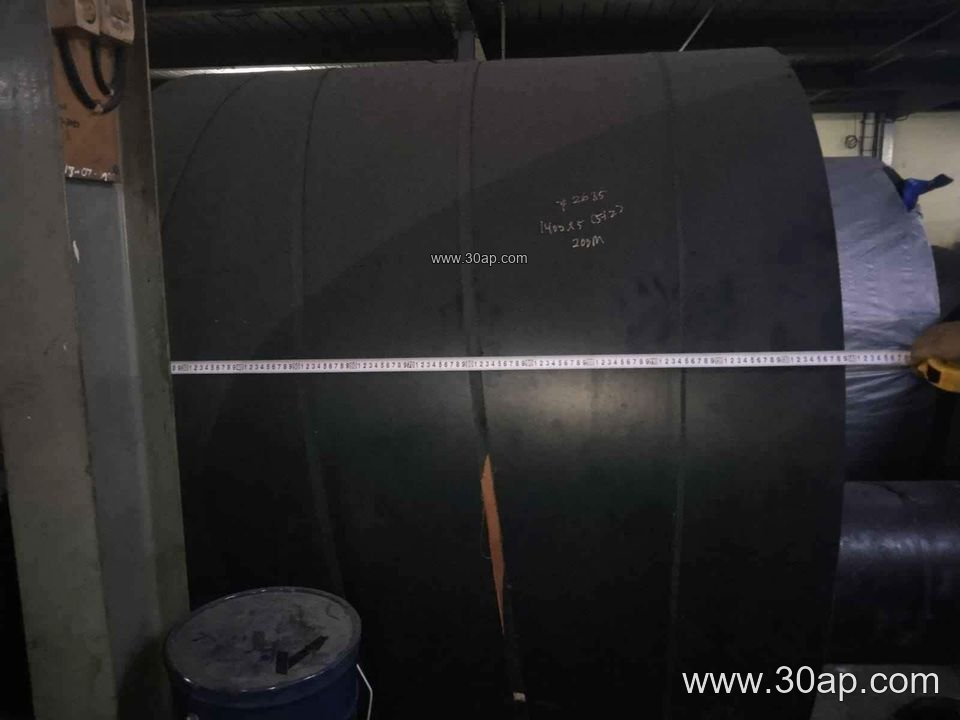
Typical Reference Data
The values below are common reference ranges, not fixed supply promises. Final construction follows the conveyor design and the manufacturer’s data sheet.
- Fabric strength grades often quoted: EP200, EP315, EP400, EP500, EP630, EP800, EP1000, EP1250, EP1600, EP2000
- Steel cord grades sometimes referenced: ST1000, ST1250, ST1600, ST2000, ST2500, ST3150
- Belt widths: B500, B650, B800, B1000, B1200, B1400, B1600, B1800, B2000
- Cover thickness examples: 3+1.5 mm, 4+2 mm, 5+2 mm, 6+2 mm, 8+3 mm
- Carcass plies: usually 2 to 6 layers for fabric core belts
Where It Is Used
The main homes for this belt are coal mines, metal mines and mineral processing plants. An Underground Coal Mining Conveyor Belt must deal with limited space, dust and the risk of ignition, so flame spread and static control are central. A Coal Mining Conveyor Belt on the surface faces different loads but similar fire rules around transfer towers and storage.
Other industries use the same fire resistant logic where hot work, dust or flammable material is present. Cement plants, power plants, steel plants, quarries and sand and gravel yards may specify a flame retardant belt for enclosed galleries or crusher areas. A Quarry Conveyor Belt or Crusher Conveyor Belt handling abrasive rock will lean toward High Abrasion Resistant Conveyor Belt covers, while an Iron Ore Conveyor Belt or Copper Ore Conveyor Belt may need impact resistance at the loading point.
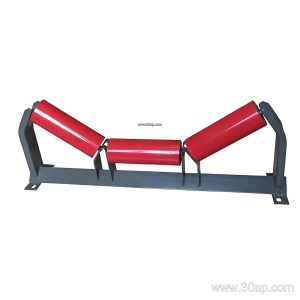
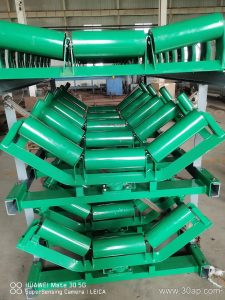
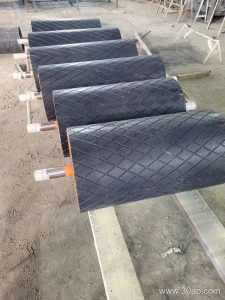
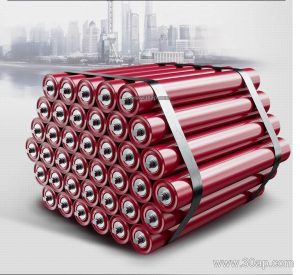
The belt runs on a conveyor frame with idler roller sets, a conveyor pulley at the drive and tail, and conveyor bracket supports. Drive, tail and bend pulleys each do a different job and are not interchangeable, so the belt’s tensile grade, troughability and splice method should be checked against the whole conveyor, not just the belt width.
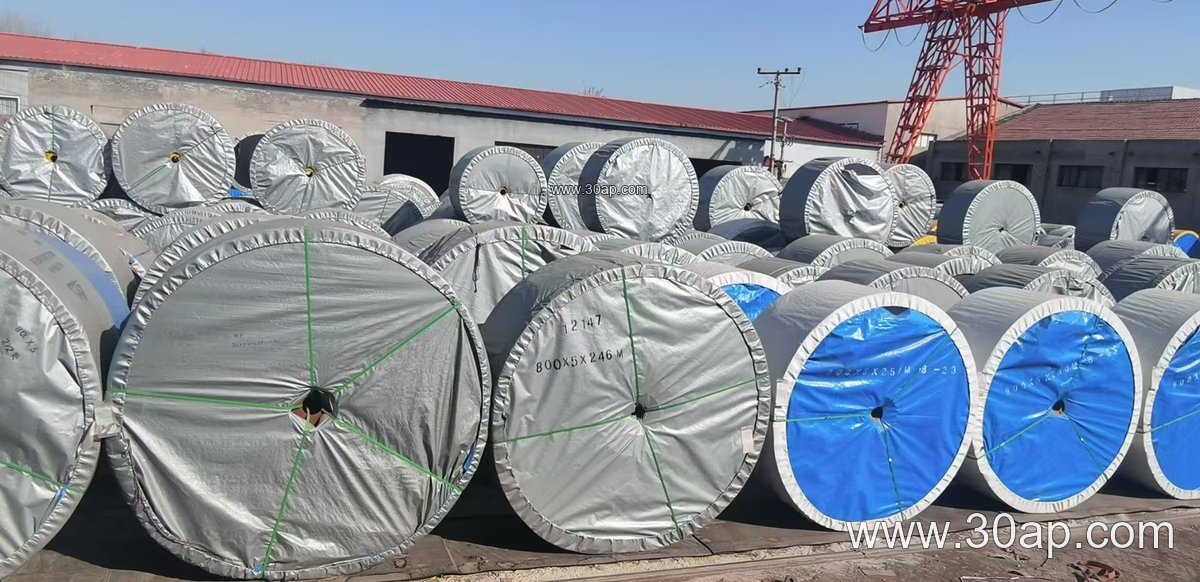
Specification Points for Buyers
Start with the material, lump size, tonnage per hour, incline and the longest unsupported span. Then confirm the fire and anti-static requirement with the site’s safety documentation. Ask for the carcass type, ply count or cord grade, cover thickness, belt width and edge condition. For a chevron or cleated duty, a Chevron Conveyor Belt or Corrugated Sidewall Conveyor Belt may be relevant, but those are different profiles and should only be selected when the incline or material containment demands it.
Also confirm splicing: an Endless Conveyor Belt made at the factory reduces joint risk on critical drives, while field splicing needs the correct splice material and cure procedure for a fire resistant compound. Check pulley diameters against the belt’s minimum bend radius, and confirm that the take-up travel suits the expected elongation.
Installation and Maintenance Notes
Keep the belt tracking straight, keep idler roller sets turning freely, and inspect the conveyor pulley lagging for wear. Misalignment and stuck rollers raise edge wear and heat, which work against any fire resistant belt. Clean spillage from the tail area and check the conveyor bracket fixings for looseness. Store spare belts flat, away from oil, sunlight and heat, and respect the shelf life stated by the maker.
During operation, watch for cover gouges, exposed carcass and splice separation. A small repair done early protects the belt’s fire performance and tensile strength. When replacing, match the new belt’s grade and compound to the original specification rather than choosing by width alone.