What a Dustproof and Waterproof Idler Does
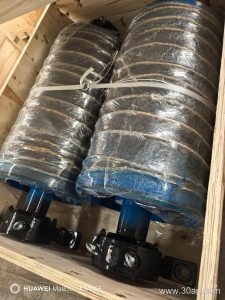
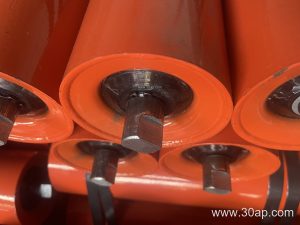
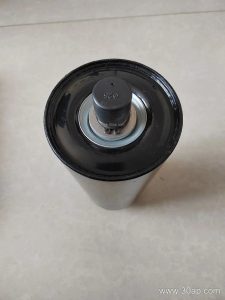
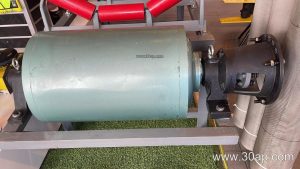
A dustproof and waterproof idler is a carrying or return roller built with sealed end caps and protected bearing housings, so fine dust and water spray cannot reach the bearing cavity. On a conveyor belt system, these idlers support the belt and the material load while the belt travels. In wet washing areas, dusty crushing circuits, or open yards exposed to rain, a standard roller can lose grease and seize within months. The sealed version is designed to keep the bearing running longer under those conditions.
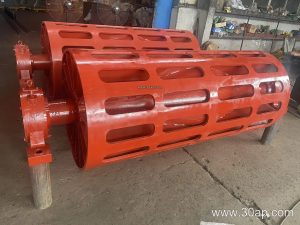
The same product is also called a sealed dustproof waterproof idler roller or a watertight conveyor roller. These names describe one item; they are not different product families. A drive pulley, tail pulley, or bend pulley is a different component and is not a substitute for this roller.
How the Sealing and Body Are Built
Most designs combine a steel tube shell with a labyrinth seal, an outer dust lip, and a grease-filled bearing housing. Some makers add a rubber or nylon end cap and a protective cover over the bearing. The roller surface may be plain steel, nylon, or rubber-ringed, depending on whether impact and abrasion matter more than sticking material.
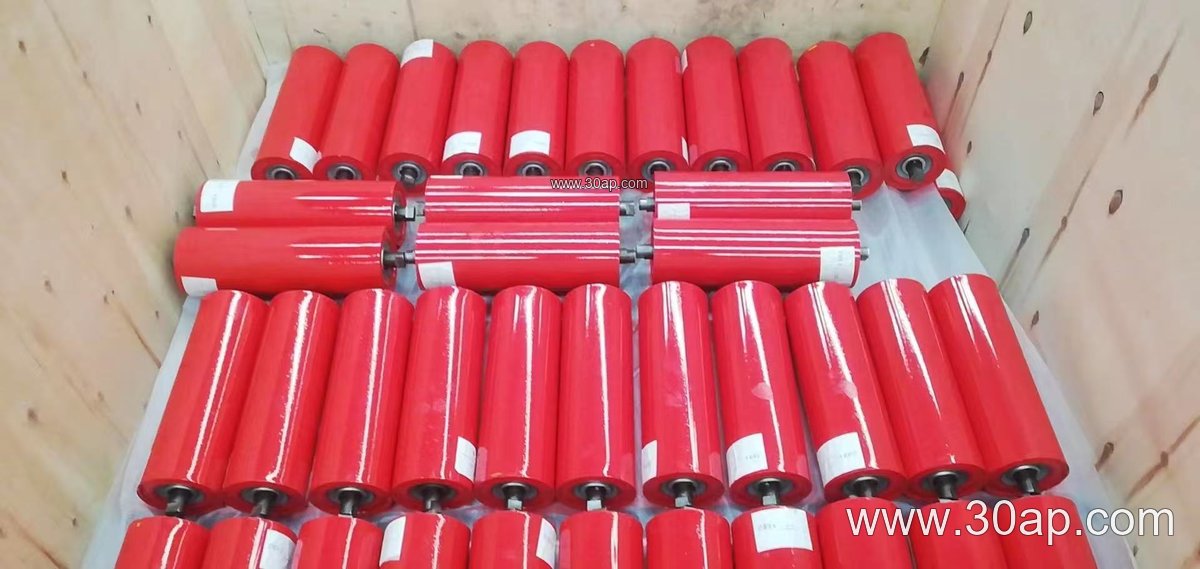
Bearing selection follows load and speed rather than a single fixed rule. Common bearing numbers include 6204, 6205, 6305, 6306, 6308, and 6310, and one bearing size can serve more than one roller diameter. Shaft ends usually fit standard conveyor brackets, but the bracket type and fixing spacing must be checked against the frame drawing.
Typical Sizes and Arrangements
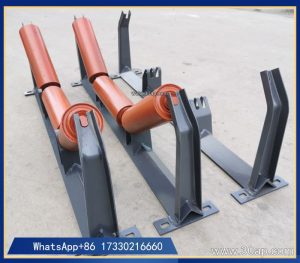
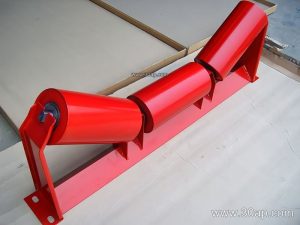
Sealed idlers are made in troughing sets, return sets, and Impact or training positions. The table below shows common reference values; final dimensions are set by the conveyor design, belt width, and trough angle.
| Item | Common reference values |
|---|---|
| Roller diameter | Ø63, Ø76, Ø89, Ø102, Ø108, Ø127, Ø133, Ø159, Ø178, Ø194, Ø219 mm |
| Belt width | B400, B500, B650, B800, B1000, B1200, B1400, B1600, B1800, B2000 mm |
| Trough angle | 20°, 30°, 35°, 45° |
| Set form | single roll, two-roll, three-roll troughing |
| Roller length example | about 200 mm at B500, 315 mm at B800, 465 mm at B1200, 600 mm at B1600, 750 mm at B2000 for three-roll troughing |
These figures are examples, not fixed pairings. Side rollers and center rollers can differ in length, and a wider belt does not automatically dictate one shaft diameter.
Where the Sealed Roller Fits Best
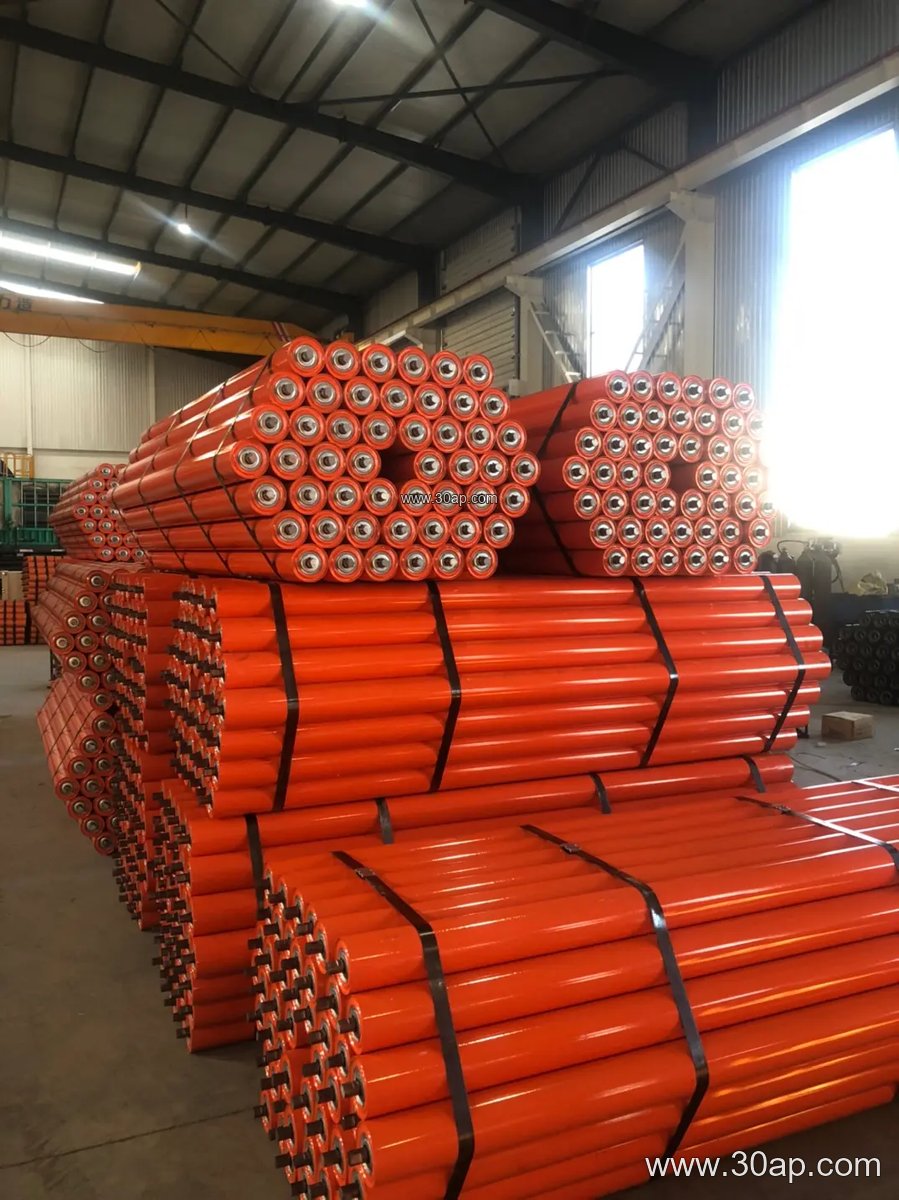
Two settings benefit most. In a coal washing plant or a cement plant raw-material yard, water sprays and fine powder are present every shift, and a sealed idler keeps the bearing clean. In a quarry or sand and gravel line, dust from crushing and screening settles on the frame, so the dust lip earns its place. Similar conditions appear in power plant coal handling, port stockyards, and tunnel muck removal.
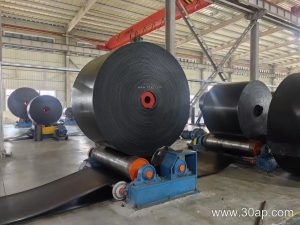
The roller works together with the conveyor belt, the conveyor pulley at the head and tail, and the conveyor bracket that holds each station. Matching the roller to the belt is important: a heavy abrasive duty line may run an abrasion resistant conveyor belt or a steel cord conveyor belt, while a long overland route may use an EP conveyor belt or NN conveyor belt. The idler does not change belt selection, but poor roller sealing shortens belt life through misalignment and friction.
Buyer Checklist
- Confirm roller diameter, length, and shaft end shape against the frame drawing, not against belt width alone.
- State the environment: washdown, rain exposure, coal dust, cement powder, or salt air.
- Ask which seal system is used and whether the bearing housing is greased for life or relubricable.
- Check the trough angle and set form so the roller matches the existing station.
- For impact zones, consider a rubber-ring buffer roller rather than a plain sealed roller.
- Keep spare stations on site; a seized roller can damage the belt surface quickly.
Installation and Maintenance Notes
Align each station square to the belt centerline and check that the roller turns freely by hand before startup. After the first weeks of operation, inspect for wobble, noise, and material build-up on the shell. Clean the area around the seal lip during scheduled shutdowns, and replace any roller that shows grease leakage or a rough bearing. A dustproof and waterproof idler reduces maintenance frequency, but it does not remove the need for periodic inspection on a busy mining conveyor belt or aggregate conveyor belt line.