What the EP1250 1800mm Conveyor Belt Is
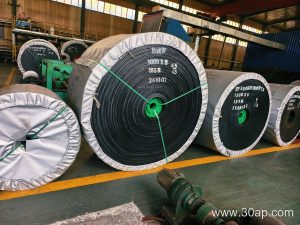
The EP1250 1800mm conveyor belt is a heavy-duty fabric-core belt built around polyester-polyamide (EP) carcass plies and a nominal belt width of 1800 mm. In this designation, EP1250 refers to the belt’s tensile strength class, while 1800mm defines the full belt width. The combination makes it a wide, high-strength belt suited to moving large volumes of bulk material in mines, cement works, power stations, ports, and aggregate plants.
As an EP rubber conveyor belt, it is also described as an EP fabric core conveyor belt or simply an EP conveyor belt. These are equivalent names for the same product; the EP1250 1800mm conveyor belt remains the specific article discussed here.
Construction and Carcass Design
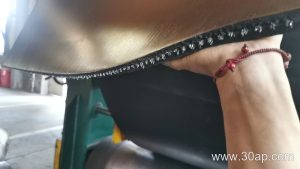
The carcass is normally made from multiple EP fabric plies, commonly two to six layers depending on the duty. The polyester warp provides low elongation and good dimensional stability, while the polyamide weft contributes flexibility and resistance to impact and flex fatigue. Top and bottom rubber covers protect the carcass and define the belt’s resistance to abrasion, heat, oil, or flame, depending on the compound selected.
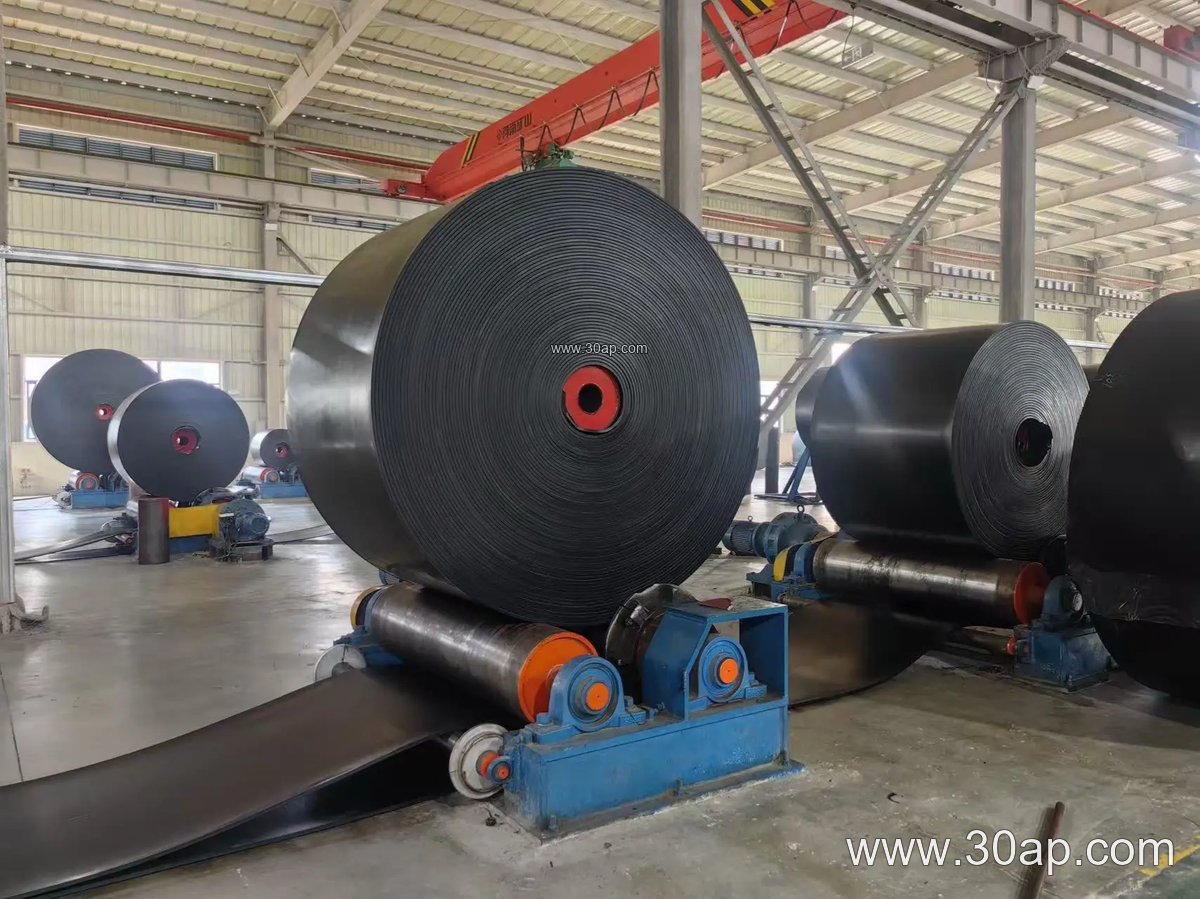
Common cover thickness combinations include 3+1.5 mm, 4+2 mm, 5+2 mm, 6+2 mm, and 8+3 mm. A buyer should treat these as typical references rather than fixed figures; the final cover gauge and ply count are confirmed by the belt designer for each conveyor.
Typical Specification Reference
The table below shows reference values often associated with this class of belt. Actual values vary between manufacturers and must be verified against the project’s design data.
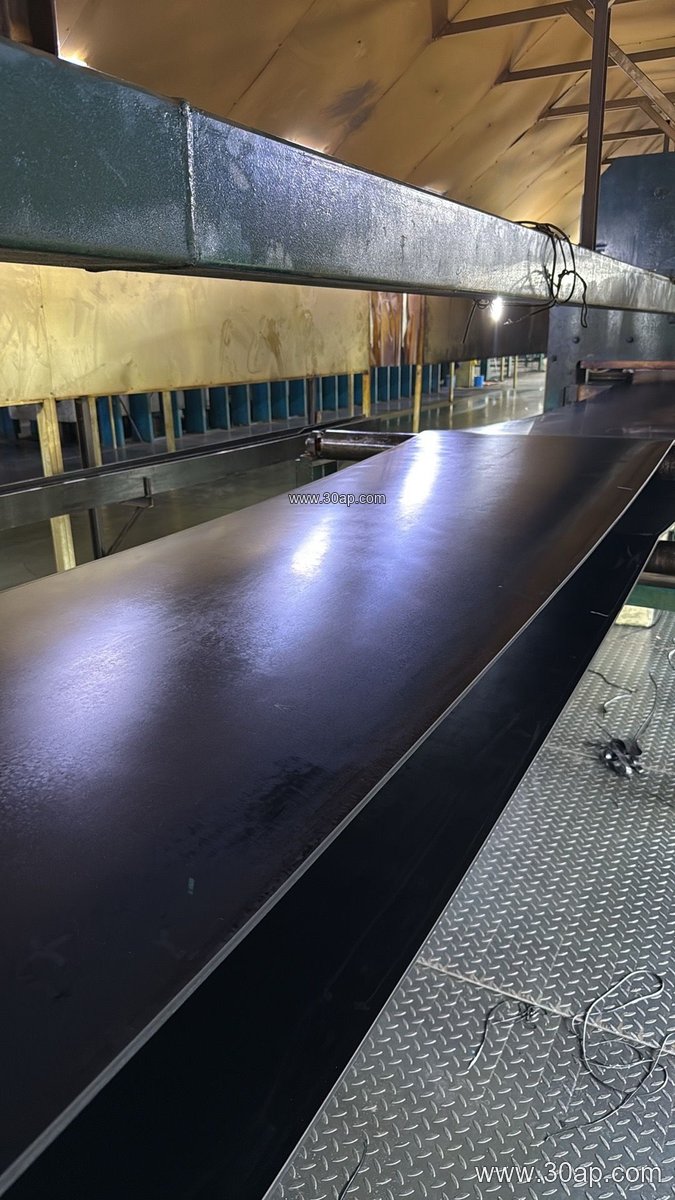
- Belt type: EP fabric core conveyor belt (EP rubber conveyor belt)
- Strength class: EP1250
- Nominal width: 1800 mm (B1800)
- Carcass: multi-ply EP fabric, usually 2 to 6 plies
- Cover thickness: commonly 3+1.5, 4+2, 5+2, 6+2, or 8+3 mm
- Surface forms available: plain, abrasion resistant, heat resistant, oil resistant, flame retardant, anti-static, cold resistant
Where It Fits in a Conveying System
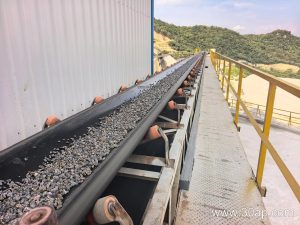
A wide belt of this strength class is often chosen for main haulage lines in mining conveyor belts, coal mining conveyors, quarry conveyor belts, and aggregate conveyor belts where throughput is high and the material is abrasive. It can also appear in cement plant conveyors, power plant coal handling, steel plant raw material lines, and port or ship loading conveyors handling bulk material.
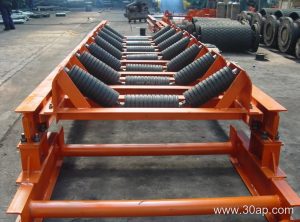
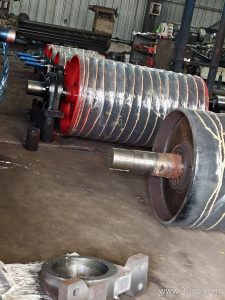
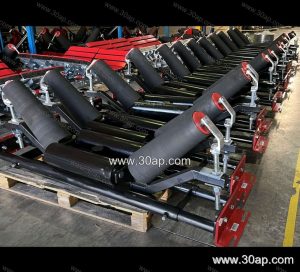
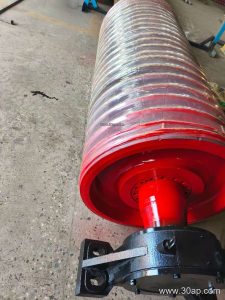
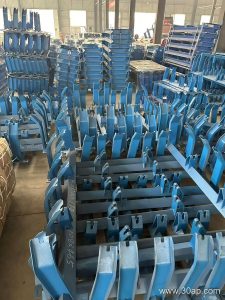
The belt runs over conveyor pulleys at the head, tail, and bend positions, supported by idler rollers along the carrying and return strands. Conveyor brackets and frames hold these components in alignment. Drive, tail, and bend pulleys perform different duties and are not interchangeable; the belt specification must match the pulley diameters and loading profile selected by the conveyor designer.
Selection Points for Buyers
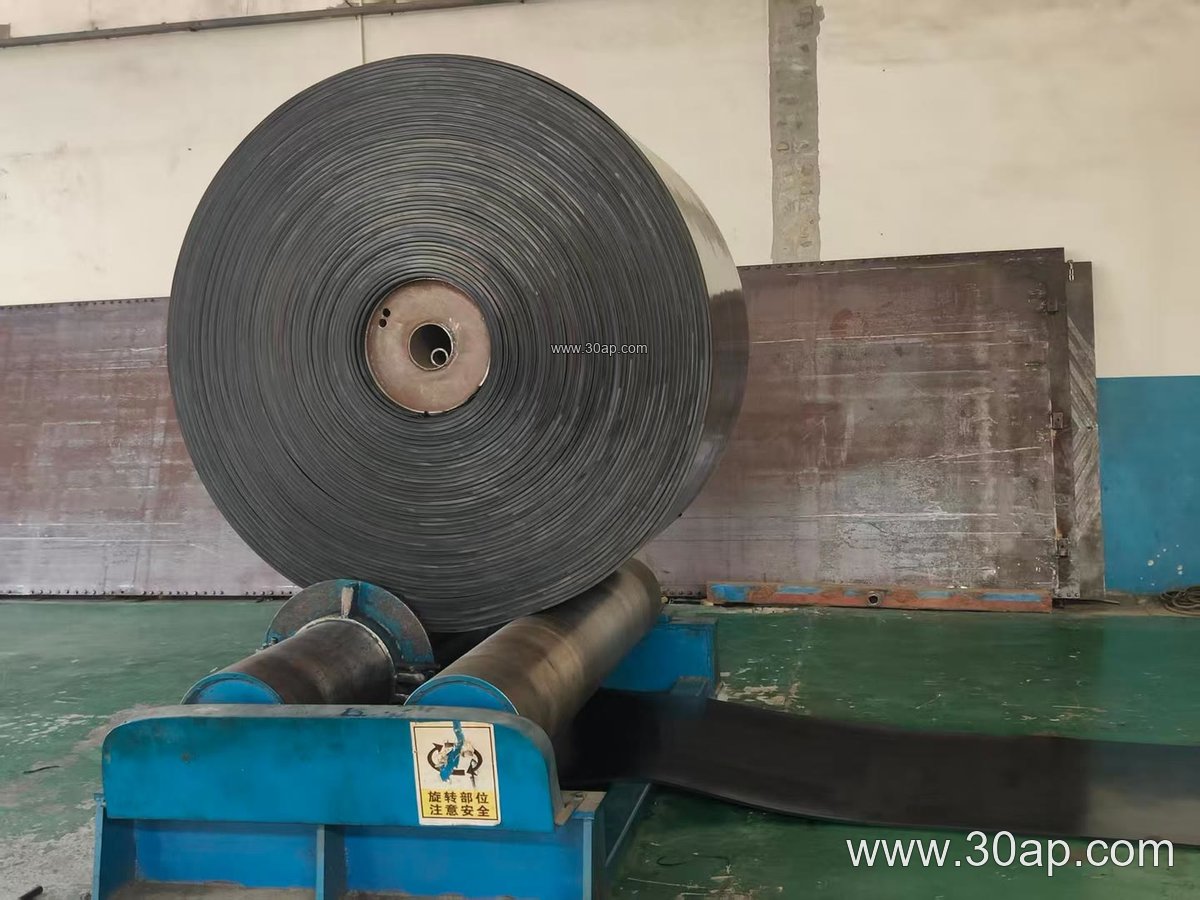
Several factors should be clarified before ordering an EP1250 1800mm conveyor belt. First, confirm the actual tensile requirement and safety factor rather than assuming that EP1250 is correct for every layout. Second, define the material being carried: iron ore, copper ore, coal, clinker, or limestone each places different demands on cover rubber. Third, decide whether a special cover is needed, such as abrasion resistant conveyor belt, heat resistant conveyor belt, flame retardant conveyor belt, oil resistant conveyor belt, or anti-static conveyor belt.
For comparison only, an NN conveyor belt uses nylon fabric in both warp and weft, while a steel cord conveyor belt uses steel cables instead of fabric plies. Neither replaces the EP1250 1800mm conveyor belt in this discussion; they simply represent alternative constructions for different duty levels.
Belt width alone does not fix pulley diameter or shaft size. Those values come from the conveyor’s tension, wrap angle, and shaft loading calculations. A 1800mm wide conveyor belt may be paired with different pulley sizes across installations, so the belt data sheet and the conveyor design should be checked together.
Handling and Maintenance Notes
Wide belts are heavy and require careful lifting during installation. Adequate take-up travel, correct pulley alignment, and free-turning idler rollers help prevent edge damage and mistracking. Inspect splice joints, cover wear, and edge condition periodically, particularly in abrasive ore and quarry service. Where a Chevron conveyor belt or corrugated sidewall belt is used elsewhere on the same site, keep spare parts and splice materials clearly identified to avoid mixing belt types.