What a Drive Lagged Pulley Does
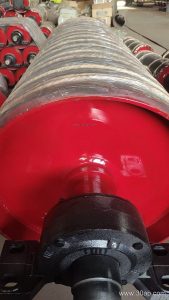
A drive lagged pulley is the powered drum at the head of a conveyor that transfers torque from the gearbox to the belt while its rubber or ceramic covering grips the belt surface. In many plants this component is simply called a head pulley with lagging, and the lagging is what separates it from a plain steel drum. Without a reliable friction layer, a fully loaded belt can slip under starting torque, especially on inclined routes or during cold starts. The covering also shields the drum shell from abrasive carryback.
The drive pulley is not a tail pulley or a bend pulley. Those positions serve different duties, and swapping names causes confusion in procurement and maintenance planning. A tail pulley guides the return strand, while a bend pulley changes belt direction without driving. Only the head or drive position transmits power, so its lagging, shaft and bearing selection deserve separate attention.
Construction and Surface Options
The drum body is usually a welded steel shell machined for balance, fitted with a shaft, keyways, bearing housings and a connection to the drive. Lagging may be applied as cast rubber, cold-bonded sheet, hot-vulcanized rubber, diamond pattern, herringbone pattern, ceramic tiles or plain flat rubber. Thickness commonly ranges from 8 mm to 20 mm depending on torque and belt tension. Diamond and herringbone grooves help shed water and fine dust, while ceramic tiles suit high-abrasion service where slip is costly.
- Shell and shaft sized by torque and radial load, not by belt width alone
- Lagging thickness typically 8, 10, 12, 15 or 20 mm
- Common shaft diameters include Ø80, Ø100, Ø120, Ø140 and Ø160 mm, confirmed by calculation
- Face width usually slightly greater than belt width, for example B800 with roughly 950 mm face
Typical combinations seen in design documents include B800 × Ø500, B1200 × Ø1000 and B1400 × Ø800. These are reference pairings, not fixed rules. A wider belt does not automatically dictate one shaft diameter, and the same belt width may appear with different drum diameters depending on wrap angle and belt rating.
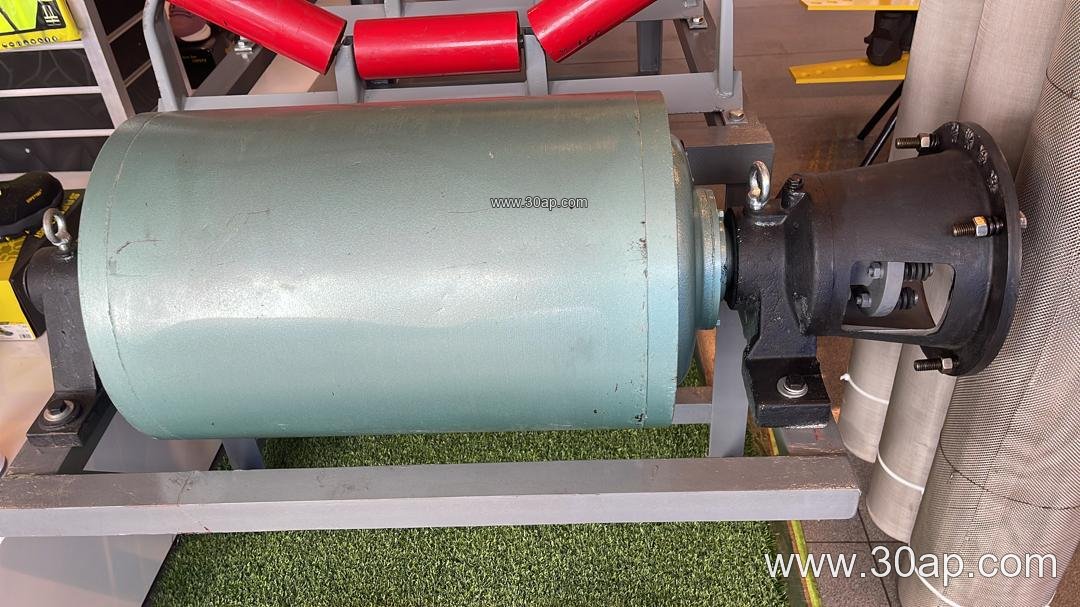
Where It Fits in Bulk Handling
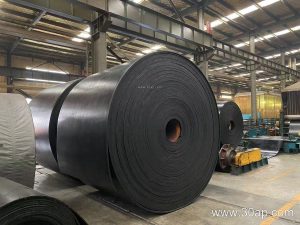
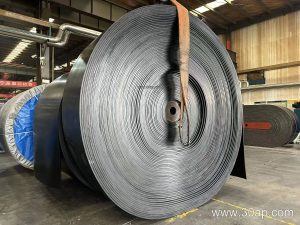
In a limestone quarry, the drive lagged pulley on the main incline conveyor must hold a heavy EP Conveyor Belt loaded with blasted rock. At a coal preparation plant, a flame retardant belt runs over a lagged head drum that must resist both slip and fine coal dust. Cement plants use these pulleys on clinker and raw meal lines, while power station coal yards rely on them for continuous fuel feed. Port bulk terminals handling iron ore or copper ore concentrate often specify ceramic lagging because abrasive fines shorten plain rubber life.
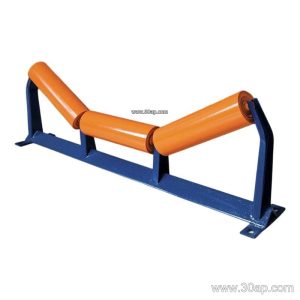
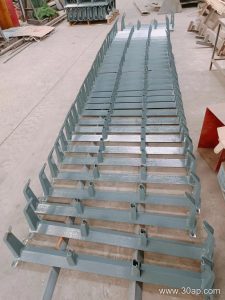
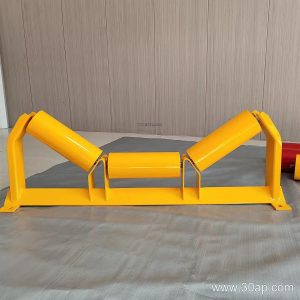
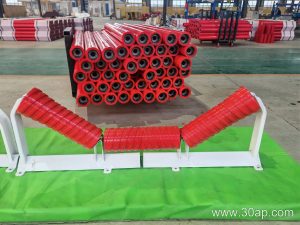
The drum works together with the conveyor belt, idler roller sets and conveyor bracket assemblies. Misalignment at any of these points increases edge wear and reduces the friction margin at the drive. On a steep quarry conveyor, a chevron or corrugated sidewall belt may be paired with a suitably lagged head pulley, but the drum itself remains the same functional component.
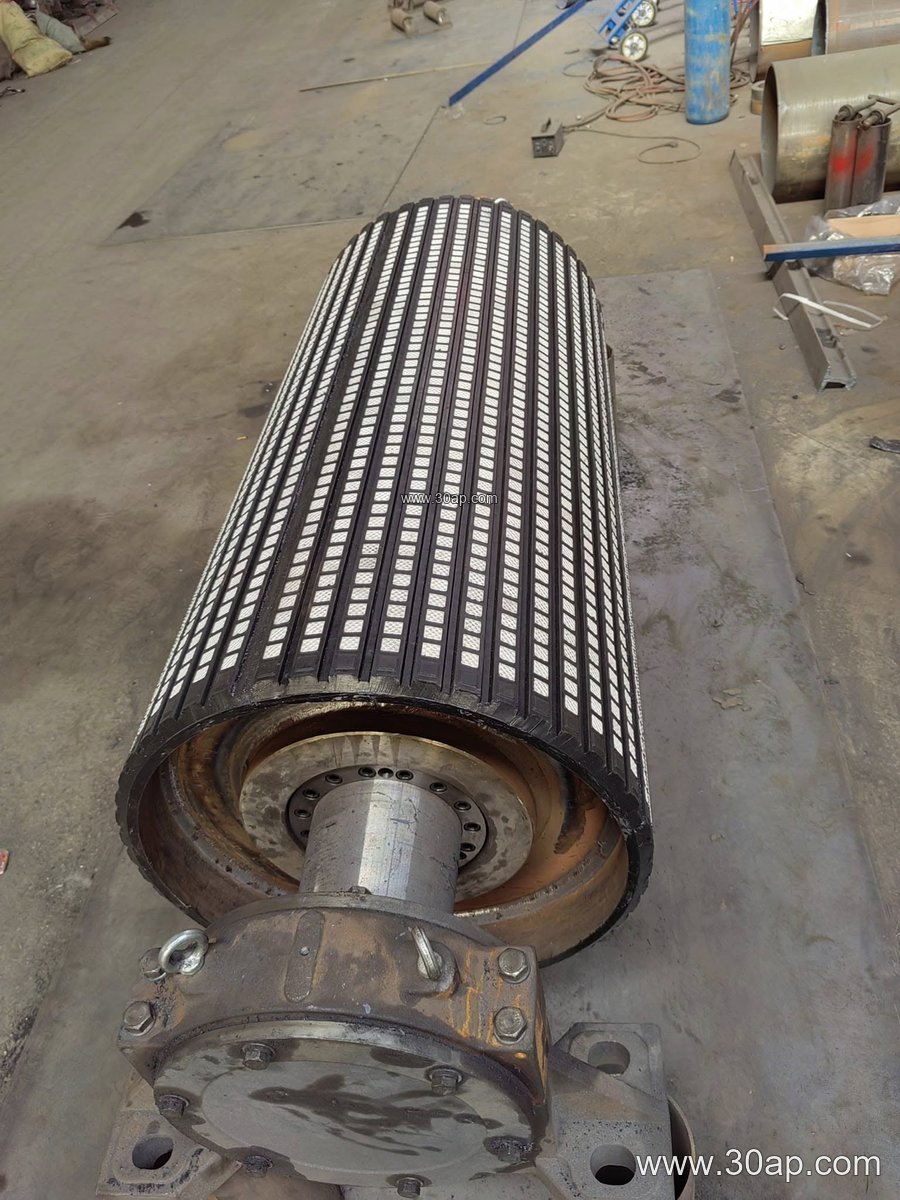
Matching the Pulley to the Belt and Duty
Buyers should start with belt tension, starting torque and wrap angle rather than catalog size alone. A high-tension steel cord belt on a long overland route needs a larger drum diameter relative to belt thickness to limit bending stress. Fabric core belts such as EP100, EP200 or NN200 may tolerate smaller drums, but the drive still needs enough lagging friction. Underground coal mining conveyors often combine PVG800S belts with fire resistant lagging and anti-static properties. Heat resistant belts in sinter or clinker service call for lagging that will not soften at operating temperature.
Useful information to prepare before ordering includes belt width, belt type, motor power, speed, shaft diameter, bearing type and the required lagging pattern. Face width should exceed belt width to allow minor tracking movement. If the conveyor has a conveyor pulley at the take-up position, keep its specification separate from the drive unit.
Installation and Maintenance Notes
Check lagging contact after the first weeks of operation. Uneven wear often signals belt mistracking or material build-up on the drum face. Keep the scraper and conveyor bracket hardware in good condition so carryback does not pack into the lagging grooves. When replacing lagging, match the pattern and thickness to the original duty rather than choosing the cheapest sheet. A worn drive lagged pulley can cause belt slip, heat build-up and premature belt failure, so inspection intervals should follow tonnage and operating hours.
For reliable transmission, treat the drive drum as an engineered assembly of shell, shaft, bearings and lagging. Confirm every dimension against the conveyor design, and the pulley will deliver steady grip through years of abrasive, dusty or wet service.