Why the Conveyor Pulley Dictates System Lifespan
The conveyor pulley is not just a rotating cylinder; it is the tension anchor and drive interface of your entire belt line. A poorly chosen pulley causes belt slippage, misalignment, and premature bearing failure.
Key Engineering Considerations
- Diameter and face width must match belt tension and load to prevent flex fatigue.
- Shaft and hub design should be rated for worst-case starting torque, not just running load.
- Lagging type (ceramic, rubber, or grooved) affects friction, wear, and noise.
Purchasing Advice
Specify crown face profiles for self-centering, and request dynamic balancing data for speeds above 300 fpm. Always verify that the pulley’s shell thickness and weld integrity meet CEMA standards—cheaper alternatives often fail at the end discs after two years.
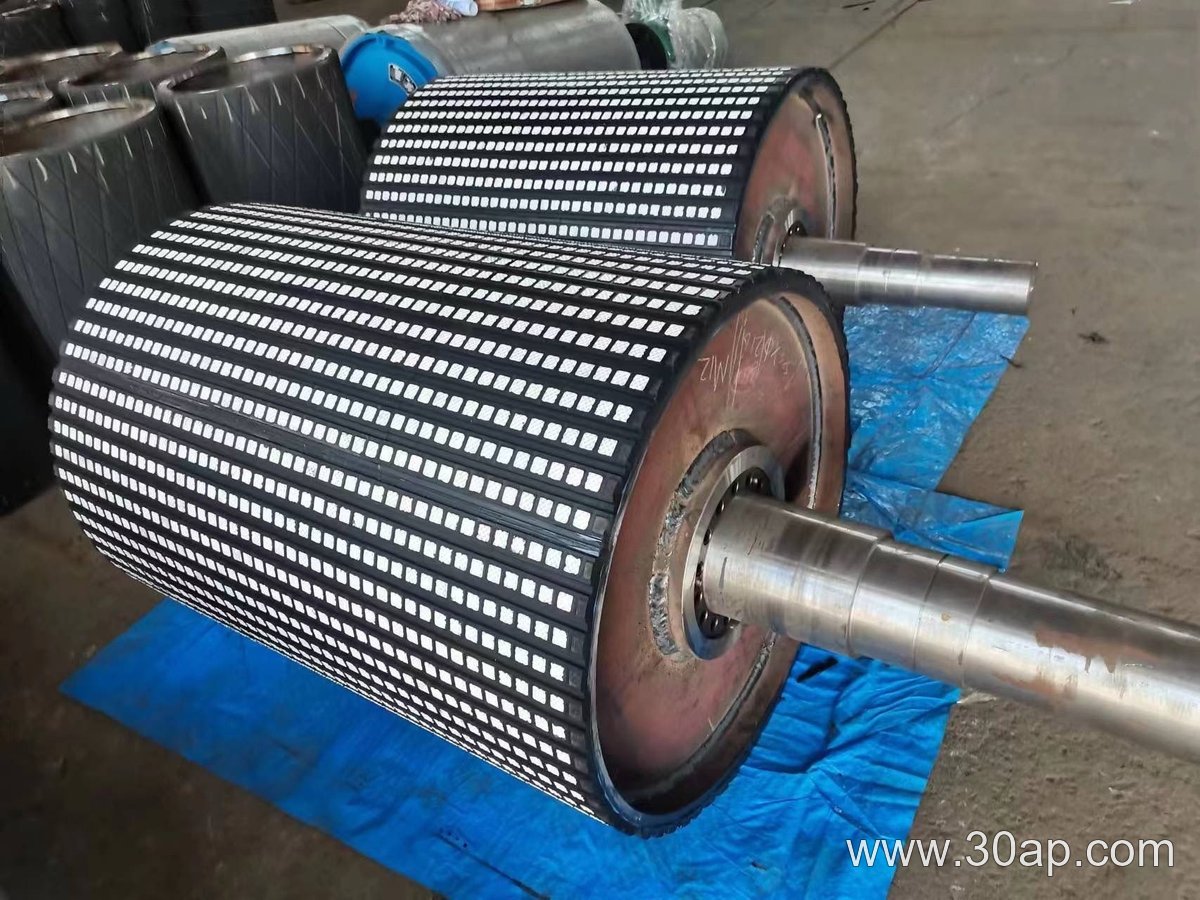
For replacements, measure existing pulley dimensions, but also audit shaft deflection under full load. Ask the supplier for finite element analysis (FEA) reports if your belt width exceeds 48 inches. Finally, choose a pulley with bolt-on or removable lagging to reduce downtime during re-surfacing.
Why the Conveyor Bracket Demands Your Attention
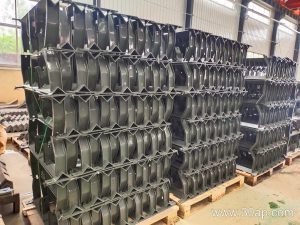
The conveyor bracket is the structural link that secures rollers, idlers, and frames to your conveyor system. A weak or misaligned bracket causes belt drift, excessive vibration, and premature component failure. Choosing the right bracket is not a secondary decision—it is a primary factor in uptime and safety.
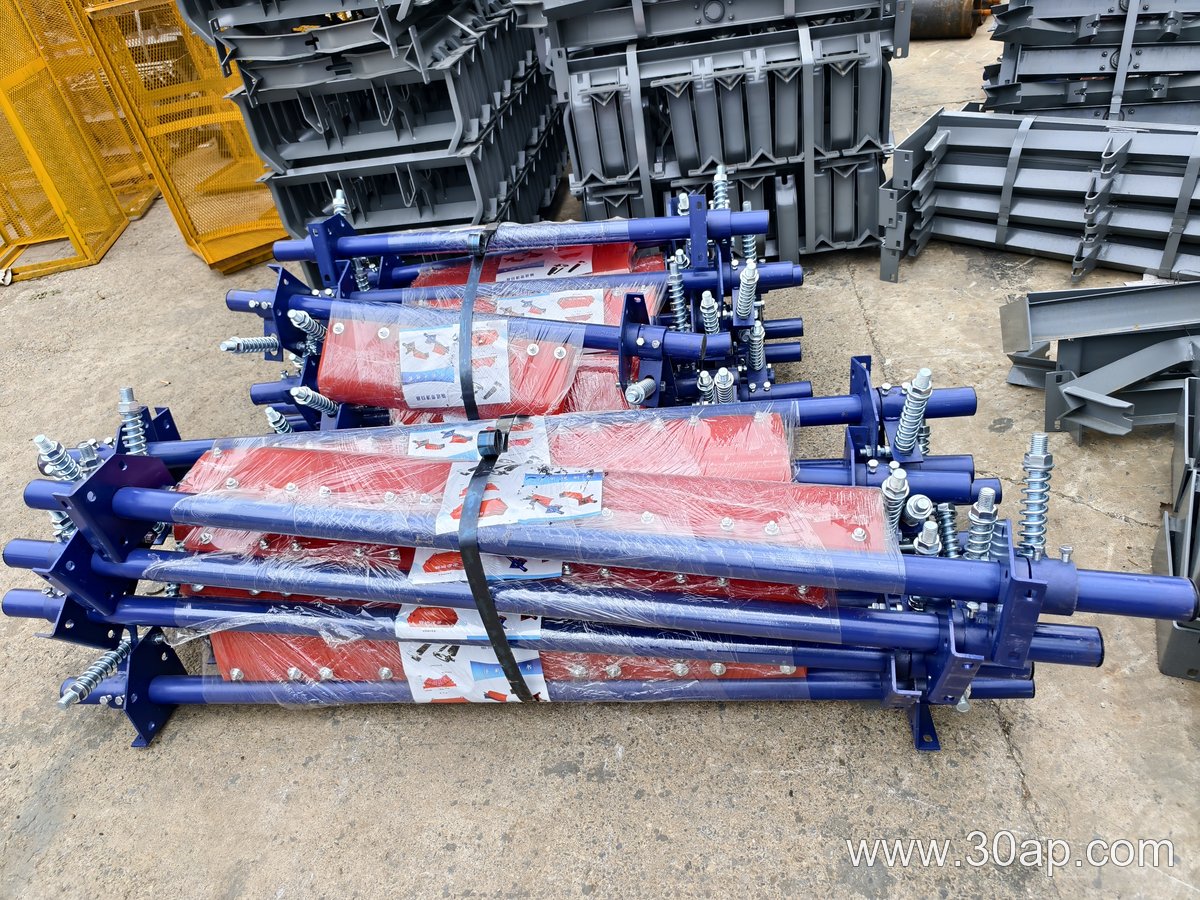
Key Selection Criteria
- Load rating: Match the bracket’s static and dynamic capacity to your peak material weight, not just average load.
- Material compatibility: Steel brackets suit heavy, abrasive loads; stainless or coated options resist corrosion in washdown or outdoor environments.
- Adjustability: Slotted or pivoting brackets allow precise idler alignment, reducing belt edge wear.
Purchasing Advice
- Always verify bolt-hole spacing and shaft diameter against your existing conveyor frame and rollers.
- Request fatigue test data for high-cycle applications—cast brackets can fail differently than welded ones.
- Buy from suppliers who offer dimensional drawings and tolerance specs, not just generic part numbers.
- Consider a spare stock of 10% of your installed brackets—downtime costs far exceed bracket cost.
Inspect brackets quarterly for cracks, corrosion, or loosening. A proactive bracket replacement program extends belt life and protects your workforce.
Why the Right Conveyor Belt Determines Your Operational Efficiency
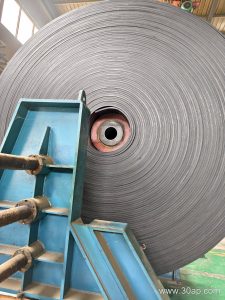
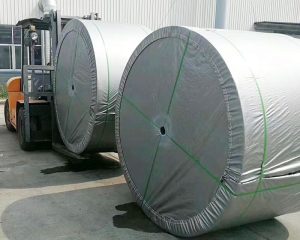
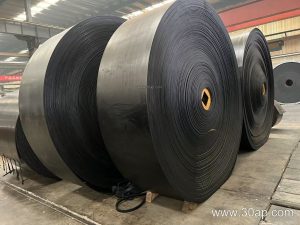
A conveyor belt is more than a rubber loop; it is the engineered interface between product flow and machinery uptime. Choosing the wrong belt can lead to slippage, premature wear, or contamination.
Key Factors for Industrial Buyers
- Material compatibility: Match belt polymer (PVC, rubber, polyurethane) to your load’s temperature, oil, and abrasion characteristics.
- Tension and load rating: Always calculate peak start-up torque and continuous working tension, not just average weight.
- Surface profile: Use cleated or textured belts for inclined or slippery products; smooth covers for high-speed conveying.
Purchasing and Maintenance Advice
Request a splice strength certificate and ask about anti-static or FDA-grade options if needed. Plan for spare belts and measure with a calibrated tension gauge during installation. Regularly inspect edge wear and tracking alignment.
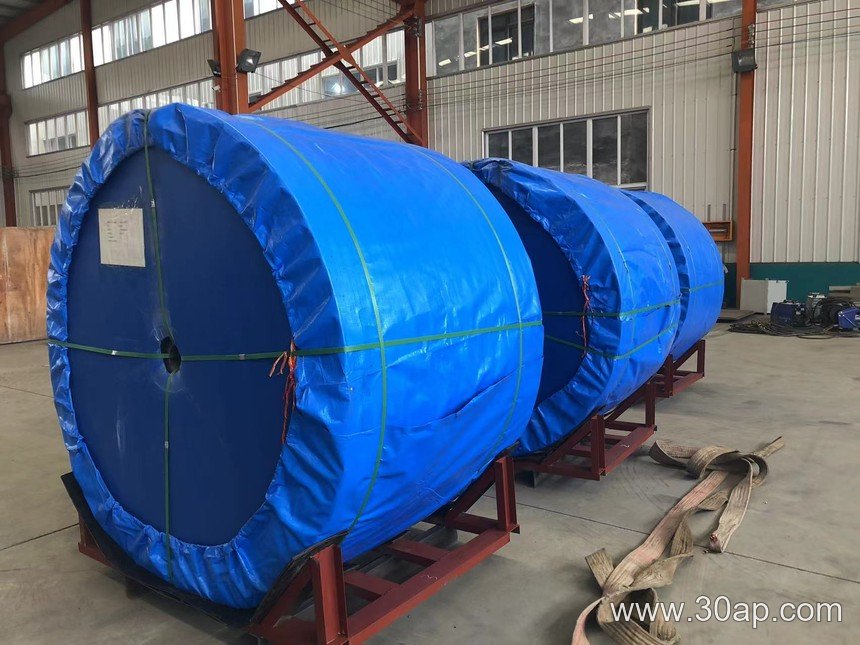
Investing in a quality conveyor belt reduces downtime, energy loss, and product damage—making it the quiet hero of any production line.
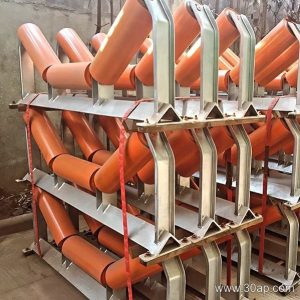
Idler Roller: The Backbone of Your Conveyor System
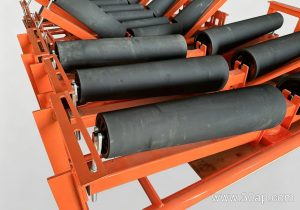
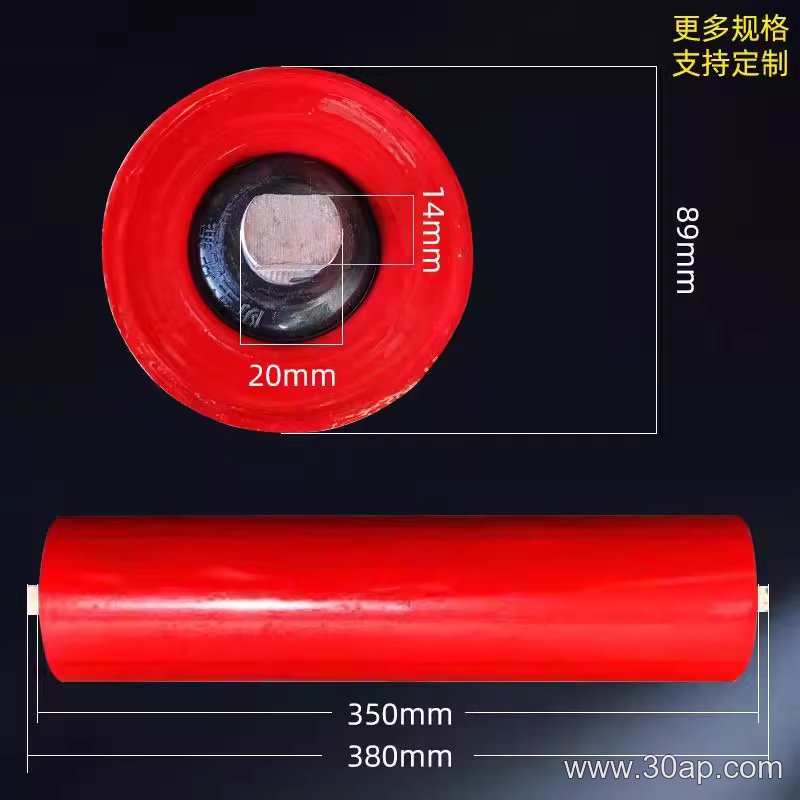
An idler roller is more than a simple cylinder; it is the primary support structure for your conveyor belt and its load. Selecting the correct idler roller directly impacts belt tracking, energy consumption, and maintenance intervals. A poor choice can lead to premature belt wear and costly downtime.
Key Selection Criteria
- Diameter and Wall Thickness: Match these to your belt speed and load density. Heavier loads demand larger diameters and thicker steel to prevent flexing and impact damage.
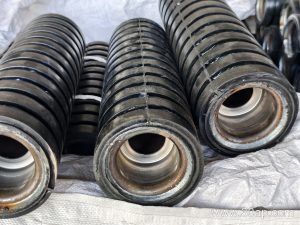
- Bearing Type and Seal: For dusty or wet environments, choose labyrinth-sealed bearings (e.g., C3 or C4 clearance) to resist contamination. Sealed-for-life options reduce maintenance but may not suit high-temperature operations.
- Troughing Angle: Standard 20°, 35°, or 45° angles affect belt capacity and material stability. Use 35° for general bulk handling; 45° for high-speed, fine material transport.
- Idler Frame Configuration: Decide between rigid, offset, or catenary designs. Offset rollers improve belt training, while catenary units self-clean and absorb impact in abrasive environments.
Purchasing and Maintenance Advice
Always request load ratings and run-out tolerance specifications from your supplier. Verify that the idler roller’s shaft and bearing housing comply with ISO 1537 or CEMA standards. To extend service life, rotate rollers periodically to distribute wear, and lubricate only if the design allows—never over-lubricate as that pushes grease into the belt path. Purchase from manufacturers offering a minimum of 30,000 hours of operational life under normal conditions, and keep spare rollers for critical stations to minimize downtime.