What This Belt Does in a Sand Making Plant
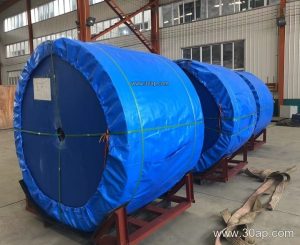
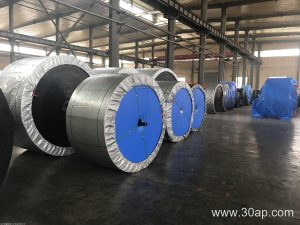
A Sand Making Plant Conveyor Belt moves crushed rock, manufactured sand, and screened aggregate between the jaw or cone crusher, the VSI sand maker, the vibrating screen, and the stockpile. The duty is continuous and gritty, so the belt usually needs good abrasion resistance and enough tensile strength to handle a fully loaded incline without excessive stretch. In many quarries and sand and gravel yards, this same belt type also links washing and dewatering sections, where wet fines can cling to the surface.
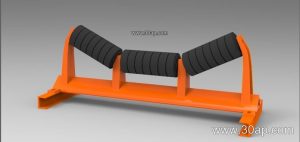
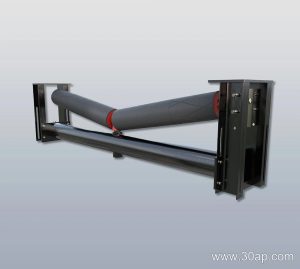
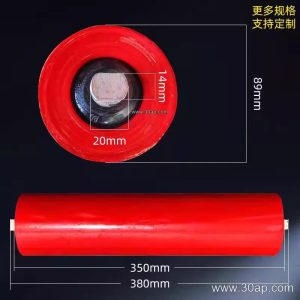
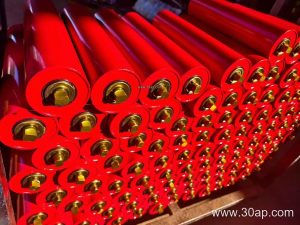
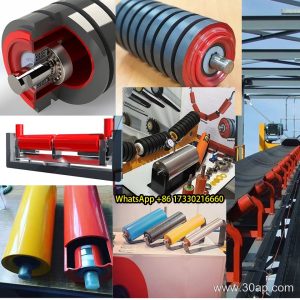
The belt is only one part of the line. A conveyor pulley at the head drives it, a tail pulley returns it, and bend pulleys guide it through the take-up. Idler rollers support the loaded strand, while the conveyor bracket keeps the frame and rollers aligned. Buyers who treat the belt, rollers, and pulleys as one system get longer service life than those who replace only the rubber.
Construction and Common Specifications
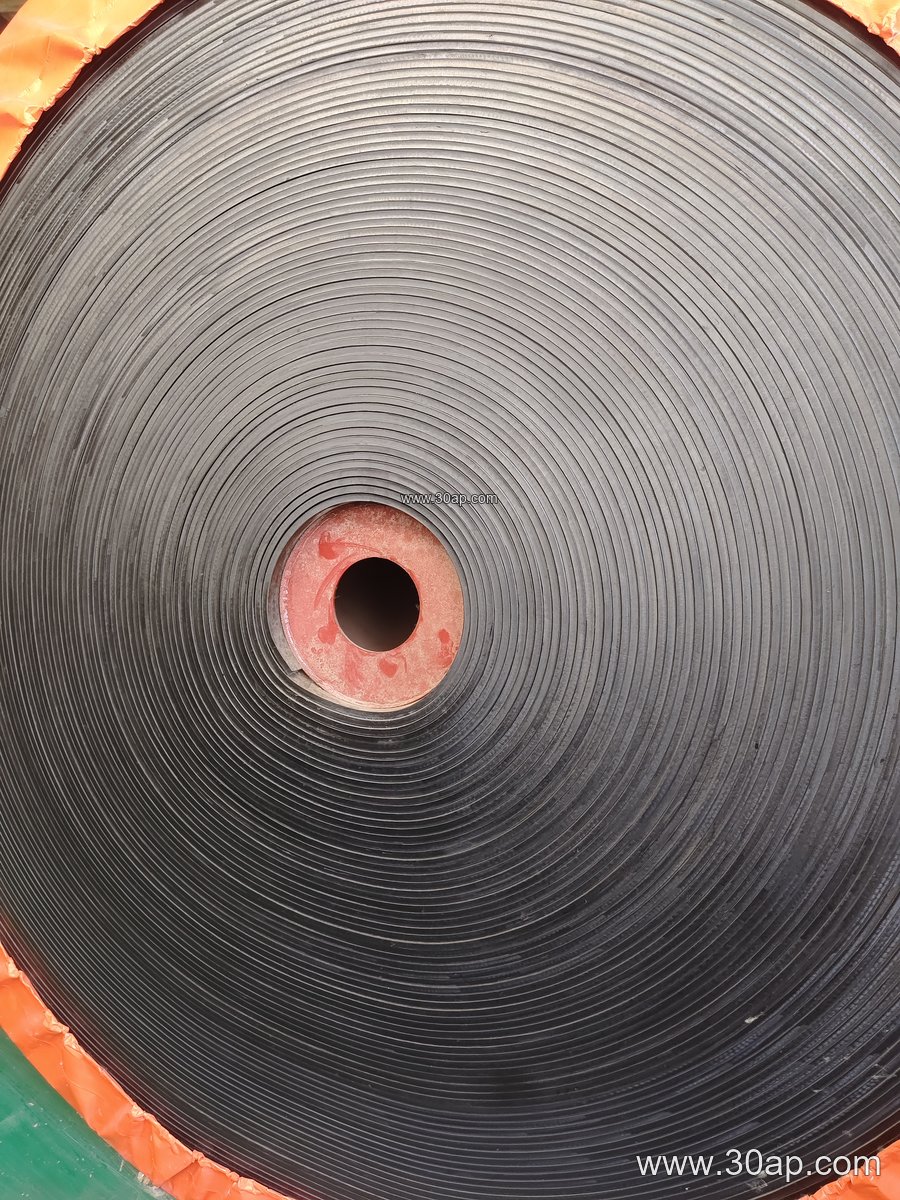
Most belts for this duty use a fabric core with rubber covers. EP Conveyor Belt construction (polyester warp, nylon weft) is a frequent choice because it resists stretch and fatigue. NN Conveyor Belt is another common fabric core option, and heavy-duty lines may use Steel Cord Conveyor Belt where the center distance is long and tension is high. Cover compounds are selected for the job: Abrasion Resistant Conveyor Belt grades for sharp sand and crushed stone, Heat Resistant Conveyor Belt where hot material arrives from a dryer, and Flame Retardant Conveyor Belt in coal-adjacent or enclosed plants.
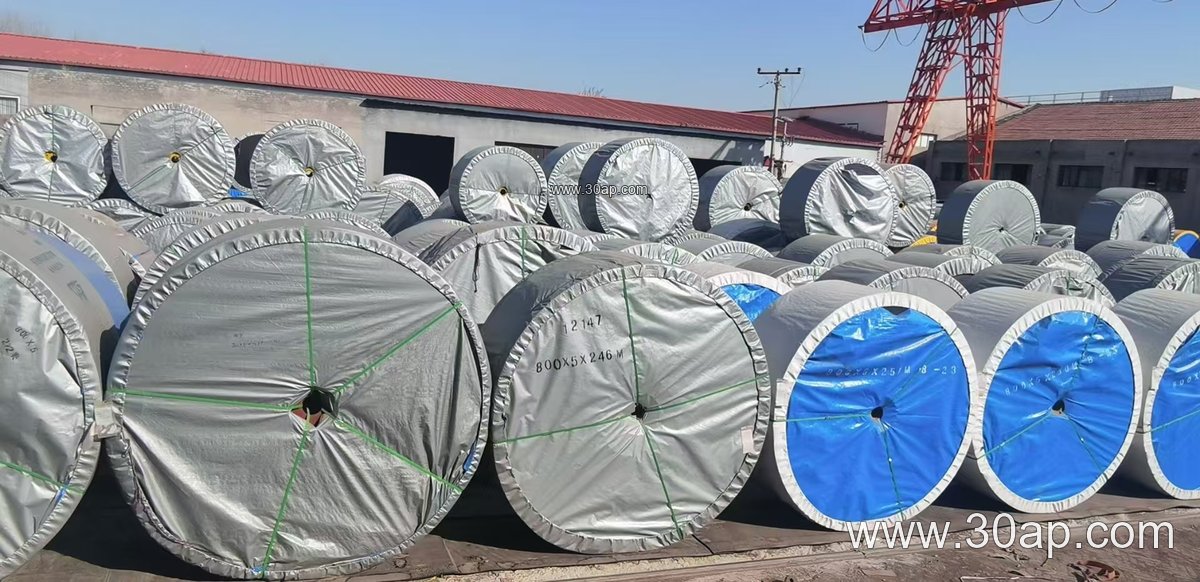
Typical reference data, to be confirmed by the supplier for each order, looks like this:
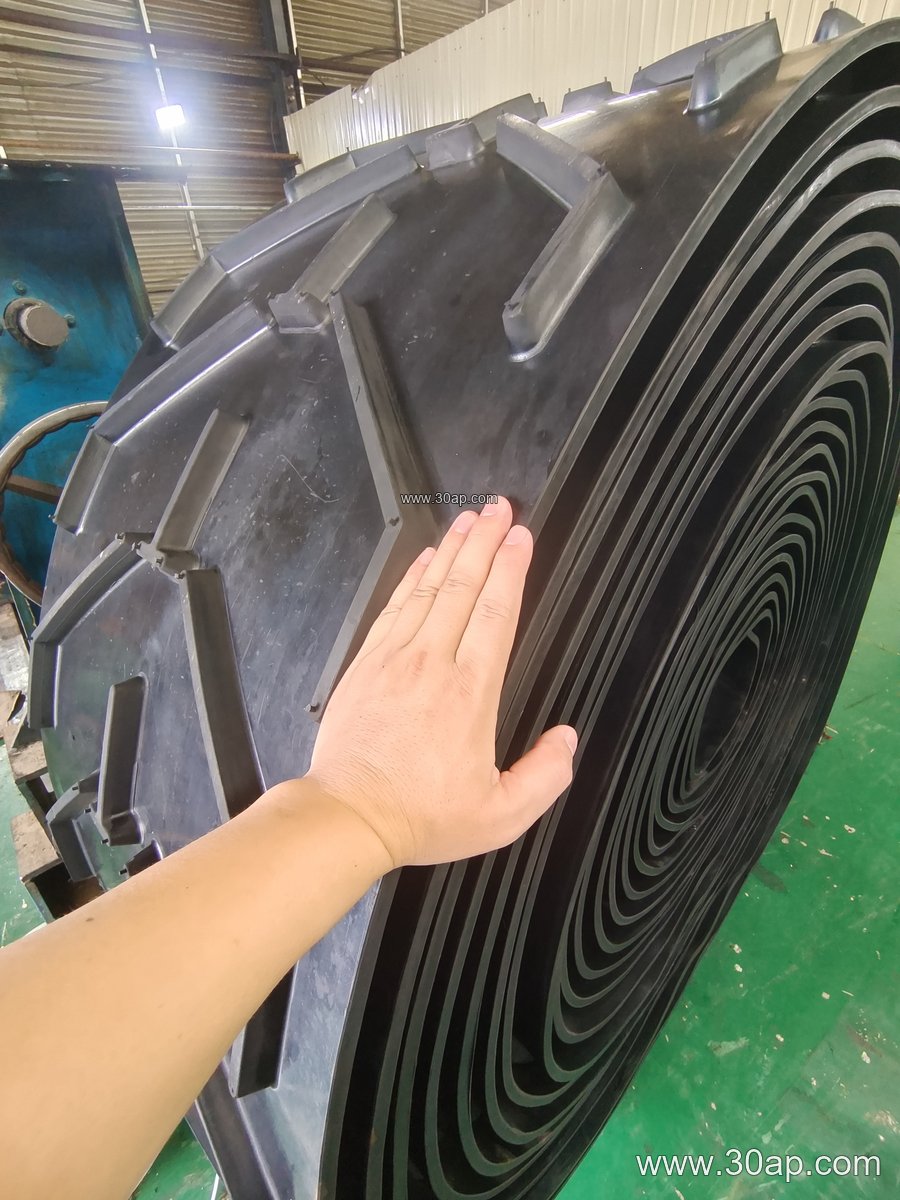
- Belt types: EP, NN, steel cord, PVC, PVG, chevron, corrugated sidewall
- Fabric belt strength grades: EP200, EP315, EP400, EP500, EP630, EP800, EP1000, EP1250, EP1600, EP2000
- Belt widths: B500, B650, B800, B1000, B1200, B1400, B1600, B1800, B2000
- Cover thickness examples: 3+1.5, 4+2, 5+2, 6+2, 8+3 mm
- Fabric plies: commonly 2 to 6 layers
These figures are references, not fixed pairings. A wider belt does not dictate one pulley diameter, and shaft size must come from the conveyor design, not from belt width alone.
Where It Fits Across Industries
The same belt family appears in mines, coal preparation plants, cement works, power plants, ports, and recycling yards. A Mining Conveyor Belt may carry ore from a primary crusher, while a Cement Conveyor Belt handles clinker or limestone. In a power plant, a Coal Conveyor Belt often needs flame resistance and anti-static properties. Portable crushing spreads use shorter, lighter belts, and ship loading or stockyard lines may use a Chevron Conveyor Belt or a Corrugated Sidewall Conveyor Belt to hold material on a steep incline.
In a sand making circuit, a skirted belt under the screen helps contain spillage, and an Endless Conveyor Belt reduces splice maintenance on short, fixed runs. Where the sand is washed, an Oil Resistant Conveyor Belt is not usually needed, but a belt with good release properties helps prevent sticky fines from building up on the return side.
Selection Points for Buyers
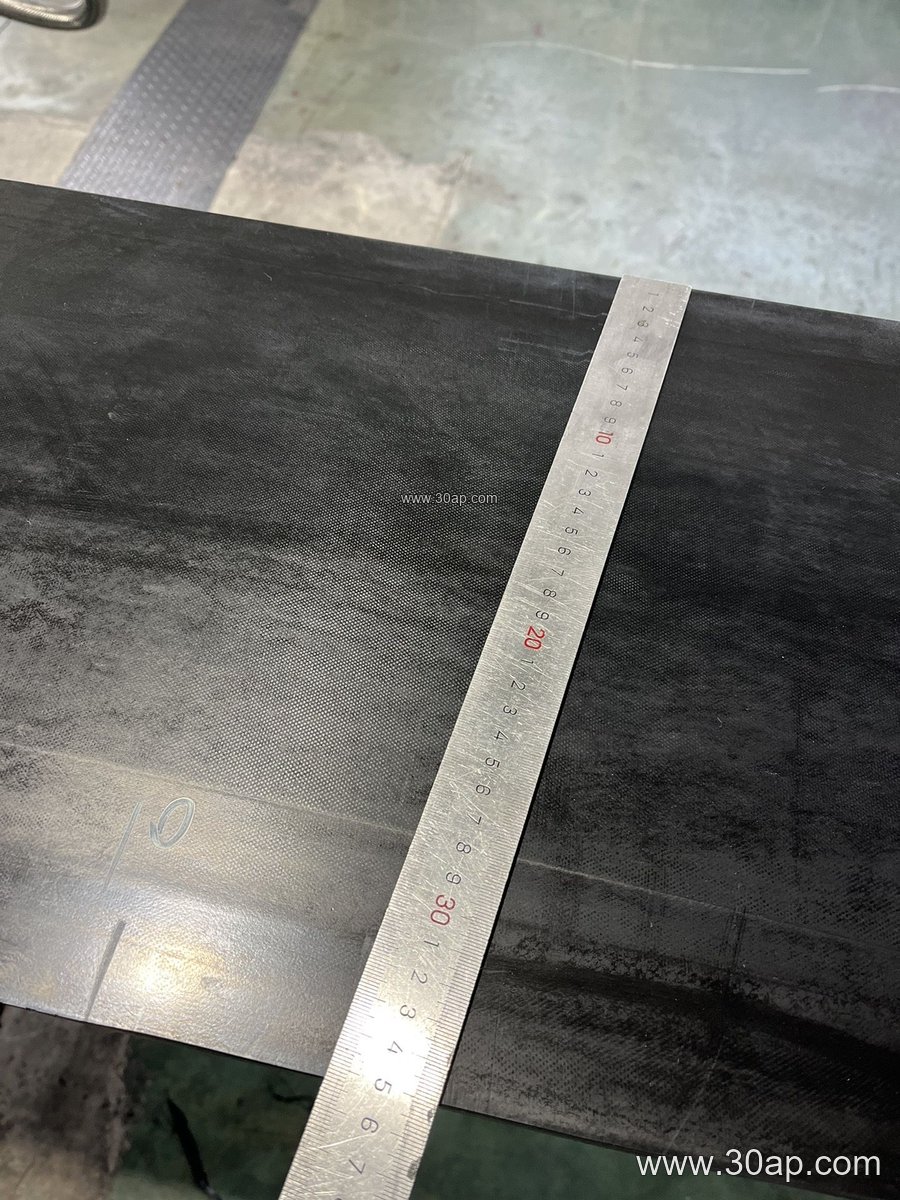
Start with the material: size, shape, moisture, temperature, and whether it is abrasive or oily. Then confirm the required tensile grade, belt width, cover thickness, and ply count with the conveyor designer. Check the pulley diameters and the trough angle; a transition that is too short for the belt can cause edge cracking. Ask whether the line needs anti-static or fire-resistant properties, and specify the splice method in advance. For a new project, matching the belt to the existing idler roller spacing and pulley face width avoids costly rework.
Maintenance Notes
Inspect the belt surface for cuts and cover wear, and check that the belt tracks centrally on the pulleys. Worn idler rollers or a misaligned conveyor pulley will damage even a high-quality belt quickly. Keep the skirt rubber and chute clear so material does not wedge against the belt edge. Store spare belts flat and away from sunlight, and record the running hours so replacement is planned rather than forced by a breakdown.