What a Large Conveyor Idler Is
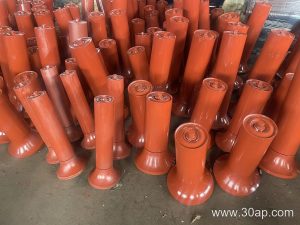
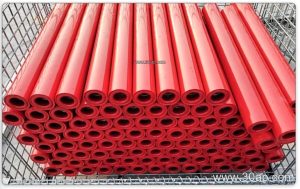
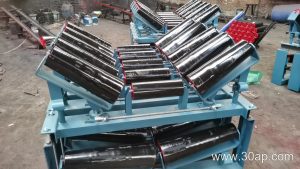
A large conveyor idler is a heavy-duty idler roller built to carry wide, thick belts and high-tonnage loads on bulk material conveyors. In the field it is often simply called a large idler roller or a heavy-duty carrying idler. It sits under or over the conveyor belt, supports the belt line, and keeps the belt tracking along the structure with minimal sag between frames. Where a standard idler suits a small aggregate line, a large conveyor idler is sized for the punishing duty found in iron ore plants, coal handling systems, power station coal yards, and quarry conveyor belts that run continuously at high capacity.
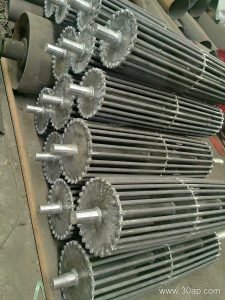
It is a load-bearing component, not a drive part. The conveyor pulley at the head end and the tail pulley at the return end do different work, and the bend pulley only changes belt direction. Those parts are not interchangeable with idlers, and a large conveyor idler should never be selected as a substitute for any of them.
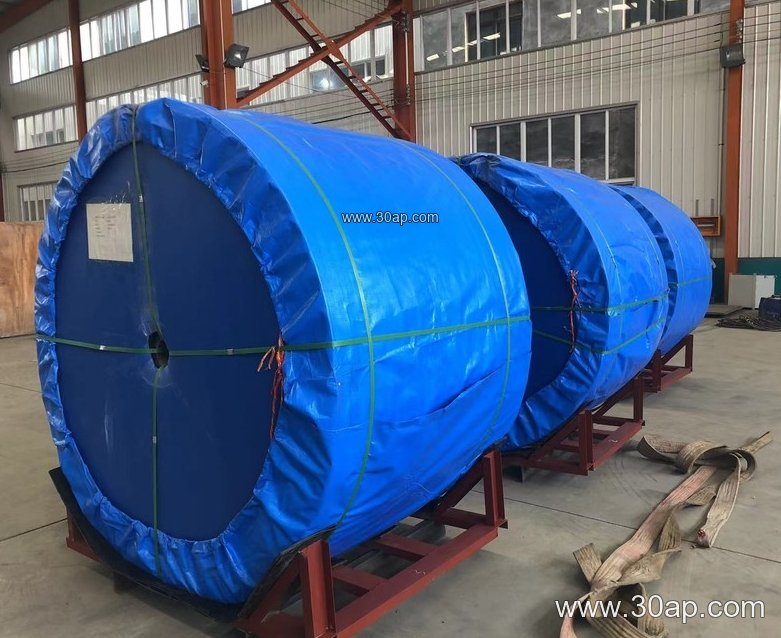
How It Is Built
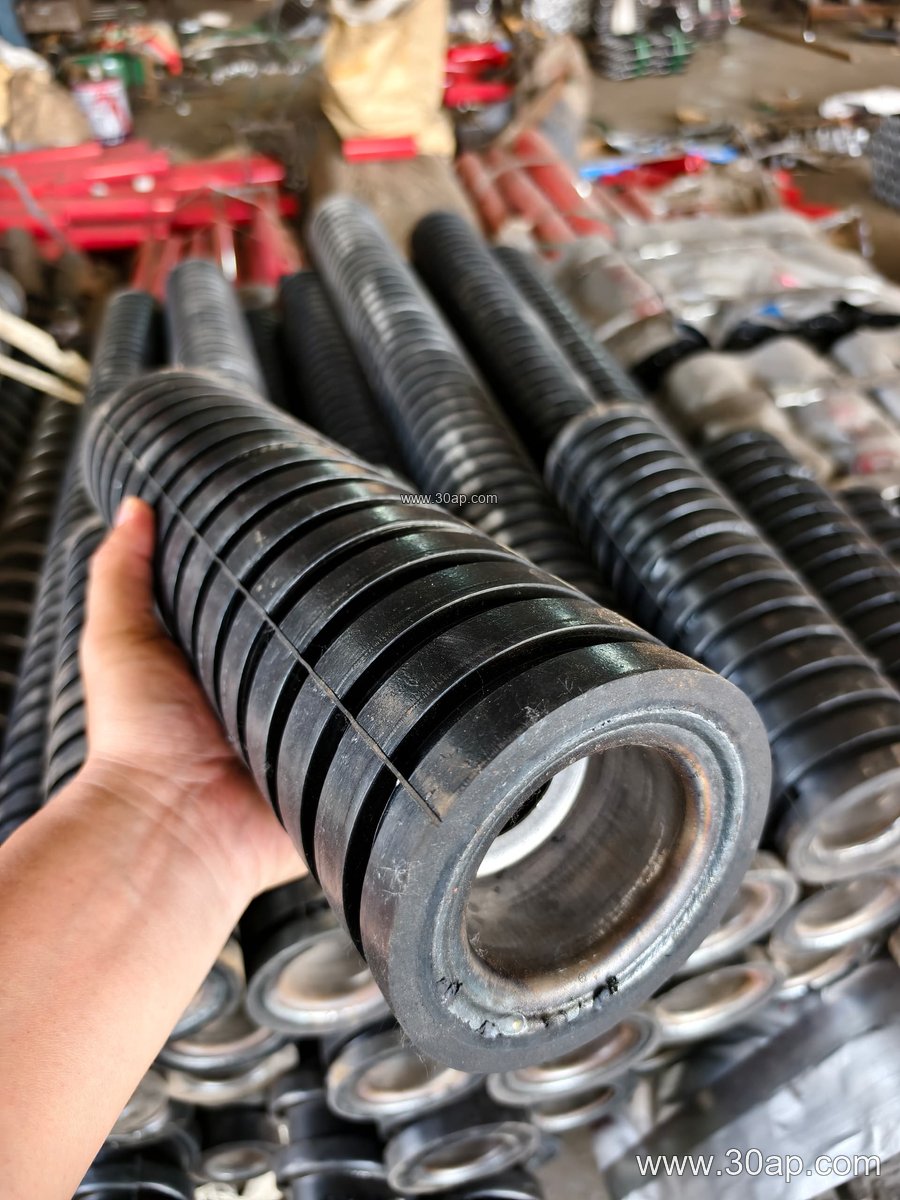
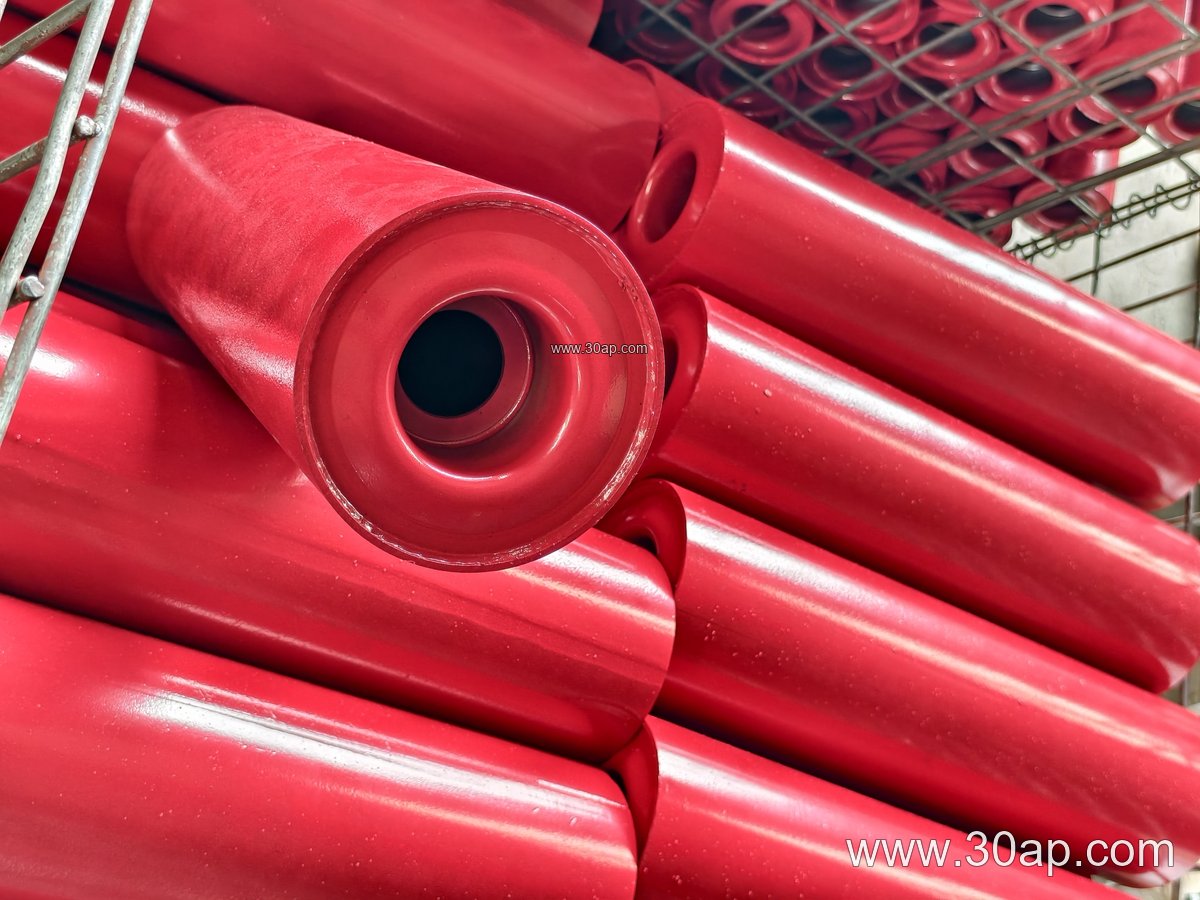
Most large conveyor idlers use a steel tube shell fitted over a through shaft, with sealed bearings at each end. The shell may be plain steel, nylon coated, ceramic faced, or fitted with rubber rings for impact zones. Bearing seats are machined to hold the shaft true, and the seal arrangement is the detail that decides service life in dusty plants. In a cement plant or a coal mining conveyor belt system, fine abrasive dust is the main enemy, so a multi-labyrinth seal and a well-greased bearing cavity matter more than a thick shell alone.
The idler is mounted in a conveyor bracket or frame. Carrying idlers usually come as a single roller, a two-roll set, or a three-roll troughing set. Return idlers run flat or in a V shape under the returning belt.
Common Reference Data
The table below lists typical reference values, not fixed supply promises. Final dimensions follow the conveyor design.
| Item | Common Reference Range |
|---|---|
| Roller diameter | Ø89, Ø102, Ø108, Ø127, Ø133, Ø159, Ø178, Ø194, Ø219 mm |
| Belt width | B650, B800, B1000, B1200, B1400, B1600, B1800, B2000 mm |
| Trough angle | 20°, 30°, 35°, 45° |
| Roll surface | Steel tube, nylon, ceramic, rubber ring |
| Bearing | 6205, 6305, 6306, 6308, 6310 |
| Typical roller length, three-roll troughing | About 250 mm at B650, 315 mm at B800, 380 mm at B1000, 465 mm at B1200, 530 mm at B1400, 600 mm at B1600 |
These figures are examples only. Side rollers and the centre roller can differ, and one belt width does not lock in a single pulley diameter or shaft size.
Where Large Idlers Are Used
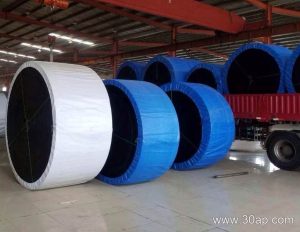
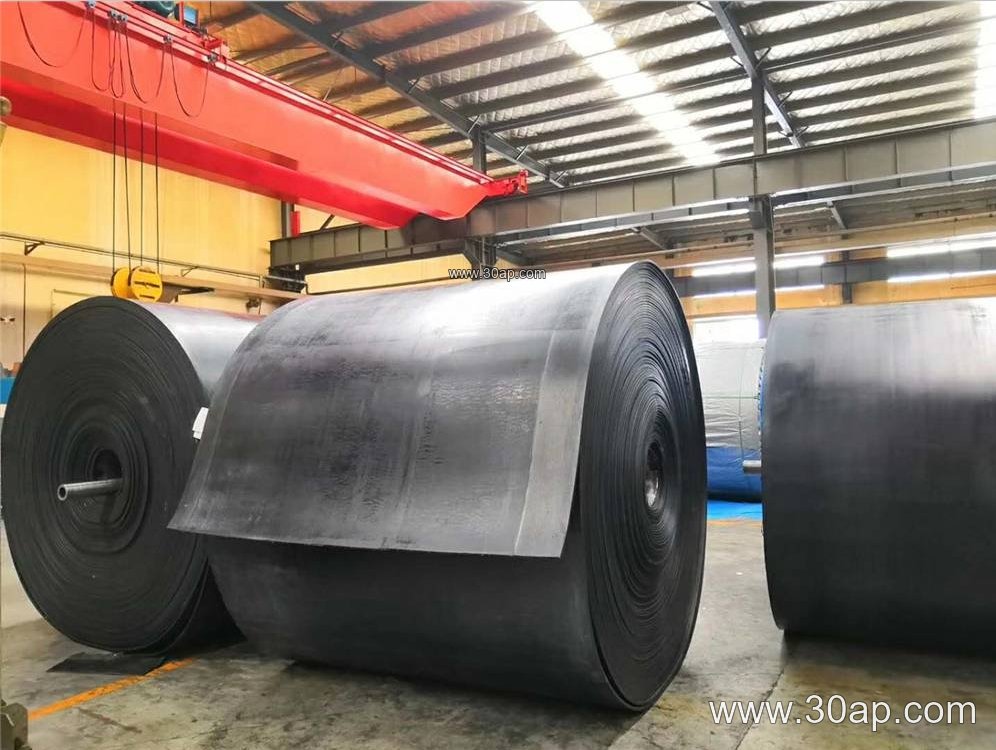
Two duty areas stand out. First, hard rock and ore handling: an iron ore or copper ore conveyor moving crushed rock needs a large idler roller with a robust shell and strong bearings, often paired with an abrasion resistant conveyor belt. Second, coal and power generation: a coal mining conveyor belt or a plant coal yard runs a flame retardant conveyor belt over troughing idlers that must resist dust, moisture, and continuous load. In both settings the idler set carries the weight of the belt plus the material, so trough angle and roller spacing directly affect belt sag and energy use.
Large idlers also appear on ship loading conveyors at ports, in limestone quarries, and on long overland lines where an EP conveyor belt or a steel cord conveyor belt moves bulk material at high tension. The idler does not carry belt tension, but poor idler alignment adds drag and shortens belt life.
Selecting the Right Size
Buyers should confirm four things before ordering: the belt width, the trough angle, the roller diameter, and the mounting interface on the conveyor bracket. A 35° troughing set handles most bulk material, while a 45° set suits fine, free-flowing cargo that would spill from a shallow trough. Roller diameter should rise with load and belt speed; Ø159 and Ø178 are common on large lines, and Ø194 or Ø219 may appear on very heavy duty conveyors.
Also check the seal class, bearing size, and whether the application needs impact idlers under a crusher discharge or a transition idler near the tail. A rubber ring impact idler is a different subtype from a standard troughing idler and is chosen for shock loading, not as a general replacement.
Maintenance Notes
Seized bearings are the usual failure mode. A large conveyor idler that stops turning will wear a flat spot into the shell and can damage the conveyor belt. Keep the frame clean, check for rollers that no longer spin freely, and verify alignment so the belt does not ride against the bracket. Spare idlers stored dry and upright last longer, and matching roller diameter across a frame keeps the belt line even. For higher-level system planning, see the conveyor component guidance at www.example.com/conveyor-idler and the belt selection notes at www.example.com/conveyor-belt.