What a 630mm Drive Pulley Does
A 630mm drive pulley is a head-end conveyor pulley with a nominal shell diameter of 630 mm. It sits at the discharge end of a belt conveyor and transmits the motor torque into the conveyor belt through friction between the lagged shell and the belt’s bottom cover. In a quarry or a cement plant, this is the component that decides how much tension the belt can carry before slipping. The same pulley is often called a 630 mm head pulley or a Ø630 driving drum, and those names describe the same product in the drive position; they do not describe a tail or bend pulley.
Because the drive pulley is the torque entry point, its diameter, lagging, shaft and bearing selection matter more than the shell alone. A Ø630 drum is a mid-to-large size in the drive range, sized for belts that carry heavy bulk loads at moderate to high tension.
Construction Details
The shell is usually rolled from steel plate, machined, and then lagged. Common surface forms include plain, cold-bonded rubber, hot-vulcanised rubber, diamond grooving and ceramic lagging, with lagging thickness typically 8, 10, 12, 15 or 20 mm. Diamond or herringbone patterns help shed water and fines in wet quarry conditions, while ceramic tiles suit very abrasive duty.
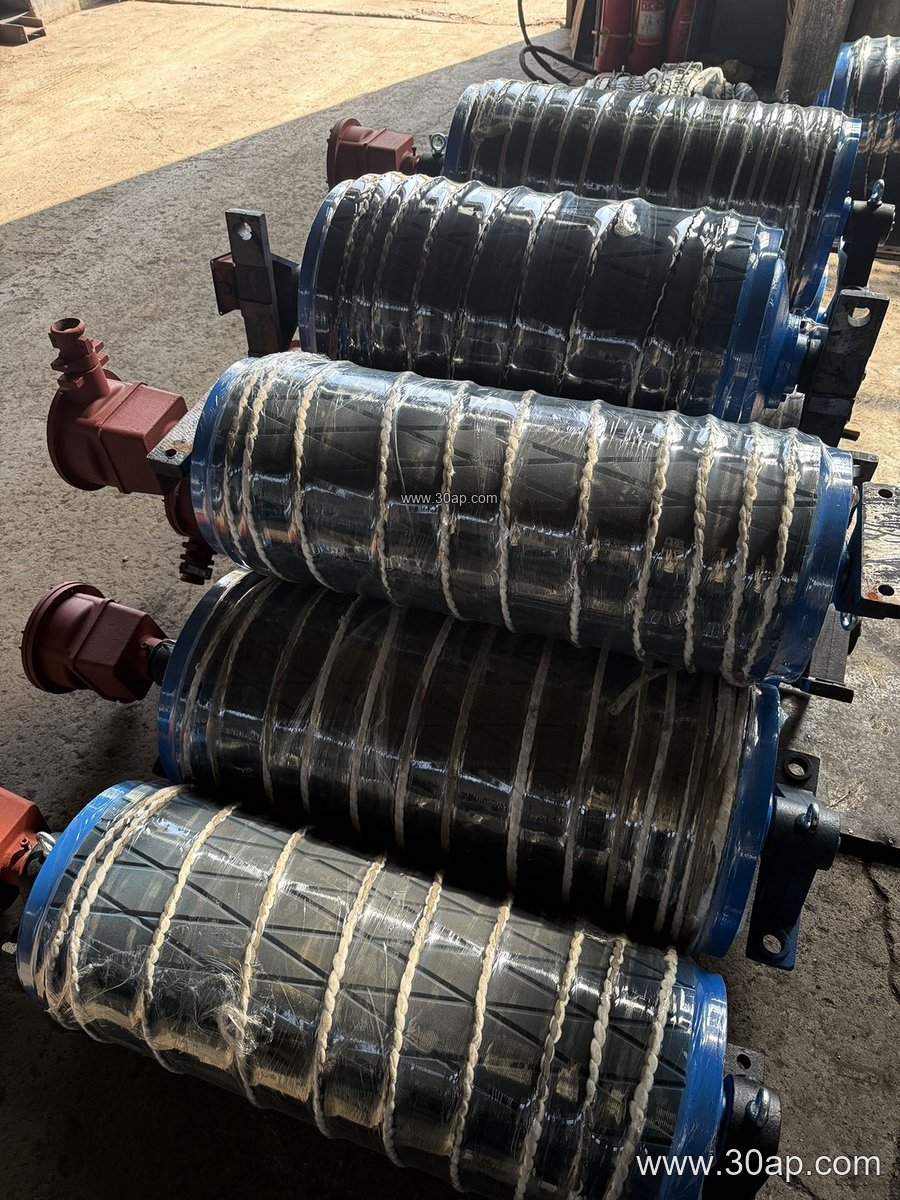
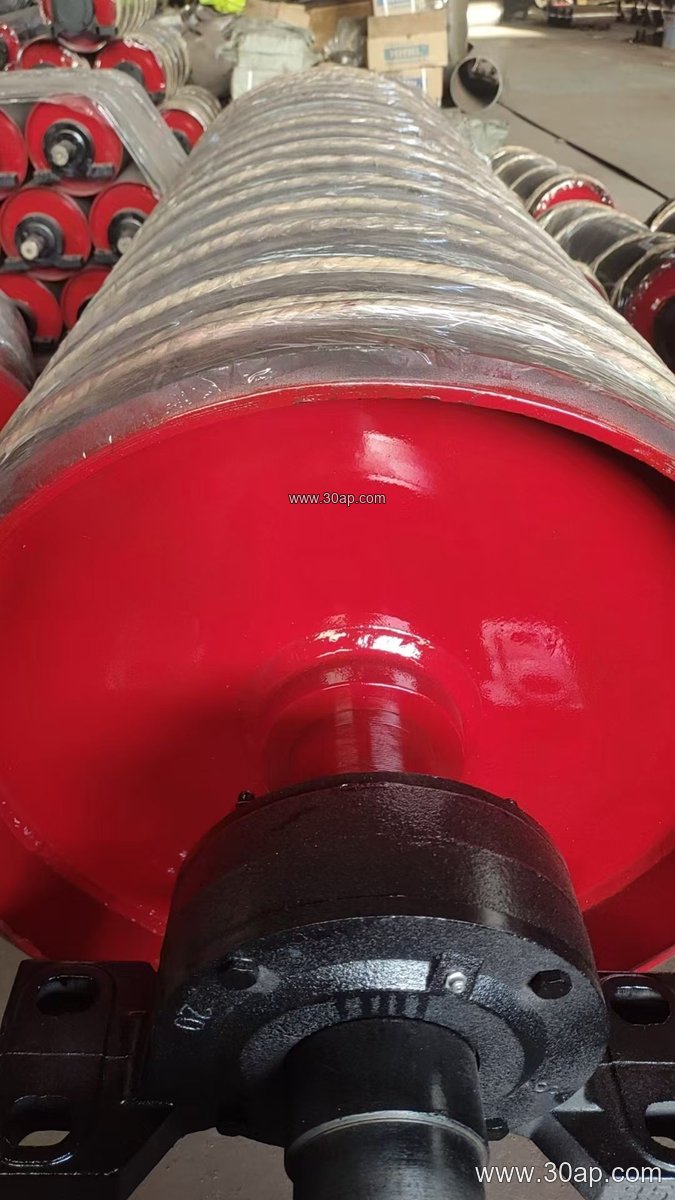
Shaft ends are commonly Ø100, Ø120, Ø140, Ø160, Ø180 or Ø200 on a pulley of this size class, but shaft diameter is set by torque and bearing load, not by belt width alone. Bearings are mounted in housings that bolt to the conveyor bracket or frame. Locking assemblies, keyed hubs or shrink discs connect the shell to the shaft.
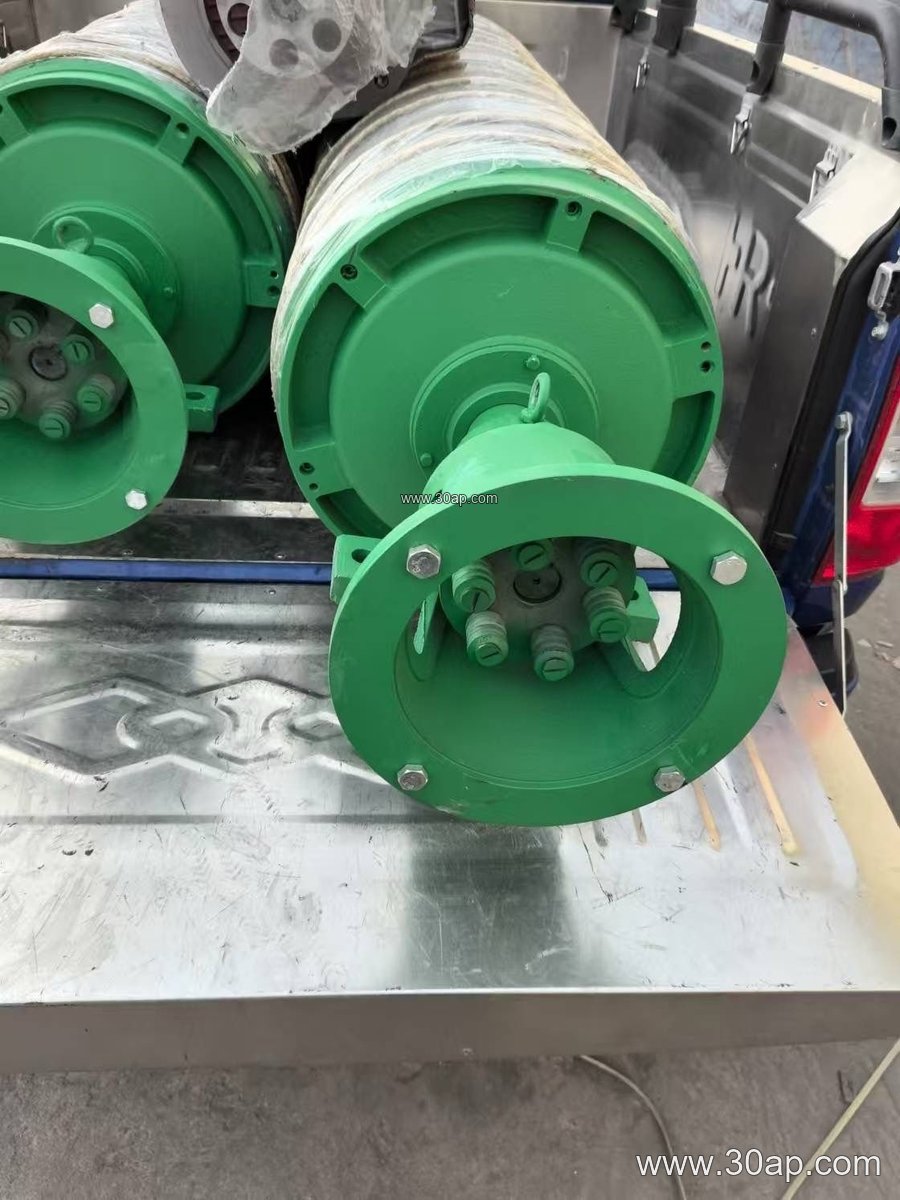
Reference dimensions for matching
- Shell diameter: Ø630 mm nominal
- Face width: usually wider than the belt, e.g. about 1150 mm for B1000, about 1400 mm for B1200
- Lagging: plain, diamond, herringbone or ceramic, 8–20 mm
- Shaft: Ø100 to Ø200 typical, confirmed by calculation
These are reference values only. A B1200 × Ø630 drive pulley and a B1000 × Ø630 drive pulley are both normal combinations, and neither belt width forces one fixed shaft size.
Where It Fits in the Plant
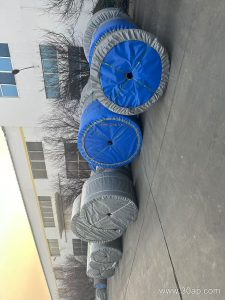
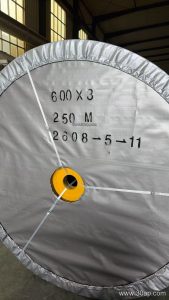
In a limestone quarry, a 630 mm drive pulley often drives the main haulage conveyor from the primary crusher to the stockpile, working with an EP conveyor belt or a multi-ply fabric core belt. In a cement plant, the same drum may run on clinker or raw meal lines where heat resistant conveyor belt grades are used near the kiln area. In a coal washing plant, flame retardant conveyor belt and anti-static grades are common, and the drive pulley must be earthed correctly.
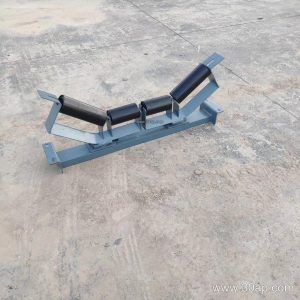
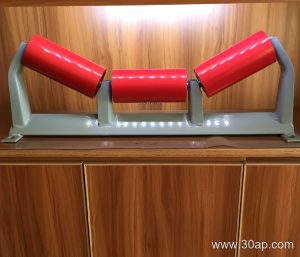
The pulley also has to work with the rest of the conveyor: idler roller sets support the belt on the carrying side, return rollers support the return strand, and the conveyor bracket keeps the pulley aligned with the frame. Misalignment at the drive station is a frequent cause of edge wear on the belt.
Buyer Checklist
Before ordering, confirm the belt width, the required torque and the belt speed. The drive pulley diameter and the belt’s minimum pulley diameter recommendation must agree, especially with steel cord conveyor belt, which is less tolerant of small pulleys than fabric construction. Check lagging type against the material: wet, oily or sticky loads need different surfaces. Confirm shaft diameter from the drive calculation, and check bearing housing bolt spacing against the existing conveyor bracket.
Ask for the pulley drawing, the lagging specification and the balancing grade. For a replacement, measure the old pulley’s face width, shaft extension and keyway rather than relying on the nominal 630 mm figure alone.
Maintenance Notes
Lagging wear is the first sign of trouble. A polished or glazed surface reduces friction and invites slip, which then overheats the belt cover. Check lagging thickness at each shutdown and re-lag when it drops below the design value. Keep the pulley clean, verify bearing temperature, and confirm that the belt tracks centrally on the shell. On a 630mm drive pulley, small tracking errors translate into large side forces at the bearing housings.