What a Conveyor Return Idler Does
A conveyor return idler is the roller assembly that supports the empty, returning strand of a conveyor belt on its way back to the tail end. While the carrying side gets most of the attention, the return run quietly does the same job in reverse: it holds the belt up, keeps it tracking, and prevents sag between support points. In a quarry, a coal handling plant, or a cement kiln feed line, a worn return idler is often the first sign that the whole conveyor needs attention.
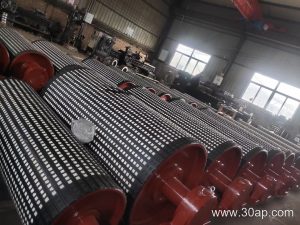
This component is also called a belt return roller or lower idler. It is not a drive pulley, a tail pulley, or a bend pulley, and it cannot be swapped for one. Those are conveyor pulleys that transmit power or change belt direction. A return idler only rolls, and its job is support, not traction.
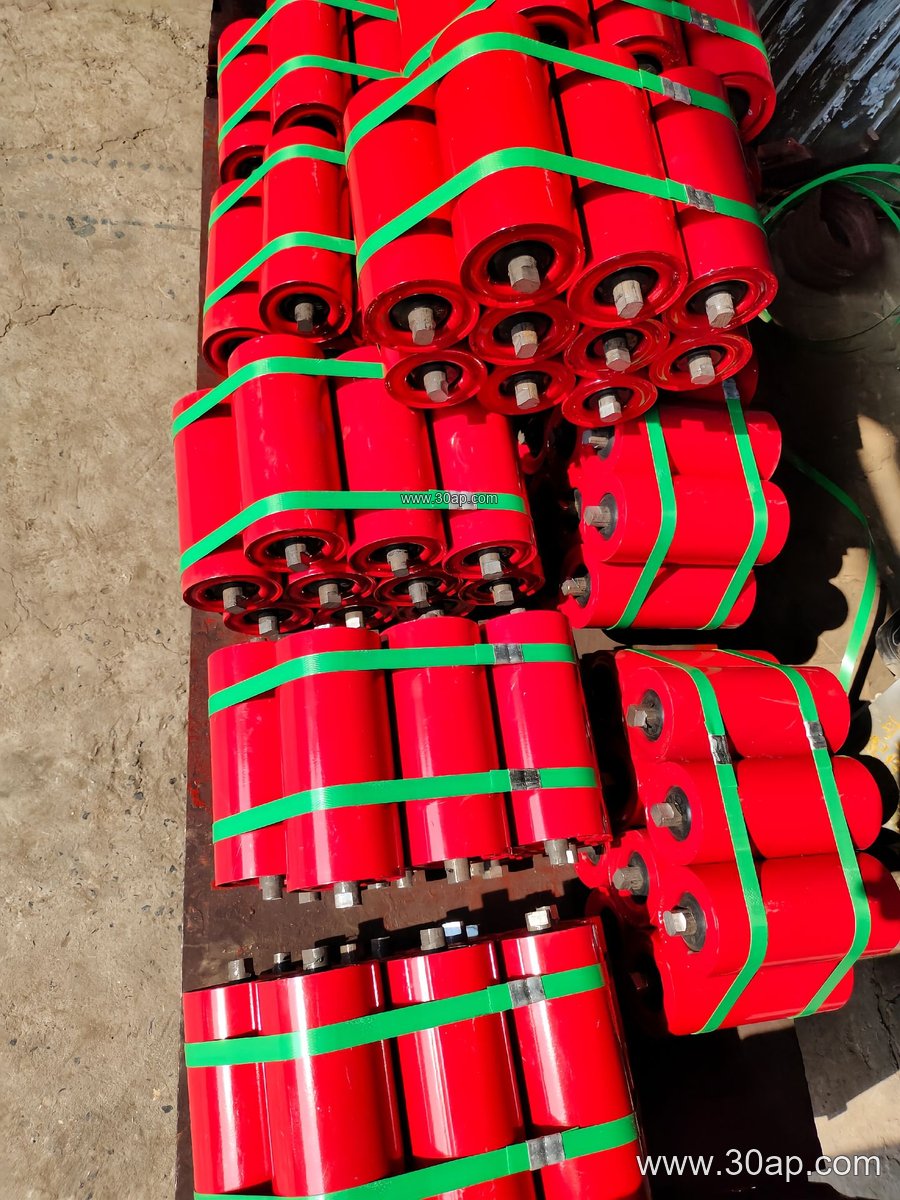
How the Roller Is Built
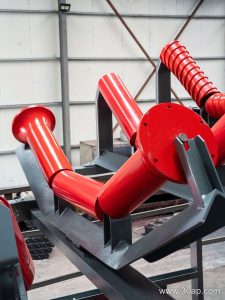
A typical return idler is a steel tube shell fitted with bearing housings at each end, sealed against dust and moisture, and mounted on a fixed shaft. The shell may be plain steel, nylon-coated, ceramic-coated, or fitted with rubber rings. Sealing quality matters more than most buyers expect, because fine dust from a crusher or a sand making plant works its way into bearings faster than many operators anticipate.
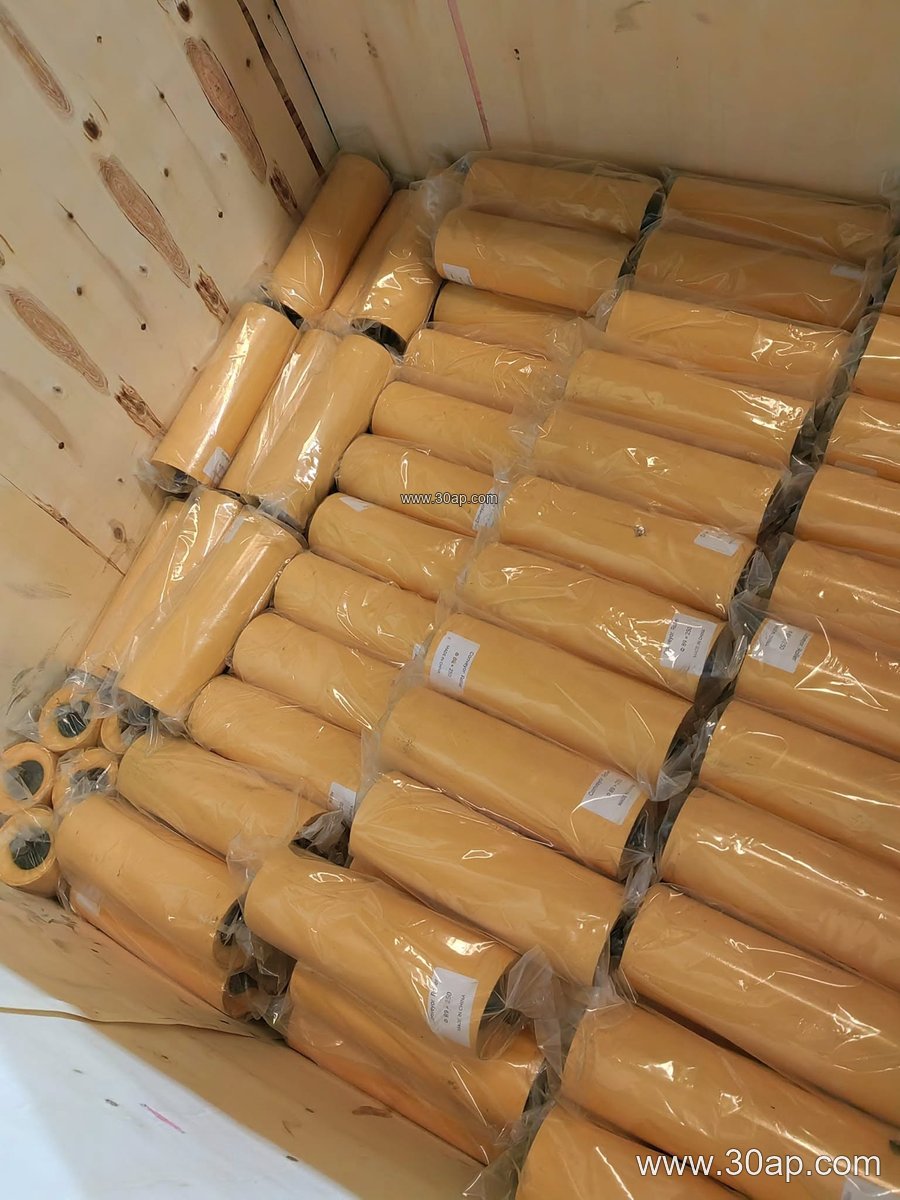
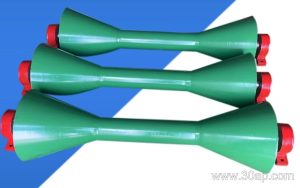
Common bearing sizes include 6204, 6205, 6305, 6306, 6308, and 6310, but no single bearing is tied to one roller diameter. The correct match depends on load, speed, and the idler frame design. Shell diameters commonly range from Ø63 and Ø76 up to Ø159, Ø178, Ø194, and Ø219 for heavier duties. Return idlers are usually supplied as a single roller, while a V-shaped return set uses two rollers at an angle to help center the belt.
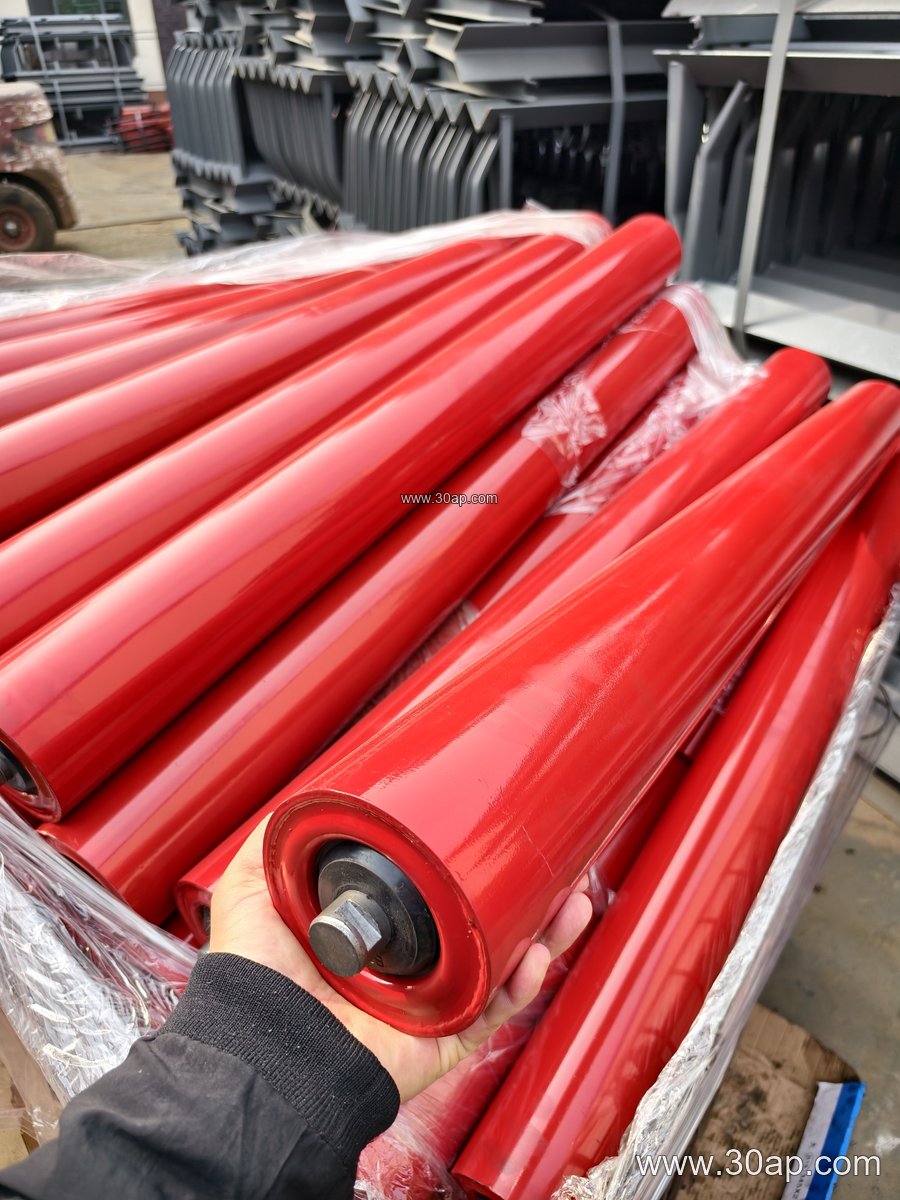
Where Return Idlers Are Used
These rollers appear wherever a conveyor belt runs continuously. In an iron ore or copper ore operation, heavy-duty mining conveyor belts carry abrasive rock, so the return side needs robust shells and good seals. In a coal mining conveyor belt system, flame retardant conveyor belt grades are common, and return idlers must cope with coal dust and occasional wet conditions. Power plant coal conveying, port ship loading, and aggregate conveyor belt lines all rely on the same basic support principle.
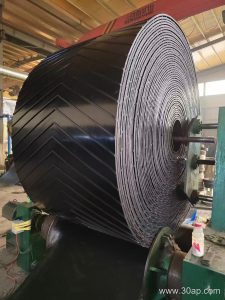
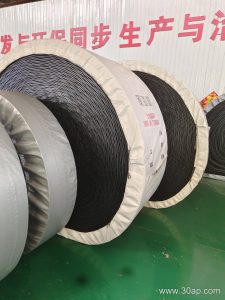
The belt itself may be an EP conveyor belt, an NN conveyor belt, a steel cord conveyor belt, or a multi-ply fabric core conveyor belt. On long overland lines, a steel cord conveyor belt can carry very high tension, and the return idlers still only support weight. The choice of belt does not change the idler’s function, but it does affect belt stiffness, tracking behavior, and the spacing that engineers select.
Matching Diameter, Width, and Roller Length
Buyers often ask which roller diameter suits which belt width. The honest answer is that several combinations work, and the final choice is a design decision. Belt widths from B400 and B500 through B650, B800, B1000, B1200, B1400, B1600, B1800, B2000, B2200, and B2400 all appear in bulk handling, and the idler length changes with the belt width, trough angle, and frame type. For three-roll carrying sets, common roller lengths are roughly 200 mm at B500, 250 mm at B650, 315 mm at B800, 380 mm at B1000, 465 mm at B1200, 530 mm at B1400, 600 mm at B1600, 670 mm at B1800, and 750 mm at B2000. These are examples, not fixed rules, and return rollers follow their own frame dimensions.
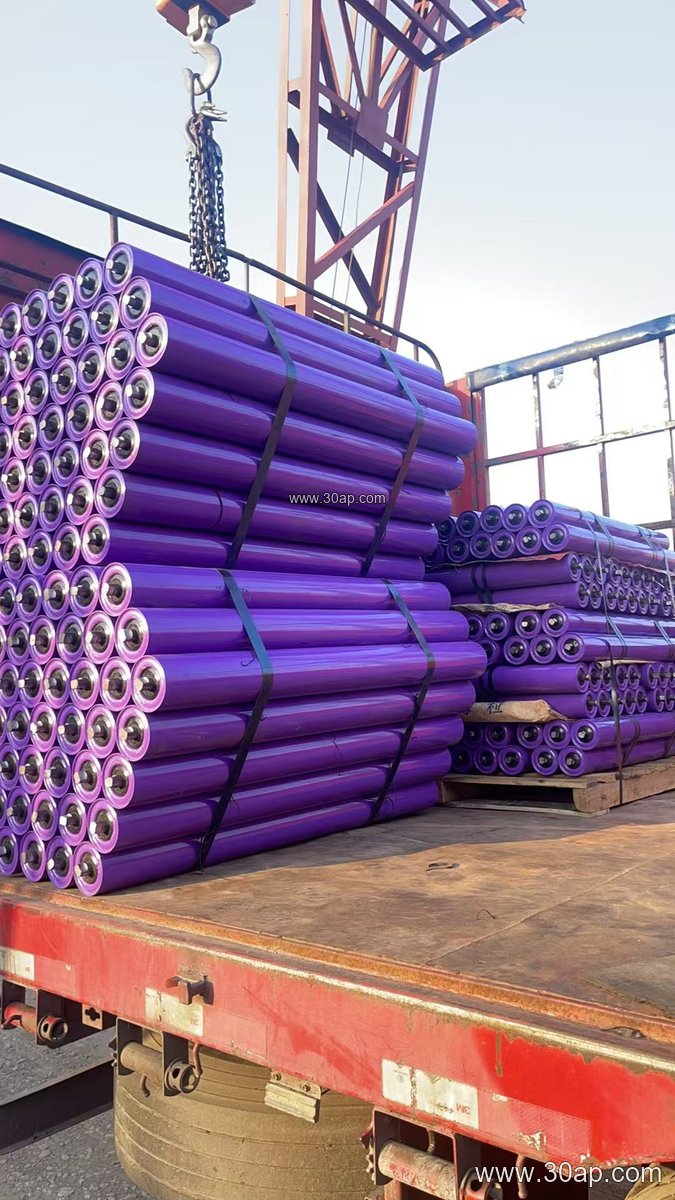
| Parameter | Common Range | Note |
|---|---|---|
| Shell diameter | Ø63 to Ø219 | Heavier belts usually need larger diameters |
| Belt width | B400 to B2400 | Roller length set by frame design |
| Bearing | 6204, 6205, 6305, 6306, 6308, 6310 | Selected by load and speed |
| Surface | Steel, nylon, ceramic, rubber ring | Rubber rings help with buildup and impact |
| Set form | Single roller or V-return | V-form aids belt centering |
On a 1200mm wide conveyor belt or a 1500mm wide conveyor belt, the return roller length is normally confirmed against the actual bracket spacing rather than assumed from the belt number. The same applies to a 1800mm wide conveyor belt in a port or a heavy-duty mining conveyor belt line.
Selection and Maintenance Notes
- Check that the roller turns freely before installation. A stiff bearing will flat-spot the belt and wear the shell quickly.
- Confirm the conveyor bracket dimensions and shaft end type, since mounting styles differ between manufacturers.
- Use rubber-ring or impact-resistant return rollers where material buildup or falling debris is a problem.
- Inspect alignment after any belt splice or pulley work. A return idler cannot correct a belt that is already mistracking badly.
- Keep spare rollers on hand for critical lines in a steel plant, sinter plant, or tunnel muck handling system.
For more information on matching return rollers with conveyor belt and conveyor pulley specifications, or to discuss idler roller options for a specific frame, the engineering team can review your layout. A well-chosen conveyor return idler reduces belt wear, lowers drive load, and keeps the return strand running cleanly season after season.