What a Ceramic Lagged Bend Pulley Does on a Conveyor
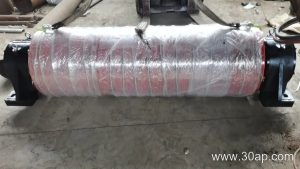
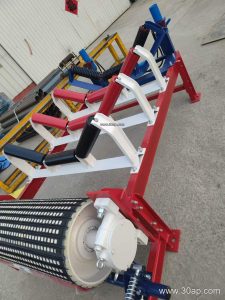
A ceramic lagged bend pulley is a redirecting pulley whose shell carries a ceramic tile lagging rather than plain rubber or bare steel. It sits on the return side or in a snub position, guiding the conveyor belt back into the carrying run and holding a controlled wrap angle. Because the ceramic surface bites into the belt cover, it limits slip when the belt is wet, dusty or carrying fines. In a quarry, a limestone mine or an aggregate line, that extra grip often decides whether a long incline starts cleanly or wanders off the pulley face.
The same component is also described as a ceramic-coated redirect pulley or a ceramic tile lagged bend roller. Those are accurate equivalents for the same sub-type; they do not change the fact that this is a bend position pulley, not a drive pulley or a tail pulley.
How the Ceramic Lagging Is Built
The pulley body is usually a welded steel shell with machined end discs, a shaft and bearing housings. Before lagging, the shell is cleaned and primed. Ceramic tiles, commonly 92% or 95% alumina, are bonded in a vulcanised rubber or epoxy matrix. Tiles are laid in a staggered or diamond pattern with small gaps so that water and fines can escape instead of polishing into a slippery film.
- Tile pattern — square, rectangular or interlocking shapes with raised studs in some designs.
- Bonding layer — rubber lagging cured to the shell, or a cold-bonded epoxy system.
- Thickness — lagging thickness is often 8, 10, 12, 15 or 20 mm depending on belt tension and duty.
- Ends — chamfered or stepped tile edges reduce the chance of the belt catching during tracking.
Because ceramic is hard and brittle, the shell must be round and true. An out-of-round drum will crack tiles quickly, especially when the pulley runs at speed under a heavy belt.
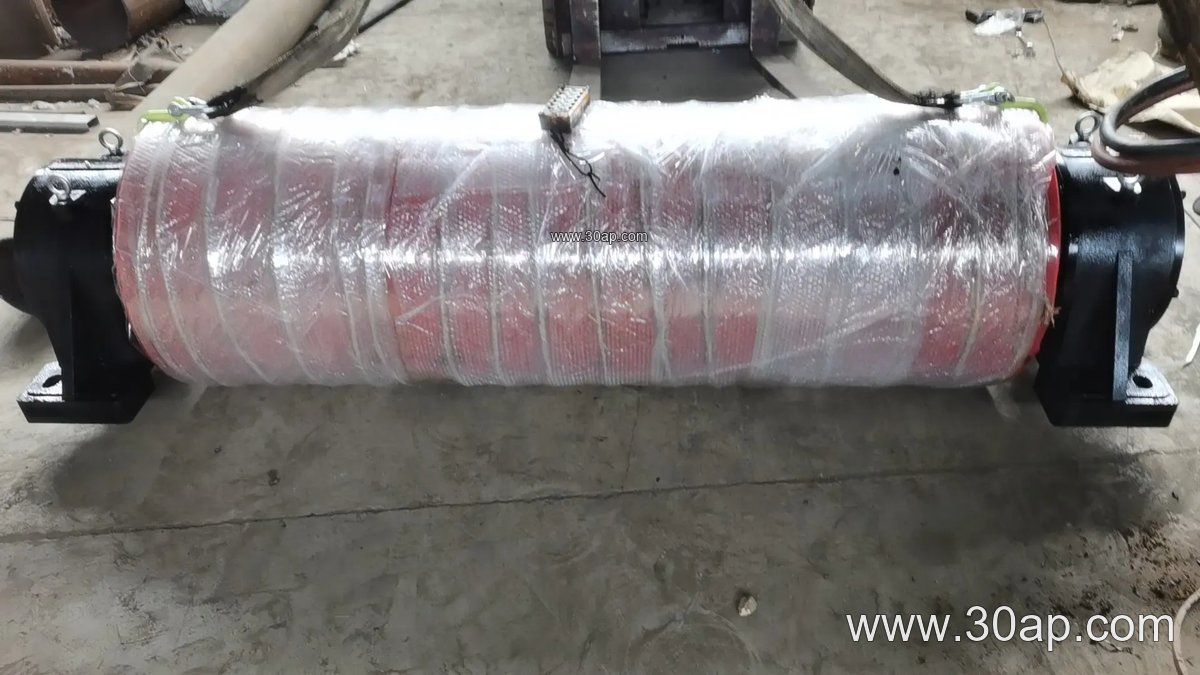
Where It Fits in the Conveyor Layout
A bend pulley is placed where the belt must change direction without driving the system. Typical locations include the return run before the tail, a snub before a drive pulley, and a take-up zone where the belt needs a stable wrap. In a coal handling plant or a power plant coal yard, these pulleys are often exposed to moisture and coal dust, so the ceramic face helps maintain friction.
Do not confuse it with a drive pulley, which transmits torque, or a tail pulley, which turns the belt at the loading end. A ceramic face on a bend position is about steering and grip, not power transmission. A rubber lagged drive pulley may still be the right choice where high torque and belt protection matter more than abrasion resistance.
Sizing Notes for Buyers
Selection starts from the belt width, the belt tension, the wrap angle and the shaft load. Face width is usually a little wider than the belt, and common combinations are listed below as reference points rather than fixed rules.
| Belt Width | Typical Pulley Face | Common Diameter Range |
|---|---|---|
| B500 | about 600 mm | Ø200 to Ø400 |
| B650 | about 750 mm | Ø250 to Ø500 |
| B800 | about 950 mm | Ø315 to Ø630 |
| B1000 | about 1150 mm | Ø400 to Ø800 |
| B1200 | about 1400 mm | Ø500 to Ø1000 |
| B1400 | about 1600 mm | Ø630 to Ø1000 |
| B1600 | about 1800 mm | Ø800 to Ø1250 |
Shaft diameter is determined by torque and bearing load, not by belt width alone. Common shaft sizes run from Ø50 to Ø200 mm, and a larger shaft may still be needed on a short face if the cantilever load is high. A B800 × Ø500 unit and a B1200 × Ø1000 unit are both normal, but neither pairing is universal.
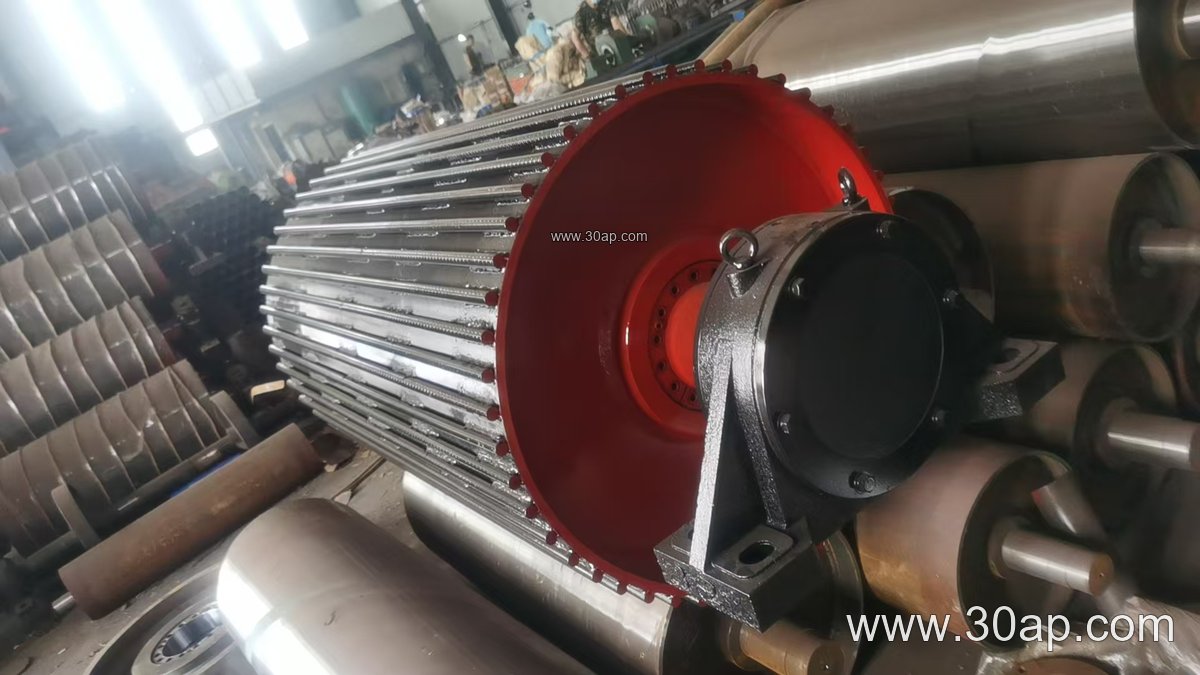
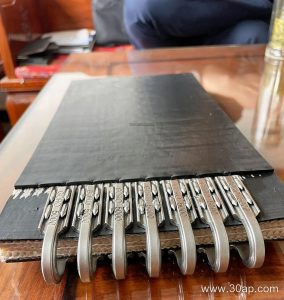
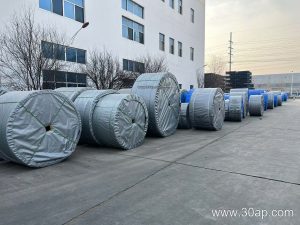
When the belt is an EP Conveyor Belt or a Steel Cord Conveyor Belt, check that the pulley diameter meets the belt manufacturer’s minimum bending radius. Thin covers and high-tension cords are less tolerant of small drums.
Application Notes Across Industries
In a cement plant, a ceramic lagged bend pulley may sit on a clinker return line where dust is fine and abrasive. In a copper or iron ore concentrator, the same pulley handles wet ore fines that would quickly polish a plain steel face. Port bulk terminals use them on ship loading and stockyard conveyors, where salt air and rain make grip unpredictable. In a crushing and screening circuit, a bend pulley before the screen feed keeps the belt centred and reduces spillage.
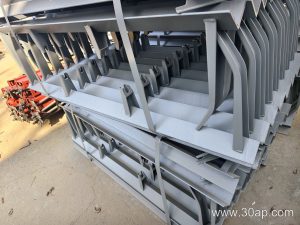
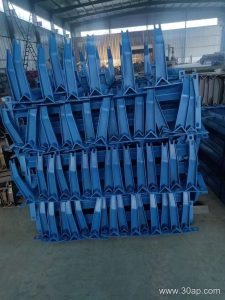
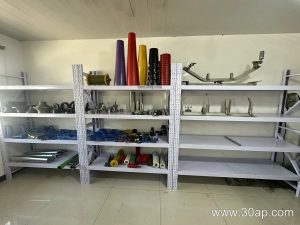
The pulley works alongside the conveyor belt, the idler roller sets and the conveyor bracket that holds the bearing housings. A bent bracket or a worn idler can misalign the belt and overload the ceramic face, so alignment checks matter as much as the lagging itself.
Buyer Checklist
- Confirm the position: bend, snub or take-up, not drive or tail.
- State the belt width, belt type and minimum pulley diameter allowed.
- Specify lagging thickness and tile pattern for the duty.
- Provide the shaft load and bearing type, or ask for a calculation.
- Check face width, end disc style and balancing requirement.
- Plan a spare tile kit and a bonding procedure for repairs.
Ceramic lagging is not a cure for poor tracking. If the belt mistracks because of a crooked conveyor bracket or a seized idler roller, fix that first. For a abrasion resistant conveyor belt running in a dusty quarry or a coal mining conveyor belt in a wash plant, a ceramic lagged bend pulley is a sensible upgrade where wet slip is a recurring problem.