What a Coal Mine Conveyor Pulley Does
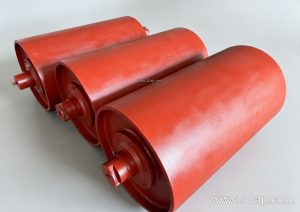
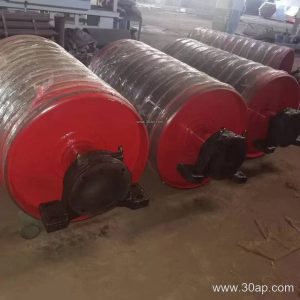
A coal mine conveyor pulley is the rotating drum that carries, drives, or redirects the belt in a coal handling system. It is a core part of the conveyor pulley family, and in a mine it often works alongside a flame retardant conveyor belt and heavy idler rollers. The pulley transfers torque from the drive unit to the belt, keeps the belt tracking through the structure, and supports the belt at head and tail stations. In underground coal mining, the same component must cope with dust, moisture, and limited maintenance windows, so construction quality matters as much as nominal size.
How the Pulley Is Built
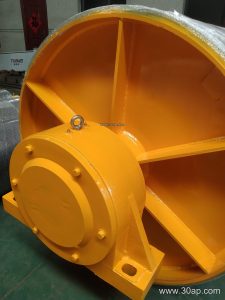
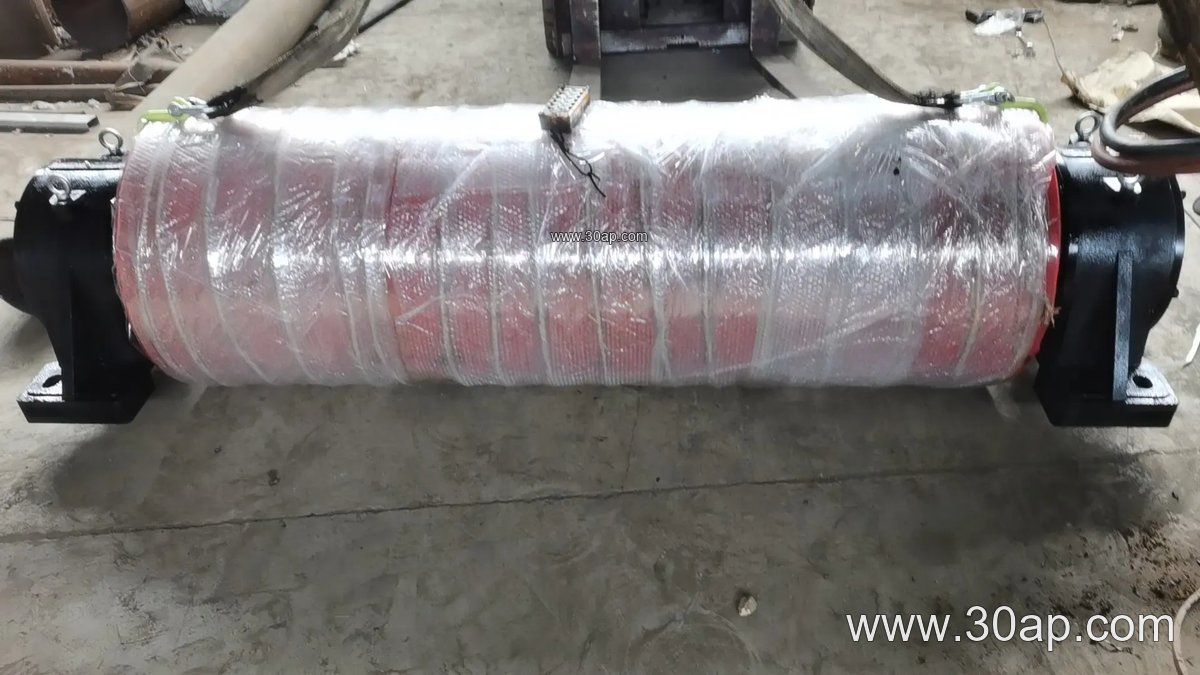
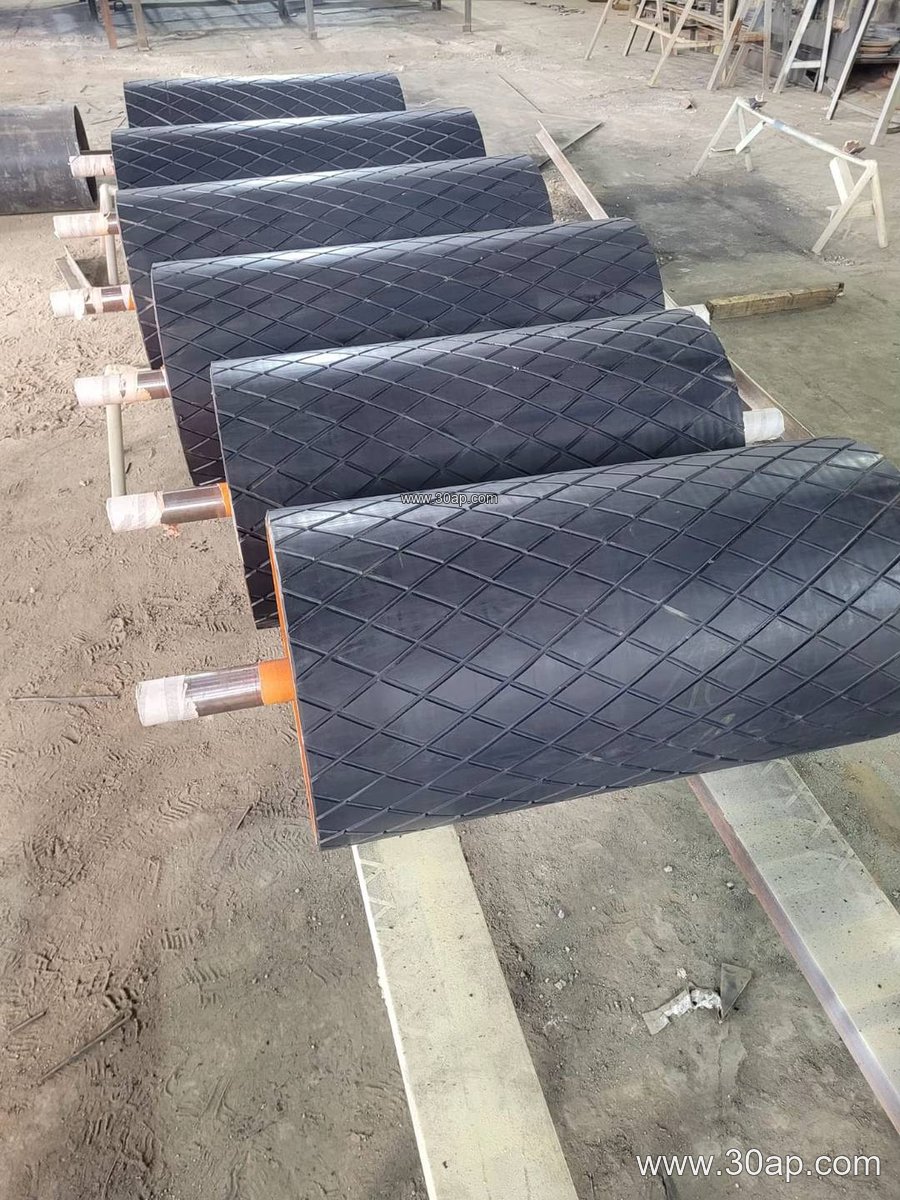
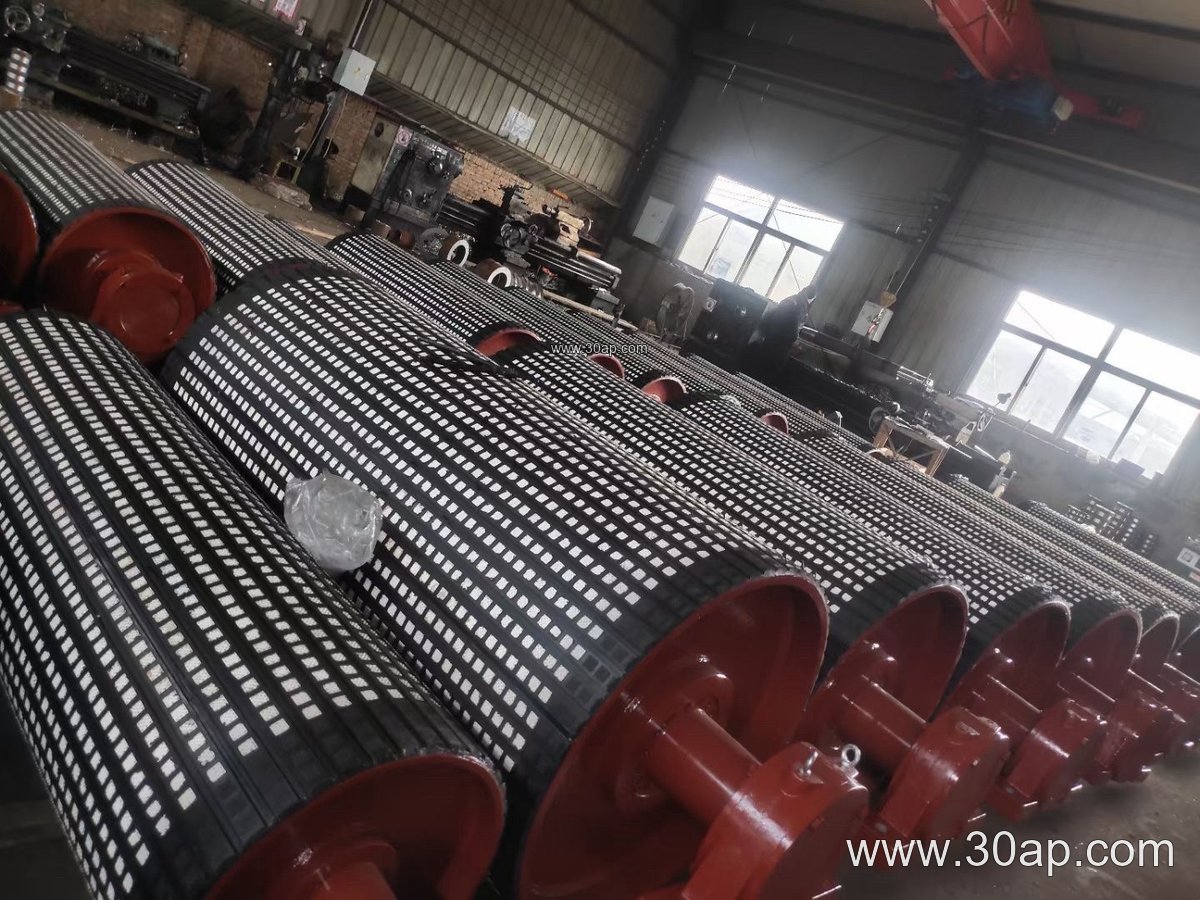
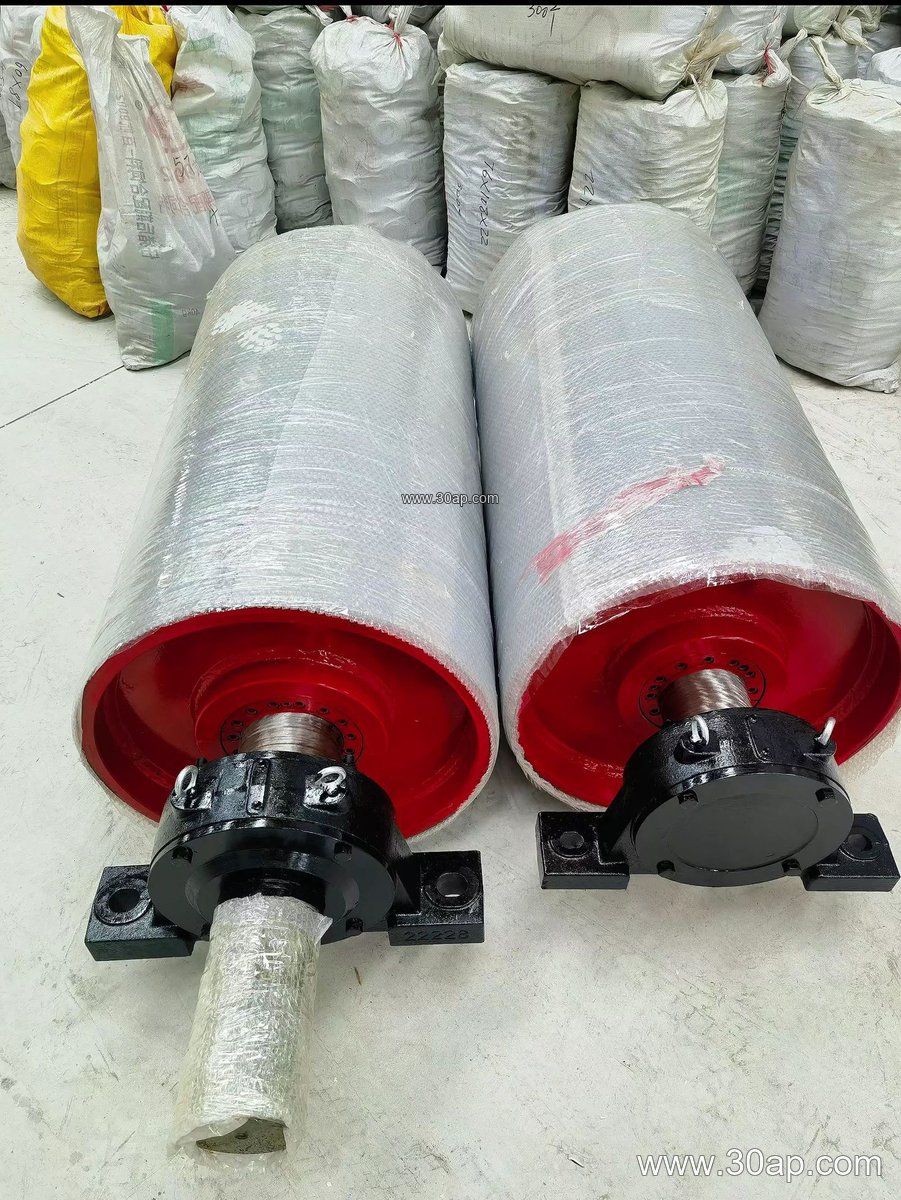
The main body is a welded steel shell, usually with a machined face and a shaft that runs through the hub assembly. Common designs use a drum with welded end discs, a keyed or shrink-fit shaft connection, and bearing housings mounted on the conveyor bracket. Surface finish depends on the duty: bare steel for light tracking positions, rubber lagging for grip, and ceramic lagging for very abrasive service. Bearing selection and shaft diameter are determined by torque and radial load, not by belt width alone, so a B1200 conveyor may use different shaft sizes depending on the drive arrangement. Typical shell faces are wider than the belt, for example a B800 pulley often has a face near 950 mm, while a B1000 unit is commonly around 1150 mm; these are reference values, not fixed rules.
Common Positions and Their Roles
- Drive pulley at the head end, transmitting power to the belt; this is the main traction point.
- Tail pulley at the loading end, often fitted with a self-cleaning or wing profile to shed coal fines.
- Bend pulley used to change belt direction or increase wrap angle around the drive drum.
- Tension pulley on take-up systems, keeping belt sag under control.
These positions are not interchangeable. A drive pulley needs lagging and torque capacity, while a bend pulley is selected mainly for geometry and bearing life. In a coal washing plant or power plant coal yard, the discharge pulley at the head chute sees the most wear from coal impact and fines, so replaceable lagging is useful.
Sizes and Surface Options
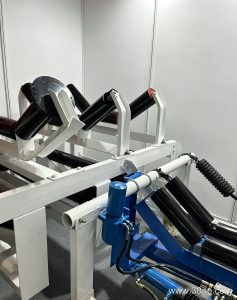
Diameters commonly range from Ø200 mm on small tail positions up to Ø1250 mm or more on large drive drums. Face widths follow belt size, and combinations such as B800 x Ø500 or B1200 x Ø1000 are seen in practice without implying a fixed pairing. Lagging thickness is often 8, 10, 12, 15, or 20 mm, with diamond or herringbone patterns for wet coal and plain rubber for general service. A ceramic lagging is chosen where abrasion from coal and rock is severe. For comparison, an idler roller is a much smaller, free-rotating component that supports the belt between pulleys; it does not transmit drive torque.
Buyer Checklist
When sourcing a coal mine conveyor pulley, confirm the belt width, the required diameter, the shaft and bearing size, the lagging type and thickness, and the mounting bracket dimensions. Ask how the shell is balanced and how the lagging is bonded, since a poorly bonded rubber cover can peel in wet conditions. For underground coal mining conveyor belts, specify flame retardant properties for the belt and check that the pulley surface does not create excessive friction heat. Review the take-up arrangement and belt tension before finalizing the drum size, because a larger diameter reduces belt bending stress but adds weight and cost. A site visit or dimensional drawing check helps avoid mismatch with the conveyor bracket and chute.
Maintenance Notes
Inspect lagging wear, bearing temperature, and shaft seals on a routine schedule. Coal dust and moisture can enter bearing housings, so proper sealing and occasional re-greasing extend service life. Check belt tracking after any pulley change, and keep the tail pulley clean to prevent build-up that misaligns the belt. Spare lagging sheets and a spare bearing set are practical stock items for a busy coal handling line. For more information on compatible conveyor components, visit rubberbeltconveyor.com or check our conveyor pulley reference pages at rubberbeltconveyor.com/conveyor-pulley.