What a Discharge Pulley Does at the Head of a Conveyor
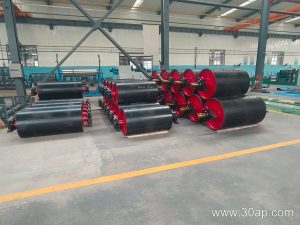
The discharge pulley is the pulley at the head end of a belt conveyor where the belt unloads its material. Often called the head pulley or delivery pulley, it is the point where the conveyor belt wraps around and releases the load into a chute, a transfer point, or the next machine in the process. Because it carries the full belt tension at the drive end in many layouts, its diameter, shell construction, and lagging all influence belt life and unloading behavior.
In a quarry conveyor line or a cement plant clinker transport section, the discharge pulley usually sits high above the receiving equipment, so the trajectory of the material as it leaves the belt matters. A poorly sized head pulley can cause material to pile on the belt or hit the chute structure instead of flowing cleanly.
Construction Details That Matter
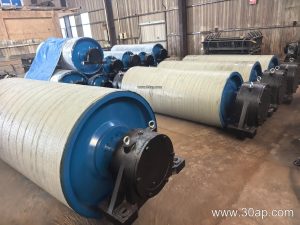
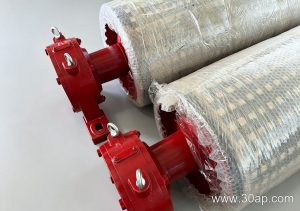
A typical discharge pulley is built around a steel shell, welded to end discs and a shaft, with bearing housings on both sides. The shell may be plain or covered with rubber lagging. Common surface forms include plain face, hot vulcanized rubber, cold bonded rubber, diamond grooved lagging, and ceramic lagging where slip is a concern. Lagging thickness is often 8, 10, 12, 15, or 20 mm depending on duty.
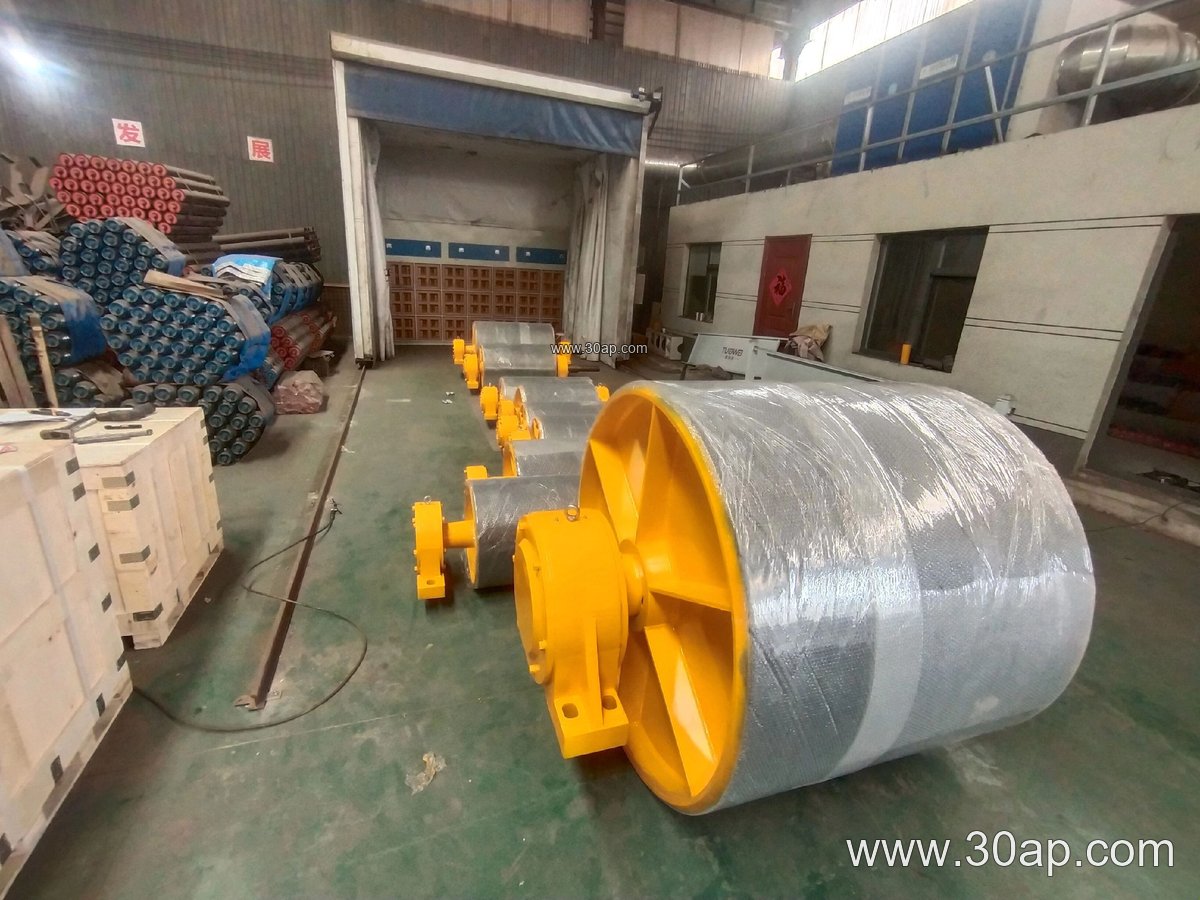
The shaft diameter is determined by torque and load, not by belt width alone. Common shaft sizes range from Ø50 up to Ø200 mm, and the pulley diameter may run from Ø200 to Ø1800 mm or more in heavy bulk handling. For example, a B800 conveyor might use a Ø500 head pulley, while a B1200 line could run a Ø1000 discharge pulley; these are design choices, not fixed pairings. The pulley face width is normally wider than the belt, such as about 950 mm for B800 or about 1400 mm for B1200.
| Parameter | Common Range |
|---|---|
| Belt width | B400 to B2400 |
| Pulley diameter | Ø200 to Ø1800 |
| Shaft diameter | Ø50 to Ø200 |
| Lagging thickness | 8 to 20 mm |
| Surface | Plain, rubber lagged, diamond, ceramic |
Where Discharge Pulleys Are Used
These pulleys appear at transfer points in sand and aggregate plants, iron ore and copper ore concentrators, and coal handling systems in power stations. In a stone crushing line, the head pulley of the final field conveyor discharges onto a stockpile belt. In a coal mining operation, a flame retardant conveyor belt runs over a lagged discharge pulley before the coal drops into a screening house. The same component is found in fertilizer plants, grain silos, and port ship loading systems.
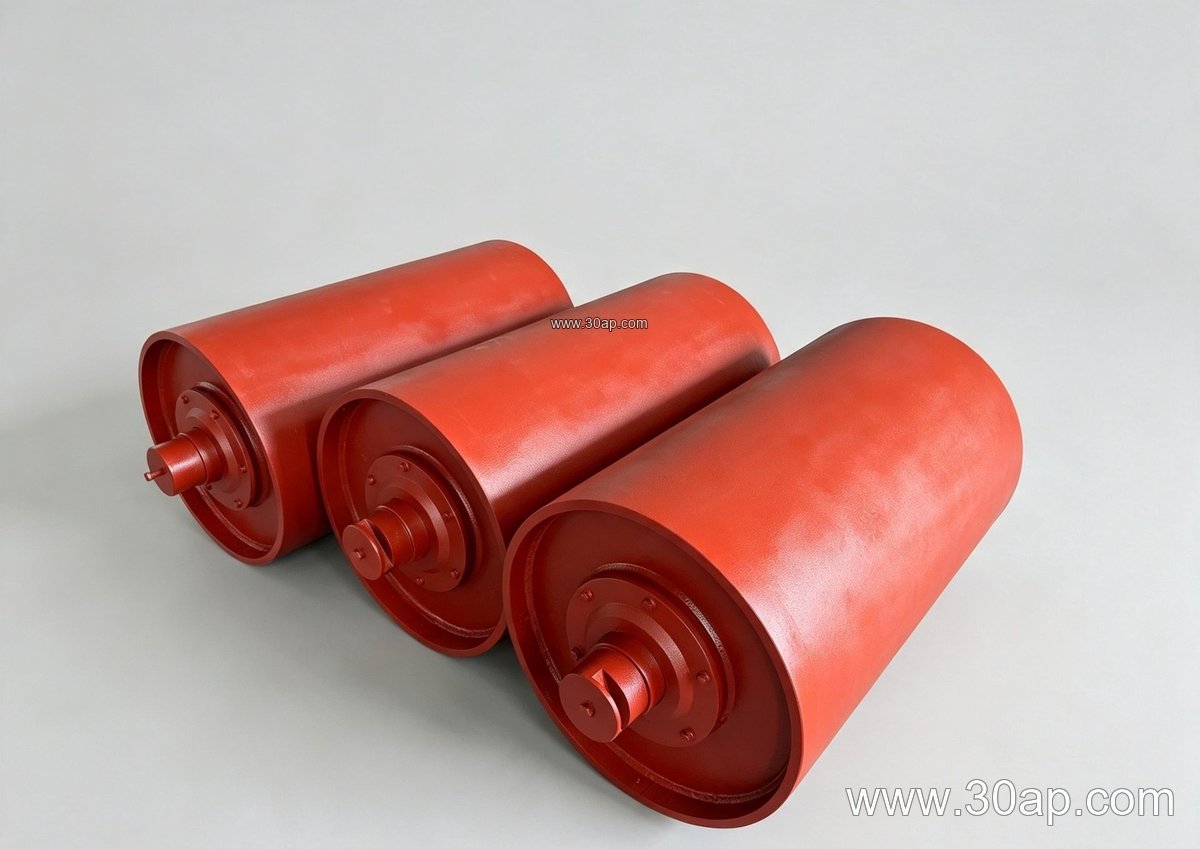
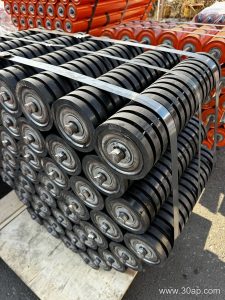
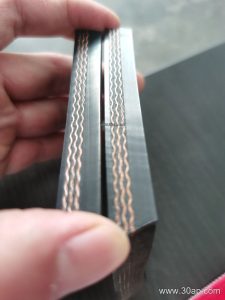
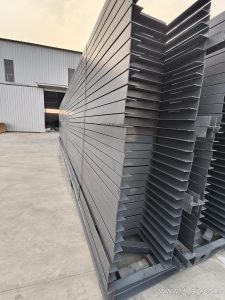
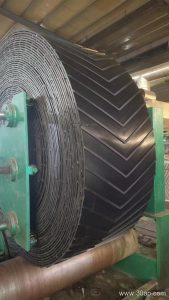
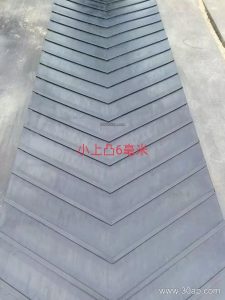
Because the discharge pulley is often the drive pulley as well, its lagging choice should match the belt surface. A rubber conveyor belt with a smooth cover may need more lagging friction than a chevron or corrugated sidewall belt, which is usually guided by other means. The pulley works together with the conveyor belt, idler roller sets, and conveyor bracket assemblies to keep the line tracking.
Selection and Maintenance Notes for Buyers
- Confirm the belt width, belt type, and expected tension before choosing the shell diameter; a larger diameter reduces bending stress in the belt.
- Specify lagging based on slip risk and material buildup; ceramic or diamond lagging suits wet or dusty conditions.
- Check shaft size against the actual torque and bearing load, not against a belt width table.
- Plan inspection of lagging wear, bearing temperature, and shell runout during scheduled shutdowns.
- Keep the discharge chute aligned so material does not strike the pulley face.
At sites handling abrasive bulk material, an abrasion resistant conveyor belt paired with a well lagged head pulley can extend service intervals. In cold climates, a cold resistant belt and a pulley free of ice buildup are equally important. For high temperature duties such as cement clinker, a heat resistant belt and a pulley designed for thermal expansion should be considered together.
Buyers should ask for a dimension drawing showing face width, shaft extension, bearing centers, and lagging profile. Reviewing these details against the conveyor frame and the conveyor bracket mounting points avoids installation surprises. Further technical notes on related components such as the conveyor pulley range and belt options can be reviewed at cndongying.com before finalizing an order.