What a Comb Return Idler Does
A comb return idler is a return-side roller whose shell is fitted with a series of rubber or polymer discs, often called comb rings, spaced along the shaft. On a conventional return roller, fines, damp dust and sticky material tend to build up on the plain shell; the comb design breaks that contact pattern, so carried material falls away instead of wrapping around the roller. The result is a return run that stays round, runs quieter and puts less drag on the belt.
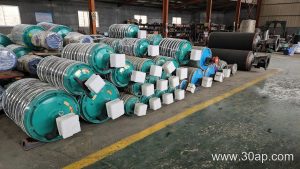
It is a specific idler type, not a substitute for a drive pulley, tail pulley or bend pulley. Those are conveyor pulleys that transmit or redirect belt tension. The comb return idler simply supports the empty side of the conveyor belt between them.
How the Roller Is Built
The body usually starts as a steel tube with welded end caps, machined bearing housings and a through shaft. Comb discs are then pressed or vulcanized onto the shell at a regular pitch. Sealing is the detail that decides service life: a multi-labyrinth seal with a dust lip keeps grit out of the bearing cavity, and the bearing grade should match the load and speed of the installation.
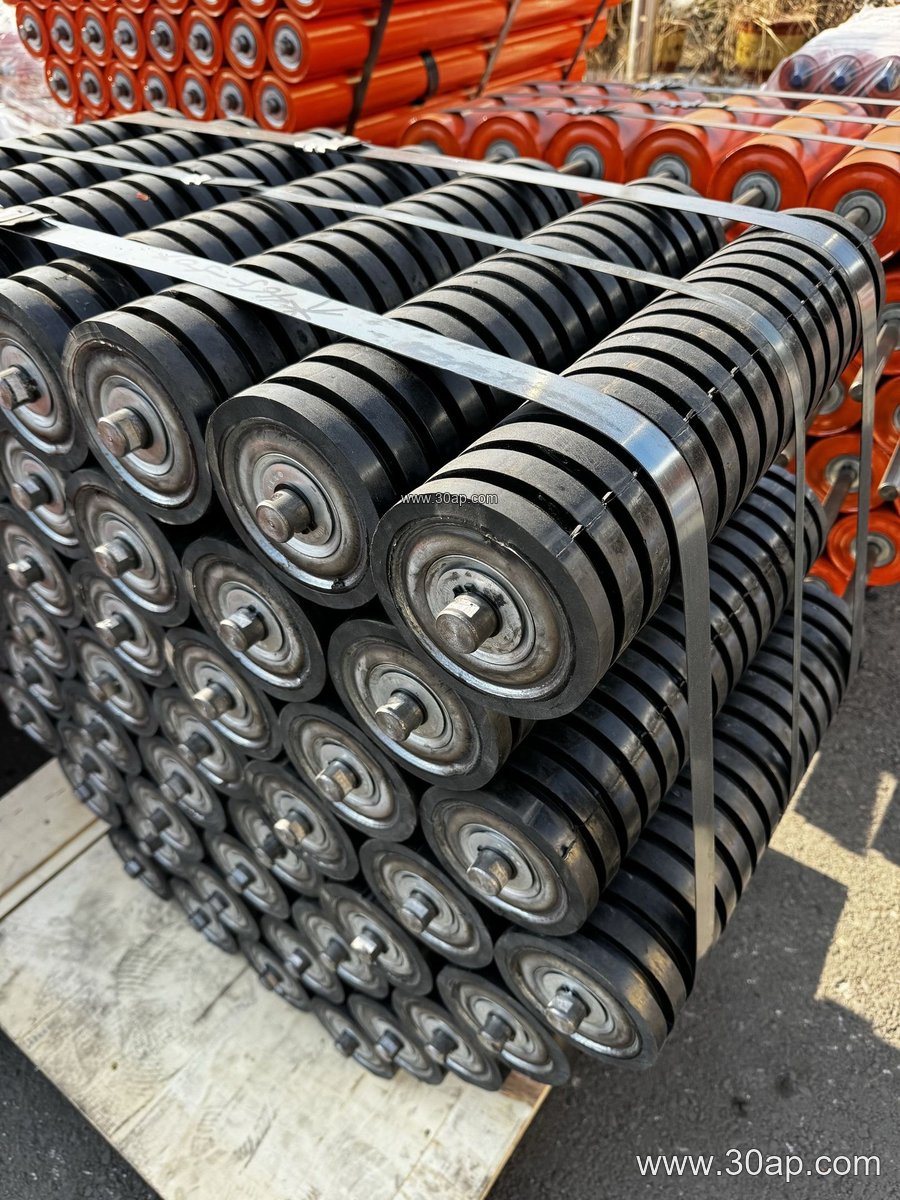
- Shell: steel tube, sometimes with a wear-resistant coating
- Discs: rubber or polyurethane comb rings, replaceable on some designs
- Bearing: deep-groove ball bearings selected by load, not by belt width alone
- Shaft: through shaft with flattened ends for bracket mounting
- Mounting: hooked into the conveyor bracket or frame slot on the return side
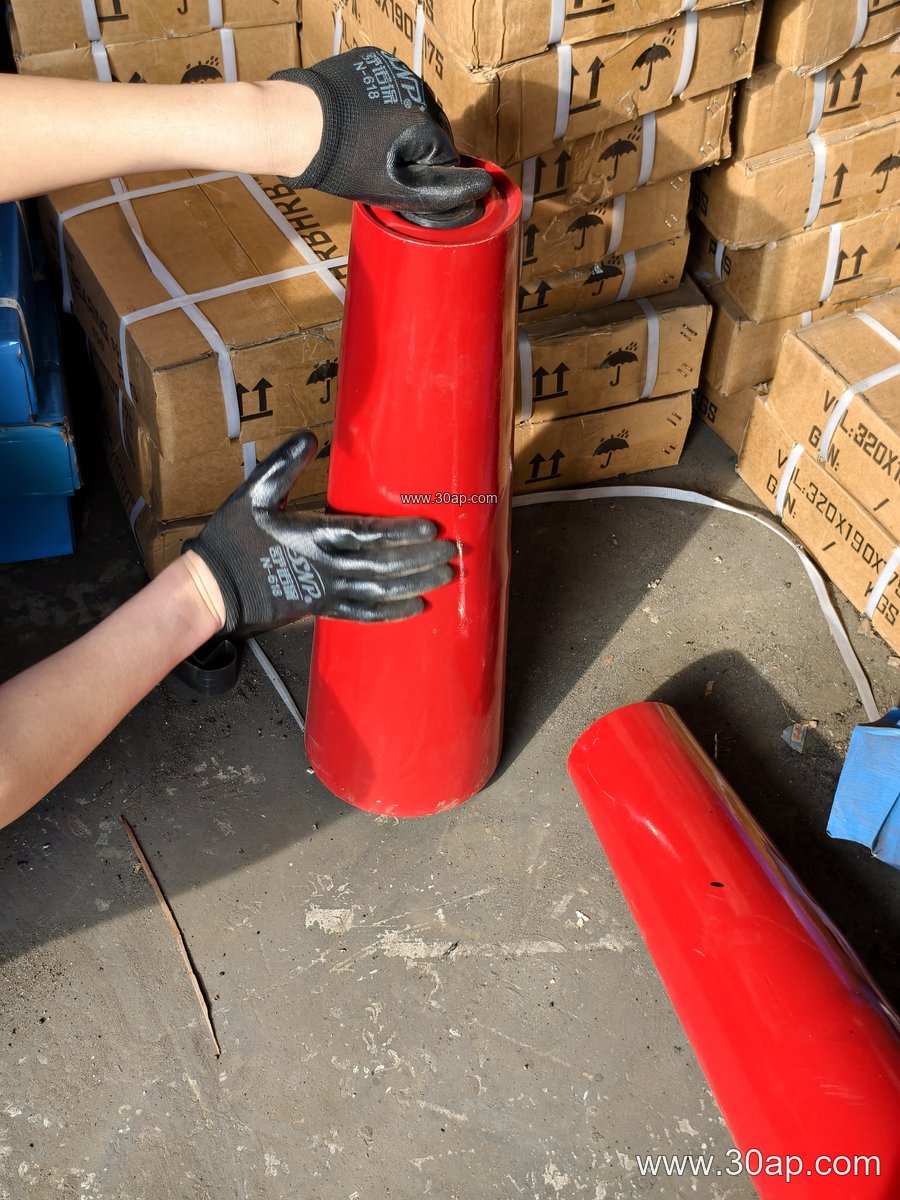
Common roller diameters for return positions include Ø89, Ø102, Ø108, Ø127, Ø133 and Ø159 mm. Roller length follows belt width, frame width and the return idler arrangement, so it is set by design rather than by a single rule.
Where It Fits on the Conveyor
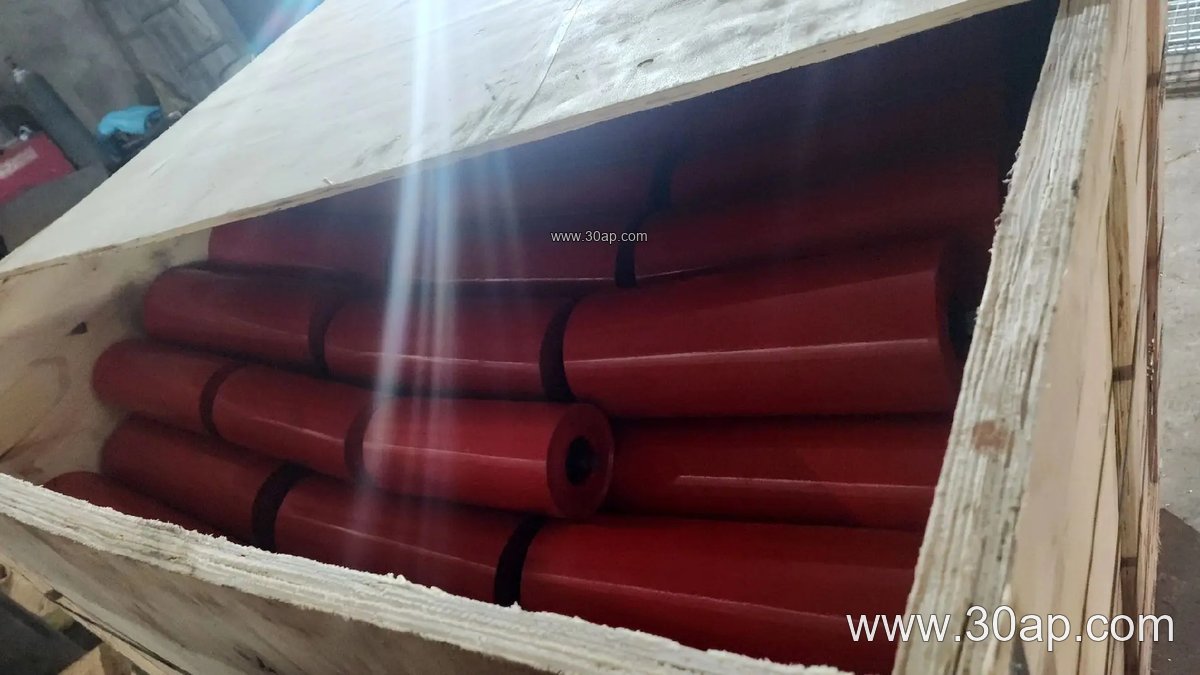
The comb return idler is normally installed on the carrying return strand, spaced among plain return rollers or V-return sets. It suits lines handling wet, sticky or fine material: a limestone quarry in humid weather, a coal washing plant, a cement plant handling damp clinker dust, or a sand and aggregate line where spillage clings to the belt.
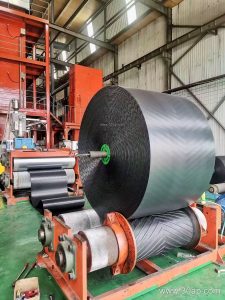
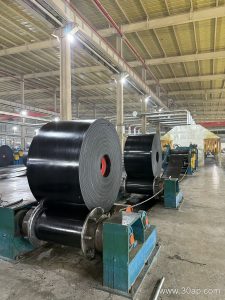
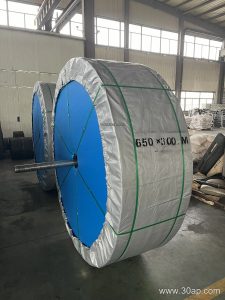
In these duties the return side often carries a rubber conveyor belt with a fabric core, such as an EP conveyor belt or NN conveyor belt, and the comb rings help keep the bottom cover from picking up a crust. On abrasive duties an abrasion resistant conveyor belt reduces cover wear, while a flame retardant conveyor belt is usual in coal mining and underground mining conveyor belt applications. The comb idler does not replace those belt choices; it complements them.
Comb Return Idler vs Other Return Types
A plain flat return roller is the simplest option and works well on dry, clean bulk material. A V-type return idler trains the belt and sheds material at the centre. The comb version is chosen mainly for its self-cleaning action. For impact zones near a crusher or transfer point, impact idlers with rubber rings are the correct pick, and for belt tracking, self-aligning idlers do the job. Each type has its own place; the comb return idler is the one to consider when build-up on the return strand is the problem.
Common Reference Dimensions
The figures below are typical reference values, not fixed matches. Final roller length, shaft size and bearing are confirmed against the frame drawing.
| Belt width | Typical return roller length | Common roller diameter |
|---|---|---|
| B500 | about 600 mm | Ø89 / Ø102 |
| B650 | about 750 mm | Ø89 / Ø108 |
| B800 | about 950 mm | Ø108 / Ø127 |
| B1000 | about 1150 mm | Ø108 / Ø133 |
| B1200 | about 1400 mm | Ø127 / Ø133 |
| B1400 | about 1600 mm | Ø133 / Ø159 |
| B1600 | about 1800 mm | Ø133 / Ø159 |
| B1800 | about 2000 mm | Ø159 |
Bearings such as 6205, 6305, 6306 and 6308 appear across these sizes depending on load. A wider belt does not automatically mean a larger shaft; the shaft is calculated from the actual load and span.
Buyer Checklist
- Confirm the return frame type and mounting slot, and check the conveyor bracket drawing.
- State the material: wet fines, sticky dust or abrasive ore all point to different disc compounds.
- Give belt width, belt speed and the loaded belt weight so bearing and shaft can be sized.
- Ask about disc hardness and whether rings are replaceable.
- Check seal design for dusty or washdown conditions.
- Order spares in line with the inspection interval, since comb rings wear faster than a plain shell in sharp material.
During maintenance, check that the comb idler turns freely by hand, listen for bearing noise, and look for flattened or missing discs. A jammed comb roller can wear a groove into the bottom cover of the belt, so early replacement is cheaper than a belt repair. For full conveyor projects, the comb return idler is usually specified together with the conveyor belt, idler roller sets, conveyor pulley assemblies and frame hardware so that all interfaces match. Browse guanchaojx.com for comb return idler and conveyor component references.