What Is a Bulk Material Conveyor Belt
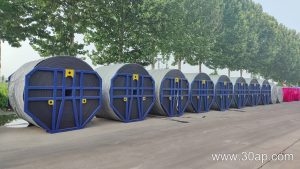
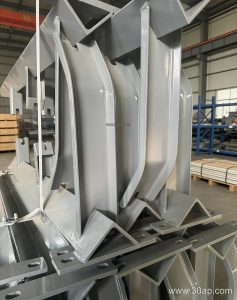
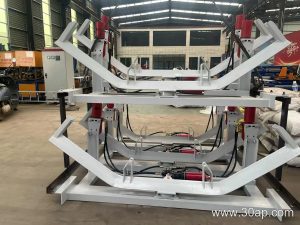
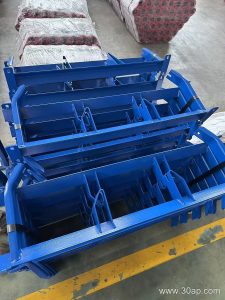
A bulk material conveyor belt is the continuous load-carrying surface in a belt conveyor system, engineered to move large volumes of loose materials such as ore, coal, crushed stone, cement clinker, sand, and gravel. Unlike package-handling belts, this belt is built for high tonnage, abrasive loads, and often harsh environmental conditions. The belt itself is a composite: a tensile carcass (fabric or steel cord) embedded in rubber or PVC, with cover layers on top and bottom to protect the carcass from impact, abrasion, and moisture. In a typical mining or quarry circuit, the belt runs over idler rollers, wraps around a drive pulley, and returns via a tail pulley, with conveyor brackets holding the structure together.
Construction and Key Components
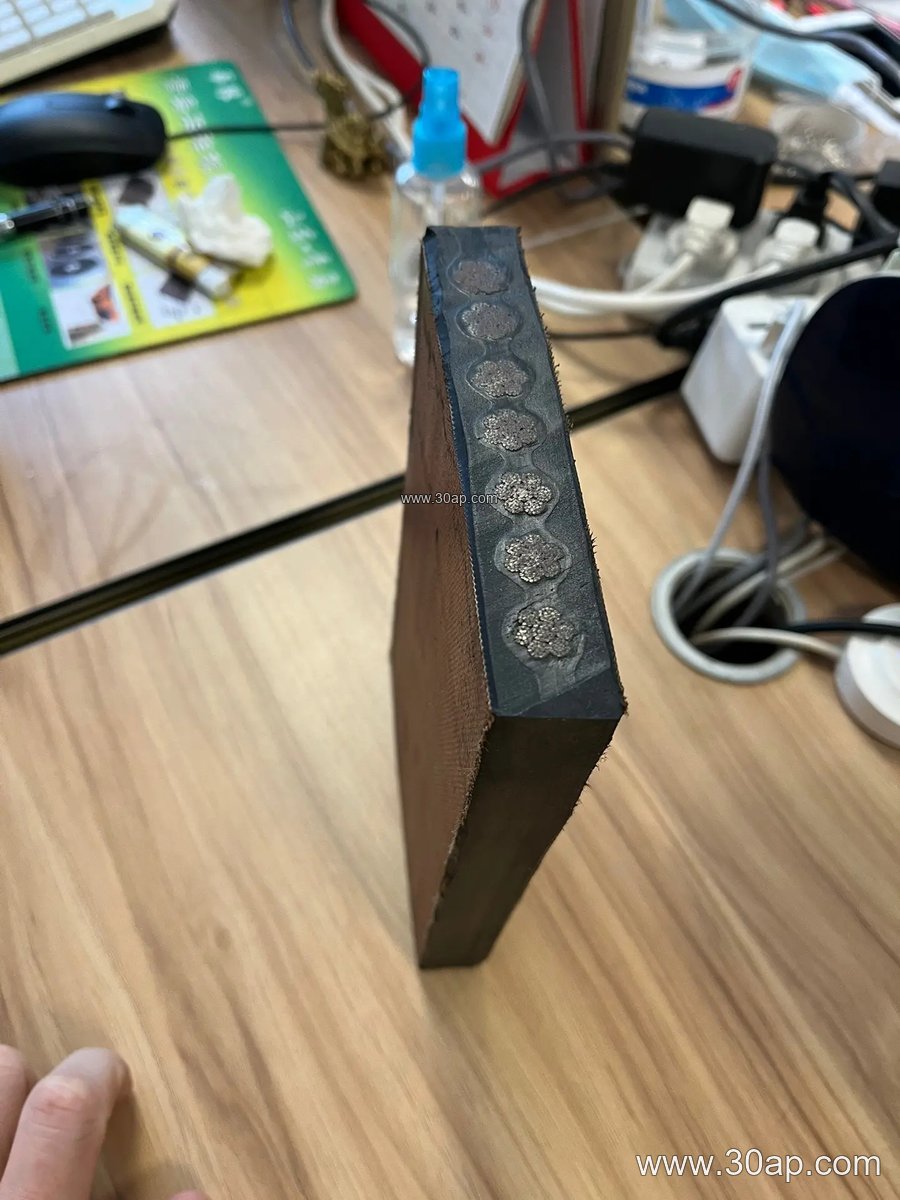
The carcass gives the belt its strength and resistance to stretching. Common carcass types include EP (polyester-nylon) fabric, NN (nylon-nylon) fabric, and steel cord. EP conveyor belts are widely used in cement plants and power plants for their balanced strength and fatigue resistance. NN conveyor belts offer high tensile strength and are often found in heavy-duty mining conveyor belts. Steel cord conveyor belts, such as ST1000 or ST2000, are chosen for long overland hauls and high capacities where low elongation is critical. The cover rubber compound determines resistance to wear, heat, oil, or fire, and can be customized for specific industries. For underground coal mining, flame retardant and anti-static properties are essential, often achieved with PVG conveyor belts (e.g., PVG800S) that combine PVC with rubber covers.
Common Belt Types and Their Applications
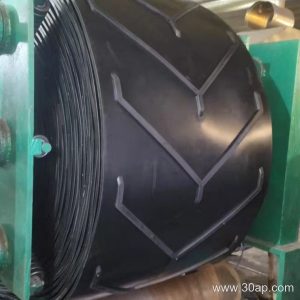
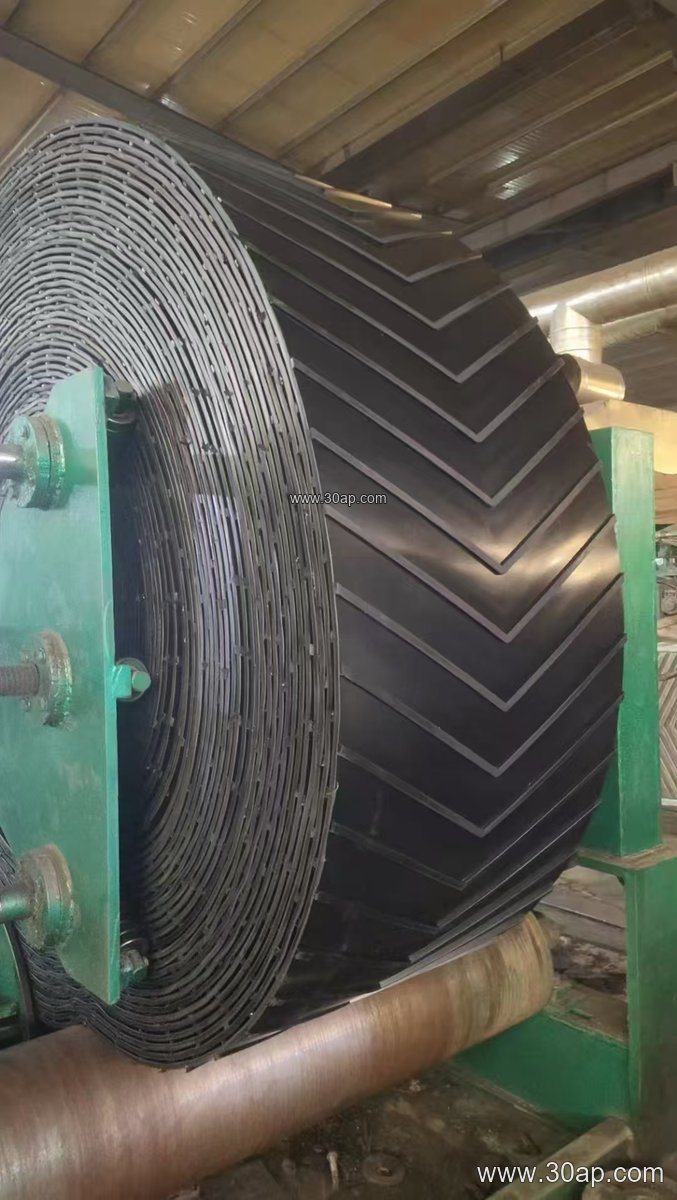
Bulk material handling spans many sectors, and the belt type is matched to the duty. In stone crushing plants and aggregate yards, abrasion resistant conveyor belts with thick covers are standard to withstand sharp, jagged rock. In cement plants, heat resistant conveyor belts are used after the kiln where clinker temperatures are high. Ports and ship loading facilities often rely on high strength conveyor belts, sometimes steel cord, to move large volumes quickly. For steep inclines, chevron conveyor belts or corrugated sidewall conveyor belts prevent material from sliding back. Pipe conveyor belts enclose the material to avoid spillage and dust, making them suitable for environmentally sensitive areas. In cold climates, cold resistant conveyor belts maintain flexibility, while food grade conveyor belts are used in fertilizer and food processing.
Specifications and Sizing
Belt specifications are typically defined by carcass type, strength rating, width, and cover thickness. Strength grades for EP belts range from EP200 to EP2000, while steel cord belts are rated from ST1000 to ST3150. Widths commonly range from 500 mm to 2000 mm or more, depending on the conveyor design and required capacity. Cover thickness is often expressed as top cover + bottom cover, for example 4+2 mm or 6+2 mm, with thicker covers for high abrasion or impact. The number of fabric plies usually varies from 2 to 6. It is important to note that belt width and pulley diameter are matched by the conveyor designer based on tension and shaft loads, not by a fixed rule; a wider belt does not automatically require a specific pulley diameter. Buyers should always refer to the conveyor manufacturer’s specifications for pulley and shaft sizing.
Selection and Maintenance Tips
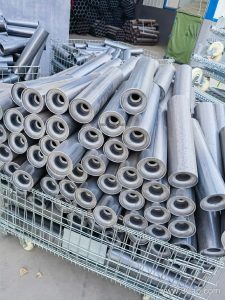
Choosing the right bulk material conveyor belt involves more than picking a strength grade. Consider the material’s lump size, temperature, moisture content, and chemical exposure. For example, oil resistant conveyor belts are needed when conveying oily scrap or certain minerals. Impact resistant conveyor belts with breaker fabric may be required at transfer points where large lumps drop onto the belt. Proper maintenance extends belt life: regular inspection of idler rollers for seized bearings, checking pulley lagging for wear, and ensuring the belt is correctly tensioned and tracked. Avoiding material buildup on the return side and maintaining skirt rubber clearance are also important. When replacing a belt, match the new belt’s carcass type, strength, and cover compound to the original specification or consult a reputable supplier like www.example.com/bulk-material-conveyor-belt for technical guidance.
Industry Applications at a Glance
Bulk material conveyor belts are indispensable in mining (coal, iron ore, copper ore, gold mining), quarrying, cement production, power generation, steel plants, and port operations. Each environment places specific demands on the belt: underground coal mining requires MSHA-approved flame retardant belts, while a quarry conveyor belt must handle sharp, abrasive rock. Aggregate conveyor belts in sand making plants need good tear resistance. In recycling facilities, belts often need to resist punctures and oils. Regardless of the industry, the belt works in unison with conveyor pulleys, idler rollers, and conveyor brackets to ensure smooth, efficient material flow.