What a 500mm Diameter Conveyor Pulley Is
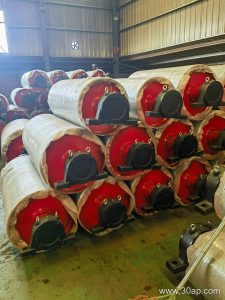
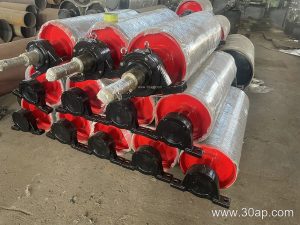
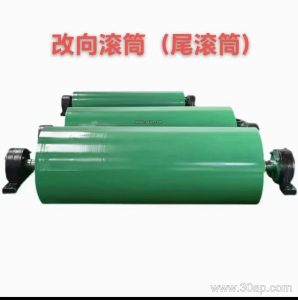
A 500mm diameter conveyor pulley is a drum-shaped rotating component used to support and drive the conveyor belt in a bulk material handling system. It is commonly found in quarry, aggregate, and cement plant operations, where moderate belt widths and heavy loads demand a robust, long-lasting pulley. The 500mm diameter refers to the outer diameter of the pulley shell, a size that balances load capacity with space constraints in many conveyor layouts. This pulley is often specified as a drive pulley, tail pulley, or bend pulley, depending on its position and function in the conveyor frame.
Construction and Key Components
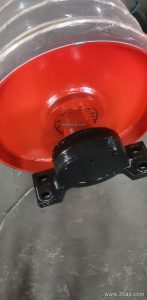
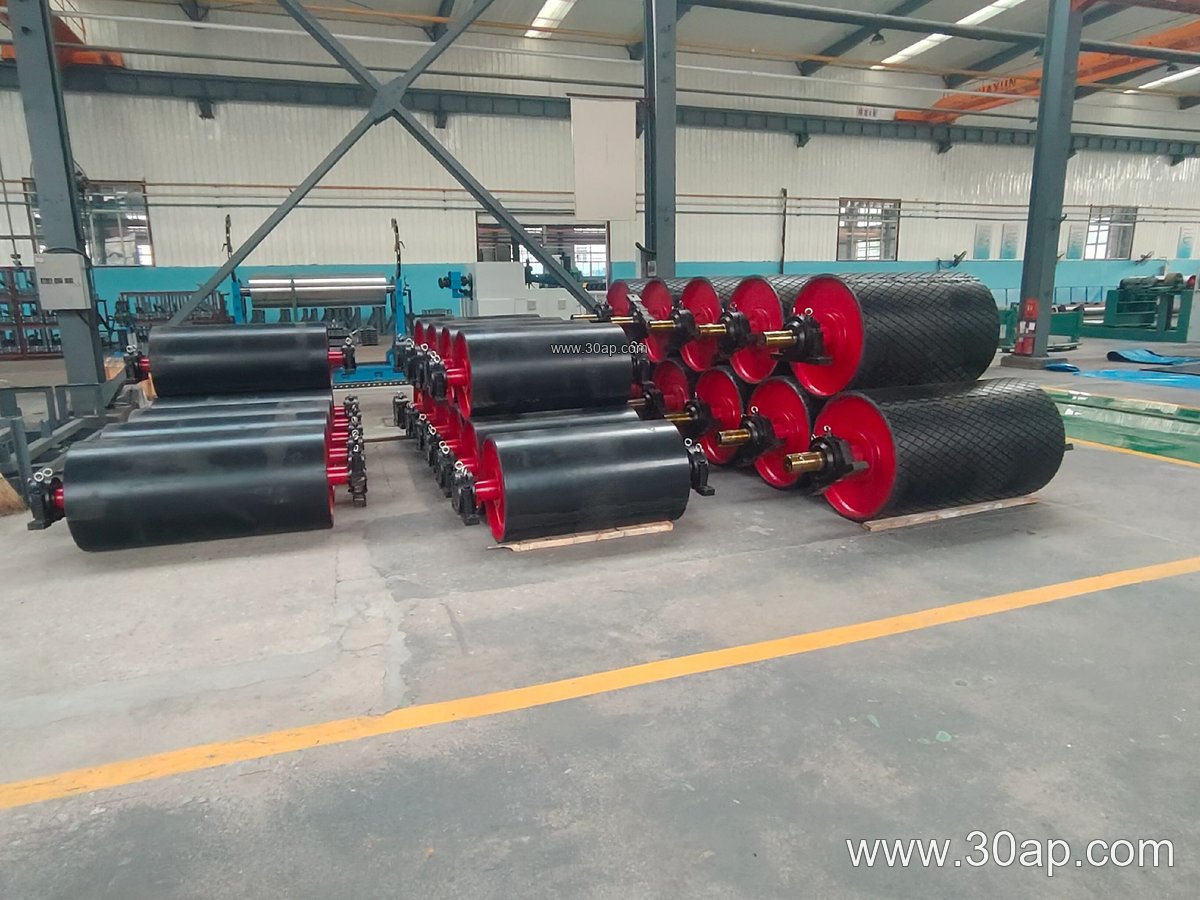
Typically, a 500mm diameter conveyor pulley consists of a cylindrical shell, end discs, a shaft, and bearing housings. The shell is usually made from rolled steel, and the shaft is sized according to torque and radial loads—common shaft diameters for this size range include Ø80, Ø90, Ø100, and Ø120, though final selection depends on the application. Surface options include plain finish, rubber lagging (cold-bonded or hot-vulcanized), diamond grooving, and ceramic lagging. Lagging thickness often falls between 8 mm and 15 mm, with 10 mm or 12 mm being common for general duty. The pulley is mounted on the conveyor bracket or frame, and it works in conjunction with idler rollers and the conveyor belt to maintain tension and alignment.
Where It Fits in the Conveyor System
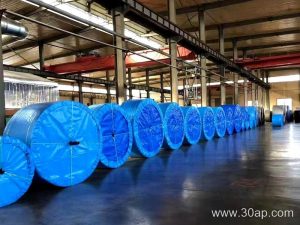
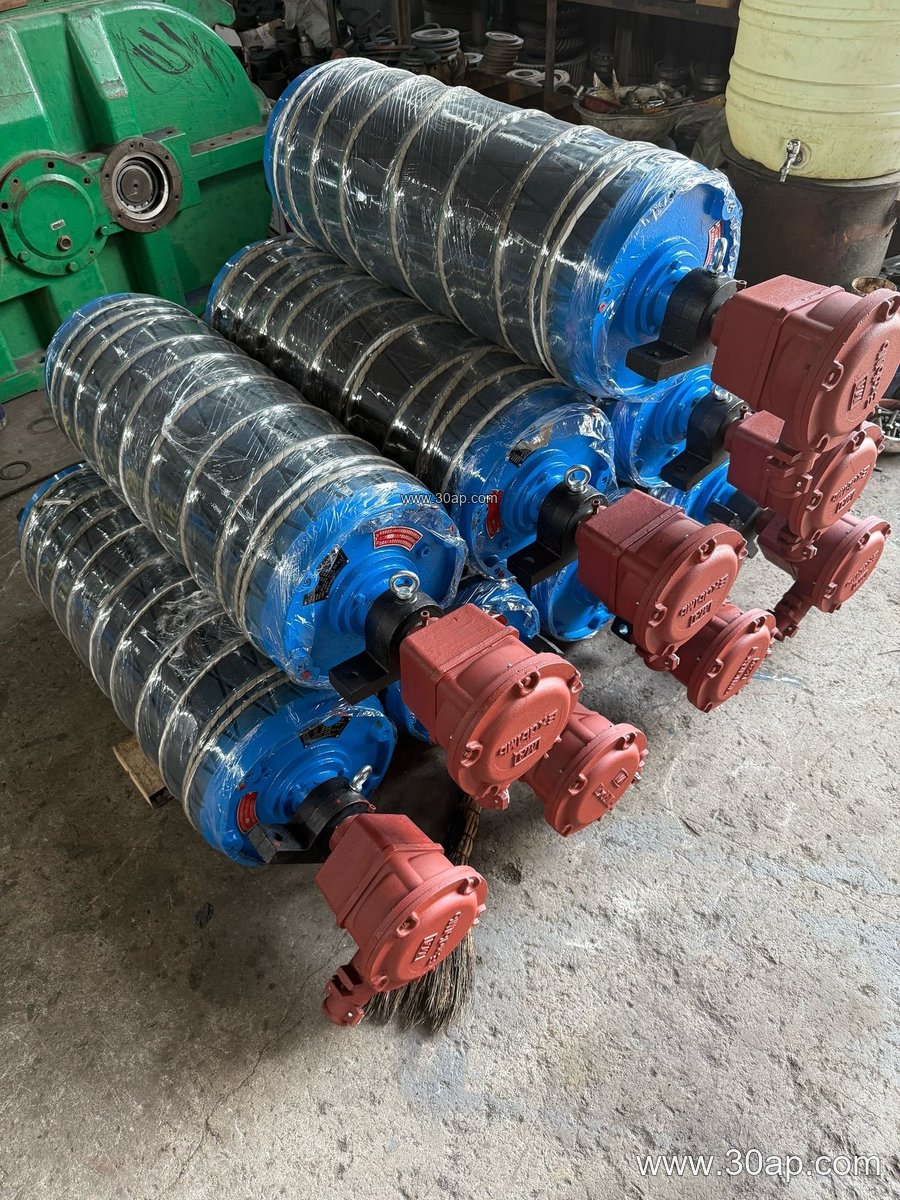
In a typical aggregate or cement plant conveyor, the 500mm diameter pulley may serve as a head pulley to discharge material, a tail pulley to return the belt, or a bend pulley to change belt direction. It is also used as a tension pulley in take-up arrangements. The pulley must match the belt width and the conveyor’s power requirements, but there is no fixed rule that a specific belt width only pairs with one pulley diameter. For example, a B800 conveyor belt might use a 500mm diameter pulley in some designs, while a B1000 system could also employ it depending on the load and space. When selecting a pulley, engineers consider the conveyor belt type—such as EP conveyor belt, steel cord conveyor belt, or heat resistant conveyor belt—because different belts have different tension and tracking characteristics.
Selection Points for Buyers
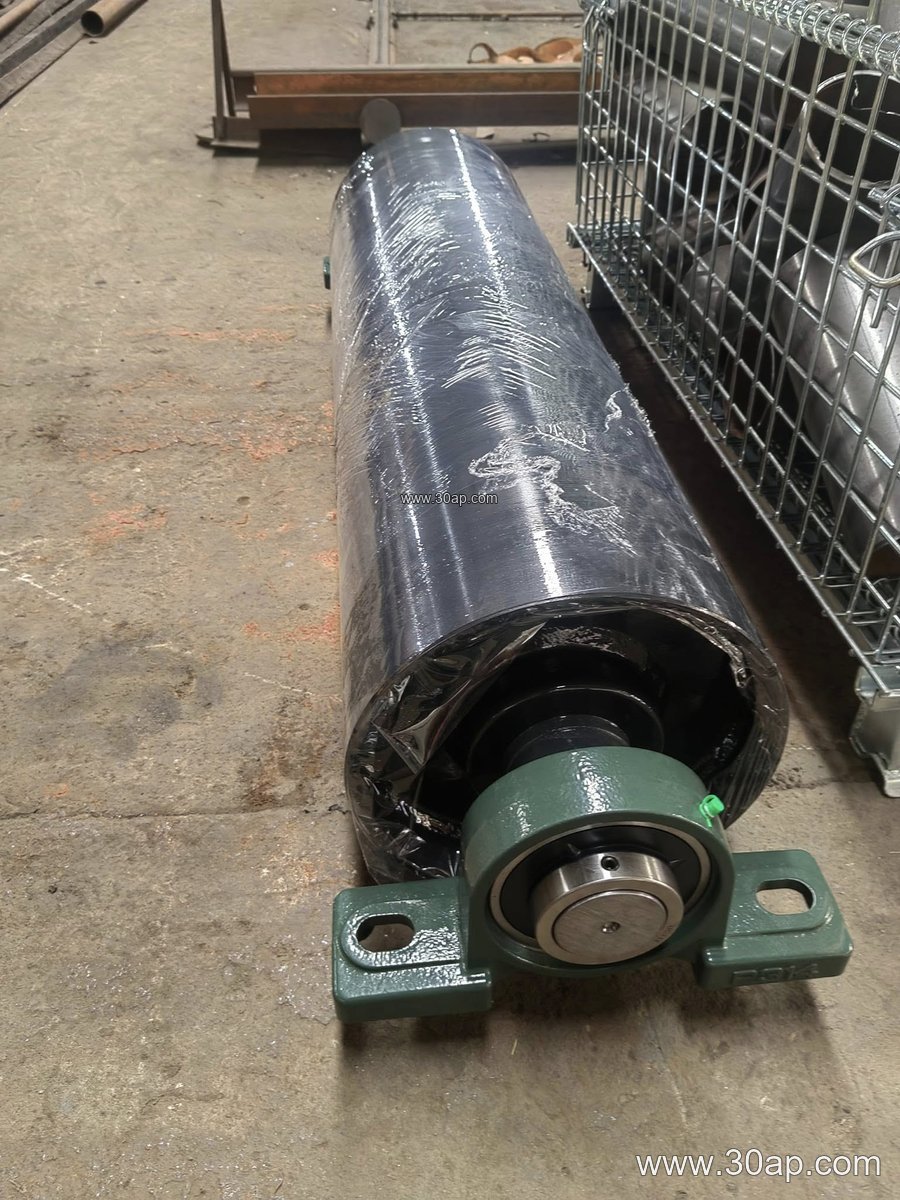
Buyers should define the pulley’s role (drive, tail, bend, or take-up), the belt width, the required shaft diameter, and the lagging type. The 500mm diameter is often chosen for medium-duty conveyors in sand and gravel lines, coal handling, or power plant coal feeding. It is important to specify the bearing type and housing, as well as the pulley face width, which is usually slightly wider than the belt. For a B650 belt, a face width around 750 mm is typical; for B800, about 950 mm. However, these are reference values, not universal rules. The pulley should be balanced and aligned with the conveyor frame to prevent belt mistracking. Maintenance includes checking lagging wear, bearing lubrication, and shaft alignment. In dusty environments such as a quarry or coal yard, sealed bearing housings are preferred.
Compatibility with Conveyor Belts and Accessories
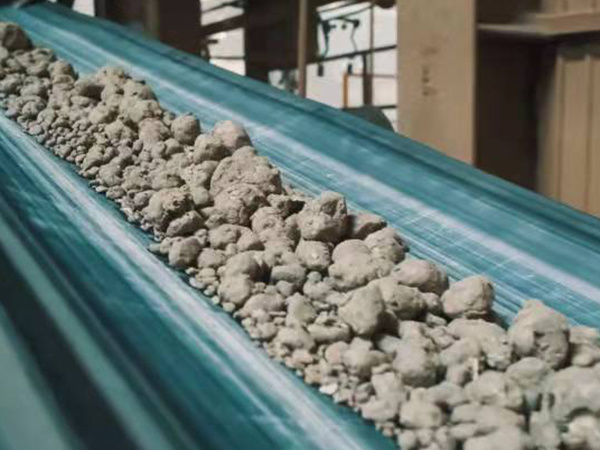
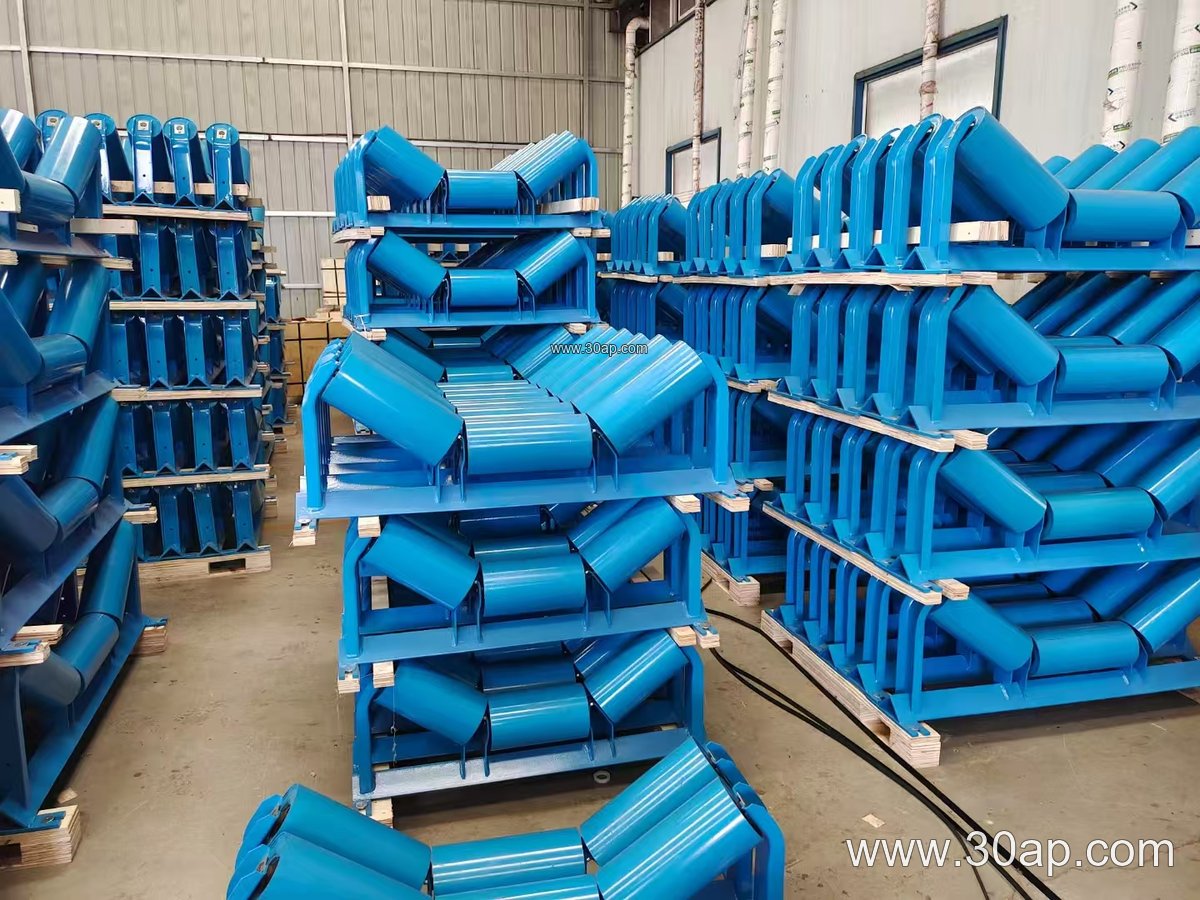
The 500mm diameter conveyor pulley works with a range of conveyor belts, including abrasion resistant conveyor belt for handling sharp aggregates, flame retardant conveyor belt for coal mining applications, and oil resistant conveyor belt where lubricants are present. It also pairs with idler rollers and conveyor brackets to form a complete conveyor section. When replacing a pulley, verify the shaft diameter and keyway dimensions to ensure a proper fit. For heavy-duty mining conveyor belt systems, a larger diameter may be required, but the 500mm size remains a practical choice for many medium-capacity conveyors in stone crushing plants, concrete batching stations, and port bulk terminals.
Installation and Maintenance Tips
Proper installation of a 500mm diameter conveyor pulley involves aligning the pulley with the belt centerline and tensioning the belt according to the manufacturer’s recommendations. Regularly inspect the lagging for wear or damage; worn lagging can reduce traction and cause slippage. Lubricate bearings at recommended intervals and check for any signs of misalignment or vibration. In applications with corrosive materials, consider a pulley with special coatings or stainless steel components. Keeping the pulley clean and free of buildup helps extend its service life and maintain efficient conveyor operation.